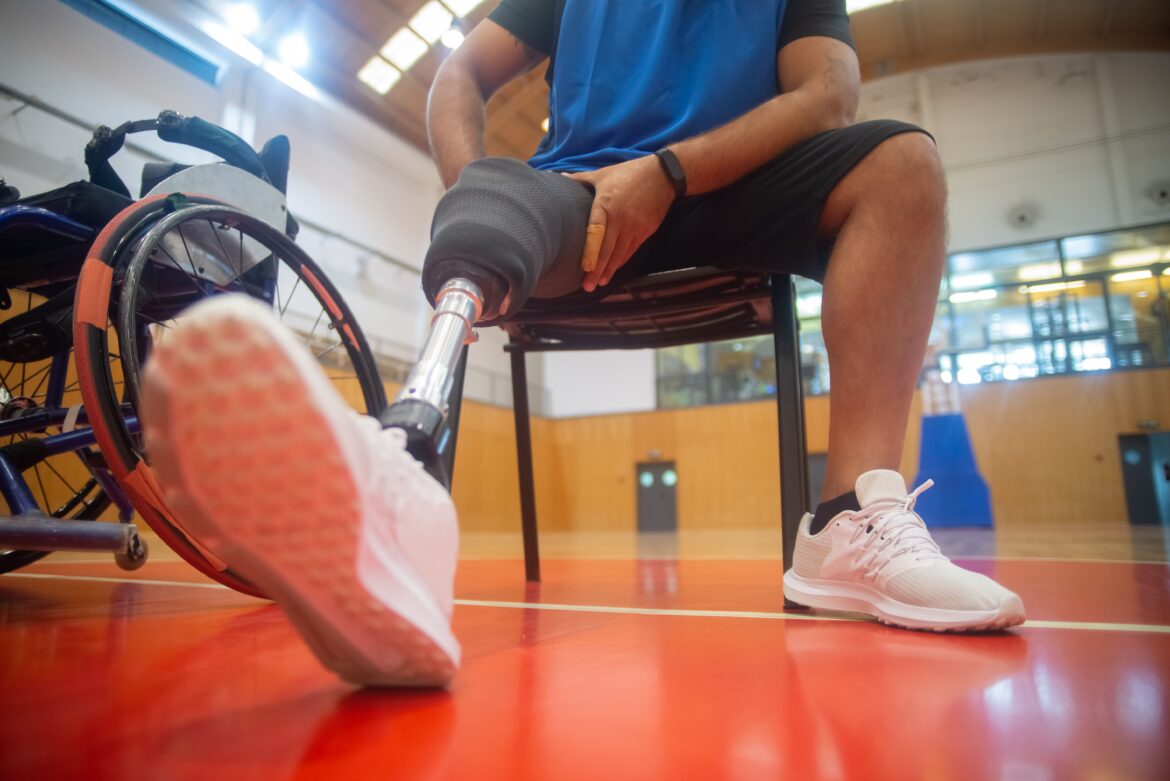
There are many factors to consider when choosing the right disability equipment for people with mobility problems. In addition to meeting the immediate needs of people with disabilities, the disability equipment they use can affect their posture, balance, joint loading and the way their muscles work when they are moving about.
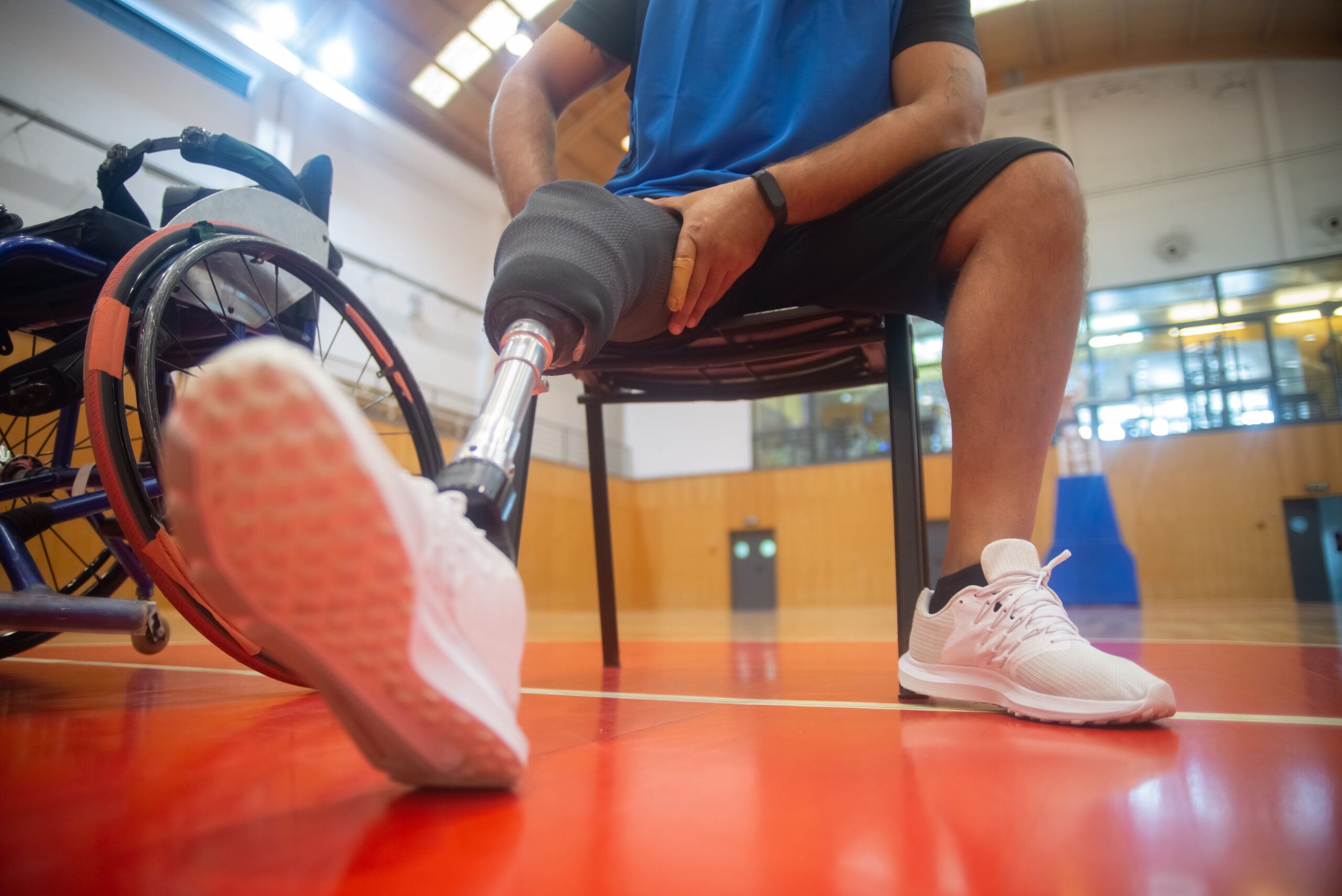
The Body Moves as a System, Not in Isolation
Muscles, joints and connective tissues work together whenever we move. If one part of the body has limited strength, mobility or control, other areas may compensate. Sometimes these adjustments are useful, but they can also place additional strain on other parts of the body.
For example, someone who regularly uses a walking frame may place more weight through their hands, wrists and shoulders. If these areas are already weak or sensitive, the way the frame is used or adjusted may contribute to discomfort.
Looking at the body as a connected system helps people consider more than the basic function of the equipment. People exploring disability aids in Sydney can compare equipment in person and seek guidance on factors such as comfort, fit and how the aid will be used in day-to-day life.
Muscle Function Shapes Equipment Requirements
Each health condition affects different parts of a person’s physical function including their strength, sensation, muscle tone, coordination and their level of fatigue.
Spinal cord injury – Muscle function below the level of injury is affected by the level and extent of injury to the spinal cord. Muscle function can also be affected by conditions such as multiple sclerosis and stroke.
The posture of walking when using a rollator for example can have a lot of negative effects for the user. The same goes for for example wheelchair seating that doesn’t put an even amount of pressure on the user’s body.
Healthdirect Australia supports the assessment of mobility needs by healthcare professionals and the choice of appropriate mobility aids for people with specific health conditions.
 Why Gait Analysis and Posture Matter
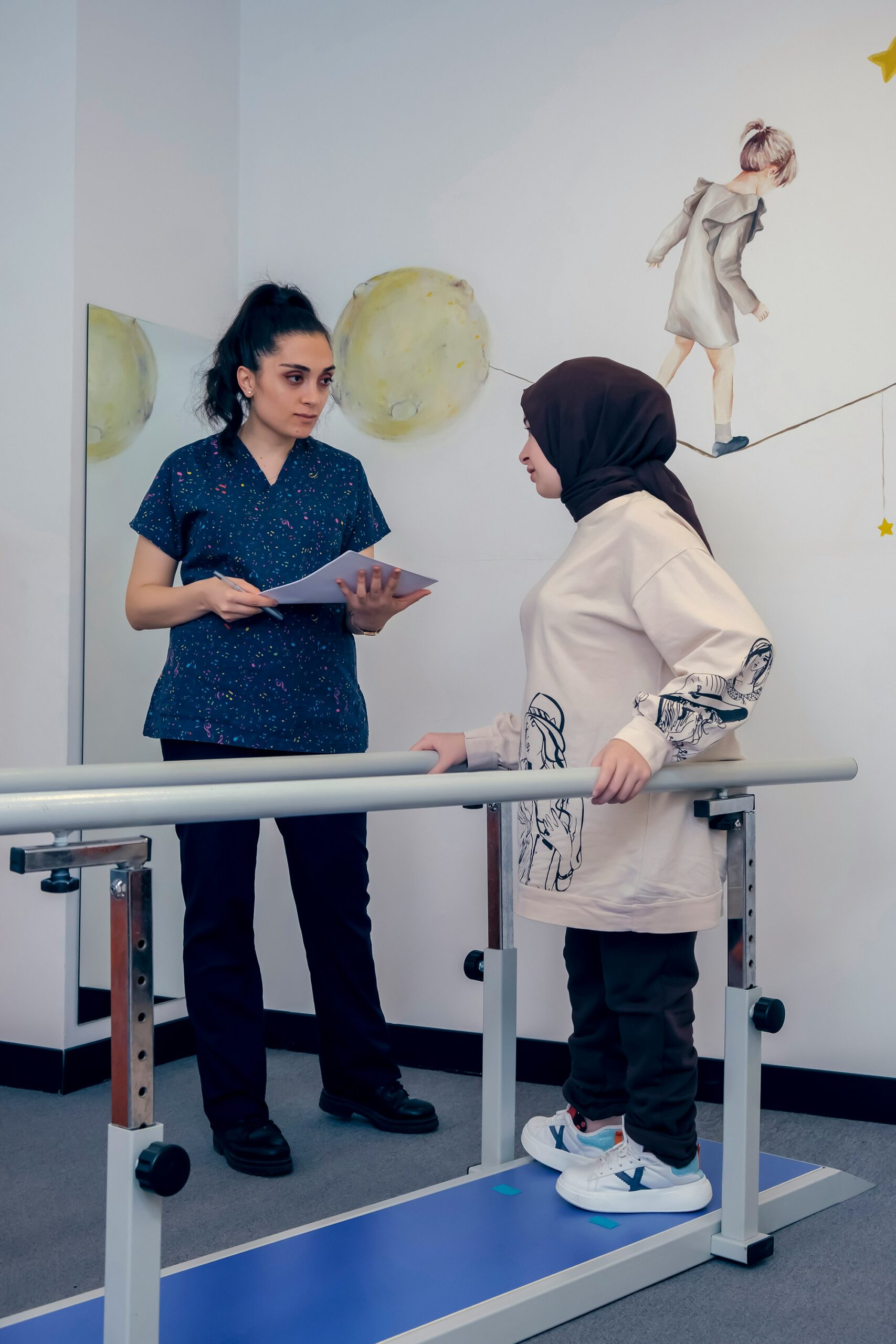
Gait analysis examines the way a person walks. It may consider factors such as step length, walking speed, balance, weight distribution and joint movement.
These observations can help a physiotherapist or other qualified health professional identify where additional support may be useful. For example, a person who has difficulty maintaining balance may need different equipment from someone whose primary concern is fatigue over longer distances.
Posture is also an important consideration. Poor positioning may contribute to discomfort, inefficient movement and uneven pressure distribution.
For wheelchair users, seating assessment can be particularly valuable. The position of the pelvis, trunk, legs and feet can affect stability and how comfortably someone performs daily activities. Appropriate positioning and pressure management are therefore important parts of wheelchair selection and adjustment.
Physical Activity and Its Role in Aid Effectiveness
Mobility aids should support participation rather than unnecessarily restrict it.
The Centers for Disease Control and Prevention notes that physical activity can support health, wellbeing, quality of life, daily living and independence for people with disability. This makes the way an aid supports everyday movement an important consideration.
An effective mobility aid should help a person participate in activities that are realistic and meaningful for them. That could mean moving safely around the home, shopping independently, attending appointments or taking part in recreation.
The Australian Sports Commission also reports that sport and physical activity can contribute to the physical, mental and social wellbeing of people with disability.
For users and carers, this means asking not only whether an aid allows someone to move safely, but also whether it helps them stay involved in the activities that matter to them.
Applying Movement Science in Practice
For people with a disability, their carers and health professionals choosing suitable items of mobility equipment to meet their needs is greatly enhanced by an assessment by an Occupational Therapist (OT) or Physiotherapist.
An assessment would depend on the situation, the assessment of strength, range of movement, muscle tone, balance, endurance and coordination. An assessment of the clients home, activities and goals would also be taken into consideration when selecting the most appropriate mobility aid.
It is also important for the person choosing the mobility aid to understand the design of the mobility aids, for example the frame size, wheel position, and seating configuration, and whether the mobility aid contains any suspension, as this will affect how the mobility aid handles, and how easy or comfortable it is to use.
People choosing equipment can also ask practical questions:
For how far will the person using the mobility aid be traveling on a daily basis? On what types of surfaces will the mobility aid be used? Will the mobility aid need to be transported in a vehicle? Will the person using the mobility aid be able to transfer themselves into and out of the mobility aid? Will the person using the mobility aid be able to propel/operate the mobility aid themselves, or will there be a carer assisting with these functions?
These considerations translate into real life situations for people with disabilities, their carers and health care professionals.
The Value of Getting It Right
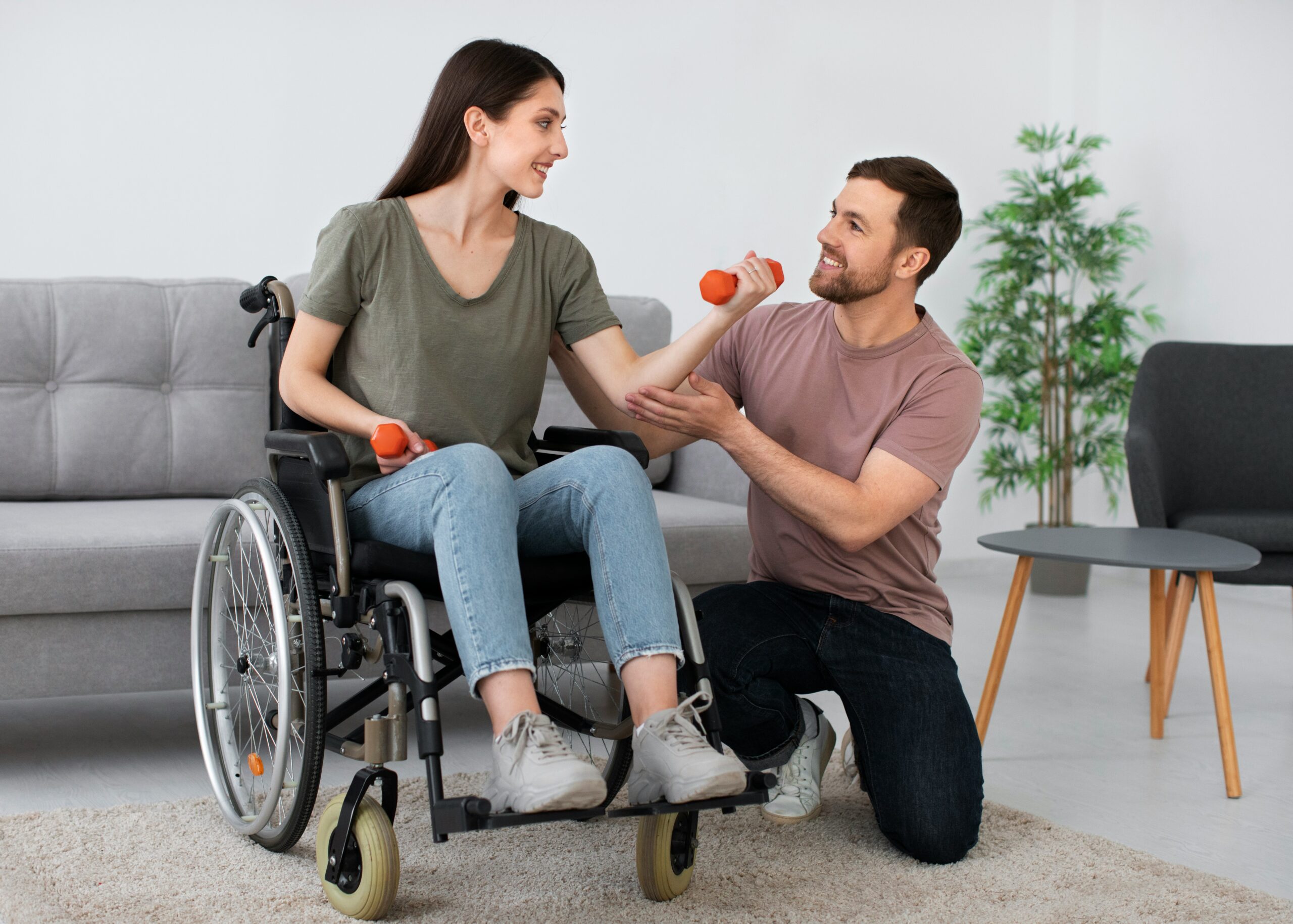
The most suitable disability aid is not necessarily the one with the most features. It is the one that matches the person’s physical needs, environment, activities and goals.
Poorly matched equipment can be uncomfortable, difficult to use and less helpful in supporting independence. A better match can make everyday movement easier and give users greater confidence in managing daily activities.
Understanding muscles, posture and movement provides a useful framework for comparing options. Combined with professional assessment and proper equipment fitting, movement science can help people with disability and their carers make more informed choices about the aids they rely on every day.
Written by Mikee Jugadora (om.mikee.lbt@gmail.com)