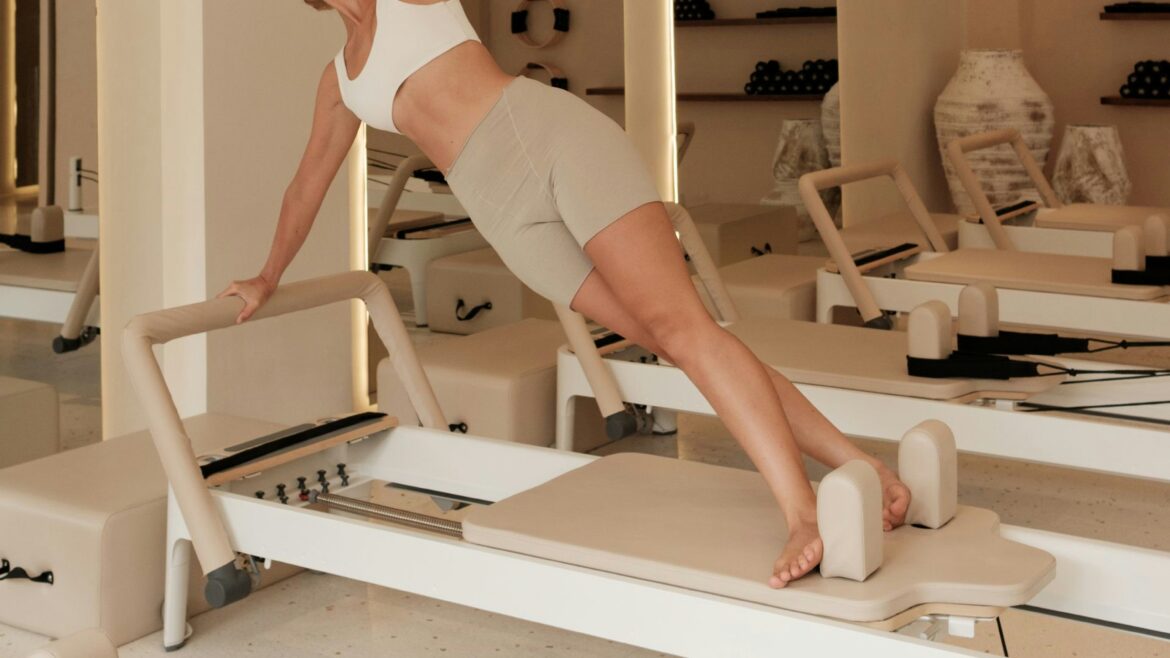
Many Pilates teachers feel that being qualified to teach Pilates is only the starting point. Many classes and workshops are available to help the teacher continue to learn and to improve their skills. Classroom experience, good communication skills and a desire to continue to learn are key to becoming a confident and effective Pilates teacher.
While teaching your first few Pilates classes, it is common to spend a lot of time remembering the various moves and exercises as well as maintaining perfect Pilates cues. Soon enough though, as you continue to teach more and more classes, you will naturally find yourself becoming a more confident instructor.
When first starting out as a Pilates teacher, it can be really helpful to focus on a few core skills that will help you to deliver great classes to your clients and become a more confident teacher.
Know the Fundamentals Thoroughly
Confidence starts with understanding the fundamentals of Pilates.
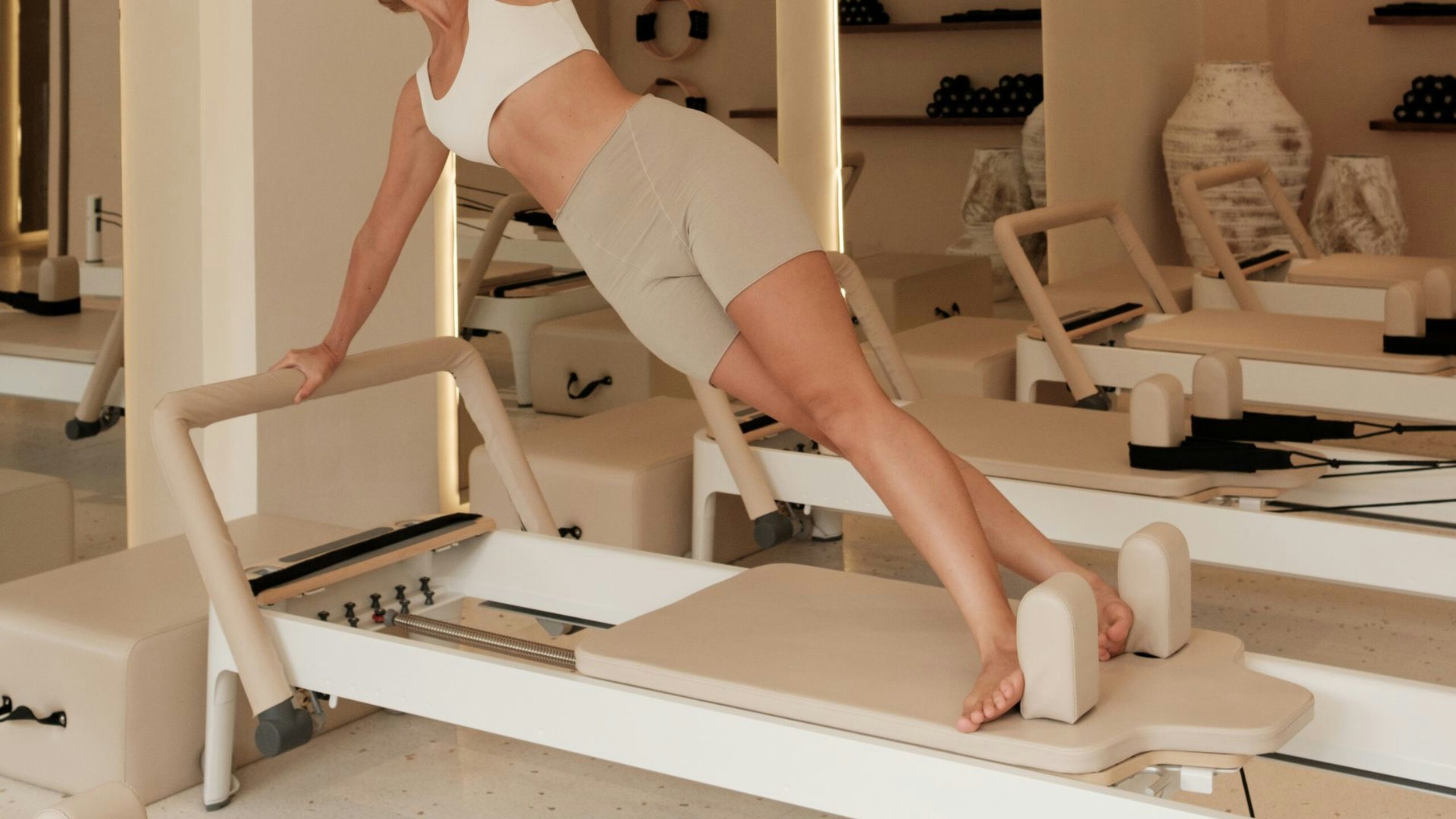
Knowing the fundamental principles of Pilates and how to apply them to students of different levels helps to build confidence in teaching. Be able to explain the basic movement principles, demonstrate the fundamental exercises, recognize common mistakes, and give suitable modifications to individual exercises.
Teaching Pilates from the front is challenging enough. Mastering simple movements and getting clients to perform them safely and correctly is more than enough to be getting on with at the beginning of your teaching career, without feeling the need to introduce new and complicated movements into your practice.
A simple class taught clearly and safely is usually more valuable than a complicated class that does not serve the client properly.
Plan Your Classes in Advance
Having a clear plan for your class helps to reduce teaching anxiety.
Plan your Pilates classes before you deliver them. What movements will you be delivering? How will the movements in your class progress? How will you link the individual movements together within your class?
The way you plan your Pilates classes does not have to be set in stone. Even on a daily basis, participants can arrive with injuries, reduced mobility, or with low amounts of energy.
Having an outline in place will enable you to be more flexible with the participants and still deliver a highly effective class.
 Practice Clear and Concise Cueing
Effective Pilates instruction depends heavily on communication.
Taking too long to explain an exercise can lose your clients’ interest and cause confusion.
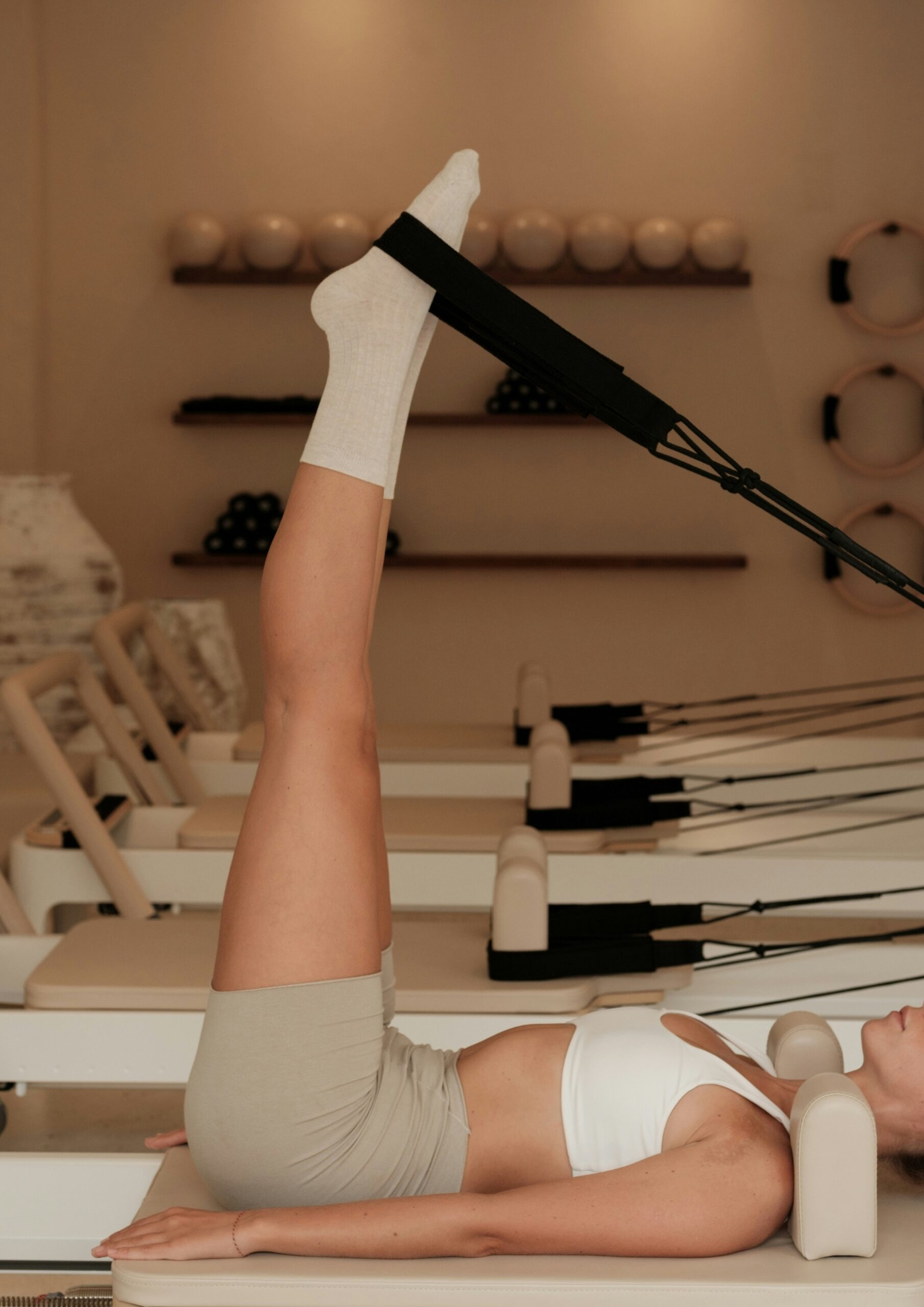
For example you could explain where a student’s feet are, which muscles they need to engage and where they feel the movement. Keep it short and simple, so that the students know what they need to do.
This can be done by mixing up the different ways in which information is given to participants. For example, after giving detailed explanation of an exercise, a demonstration can be given, or the information can be given in a different way.
Learn How to Observe Your Clients
Teaching Pilates involves more than demonstrating the exercises in front of the room.
Most of your time in class will be spent observing your students and answering questions.
Look for participants’ posture, their general alignment, whether or not they are using control, their breathing, and their comfort level. The Pilates instructor can then correct the participant, re-demonstrate the exercise, or provide the participant with a modification.
With more experience you will become more aware of a client’s movements. It may take a while to become able to spot a problem in a client’s movement very quickly but it is something that can be achieved with practice.
With more experience, you’ll quickly be able to spot all sorts of movement.
Become Comfortable Offering Modifications
Not every exercise will work for every client.
Participants come to your classes with different levels of strength, flexibility, coordination and experience of Pilates. Many of your class members will also be dealing with some kind of injury or other physical limitation.
Providing different versions of an exercise will allow all participants to practice at a level that is appropriate for their body.
The participant’s options should be presented in such a way that they feel that they have the option to choose from different versions of an exercise and that they can work at a level that is appropriate for their body.
Supporting participants’ to participate in practice in a supportive environment can make them more likely to return to your classes.
 Ask for Feedback
Feedback is one of the fastest ways to improve your teaching.
Ask an experienced Pilates instructor to observe a class or two and offer suggestions as to ways to improve. Ask your students for feedback after class and find out which of the exercises you taught were their favorite. Get suggestions for better ways to explain the actions of certain Pilates exercises.
You don’t have to act on every piece of feedback but if you receive consistent comments then these must be worth your while to change.
Watching a recording of yourself teaching a practice class is surprisingly valuable too. You’ll get to see how quickly you speak, how often you repeat the same information and whether you spend too long explaining how to do a movement and then demonstrate it rather than watching the student do it.
Think About Where Your Career Could Lead
As your confidence grows, your options as a Pilates instructor may expand.
You might begin teaching more private clients, specialize in a particular type of Pilates, develop workshops, teach online, or eventually consider opening a Pilates studio.
There is no single career path that every instructor needs to follow. Some people enjoy teaching group classes several times a week, while others want to build a larger wellness business.
Understanding your long-term goals can help you decide which skills and professional experiences to prioritize.
Keep Developing Your Skills
The more you practice, the more confident you will become.
Go to Pilates classes and practice the exercises too, learn from more experienced teachers, read about movement and anatomy, and test out new ways of explaining exercises.
Most importantly, stay focused on your clients.
Your clients are not going to remember if you used the perfect words to cue a movement. What they will remember is whether you made them feel safe, supported and stronger after your class!
With technical knowledge, clear communication and a genuine interest for your students, you will become a good Pilates instructor in no time.
Written by Lea Collins (lea@sapurex.com)