 The dry month has become a fixture. January for most, October for some, and a growing number of people who do it whenever they notice the wine’s become a habit rather than a pleasure. The claims made for it range from the modest to the miraculous, and it’s worth knowing which is which. The research, including a series of studies on people doing Dry January, is fairly consistent about what changes, when, and by how much.
The First Few Days
For a moderate drinker, the first days are unremarkable, with perhaps some irritability and a stronger urge for something at the usual time. Sleep is often worse before it’s better; alcohol helps people fall asleep and then wrecks the second half of the night, and the body takes a few days to readjust. Anyone who’s been drinking heavily and daily may experience real withdrawal, with tremors, sweating and anxiety, and that’s a reason to talk to a GP before stopping, not after.
Week One: Sleep
This is the first and largest change most people notice. Alcohol suppresses REM sleep and produces frequent waking in the early hours, so a drinker who thinks they sleep well is usually getting more hours and less rest. Within a week of stopping, most people report deeper sleep, fewer wakings and a noticeable difference in how the morning feels.
It’s often the moment people realise how much of their tiredness was the wine. It’s also the moment the bedroom gets looked at properly for the first time in years, because once alcohol’s out of the picture, the other things that disturb sleep become obvious: the light, the temperature, the partner who moves, the mattress that dips. Plenty of people use the dry month to explore mattresses engineered for comfortable sleep and the rest of the bedroom, on the reasonable grounds that if they’re going to get the sleep back, they may as well get all of it.
Week Two: Skin, Weight, Mood
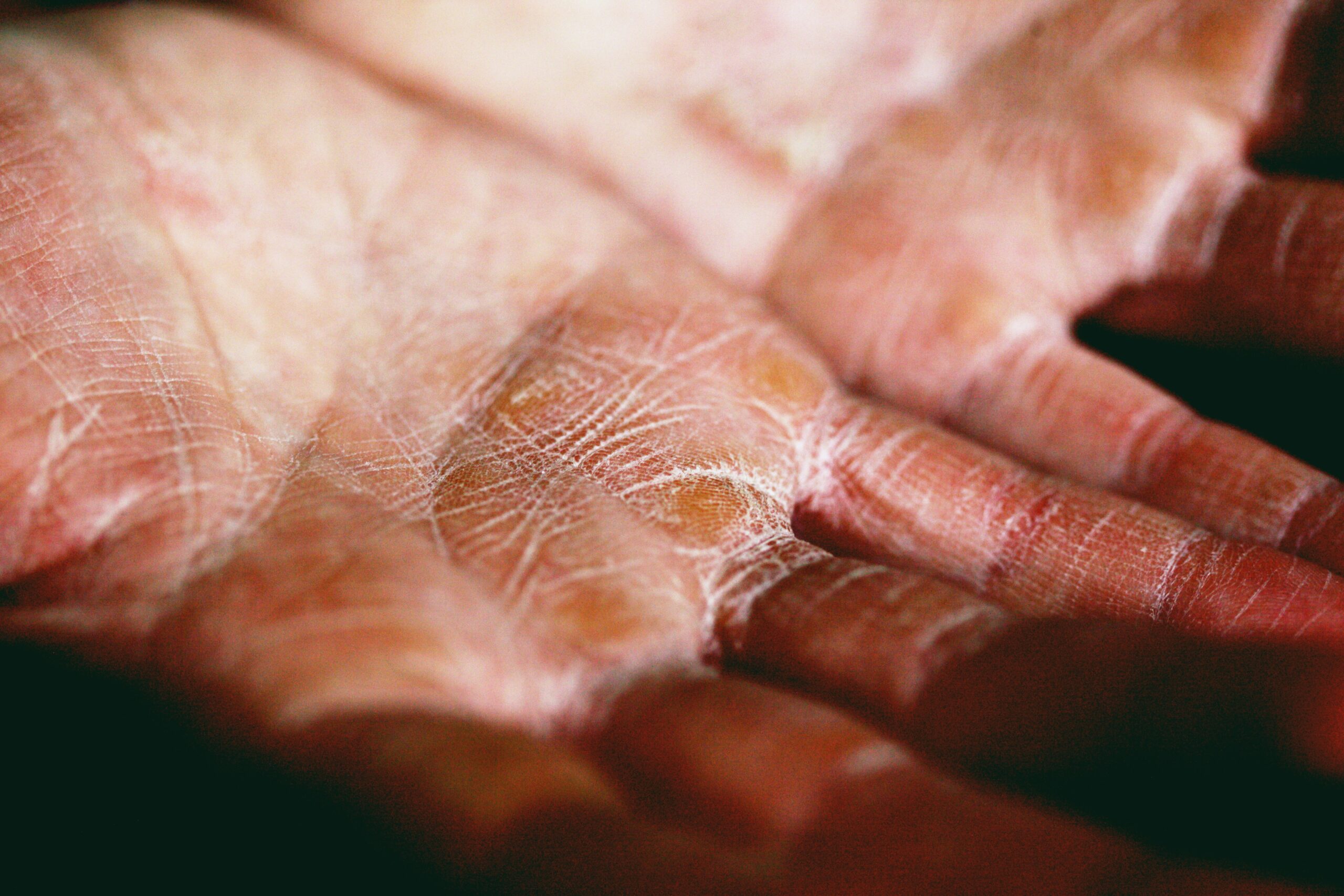 Alcohol dehydrates and inflames, and skin shows it. By the second week, most people notice clearer, less puffy skin and brighter eyes. Weight starts to move if the drinks were calorie-heavy and haven’t been replaced with something else; a bottle of wine is around 600 calories, and a month without it adds up.
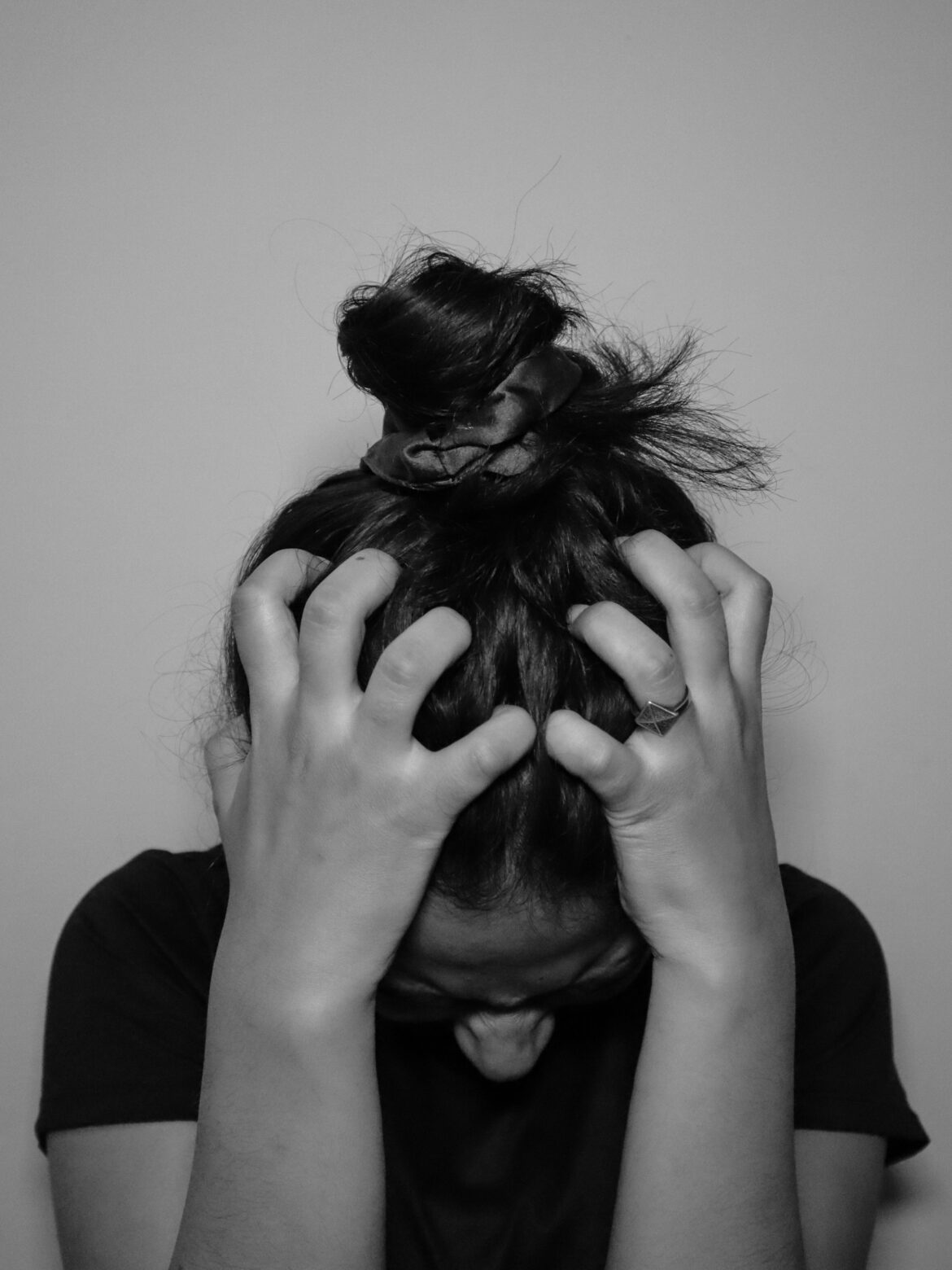
Mood is more variable. Some people feel better within days; others feel flat for a couple of weeks, particularly if drinking had been doing the work of relaxation. Anxiety often improves, because alcohol’s calming effect is followed by a rebound the next day that people rarely connect to the drink.
Weeks Three And Four: The Numbers
Studies of moderate drinkers abstaining for a month have found measurable improvements in blood pressure, in insulin resistance, in liver fat and in markers of inflammation, and reductions in cancer-related growth factors. These are real, and they’re the reason doctors take the dry month seriously. They’re also modest in absolute terms for a moderate drinker and reverse if drinking resumes at the old level.
The liver recovers fast in the absence of serious damage. A month is enough for fat in the liver to fall significantly in people who’d been drinking above the guidelines.
What Doesn’t Change
Not everything improves in a month. Blood pressure benefits are small for people whose drinking was light. Weight doesn’t move if the calories are replaced with sugar. And the deeper changes, in cancer risk, in heart health, in the brain, come from long-term reduction, not thirty days.
The dry month is also not a reset that earns a return to heavy drinking in February. The research on Dry January participants is encouraging here: a majority report drinking less six months later, which suggests the month’s main value may be in what it teaches rather than what it repairs.
Money is the change nobody puts in the studies and everyone notices. A month’s drinking, at pub prices or supermarket prices, is a sum that surprises most people when it’s added up, and it tends to get spent on something visible, a weekend away, a piece of furniture, the bedding that was mentioned above, which makes the month feel less like a deprivation and more like a trade.
 The Social Part
It’s harder than the physical part for most people. The pub, the dinner, the Friday habit. What works: telling people in advance, having a default order that isn’t a soft drink from the children’s menu (soda and lime, a decent alcohol-free beer, a tonic with the usual garnish), and going to the things anyway. The people who drop out of social life for the month tend to drink more when it ends.
The Habit Underneath
The most useful thing a dry month reveals is what the drink was for. Stress. Boredom. A marker that work is over. Sleep. Once that’s clear, the choice about what to do next is a real choice rather than a default. Some people go back to drinking as before. Many drink less, or differently. A few discover they were closer to a problem than they’d thought and use the month as the start of something longer.
The Bottom Line
A month without alcohol improves sleep within a week, skin and mood within two, and blood pressure, liver fat and insulin sensitivity within four. The changes are real and modest for moderate drinkers, and they reverse if nothing else changes. The lasting benefit is the information: how much of the tiredness, the poor sleep and the low mood was the drink, and what to do about it once that’s known.
Written by Sagar Chawla (sagar.linclogy@gmail.com)