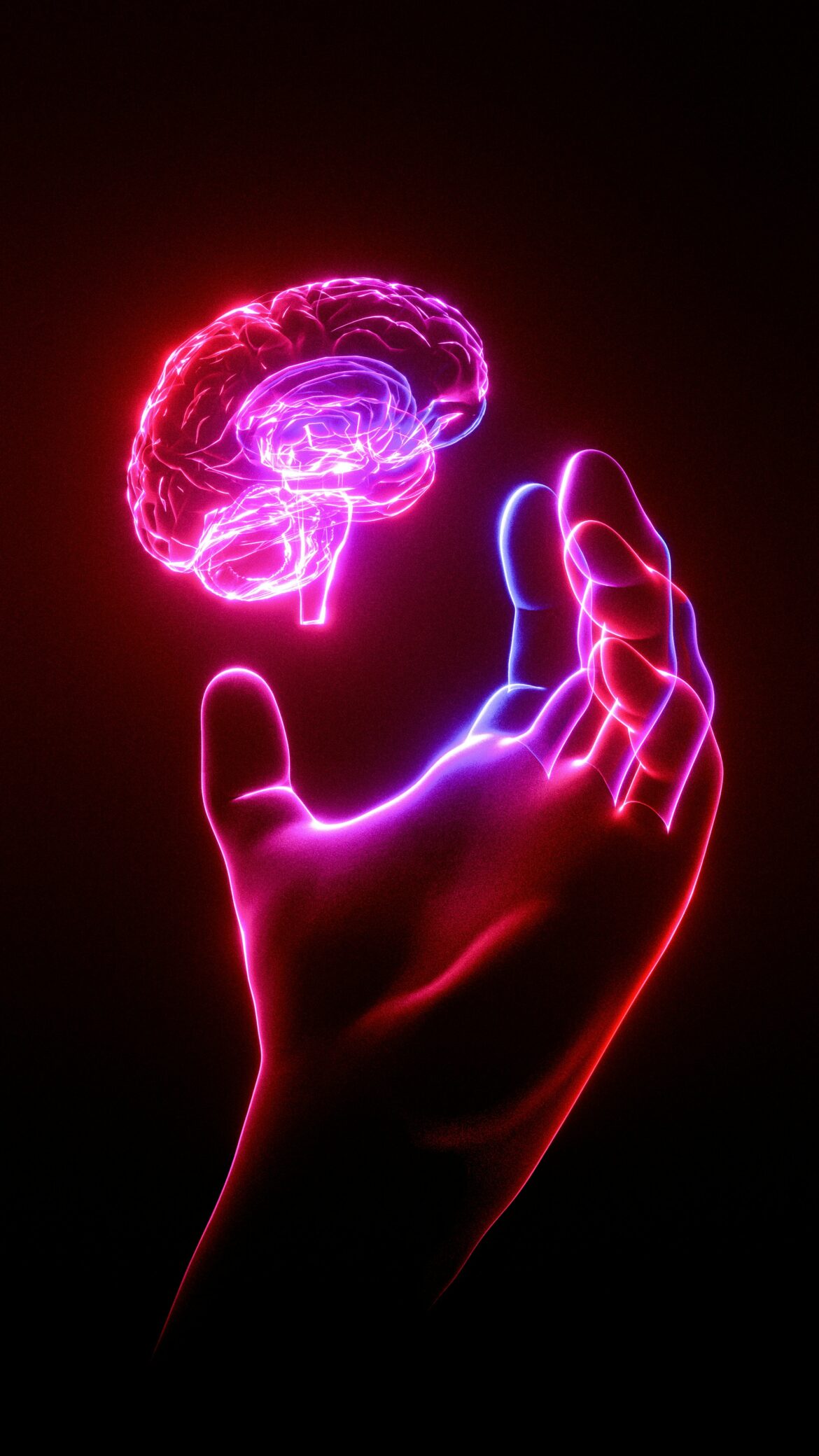
 It has long been supposed that “muscle memory” is stored in the muscles. In fact, however, the sort of control that becomes automatic through repetition is produced by the brain, and supplied to the muscles. Many people have, at some time or another, learned to ride a bicycle, to type on a keyboard, or to perform some other physical task hundreds of times, and have found that after a while or even suddenly, they could do it without thinking about it. In the case of massage therapists, bodyworkers and others with hands-on jobs, having some understanding of how this process works can be very valuable for training others as well as for perfecting one’s own skills.
The Brain Systems Behind Automatic Movement
These lower brain structures (basal ganglia and cerebellum) are responsible for enabling highly complex, learned actions to be performed automatically. Initially a motor activity requires considerable cortical (highest level of brain) involvement including the motor cortex, which is responsible for Voluntary Movement, and other cortical regions which are associated with attention and higher order thought. But as we master a skill, the activity of the motor cortex and the other above-mentioned structures is diminished and the activity of the basal ganglia and cerebellum is increased. This activity is below the level of conscious awareness and so we are no longer aware of the complexity of the action.
Where This Shows Up in Skill-Based Training
Any training program built around repeated physical technique is, in effect, training this same brain system on purpose. Massage school and a cosmetology program both build automatic movement through deliberate repetition, even though the techniques look nothing alike. This same process occurs for massage students practicing various strokes and also the various parts of the draping process. Cosmetology students too practice cutting, various angles, and sectioning until their hands begin to function automatically. The end goal for all of them is to develop a physical activity that enables them to focus on their client.
What Procedural Memory Actually Stores
This kind of learning lives in a category of memory that works differently from remembering facts or events. Procedural memory stores the how of a task rather than the what, which is why a trained hand can execute a movement correctly without fully explaining each step out loud. It develops through repetition rather than a single exposure, and unlike memory for facts, it holds up relatively well against normal aging and even some forms of memory loss.
How Repetition Physically Changes the Brain
 Repeating a movement does not just strengthen a habit in the abstract. It produces measurable, physical changes inside brain tissue that scientists can track. In a 2026 brain-imaging study, learning a new motor sequence triggered two distinct responses in the brain, a short-term swelling in active cells followed by lasting growth in the connections those cells use to communicate. The lasting change showed up in the regions tied to the skill practiced, growing stronger as performance improved.
Why This Matters for Trained Practitioners
This doesn’t matter for scores of professionals working with their hands. A massage therapist, or body worker, for instance, would now be able to focus his or her attention to the client while the technique he or she is using is becoming second nature to them. This would enhance the overall work that they do as well as their longevity as practitioners. It will also help in teaching their particular craft effectively.
Written by Sara Edwards (admin@digitallyunique.com)