
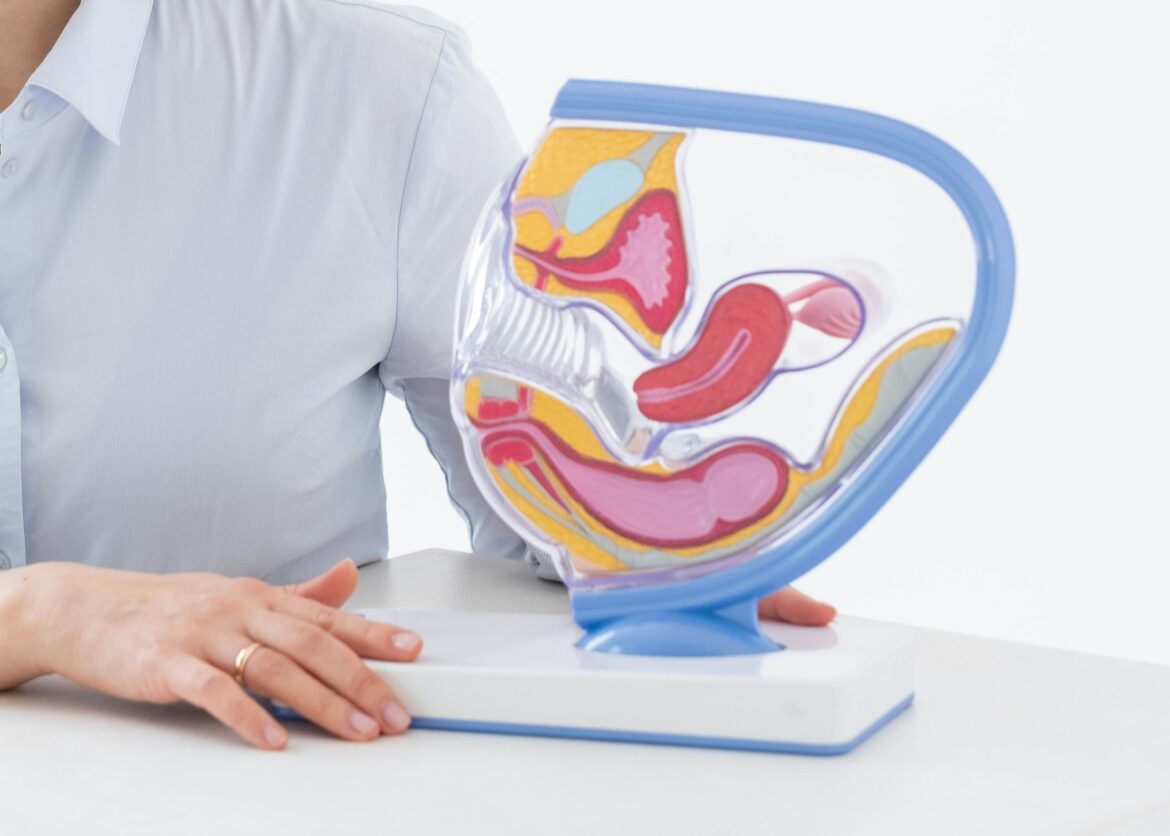
Sports hernia and inguinal hernia can both cause groin pain, but they differ: a sports hernia usually involves injured soft tissue around the pubic region, while an inguinal hernia occurs when tissue pushes through a weak spot in the lower abdominal wall. Because both conditions can cause pain in a similar area, identifying which tissues are involved is important for choosing the appropriate treatment.
- A sports hernia is usually a soft-tissue injury, not a true hernia.
- An inguinal hernia often causes a groin bulge, especially with straining.
- Symptoms can overlap, so pain alone can’t always identify the cause.
- Treatment depends on the structure that’s injured or weakened.
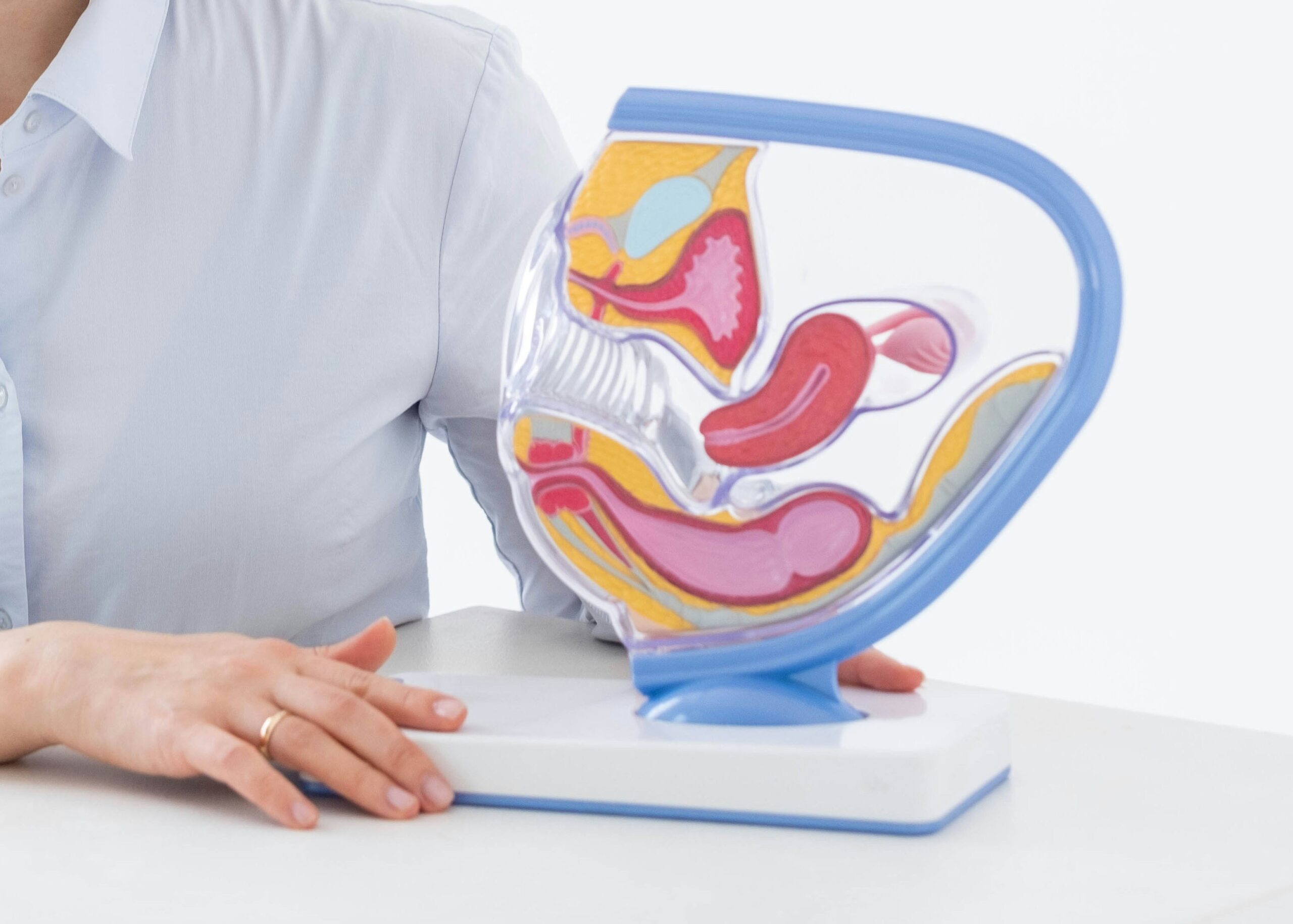
The Key Differences Between Sports Hernia and Inguinal Hernia
The biggest difference is the structure involved: a sports hernia usually affects soft tissues around the pubic region, while an inguinal hernia involves a weakness in the abdominal wall that allows tissue to protrude.
A sports hernia, also called athletic pubalgia, can affect muscles or tendons near the pubic bone. It often causes pain during sprinting, kicking, twisting, or sudden direction changes. There may be no visible lump, and pain can improve with rest but return during sports.
An inguinal hernia occurs when fatty tissue or part of the intestine pushes through a weak area in the lower abdominal wall, often through the inguinal canal. A bulge may become more noticeable when standing, coughing, lifting, or straining and shrink when lying down. Some people have pain or pressure without an obvious lump.
Treatment differs too. Sports hernia care often starts with activity modification and physical therapy, while a symptomatic inguinal hernia may need surgical repair because its structural weakness doesn’t close through exercise alone.
How the Anatomy Shapes Symptoms
To understand sports hernia vs inguinal hernia, look at how the pain behaves and whether a bulge appears, although neither clue is enough by itself.
|
Feature |
Sports hernia |
Inguinal hernia |
|
Main problem |
Soft-tissue injury around the pubic region |
Weakness or opening in the abdominal wall |
|
Visible bulge |
Usually absent |
Often present, but can be intermittent |
|
Common triggers |
Sprinting, kicking, cutting, twisting |
Coughing, lifting, straining, standing |
|
Pain pattern |
Groin or lower abdominal pain that returns with activity |
Pressure or aching that can increase with strain |
|
Typical setting |
Often athletes and active adults |
Can affect anyone |
Sports hernia symptoms may ease with rest but return when an athlete resumes cutting or kicking. Pain can spread toward the inner thigh and sometimes the scrotum.
Inguinal hernia symptoms may become more noticeable as pressure rises inside the abdomen. A bulge can appear with coughing or straining and become less obvious when lying down. The absence of a visible bulge does not completely rule out an inguinal hernia.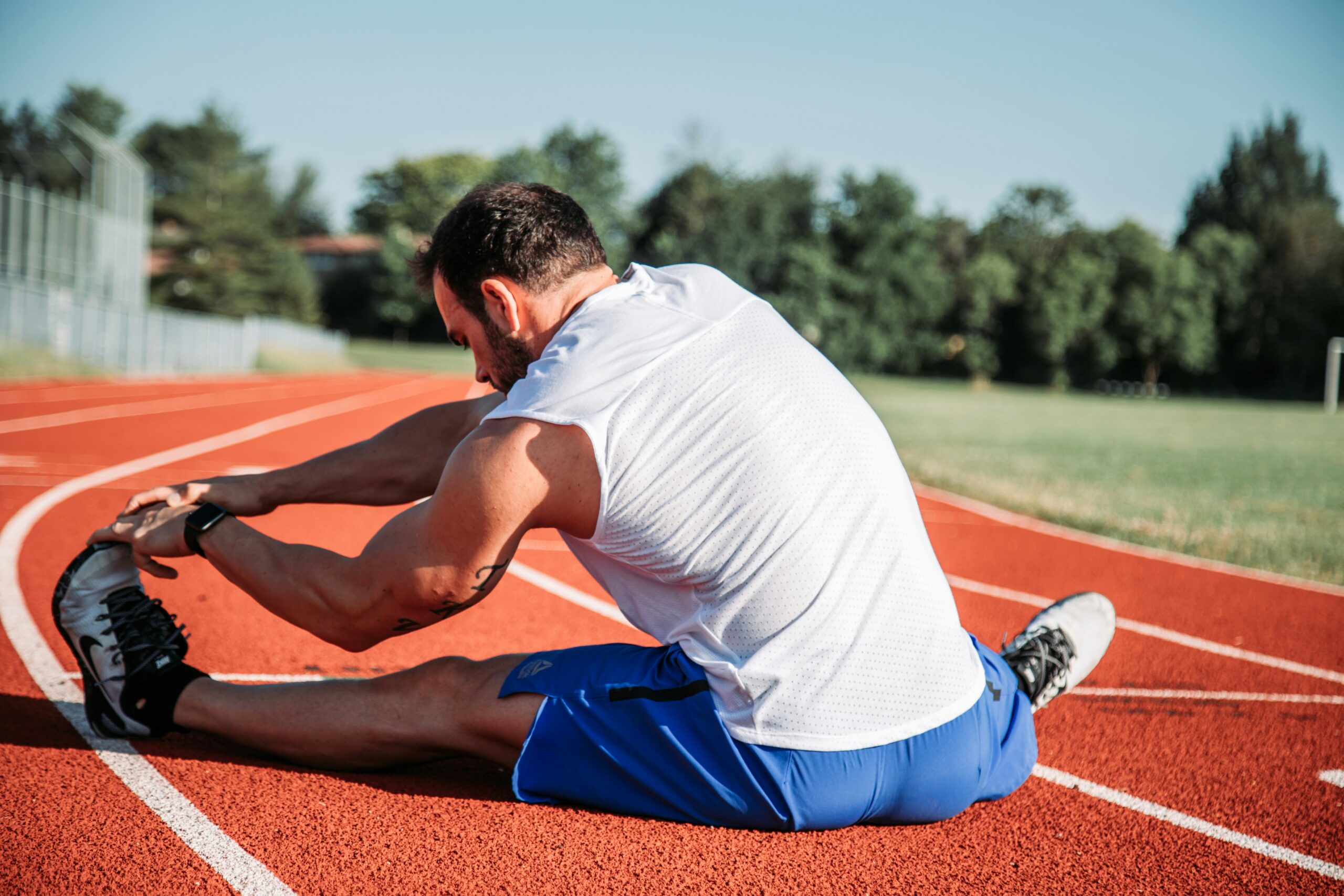
How Doctors Tell These Two Groin Conditions Apart
Doctors usually begin with the symptom history and a physical exam. Imaging is added when findings don’t clearly explain the pain or another condition needs to be ruled out.
- Check for a bulge: An inguinal hernia may be easier to see or feel while standing, coughing, or straining.
- Reproduce the pain: Sports hernia pain may appear with resisted abdominal or hip movements.
- Rule out mimics: Adductor injuries, hip problems, and inflammation around the pubic bone can resemble athletic pubalgia.
- Use imaging when needed: MRI can assess soft-tissue injury when a sports hernia diagnosis is uncertain.
Neither pain location nor the presence of a bulge can confirm the diagnosis on its own. Groin pain without a bulge can have several causes, so an examination is more useful than relying on the term “sports hernia.”
Treatment Depends on Which Condition You Actually Have
Sports hernia treatment usually starts with activity modification, pain management, and targeted physical therapy. If symptoms continue despite conservative care, a specialist may consider surgery.
An inguinal hernia is different because the weakness is structural. Physical therapy may improve strength, but it doesn’t close the opening through which tissue protrudes. When repair is recommended, Inguinal Hernia surgery addresses the weakened area of the abdominal wall, with mesh commonly used to reinforce the repair.
The treatment plan depends on which tissue is injured and whether an abdominal wall defect is present. If groin pain continues or returns with activity, an evaluation can help determine when it is appropriate to return to sport.
Frequently Asked Questions
Can you have a sports hernia and an inguinal hernia at the same time?
Yes, the two conditions can occur together. A medical examination may be needed to identify each source of pain.
Does a sports hernia cause a visible lump?
Usually it doesn’t cause the classic bulge associated with an inguinal hernia. Pain can still be significant without visible protrusion.
Can an inguinal hernia hurt without a bulge?
Yes, an inguinal hernia can cause pain or pressure even when the bulge is small or comes and goes. A physical exam can help confirm it.
Can a sports hernia heal without surgery?
Yes, many cases are first treated with activity changes and physical therapy. Surgery may be considered if symptoms persist.
Should I see a doctor for recurring groin pain after exercise?
Yes, recurring pain deserves an assessment, especially if it limits sport or daily activities. An accurate diagnosis helps guide treatment.
Conclusion
Symptom patterns can suggest one condition over the other, but they cannot confirm the cause of groin pain. Activity-related pain without a bulge can point toward athletic pubalgia, while a new groin bulge or strain-related pressure makes an inguinal hernia more likely. A clinician can confirm the cause and guide treatment before you return to strenuous exercise or sports.
Written by managersharafat@gmail.com