

The rowing machine in the garage is almost a cliché at this point. Bought in a burst of conviction sometime in January, used hard for maybe five weeks, and then quietly repurposed into a shelf for a box of Christmas lights, which is where it stays until somebody mentions it at a cookout and everybody laughs the laugh people laugh when something’s a little too close to home. In Maryville, nobody who does this is lazy. They’re working long shifts and raising kids and the equipment was supposed to patch a calendar that didn’t have a spare half hour in it anywhere.
Which is how most of this goes, honestly.
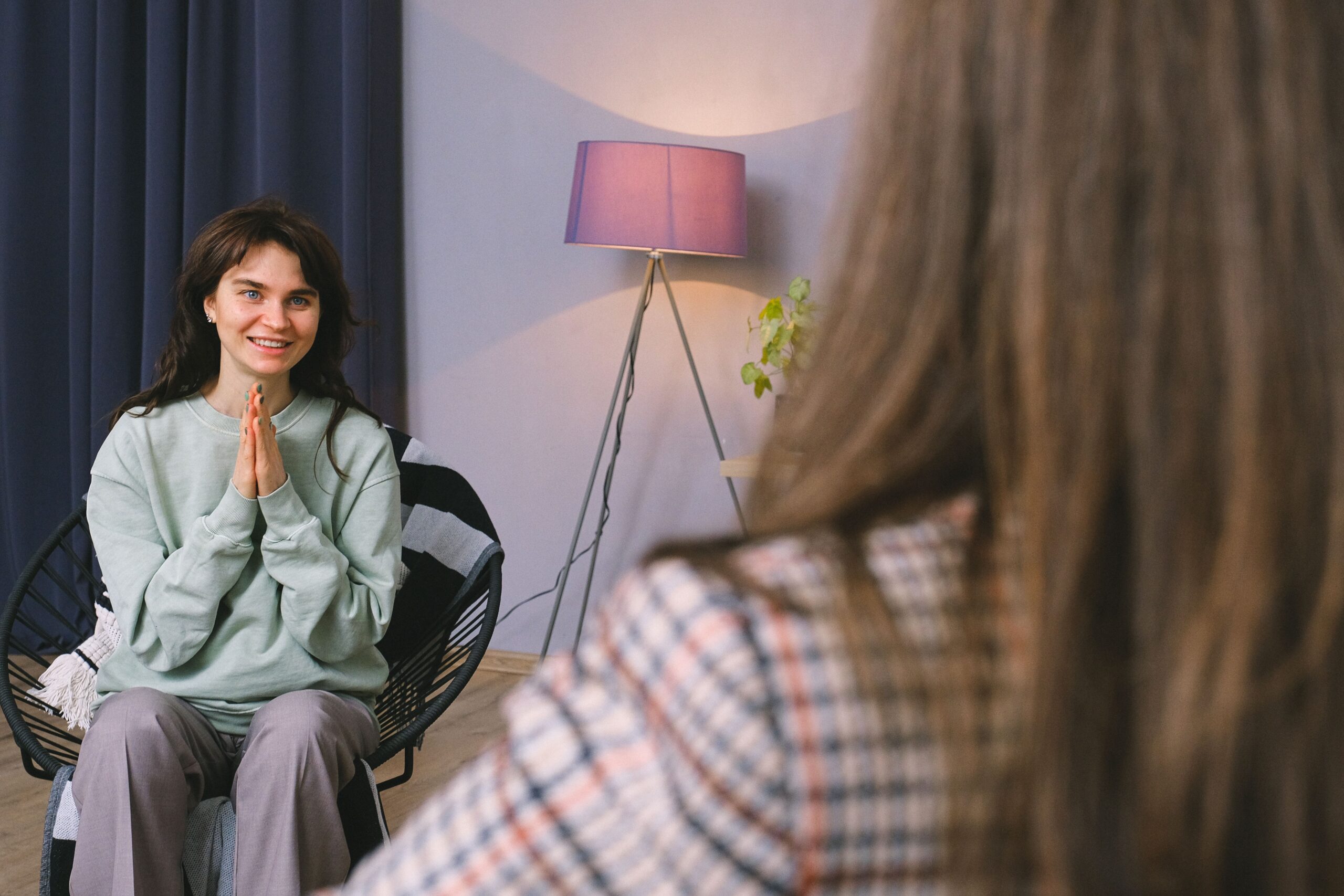
Something’s Probably Draining You, And Nobody’s Checked
Can’t stack good habits on top of a hole in the floor.
Untreated sleep apnea. Ferritin sitting at 14 when it ought to be north of 50. Four drinks a night that started as one after work a few years back and crept so slowly there’s no particular evening anyone could point at and say, right there, that’s where it went sideways. Build a flawless routine on top of any of that, and you’ll get close to nothing out of it, and then the conclusion will be that the routine was junk. Or that you are. Neither one’s true. For the drinking especially, structured programs exist, and plenty of people start with addiction recovery in Maryville instead of trying to white-knuckle the whole thing at the kitchen table at two in the morning.
Patch the hole. Then worry about the water.
Regularity Beats Hours
Bed at eleven, then one, then half past midnight, and the body treats that about the way it’d treat a weekly flight across two time zones and back. You pay for it around three in the afternoon. So you drink coffee, which pushes bedtime out, which widens the gap, and the loop just keeps closing on itself without anybody noticing because every single night seems more or less fine.
Here’s the odd part. Core temperature has to drop roughly a degree before sleep will actually start, so a hot bath ninety minutes before bed helps you, because of the rebound cooling, while the same bath fifteen minutes before bed works against you. Nobody tells you that one.
Wake time stays nailed down regardless. Especially after a rotten night, because sleeping in to settle the debt doesn’t settle anything; it just rolls the whole thing forward to tomorrow.
Two Sessions You Actually Keep
 Six workouts written on a calendar lose to two that happen.
Lifting twice a week covers the stuff that matters in thirty years. Bone density, insulin sensitivity, whether getting up off a bathroom floor unassisted at seventy-eight is a thing you can still do. Past that you’re just optimizing, and optimizing is for people who’ve already got the basics running. Walking handles the aerobic half and has the one advantage nothing else has, which is that you’ll still do it when it’s raining and you’re tired and you’d rather not. A 2023 pooled analysis across 226,000 people put the steepest drop in mortality somewhere between 2,500 and 7,000 steps a day, with the curve flattening out hard after that. Sedentary to modest is where nearly the whole prize is sitting.
And fifteen minutes of walking after dinner does more to the post-meal glucose curve than most of what gets sold in a bottle for exactly that purpose.
Protein First, Fiber Second, Then Whatever’s Left
Protein gets missed badly, almost universally. Somewhere around 0.7 to 1 gram per pound of goal bodyweight if there’s lifting involved, which works out to 120 through 170 grams for somebody aiming at 170 pounds, and eating purely by appetite will never once get you there.
Fiber’s the other miss. Recommendation sits near 30 grams a day. American average runs about 15. That gap changes which bacteria set up shop in the gut, which changes short-chain fatty acid production, which turns out to move mood in ways nobody took particularly seriously twenty years ago.
A plan with zero slack in it dies at the first wedding it meets.
Change The Room, Not The Resolve
Willpower’s a lousy engine. Runs dry at exactly the hour it’s needed.
So the shoes go by the door and the wine goes out in the garage instead of the counter, and the app gets logged out so climbing back in costs twelve seconds of typing, which sounds like nothing and cuts usage by a genuinely real margin in the friction research. The goal was never to become a sturdier person standing in front of an open pantry at ten at night. The goal is that ten at night is uneventful, and that got decided Saturday morning at the grocery store, where the deciding happens once and then stops.
Put The People In The Calendar
Loneliness carries mortality risk roughly on par with fifteen cigarettes a day across a handful of meta-analyses. That number gets quoted in every wellness piece written since about 2017 and has apparently changed nobody’s calendar.
Because adult friendships almost never end in a fight. They end in logistics, two people both meaning to call and neither one managing it for a year and a half. So they go in the calendar like a dentist appointment. Standing Thursday call, Sunday walk with the same neighbor, something small that repeats. Eleven minutes on the phone beats the reunion that keeps getting postponed.
It Takes Longer Than Anybody Budgets For
Week six is where people walk. Mirror looks identical, scale dropped four pounds back in February and then just sat there.
Different tissues run on different clocks. Mitochondrial density shifts inside a few weeks, tendons remodel across months, bone works in six-month blocks and has no particular interest in anybody’s timeline. Mood tends to move first, which is the only early signal there is, and it gets dismissed constantly because it isn’t a number on a screen.
So track something else. Resting heart rate. Whether two flights of stairs still leaves you breathing through your mouth at the top. Whether the three o’clock coffee is still mandatory.
It compounds. Just never on the schedule anybody had in mind.
Written by faizanali.pnc@gmail.com