

 Completing a major operation is not the end of surgical care. In the hours and days that follow, changes in breathing, circulation, alertness, and wound condition can signal complications that require prompt attention. Monitoring provides the information clinicians need to distinguish expected recovery from deterioration.
When a serious setback raises questions about the care provided, patients and families may consult Tiano O’Dell, PLLC to examine what staff observed, when concerns were reported, and how the hospital responded. The relevant question is not whether every complication was preventable. It is whether the care team recognized and addressed warning signs according to the circumstances.
The First Handoff Carries More Than a Patient’s Name
Moving from the operating room to the recovery unit transfers responsibility between professionals. The receiving team needs to understand what procedure was performed, which medications were given, any complications during surgery, and what changes require immediate attention.
The Agency for Healthcare Research and Quality (AHRQ) identifies incomplete handoffs as a patient-safety concern. Its guidance emphasizes a clear patient summary, outstanding tasks, and contingency plans. A stable reading during transfer does not eliminate the need to communicate risks that might emerge later. Monitoring begins with knowing what to watch for.
One Reassuring Reading Cannot Explain a Changing Condition
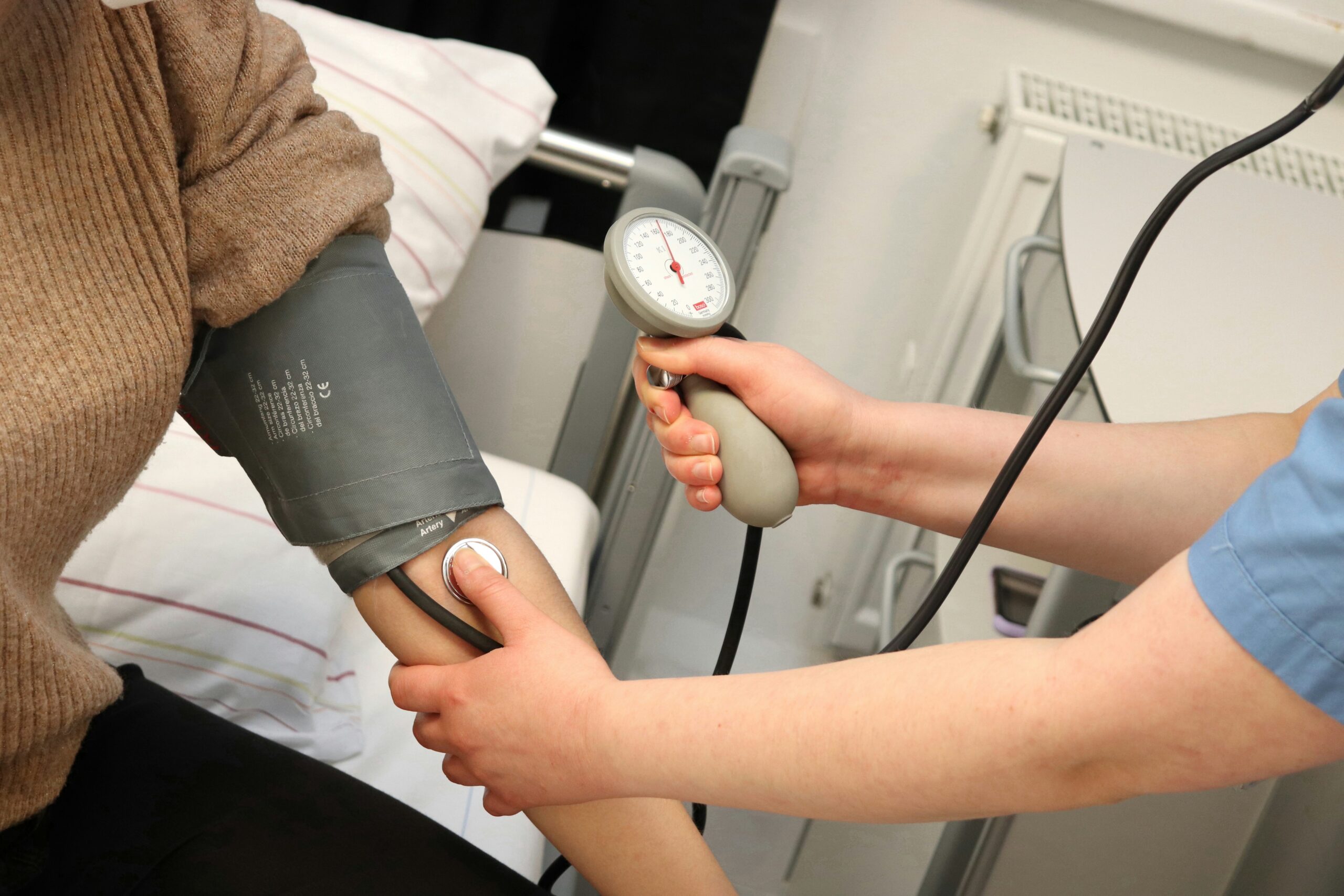
Blood pressure, pulse, oxygen saturation, breathing rate, temperature, and level of consciousness help clinicians assess recovery. Their significance often depends on changes over time and the patient’s overall condition, not one measurement taken in isolation.
AHRQ describes early recognition of deterioration as central to preventing failure to rescue. Monitoring plans may differ by operation and patient risk. The useful question is whether staff assessed the relevant signs at appropriate intervals, recognized concerning trends, and responded when the patient’s condition changed.
Pain Medication Can Complicate the Breathing Picture
Pain relief is part of recovery, but some opioid medications can suppress breathing or increase sedation. A patient who appears to be sleeping may still need an assessment of respiratory status and responsiveness, particularly when receiving patient-controlled opioid medication.
AHRQ’s patient-safety analysis of opioid-induced respiratory depression discusses monitoring pain, sedation, oxygenation, and ventilation. Pulse oximetry measures oxygen saturation; capnography can provide information about exhaled carbon dioxide. Neither a device nor an alarm substitutes for evaluating the patient and acting on concerning findings.
Blood Loss Demands Attention Beyond the Dressing
 Visible drainage is only one clue to postoperative bleeding. Depending on the procedure, concerning changes in circulation, symptoms, or laboratory findings may prompt clinicians to investigate bleeding that is not apparent from the incision.
The nature of the surgery determines what observations and tests are appropriate. Monitoring therefore includes comparing the patient’s condition with what the surgical team expected, reviewing abnormal results, and contacting the responsible clinician when a change requires assessment. The presence of bleeding alone does not establish that monitoring was negligent; the response to emerging evidence matters.
Clot Prevention Continues After the Operating Room
Major surgery and limited movement increase the risk of venous blood clots, according to the Centers for Disease Control and Prevention (CDC). A clot in a deep vein can cause swelling or pain; a clot reaching the lungs can produce sudden breathing difficulty or chest pain and requires emergency medical attention.
Postoperative teams assess individual risks and may use preventive measures such as prescribed medication or assisted movement when medically appropriate. Monitoring also means recognizing symptoms despite preventive treatment. Families can report new leg swelling or unexpected breathing problems rather than assuming they are ordinary effects of recovery.
Wound Changes Need Context, Not Automatic Reassurance
Some discomfort and wound changes are expected after surgery, but increased redness, swelling, persistent drainage, fever, or worsening pain can call for medical assessment. The American College of Surgeons identifies these findings among reasons to contact a surgeon.
The presence of a symptom does not prove infection. Clinicians need to assess the timing, examination findings, and relevant tests. Effective follow-up includes documenting the concern, determining whether examination or treatment is necessary, and explaining which symptoms require prompt reassessment after discharge.
Recognition Is Only the First Part of Rescue
 A monitor may sound, a nurse may identify an abnormal sign, or a patient may report feeling suddenly worse. The safety benefit depends on what happens next: communicating the concern, reassessing the patient, and obtaining help at a level appropriate to the urgency.
AHRQ describes failure-to-rescue problems through three stages: failure to recognize, relay, and react. Hospitals use escalation procedures and rapid-response teams to address deterioration. Records showing an alert without the subsequent assessment tell an incomplete story; so do records of treatment without its timing.
Discharge Requires a Plan for What Comes Next
Leaving the recovery area or hospital changes who will notice a problem. Before discharge, patients need understandable directions about medication, activity, follow-up appointments, wound care, and symptoms requiring urgent attention.
The American College of Surgeons advises patients to contact their surgeon about worsening wound symptoms and persistent pain. The CDC identifies breathing difficulty and chest pain among warning signs of a possible pulmonary embolism that require immediate care. A written plan, appropriate to the procedure, makes it easier to distinguish a routine question from a medical emergency at home.
A Complication Is Not Automatically Malpractice
Under West Virginia Code §55-7B-3, a medical professional liability claim generally requires proof that a provider failed to meet the applicable standard of care and that the failure proximately caused injury or death. A poor outcome by itself does not establish either element.
A review may compare observation charts, medication administration records, nursing notes, physician notifications, test results, and transfer or discharge instructions. The chronology helps determine whether an actionable warning was missed and whether a different response could have prevented additional harm. Expert medical evaluation is often necessary to answer those questions.
Monitoring Turns Information Into Timely Care
Good postoperative monitoring is more than collecting vital signs. It connects clear handoffs, individualized observation, accurate communication, and action when a patient deteriorates. Patients benefit when concerns are assessed rather than dismissed and when the plan for continued recovery is understood.
The goal is not to promise a complication-free recovery. It is to make developing problems visible early enough for clinicians to respond appropriately.
Written by davidsmith.7713361@gmail.com