

An injury in one of your muscles is always pretty punchy. Whether it’s a pulled hamstring from five aside, a torn rotator cuff from lifting too much weight, or even a strain from everyday movements, the frustration is huge because it’ll impact your everyday life. Getting back into any kind of routine with a damaged muscle is going to suck. You’ll feel it in every movement and if you’re not careful you could make it even worse and ensure your recovery is pushed back.
Muscle injuries are common but knowing how to respond and recover will make a difference regarding how quickly you’re back at it.

Understanding the Injury First
Not all muscle injuries are created equal. Some might just need a few days of rest, while others could require weeks (or even months) of rehab. The most common muscular injuries include:
- Strains: Overstretching or tearing of the muscle fibers
- Tears: Partial or complete rupture of the muscle
- Contusions: Muscle bruises caused by blunt trauma (these are rare)
- Cramps or spasms: Often due to overuse or dehydration
The key to effective recovery is accurate diagnosis. Don’t try to “tough it out” if pain is sharp, persistent, or affects your range of motion. A professional assessment early on can help you avoid turning a small issue into a chronic one. That said, if it’s something you’ve had before and know how to deal with you can hugely help yourself in recovery.
Give Your Body What It Needs
Once a muscle is injured, your first priority should be to reduce inflammation and prevent further damage. Physios, personal trainers and sports doctors often call this the RICE method:
- Rest: Avoid using the affected muscle
- Ice: Apply cold packs to reduce swelling
- Compression: Use bandages to support the area
- Elevation: Keep the muscle elevated to minimize swelling
It’s not glamorous, but these first steps set the stage for everything that comes after. Depending on the severity, your doctor or physio might also recommend anti-inflammatories, heat therapy (after the initial 48 hours), or gentle massage.
The Rehab Phase: Slow and Steady Wins the Race
As your body heals the muscle, the next challenge is rebuilding strength and flexibility without rushing the process. This is where many people go wrong. The muscle might feel better but that’s because you’re not putting it under any strain. As soon as you lift weight or do the same thing that caused the injury you’ll feel it there again.
Here’s what smart rehab often looks like:
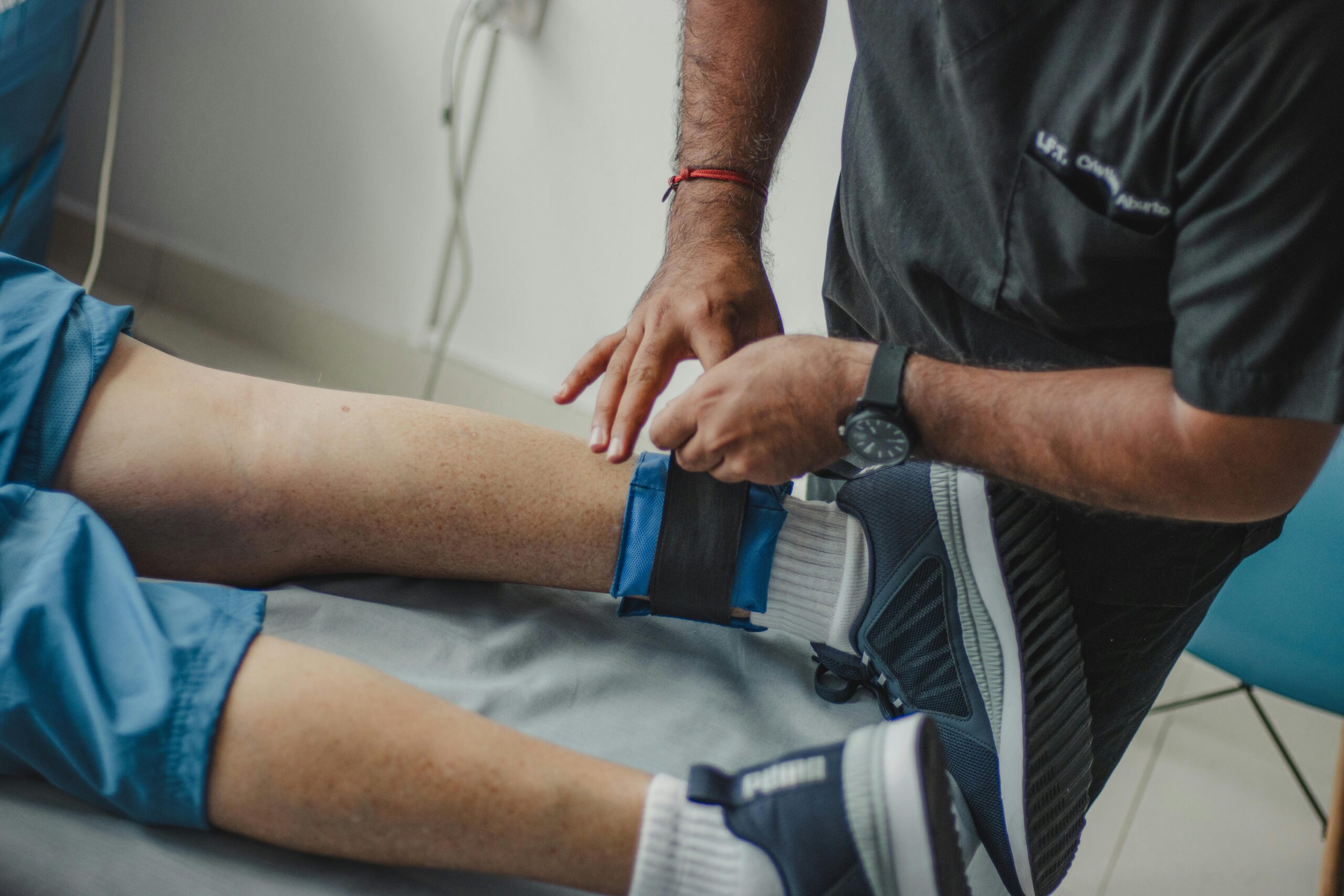
- Passive movement: Starting with stretches or movement assisted by a therapist
- Active mobility work: Once inflammation subsides, you’ll begin low-impact exercises
- Strength training: Gradual reintroduction of resistance work, often with bands or light weights
- Sport-specific drills: Only when strength and mobility are restored
This phase isn’t just about getting back to 100%. It’s about learning your body’s limits, improving imbalances, and preventing future injuries.
If the Injury Wasn’t Your Fault
Sometimes injuries aren’t just bad luck. Maybe you were hurt during treatment, at work, or under the care of someone who didn’t act responsibly. In these cases, seeking recourse isn’t about placing blame its about making sure your recompensed for time out of work or away from doing the things you love.
If your injury was caused by someone else’s negligence—like a misdiagnosis, incorrect physiotherapy, or unsafe gym conditions—you may be entitled to compensation. The detailed NHS compensation payouts guide explains how these claims work, what evidence is required, and how payouts are calculated.
While legal action may not be your first thought during recovery, the financial support can cover treatment, rehab, lost income, and ongoing care. So you can focus on healing without added stress.
The Mental Side of Recovery
What we often don’t talk about with injuries is how they affect us emotionally. Whether you’re an athlete, a weekend warrior, or just someone who values staying active, being sidelined can take a toll.
You might feel frustration, fear, or even guilt for taking time off. These are normal reactions. What helps? Staying connected to your support system, setting small achievable goals, and focusing on what you can do, not just what you can’t.
Some people even use injury recovery as a time to work on other areas of health: improving nutrition, getting more sleep, or exploring mindfulness and meditation.
Returning to Movement with Confidence
Always start with low impact exercise. Start moving slow and edge up from there. It’ll feel really good but if you do it too fast you’ll end up hiring yourself and setting back your recovery window (sometimes significantly). If you lift weights, start with low weight. If you run, make sure you stretch properly and don’t set out at your old pace. Give yourself time before you return to the movement so that as you edge back up you can do it with confidence.
You’ll want to watch for:
- Lingering pain or tightness
- Limited range of motion
- Fatigue or imbalance between limbs
- Fear of re-injury
These signs don’t mean you’re failing—they just mean your body’s still healing. Respecting that process now will give you more strength and resilience later.
Prevention Becomes Your New Superpower
Once you’ve been through a muscle injury, you start to appreciate the importance of prevention. And that’s where real growth happens. Focus on:
- Warming up properly before workouts
- Building balanced strength (not just training your favorite muscles)
- Staying hydrated and eating nutrient-rich foods
- Prioritizing sleep for tissue repair and energy
- Taking rest days seriously—they’re where growth happens
According to the National Safety Council, workplace injuries cost U.S. employers over $167 billion in 2021, with musculoskeletal issues being among the most common.
That stat isn’t just for big corporations, it’s a reminder that your body is your most valuable asset and investing in it pays off.
Written by Rhys@Thereallawcollective1.co.uk

