
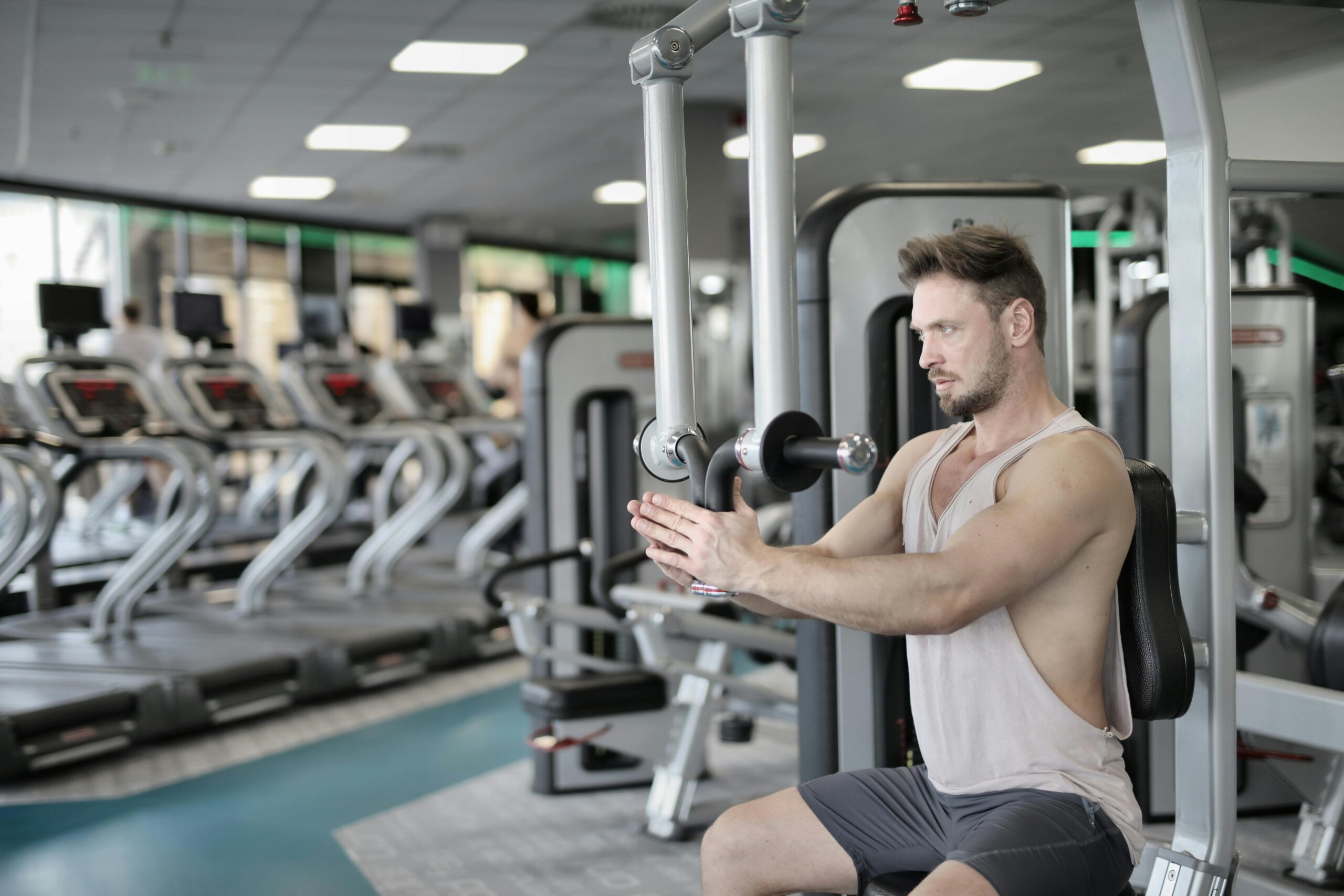
After completing that final repetition, you put the weight back. It feels like your lungs have been cleaned with rough material. Your legs vibrate. Sweat starts to dry on your skin, and at that moment, the actual effort commences.
For so many people, the second they finish their workout, they’re either stressing about work, traffic, or where they have to be in an hour. These factors tend to push muscle repair, growth, and fat utilization to the back burner. Research has shown that a stressful day could potentially nullify an entire week’s worth of workouts. Emotional stress can do a lot of harm to your metabolism. While emotional stress won’t reverse all of your hard work, it can certainly strain it. Resources like fitnessrefined often stress this point for good reason. Growth does not happen mid-squat. It happens when your body responds to the stress you just placed on it.
Let’s walk through what actually goes on behind the scenes.

The First Few Minutes After You Stop
Immediately after a challenging exercise, your body bounces back instantly and right away. Your heartbeat is fast. You breathe deeply and rapidly. Blood flows fast, carrying oxygen and nutrients to your muscles.
Your body is also going through something known in science as excess post-exercise oxygen consumption, or EPOC for short. This basically means that your body requires more oxygen than normal in order to return to its resting state. It’s eliminating lactate, reconstructing muscle fibers, and replenishing energy reserves. That feeling of breathlessness is totally normal.
Your nervous system is changing gears as well. The sympathetic system, also known as fight or flight, is driving the bus when you are pushing yourself. As soon as you step off the gas, the parasympathetic system starts to slowly take over. That’s the rest and digest side. It lowers your heart rate, eases your breathing, and sends the message to your body that it’s time to recover.
Ever notice how you feel oddly peaceful after a brutal workout? That is not just pride. It is chemistry.
Muscle Fibers Take a Hit
When you perform extremely challenging repetitions, it signals to your body that there is a growing requirement for new motor units and muscle fibers to be created (in addition to cellular-level adaptations and stronger neural connections). This process allows you to progress in your workouts and continuously challenge yourself without plateauing.
Your immune system responds quickly. White blood cells move in. Inflammation begins. That word gets a bad reputation, but in this context, short-term inflammation helps repair and rebuild.
That explanation exists for the aching you sometimes feel during the day or two after taking on a new kind of exercise or putting in a harder-than-usual workout. That kind of soreness peaks around 24-72 hours after the session. It might feel like stiffness, tenderness, or a dull ache.
It is important to remember that more soreness doesn’t mean better results; it just means you’ve done something your body is not used to. Our bodies are incredibly clever things, and if we keep doing the same thing (with the same load) our muscles will get less sore because they have adapted to that load.

Glycogen, Your Stored Fuel, Runs Low
When you don’t eat enough carbohydrates, your body doesn’t have enough glycogen, so it must rely more on fat to sustain your energy needs. But your fat stores are less accessible and useful than glycogen when it comes to high-powered, short-burst output.
After a hard session, those stores can be partially depleted. This is one reason you might feel drained or shaky. Refueling with carbohydrates helps replenish glycogen, allowing muscles to recover and prepare for the next session.
Hydration matters as well. Sweat loss reduces fluid levels and electrolytes. Even mild dehydration can affect how you feel the next day. Drinking water and eating balanced meals play a bigger role than most beginners realize.
At fitnessrefined, you will often see advice about simple recovery basics. Eat enough. Drink enough. Sleep enough. They sound basic. They are anything but trivial.
Hormones Shift in Response
Exercise puts stress on your body, causing it to release hormones. Cortisol, also known as the stress hormone, increases, which helps provide energy. Small increases are normal, but too much stress and too little recovery lead to overproduction.
Resistance training causes an increase in growth hormone and testosterone. These hormones help build and repair tissues. While important for growth, these are systemic hormones. Local changes in growth factors that result from muscle contraction may play a larger role in muscle adaptation and growth.
Endorphins are also released. These Chemicals block pain for a while and make you feel good. It’s commonly referred to as the runner’s high. But you don’t have to run to push your limits and achieve it.
How your hormones react to exercise depends on the workout type, intensity, and duration as well as your health, lifestyle, and nutrition. Sleeping, eating, and managing your mental stress is important in determining what happens inside your body.
What Happens Over the Next 24 to 48 Hours
Recovery unfolds in stages. It is not a single moment.
Within the first few hours:
- Muscle protein synthesis increases. This is the process of building new muscle proteins.
- Glycogen replenishment begins if you eat carbohydrates.
- Inflammation peaks and then gradually settles.
Over the next one to two days:
- Muscle fibers repair and thicken.
- Neural pathways involved in movement become more efficient.
- Connective tissues adapt slowly over repeated sessions.
That last point is often overlooked. Tendons and ligaments adapt more slowly than muscles. Pushing intensity too quickly can strain these tissues before they are ready. Patience pays off.
You might feel tired or slightly irritable during this window. That is normal. Your body is busy rebuilding.
Why Sleep Becomes the Real Hero
If workouts are the spark, sleep is the gasoline.
When you’re in a deep sleep, growth hormones are emitted more and more. Muscle rejuvenation is kicking in as high as possible. Your brain remembers muscle patterns of what you’ve learned during your exercise. It’s like your body’s recap of the session while tweaking them slightly.
If you cut your sleep activity short, recovery will be impaired. The response time is slowing down. The power will decrease. Emotion changed. Over time, sleep deprivation also increases the risk of injury and stagnation.
Eight hours is a good option, but some people need more time. Quality is equally necessary. A dark space, a regular routine, and fewer night screens can make a major difference.
You wouldn’t want a building to be completed by a construction crew with insufficient supplies and sleep. It is no different with your body.
The Nervous System Learns
Challenging your brain to send those stronger signals can put a bigger load on your developing musculature than the weight you are lifting. That is the burn you feel in the gym. And the soreness the next day.
After a tough session, your central nervous system can feel taxed. This is common after heavy lifting or intense sprint work. You might notice slower reaction time or a sense of fatigue that is not purely muscular.
Recovery strategies such as light movement, walking, or gentle stretching can support circulation and calm the nervous system. Complete inactivity is not always ideal. Active recovery has its place.
Putting It All Together
After a hard workout, your body enters a state of controlled repair. Muscles experience tiny damage and rebuild stronger. Energy stores refill. Hormones fluctuate. The nervous system recalibrates. Inflammation rises and falls. None of this happens instantly.
That is why recovery deserves attention. Training tears down. Recovery builds back up. Skip the second half and progress stalls.
There is something quietly impressive about this process. You stress the system on purpose. The body responds by adapting, it does not complain, it learns.
In time, what once felt brutal becomes manageable. Then you add a little more challenge, and the cycle repeats… stress, repair, adaptation.
Understanding what really happens after a hard workout changes how you approach fitness. It shifts the focus from punishment to partnership. You are not fighting your body. You are working with it.
Written by Sherlyn Williams