
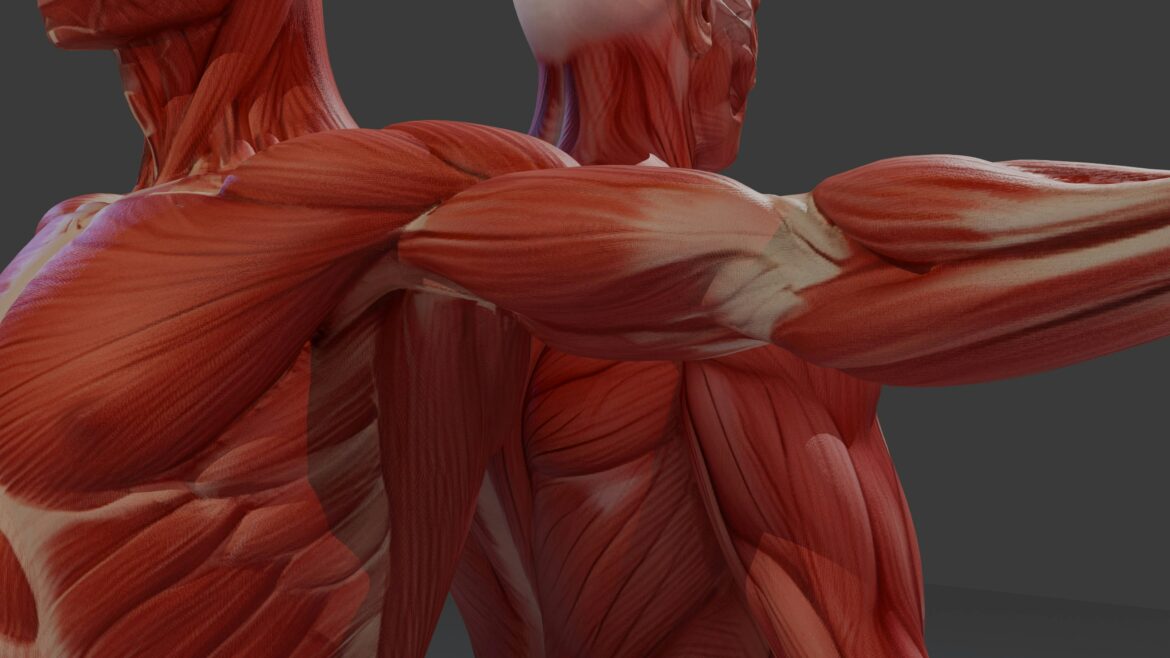
When it comes to training the chest for defined muscles most men find it a relatively easy area to workout. For men with gynecomastia however, the chest can become a very complicated area.
The following is a comprehensive guide to gynecomastia. For those who don’t know, gynecomastia is a medical condition found in men, where growth of breast tissue occurs in the male. It is found in approximately 30 to 50 percent of men at some stage of their lives, and very little is known about the condition and the anatomy of the male chest.
This guide will detail what gynecomastia is, how it relates to the pectoralis major muscle and go through all of the possible ways for men to treat gynecomastia.

What Is Gynecomastia?
Gynecomastia is the enlargement of glandular breast tissue in males. It is not the same as extra body fat on the chest. The condition involves firm, sometimes tender tissue that forms behind and around the nipple area.
This tissue sits in the subcutaneous layer between the skin and the pectoralis major muscle. It can develop on one side or both sides of the chest. In many cases, the tissue growth is visible even through clothing and can change the overall contour of the chest wall.
The condition is often broken down into grades based on severity.
- Grade 1: A small amount of tissue is concentrated around the nipple with no excess skin.
- Grade 2: Moderate tissue enlargement extends beyond the nipple area but still has no significant skin excess.
- Grade 3: Noticeable enlargement is present with mild skin excess and a visible change in chest shape.
- Grade 4: Significant enlargement involves substantial skin excess, and the chest takes on a more rounded, breast-like appearance.
Each grade calls for a slightly different treatment approach, which is why an accurate assessment from a qualified surgeon matters so much.
“Gynecomastia is a medical condition with a real anatomical basis, not just a cosmetic concern,” says Dr. Rosenberg a board-certified plastic surgeon who specializes in male breast reduction surgery at the New Jersey Gynecomastia Center. “The tissue involved is structurally distinct from fat, and that distinction matters when it comes to treatment.”
The Chest Anatomy Behind Gynecomastia
To understand gynecomastia, it helps to know what sits beneath the surface of the male chest.
Pectoralis Major
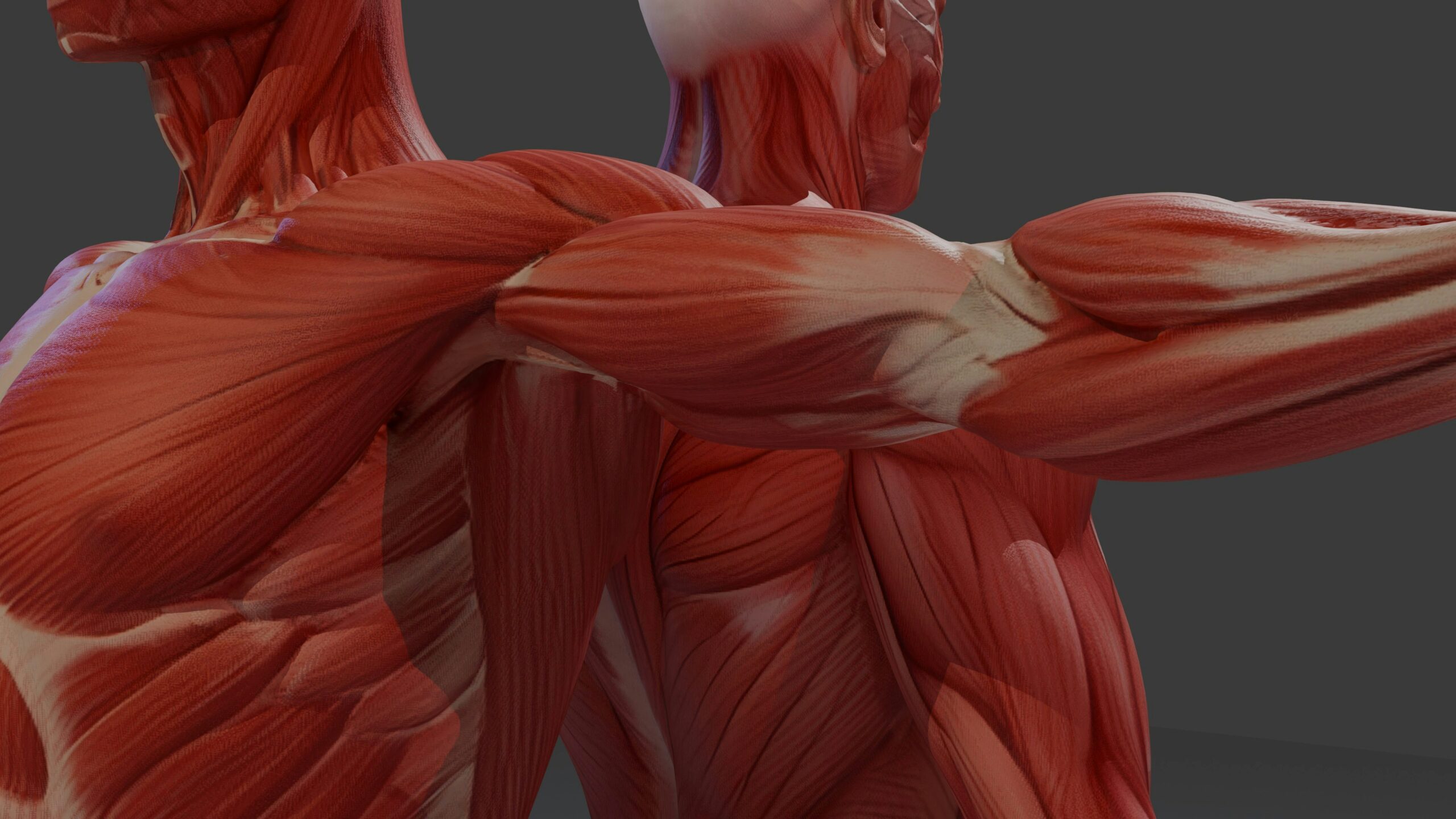
The pectoralis major is a large fan-shaped muscle covering the front of the upper part of the chest. The pectoralis major muscle originates from the clavicle, the sternum, and the upper portion of the ribs. It inserts into the upper portion of the arm bone or humerus. The pectoralis major muscle is responsible for the following actions: horizontal adduction, bringing the arm across the body as in holding a menu in front of your body; internal rotation, such as turning a doorknob with your palm up; and flexion, lifting your arm in front of you.
The breast tissue is located on top of the pectoralis major muscle, in the subcutaneous layer of the tissue. Therefore, it is often difficult for men with gynecomastia to obtain the results from chest training that they desire, as the glandular tissue is not affected by the same as the underlying pectoralis major muscle. In some cases, training the chest can make the breast tissue appear to be more pronounced, as the muscle below the tissue increases in size and the tissue on top is pushed outward. This can cause a fuller appearance of the chest.
Pectoralis Minor
The other muscle in the chest area is the Pectoralis Minor. It is a small, triangular muscle located beneath the Pectoralis Major. It originates from the 3rd to 5th ribs and inserts into the coracoid process of the scapula. It is a stablizing muscle that pulls the scapula down against the thoracic wall in order to pull the arm across the body in the motion of adduction (bringing the arm across the body) as well as assisting in the motion of internal rotation. When performing exercises that involve adduction or internal rotation (such as carrying a heavy purse or bag on your arm), the Pectoralis Minor muscle contracts.
Although the pectoralis minor muscle is not involved in gynecomastia it is an important consideration for any surgeon removing breast tissue from the male chest. The pectoralis minor muscle is a small, flat triangular muscle that lies under the pectoralis major muscle. The muscle originates from the third, fourth and fifth ribs and crosses the coracoid process of the scapula to insert there. The primary function of the pectoralis minor muscle is to stabilize the scapula against the thoracic wall by drawing it forward and downward.
Why This Anatomy Matters
Gynecomastia is caused by the breast tissue sitting on top of the pectoralis major muscles in the subcutaneous fat. For this reason, even the most toned of chests cannot remove Gynecomastia. The muscles can actually grow in size and make the breast tissue more apparent.
What Causes Gynecomastia?
Gynecomastia develops when there is an imbalance between estrogen and testosterone in the body. Even though estrogen is often associated with females, males produce small amounts of it as well. When estrogen levels rise relative to testosterone, breast tissue can grow.
Several factors can trigger this hormonal shift.
- Puberty: Hormonal fluctuations during adolescence cause gynecomastia in many teenage boys, and the condition often resolves on its own within one to two years.
- Aging: Testosterone levels naturally decline with age, which can tip the hormonal balance toward estrogen and lead to tissue growth in older men.
- Medications: Certain prescription drugs can contribute to the condition, including some antidepressants, anti-anxiety medications, heart medications, and prostate treatments.
- Anabolic steroids and SARMs: The use of performance-enhancing substances is one of the most well-known causes, as these compounds disrupt the body’s natural hormone production and can cause a sharp spike in estrogen.
- Health conditions: Liver disease, kidney disease, thyroid disorders, and certain tumors can all affect hormone levels enough to trigger breast tissue growth.
- Marijuana use: Regular cannabis use has been associated with hormonal changes that may contribute to breast tissue development in some men.
In some cases, no clear cause is ever identified. This is known as idiopathic gynecomastia, and it is actually one of the most common categories.
Gynecomastia vs. Pseudogynecomastia
Not every case of a fuller male chest is gynecomastia. Pseudogynecomastia is a term used to describe excess fat deposits in the chest area without any glandular tissue involvement.
The distinction matters because the two conditions respond to very different approaches.
- Pseudogynecomastia: Often improves with weight loss, diet changes, and chest-focused exercise because the issue is fat rather than glandular tissue.
- True gynecomastia: Involves firm glandular tissue that does not respond to diet or training alone and typically requires surgical removal for full correction.
- Mixed presentation: Some men have both excess fat and glandular tissue, which may call for a combination of liposuction and tissue excision during surgery.
A physical exam can usually tell the difference. Glandular tissue feels firm and rubbery beneath the nipple. Fat deposits feel softer and are distributed more evenly across the chest. Your doctor or surgeon can determine which type you have and recommend the right path forward.
“One of the most common things we see is men who have spent years trying to train their way out of the problem before coming in for a consultation,” says the New Jersey Gynecomastia Center. “Once we determine whether they are dealing with glandular tissue, excess fat, or a combination of both, we can put together a plan that actually addresses the root cause.
Common Signs and Symptoms
Gynecomastia does not always look the same from one person to the next. However, there are several telltale signs that point to the condition rather than simple weight gain.
- Firm tissue beneath the nipple: A disc-shaped or rubbery mass behind the areola is the hallmark sign of glandular involvement.
- Puffy or protruding nipples: The nipple and areola may push outward due to the tissue growth underneath.
- Tenderness or sensitivity: The chest area may feel sore or tender to the touch, especially in the early stages of development.
- Asymmetry: One side of the chest may be more affected than the other, which creates an uneven appearance.
- Chest fullness that does not respond to exercise: A rounder, softer chest contour that persists despite consistent training and fat loss efforts is a strong indicator.
If any of these signs are present, a visit to a doctor or specialist can confirm whether the issue is gynecomastia or something else entirely.
How Gynecomastia Affects Chest Training
The biggest misconception men have about gynecomastia, is that by developing the muscle of the chest (the pectoralis major) that it will cause the ‘breast’ tissue to protrude in a more defined manner creating the illusion of a great chest. Unfortunately, this could not be further from reality. In reality, the pectoralis major muscle resides beneath the glandular breast tissue and as the muscle grows, the glandular tissue on top becomes more apparent, often even more so, creating the illusion of a more full or rounded chest in some instances. As a result of this misconception, many men who suffer from gynecomastia avoid any form of chest exercises (bench press, push-ups, cable flyes, etc.) that they fear will accentuate the “breasts” in an unfavorable manner. And as a result of this avoidance, the affected individual will have to avoid certain exercises at the gym in order to avoid the embarrassment that they feel when doing a particular type of exercise that makes them look unnatural in the chest. In turn, this can serve as a very negative psychological impact upon the individual causing them to avoid situations in which they may be forced to uncover their top in order to participate or simply to enjoy themselves at the gym or the beach, and so on.
As previously stated the gynecomastia tissue is found in the subcutaneous fat above the pectoralis major in the breast area. The pectoralis major is found below the gynecomastia tissue, so when a person with gynecomastia does lots of pectoralis major exercises this can help to develop and define the pectoralis major muscle. This means that the muscle below the breast tissue can get bigger and more defined but the breast tissue on top does not get any smaller. In some cases it can even make the gynecomastia look worse because the bigger pectoralis major muscle can push the breast tissue outwards making the chest look fuller.
As the pectoralis major muscle develops through training the glandular breast tissue will become more defined, appearing more noticeable as it is pushed out from within the chest. It is not suggested that a sufferer of gynecomastia ignore training the chest as the two can be separated and it is hoped that through reading this article the sufferer will have realistic expectations of what training the chest can achieve for the appearance of gynecomastia.
Some of the reasons that men with gynecomastia avoid going to the gym to prevent more gynecomastia are the fact that some exercises will make their chest look bigger. So a man with gynecomastia might avoid doing exercises like the bench press, or the cable flyes with their arms extended. Others may even avoid going to the gym to work out at all in order to prevent more gynecomastia. In addition, many men with gynecomastia avoid removing their shirts at the beach or other places in public where others can see their protruding breasts and draw attention to them.
Treatment Options
Treatment depends on the severity of the condition, the underlying cause, and how much it affects daily life.
Lifestyle and Medical Approaches
First, if gynecomastia is caused by a medication, switching to an alternative can allow the breast tissue to shrink over time. If there is a hormonal imbalance out of someone’s control, treating the condition causing the hormonal imbalance can in some cases allow the breast tissue to shrink as well.
For those cases of gynecomastia caused by puberty, typically those who are in their early to mid-teens, we take a wait-and-watch approach. Many of these cases of gynecomastia caused by puberty resolve on their own within 1 to 2 years.
In cases in which there is fat as well as glandular tissue within the breast area, losing fat throughout the body may help to result in a more defined appearance to the chest. However, this will not remove the glandular breast tissue.
Gynecomastia Surgery
For men with persistent gynecomastia that has not responded to other approaches, surgery is the most effective solution. Male breast reduction surgery typically involves one or more of the following techniques.
- Excision: The surgeon removes the glandular tissue through a small incision, usually around the areola, to eliminate the firm tissue that diet and exercise cannot address.
- Liposuction: A cannula is used to remove excess fat from the chest area, which helps refine the contour and create a flatter profile.
- Combination approach: Many cases call for both excision and liposuction to address glandular tissue and fat at the same time for the most complete result.
- Skin tightening or removal: In more advanced cases with significant skin excess, the surgeon may also remove or tighten loose skin to prevent a deflated appearance after tissue removal.
The procedure is performed under general anesthesia and usually takes between one and two hours. The surgeon removes the glandular tissue from beneath the nipple while preserving the natural contour of the chest. The goal is a flatter, more masculine chest profile that aligns with the shape of the pectoral muscles underneath.

Recovery and Return to Chest Training
After gynecomastia surgery, most patients wear a compression garment for several weeks to help with swelling and support the healing tissue. Light activity like walking is encouraged within the first few days.
The general recovery timeline looks something like this.
- Week 1: Rest is the priority, with light walking encouraged to promote circulation and reduce the risk of blood clots.
- Weeks 2 to 3: Most patients return to desk jobs and light daily activities, though the compression garment should still be worn as directed.
- Weeks 4 to 6: Light exercise such as lower body training and cardio may be reintroduced based on surgeon clearance, but chest-specific exercises are still off limits.
- Weeks 8 to 12: Most men receive clearance to return to full chest training with a gradual increase in weight and intensity.
When cleared to train, a gradual return is important. Starting with lighter weights and higher reps allows the chest to adapt without placing too much stress on healing tissue. Most men return to full training intensity within eight to twelve weeks.
The timeline varies depending on the extent of surgery and individual healing. Follow your surgeon’s specific instructions to get back to training without setbacks.
The Emotional Side of Gynecomastia
Many men with gynecomastia feel embarrassed, self-conscious, anxious or even avoidant of activities and situations where others might see their breasts. So they avoid the gym, pool, beach, golf, tennis, playing basketball, etc. They hope that no one will notice and therefore avoid situations where they know they will be noticed with their breasts.
In most men the effects of gynecomastia cause extreme emotional distress bringing about decreased self-esteem and a negative impression of a man’s body image and loss of personal confidence; Relief is not just felt by the many men who have been affected by gynecomastia, following their successful surgical procedure, to have excess male breast tissue removed, but in the relief of emotional distress in other areas of their life for many years.
Where to Go From Here
Even after significant weight loss, the fat in the pectoral region does not disappear. Therefore, no matter how fit one becomes, gynecomastia exists in a separate space from the muscle of the pectoralis major and cannot be decreased or changed by work out in the gym or by change in diet. For men who have been dealing with the problem for years, it is helpful to understand this anatomy so that they can understand why all of their efforts in the gym have not produced the results that they were expecting. For these men, it is now time to consider a number of different options for the surgical correction of gynecomastia. For more information on these options, men with gynecomastia should schedule a consultation with a board-certified plastic surgeon who specializes in gynecomastia.
Men with gynecomastia may gain some insight into the issue by learning more about the anatomy involved. However, for men with gynecomastia who have been working out for years, despite the best efforts of their trainer, it is likely that the only solution to completely remove the breast tissue is surgery. Surgery for gynecomastia is typically performed by a board certified plastic surgeon that specializes in male breast reduction.
Written by Lea Collins