
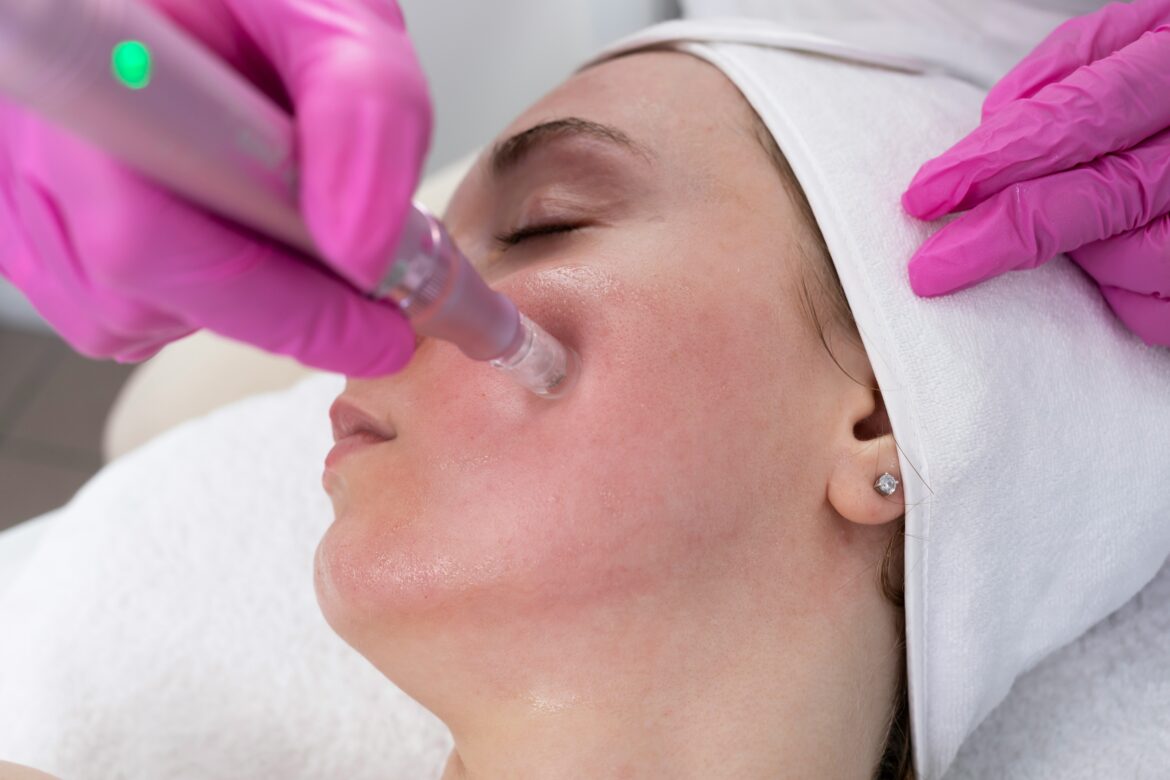
Rough patches, acne marks, enlarged pores, and blotchy color can leave healthy skin looking strained. Microneedling addresses these concerns by creating precise micro-injuries that activate repair. That response supports collagen remodeling, elastin formation, and steadier cell turnover. For adults seeking a non-surgical option, the treatment offers a gradual way to improve texture, soften visible scars, and encourage a more even complexion.
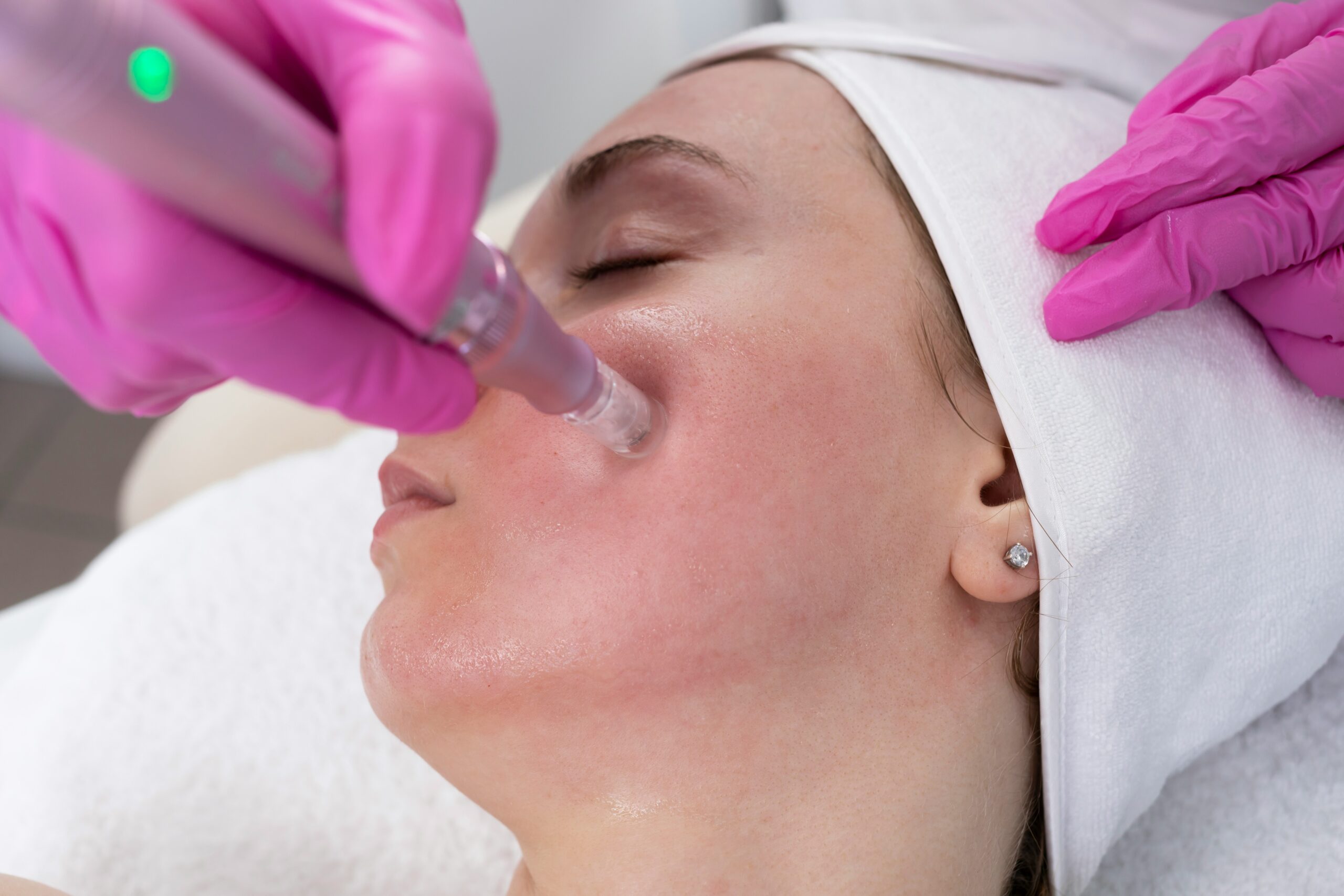
A Simple Repair Signal
During treatment, fine needles form narrow channels that alert nearby cells to begin repair without stripping the surface. Many patients comparing options for microneedling in Newport Beach, CA, often want care for acne scars, early lines, sun-related discoloration, and rough texture. The method works through controlled healing, so improvement develops as collagen matures below the visible layer.
Why Texture Improves
Texture often changes when collagen thins, scar bands tighten, or pores appear stretched. Microneedling helps disrupt shallow irregularities and signals fibroblasts to build fresh support fibers. As remodeling continues, depressed marks can look softer, and rough areas may feel smoother. A series usually gives more consistent refinement than a single visit because each session adds another repair cycle.
How Tone Looks Clearer
Uneven tone can follow sun exposure, inflammation, acne, or sluggish cell renewal. Controlled needling encourages fresher cells to move upward, which can make discoloration look less defined. New collagen also improves light reflection across the face. Results depend on pigment history, careful technique, and daily sunscreen, since ultraviolet exposure can quickly darken healing tissue.
Collagen And Elastin
Collagen is the key structural protein found in skin which provides elasticity to it. Elastin is another protein found in the skin which enables it to go back to its original form after expression. Both these proteins are degraded due to aging, sun exposure, smoking and chronic inflammation. Microneedling stimulates repair by causing increase in fibroblast activity and subsequent rebuilding of dermal support. Thus it gives a softer appearance to skin with less prominence of fine lines and wrinkles, less skin laxation and less visible pores. This change is slow and occurs as body’s own repair process is initiated.
Common Treatment Areas
Some common areas that can benefit from Microneedling Treatments on the Face are the cheeks, the skin on the forehead, the skin on the chin, the jawline and around the mouth. The neck can also be treated for thinning, crepy or uneven skin. Body areas can also be treated for scars- some more than others depending on the severity of the scar and evaluation by a professional. The depth of the needles will vary depending on the part of the body being treated. For example- fine delicate skin will require more superficial needles, whereas thicker skin may require deeper needles.
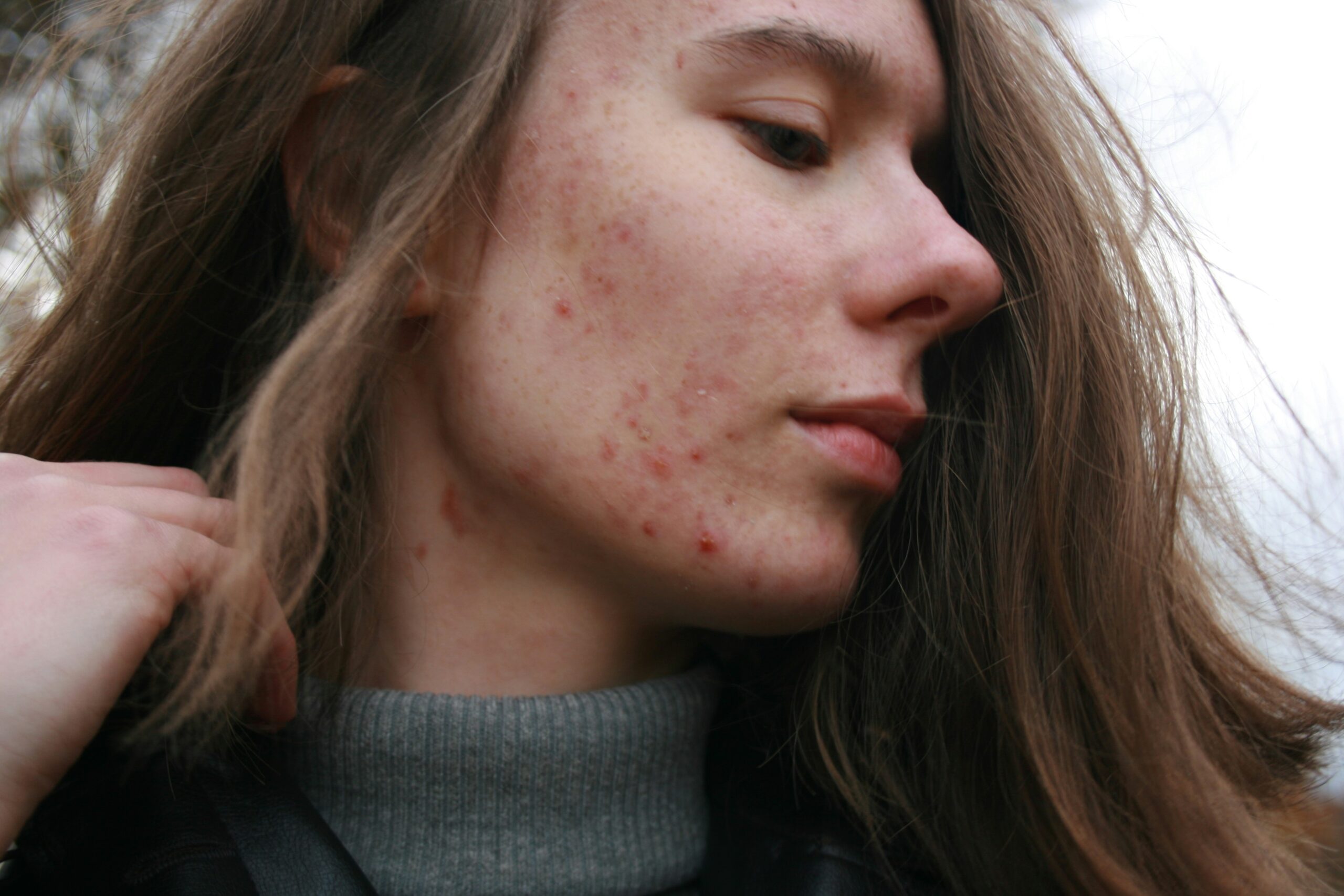
What The Visit Includes
Some practitioners may begin by cleansing your skin and then apply a topical anesthetic. After that, the practitioner will use the device in short strokes covering the entire area of concern. Traditional microneedling uses one large needle that is rolled or moved back and forth over the skin. Radiofrequency combined with microneedling uses many very small needles to create micro-injuries in the skin. The heat from the radiofrequency is then left in the skin below the surface of the skin causing remodeling of the skin. Often the practitioner will apply gels, serums and products to the skin after the treatment to soothe and calm the skin as well as to help prevent dryness and to reduce temporary redness of the skin.
Recovery Expectations
Redness, swelling, heat, and skin tightening can last from a few hours to a few days to weeks after the treatment. Initially the skin may feel dry to the touch and look rough and dull. A bland moisturizer can be used to calm the skin and keep it moist. Patients should avoid direct sun exposure and use a broad spectrum sunscreen with an SPF of 30 or greater. Patients should avoid wearing makeup for 24 hours to several weeks after the treatment.
Who May Benefit
Good candidates for this treatment are individuals with skin with acne scarring, dull skin, skin with a rough texture, large pores, fine lines and wrinkles, and skin with mild sun damage and fair to good skin tone. Individuals with all skin tones can receive this treatment since it is a mechanical treatment that doesn’t rely on light to produce results. There are however some circumstances in which an individual may not be a good candidate for this treatment. Examples include individuals with active acne, individuals who are pregnant or breast feeding, individuals with certain medical conditions of the face, and individuals who have had recent facial injuries, cold sores, or other facial skin irritation.
Results Over Time
One note of importance is that the skin may look more “alive” in the days following treatment as it can appear brighter and more even in tone. This typically goes back to normal as the redness from the treatment subsides but can last for weeks. As collagen and elastin are being rebuilt by the deep layers of the skin, the texture and fine lines of the superficial layers will continue to change with each treatment, especially with shallow to medium depth scars and lines. Generally, multiple sessions are needed to reach the full potential of the skin and then maintenance is recommended to keep the skin looking its best. Protecting the new collagen with a good daily sunscreen is crucial to not have it return to its previous state or worse create uneven pigmentation.
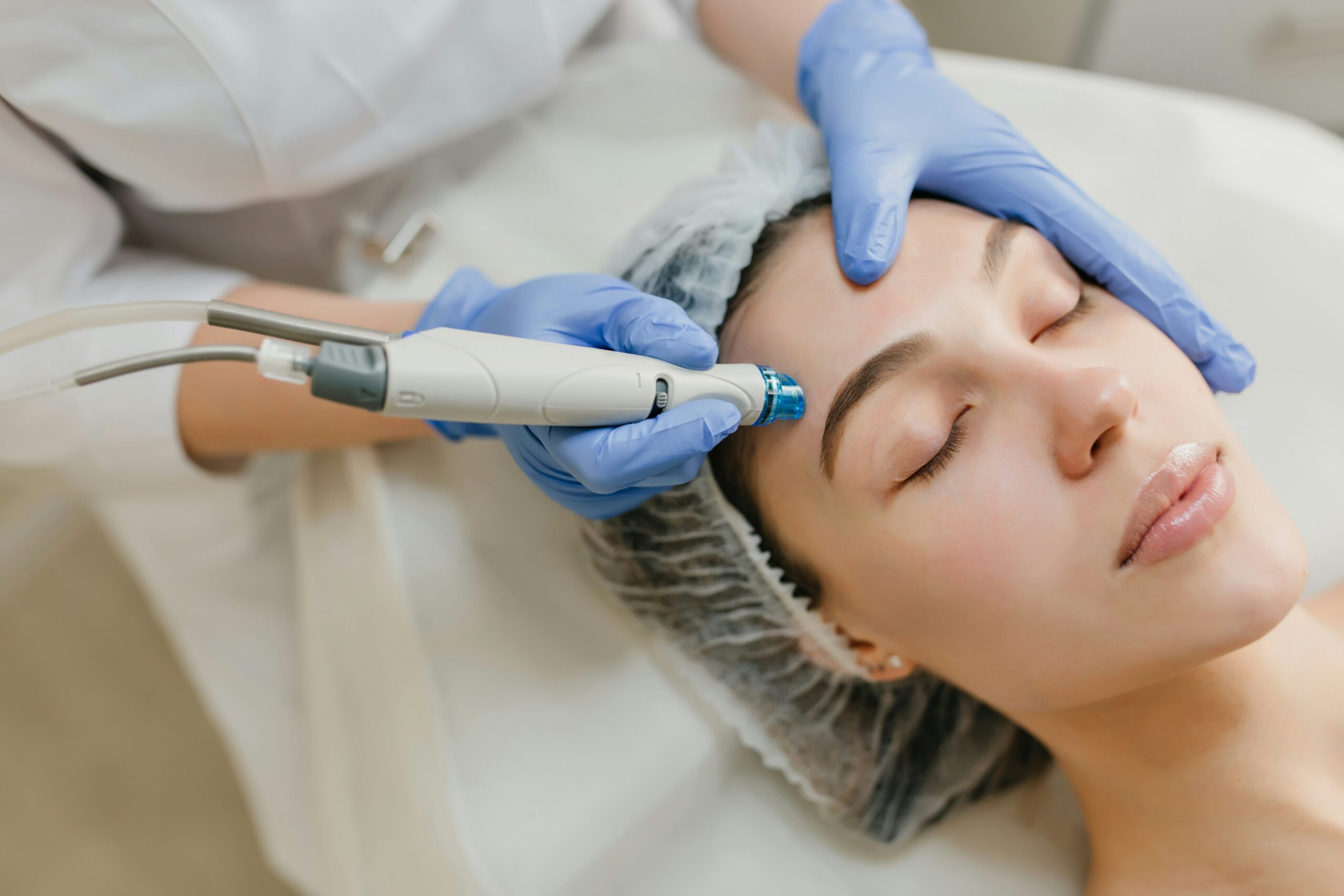
Smart Aftercare
An Aftercare program is easy to follow and assist your skin in healing very quickly when done correctly. Using products that are gentle and contain a moisturizer with very few fragrances that are suitable for your skin type is best. Avoiding harsh scrubs and products that are meant to contain strong exfoliants, retinoids, chemical peels, and other acids will all harm the skin and extend the healing time. Also, using a broad-spectrum sunscreen will help protect the newly formed collagen from sun damage and prevent any uneven pigmentation. Smart Aftercare is very easy to follow and will make your recovery as painless as possible.
Conclusion
The effects of a microneedling treatment can last for months to a year or more. With one or two sessions of microneeding fine lines and wrinkles, and rough skin texture can be improved, but for best results a series of treatments are recommended. As well as fine lines and wrinkles, acne scars and other marks on the skin can be improved with microneeding, and dull looking skin can be given a healthy looking skin with an even tone. Overall, Microneedling is a safe, non invasive and non surgical skin treatment that can be used to improve the look and feel of all skin types, to give them a more healthy looking appearance.
Written by Marc Cousineau