

Quick Answer
Adult acne can be very different to teenage acne, and is usually caused by a number of different factors to those which cause teenage spots. While teenagers typically suffer from acne caused by excess oil production from their puberty, adults suffer from acne due to a range of hormonal, stress and environmental factors. These causes of spots lead to adult breakouts which can be more difficult to treat than teenage spots and require more than just the usual over the counter products available in most drug stores. A dermatology-led treatment is usually far more effective at clearing acne in adults.

Introduction
Many people mistakenly believe that if they had acne breakouts as a teenager that they will automatically stop once they become an adult. In actuality, most people who have acne breakouts as teenagers are surprised when they get adult acne. With a little knowledge about the causes of adult acne, you can be sure that you are treating your acne correctly in order to get the best results.
Mature skin behaves differently, so it needs a different strategy. Modern clinical options such as Exion Clear RF reflect this shift, combining controlled radiofrequency energy with precise microablation to calm inflammation and regulate oil production at the same time. Rather than stripping the surface, these methods support barrier repair while addressing the deeper drivers of breakouts, an approach that aligns with current professional standards for treating older skin.
Why Mature Skin Breaks Out Differently Than It Did at Sixteen
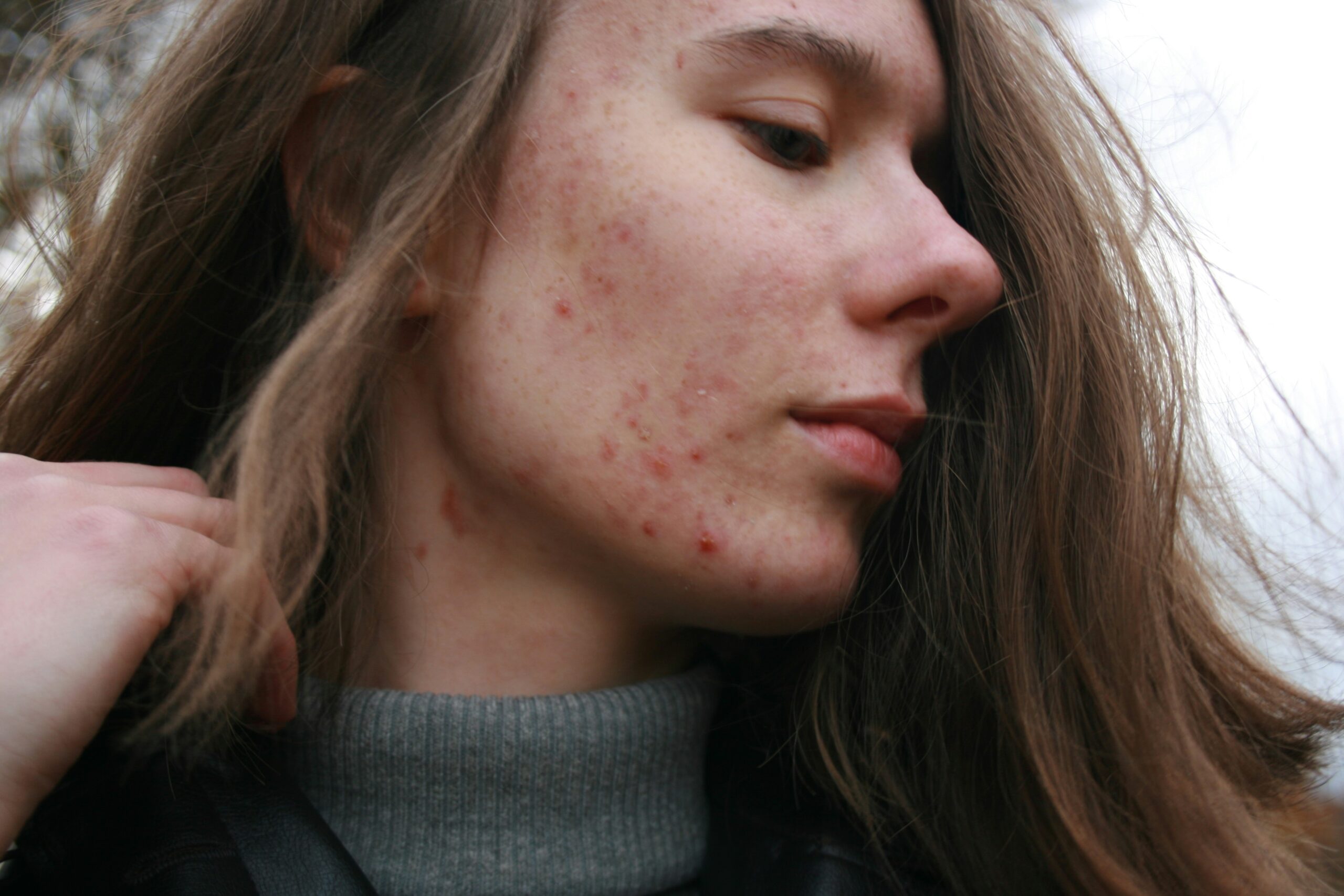
In contrast, adult acne on men and women tends to be confined to the lower part of the face, and this type of lesion is more severe and deeper, resulting in more painful, red bumps. They can linger for weeks, or even longer, and tend to be harder to treat than those of their teenage counterparts.
Oil Production Versus Inflammation
In contrast to the more oil driven teenage skin with primarily superficial blackheads and whiteheads and the occasional red pustule, the adult skin forms complex acne with a primarily inflammatory character. Individual lesions can be very deep and lead to a long-healing process. It is not uncommon for people to falsely believe that their skin is completely calm and non-reactive when in reality it is just more sensitive and prone to inflammation than previously. Using harsh, drying over-the-counter products can exacerbate and worsen acne in adult skin.
Why Familiar Products Stop Working
Many people reach for the same harsh cleansers they relied on as teenagers, expecting similar results. Mature skin generally has a more fragile barrier function, so stripping away natural oils tends to trigger irritation and rebound oiliness. A few practical distinctions help clarify the contrast:
- Lesion depth: Adolescent breakouts sit closer to the surface, while adult bumps form deeper in the dermis.
- Healing speed: Older skin regenerates more slowly, so marks and discoloration tend to persist.
- Tolerance: Mature complexions react more sharply to strong actives, requiring gentler regulation.
Pro Tip: If a product that once cleared your skin now leaves it red and tight, treat that as a signal of barrier damage rather than insufficient strength, and scale back before adding stronger ingredients.
These contrasts explain why durable acne solutions for grown skin focus on calming and rebalancing rather than simply removing oil. The same logic applies broadly to mature skin care products generally, barrier repair has to come before any active ingredient does its job.
The Biological Triggers Driving Persistent Breakouts
Skin of older adults experience a change in how skin of this age group can be affected by a wide array of internal and external signals when compared with the skin of a teenager. No longer can breakouts in adults be attributed to a singular hormone increase, i.e. puberty. The biologic triggers behind adult acne breakouts are more multifactorial, fluctuating, and complex to the triggers behind teenage breakouts.
The Hormonal Connection
As with other forms of adult acne, the lesions of hormonal acne can occur anywhere on the face, and are often found on the lower face and jawline. Because the hormones that cause this type of acne occur on a constant basis, the severity and frequency of the breakouts can vary. However, there are several key elements to any successful treatment plan. First, the best acne treatments for hormonal acne are those that can treat the root cause of the breakouts. This can be a challenging task, because the hormonal imbalances that cause this type of acne can be complex and affected by a variety of different factors, including local climate. Secondly, because stress causes an increase in cortisol production, which in turn causes an increase in oil production and acne inflammation, stress reduction is an important element of any successful acne treatment plan for adults with hormonal acne.
Lifestyle and Barrier Factors
Beyond internal chemistry, daily habits and a compromised skin barrier play a meaningful role. The following factors commonly intensify adult breakouts:
- Chronic stress, which raises cortisol and disrupts oil regulation.
- Sleep disruption, which slows cellular repair and recovery.
- Dietary patterns, particularly high-glycemic foods that spike insulin.
- Barrier damage from over-cleansing or harsh actives.
A brief comparison clarifies how the two age groups diverge across key markers.
| Factor | Teenage Acne | Adult Acne |
| Primary driver | Puberty oil surge | Hormonal shifts, stress |
| Common location | Forehead, nose, chin | Jawline, lower face |
| Skin barrier | Resilient | Often weakened |
| Best response | Oil control | Regulation and repair |
The contrast above shows why a strategy built for one group rarely suits the other. Effective adult acne treatment, often guided by a qualified acne clinic, works best when it accounts for hormones, stress, and barrier health together rather than targeting oil alone.
Building a Treatment Plan That Matches Your Skin’s Actual Needs
Once the underlying drivers are clear, the next task is matching the method to the mechanism. A plan suited to mature skin looks quite different from a teenage regimen, since it has to balance correction with protection rather than simply attacking oil.
Sequencing Matters More Than Intensity
People often assume stronger formulas clear blemishes faster, yet the opposite tends to hold for older complexions. Skilled practitioners usually begin by repairing the barrier, then introduce active ingredients gradually once tolerance improves. This order calms reactive skin and limits the lingering marks that follow deeper lesions.
A detail many popular guides overlook is the difference between inflammatory bumps and retentional congestion, a distinction that should shape the entire approach:
- Inflammatory lesions: Red and tender, best managed by reducing irritation before resurfacing.
- Retentional lesions: Clogged, flesh-toned bumps that respond to gentle exfoliation and oil regulation.
- Mixed presentations: Common in grown skin, requiring a layered plan that addresses both at once.
Where Clinical Technology Fits
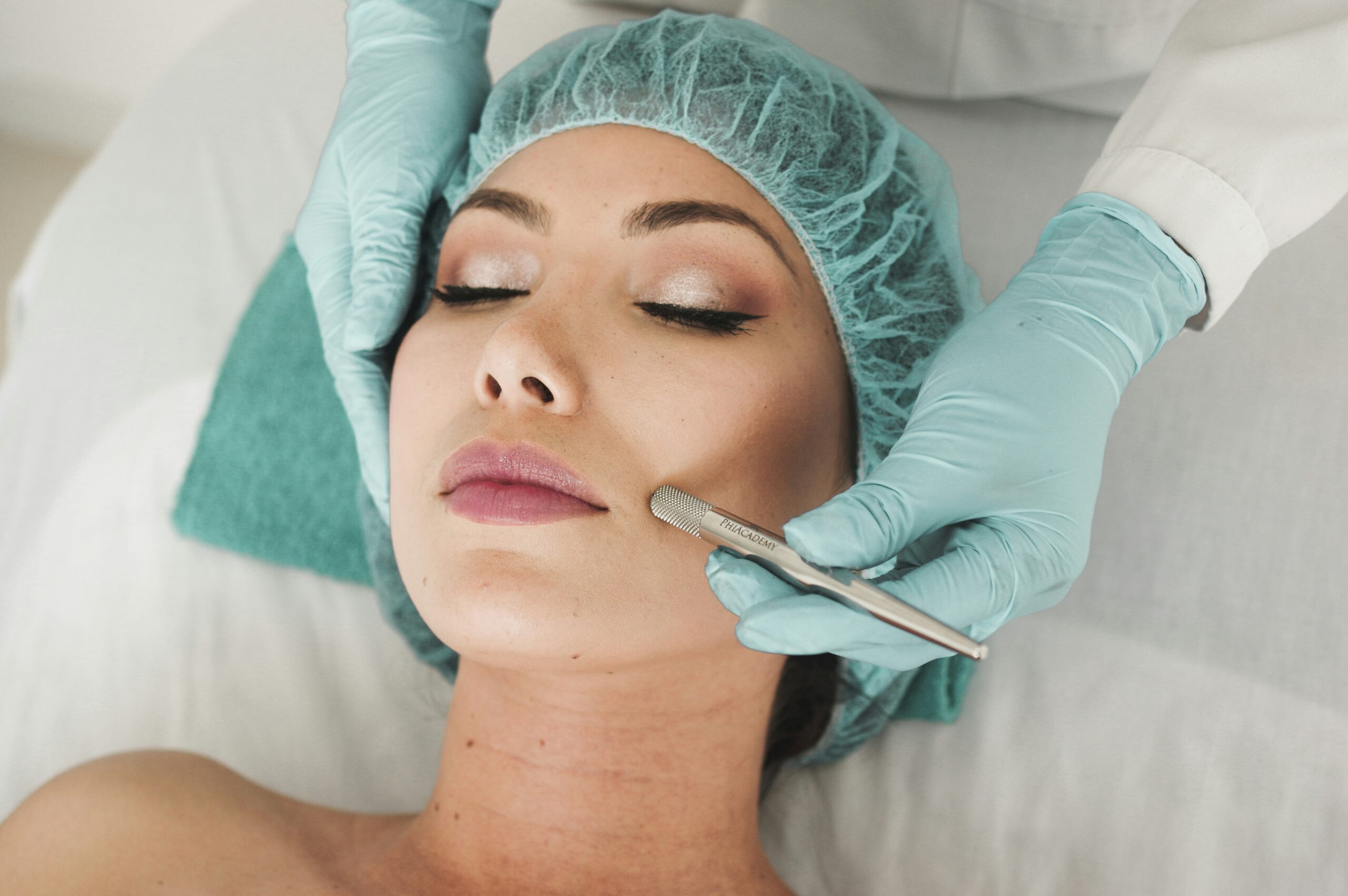
There are also many in-office treatments that can be used for sensitive skin. These treatments can help improve the texture of skin by performing a combination of radiofrequency and controlled microablation within a single treatment. This type of treatment is ideal for those with sensitive skin as it does not require the use of harsh topical treatments to dry out the acne.
To ensure that you are using the best products for your skin and treating your adult-onset acne effectively, it is helpful to consider a few factors in creating your skin care regimen. First, it is helpful to consider how you can sequence your different treatments to ensure that you are using them in the most effective order. Additionally, it can be helpful to understand the different types of lesions that you have on your skin and what the state of your skin’s barrier is. With this information, you can use the smartest products and create the best skin care regimen for your individual skin. This means choosing the right combination of skin care products and treatments to use consistently over time is far more effective than using a number of different skin care products for a short period of time.
Smart Choices for Managing Adult Breakouts
Adult skin with acne is very different than skin of a teenager with acne. While a teenager’s acne is generally caused by an increase in oil production from their body’s natural puberty process, adult skin with breakouts tend to be caused by a number of different factors including hormonal fluctuations, stress, or a broken down skin barrier. As a result, there are a number of key differences between treating teenage and adult acne.
As one can see from reading through the different ways to treat adult acne, there are many different ways to treat individual cases of acne. It can get confusing as to which will be best for a given individual, but it is helpful to remember that for mature skin, different approaches must be taken than for the skin of a teenager.
Written by Jason Lee