
Protein plays an important role in muscle repair, recovery, strength development, and overall health. But with so many options available, choosing the right protein source can feel more complicated than it needs to be.
Whey, casein, plant-based blends, isolates, concentrates, and whole-food protein sources can all have a place in a balanced diet. The best choice depends on your goals, dietary preferences, digestion, budget, and how protein fits into your overall nutrition.
Before buying a supplement, reviewing a detailed protein powder comparison can help you understand how different products vary in protein content, ingredients, formulation, and intended use.
Here is what to consider when choosing protein for your fitness goals.
Start With Your Overall Protein Needs
Before worrying about which type of protein is best, focus on getting enough protein overall.
People who exercise regularly generally require more protein than sedentary individuals because exercise increases the demand for muscle repair and recovery. Resistance training, running, cycling, team sports, and other forms of exercise can all increase your nutritional needs.
Your ideal intake will depend on factors such as:
- Body weight
- Training frequency
- Training intensity
- Age
- Total calorie intake
- Muscle-building or weight-loss goals
Rather than relying entirely on supplements, aim to get much of your protein from nutrient-dense whole foods such as eggs, poultry, fish, dairy products, beans, lentils, tofu, and lean meats. Protein powder can then be used as a convenient way to fill nutritional gaps.
Protein for Building Muscle
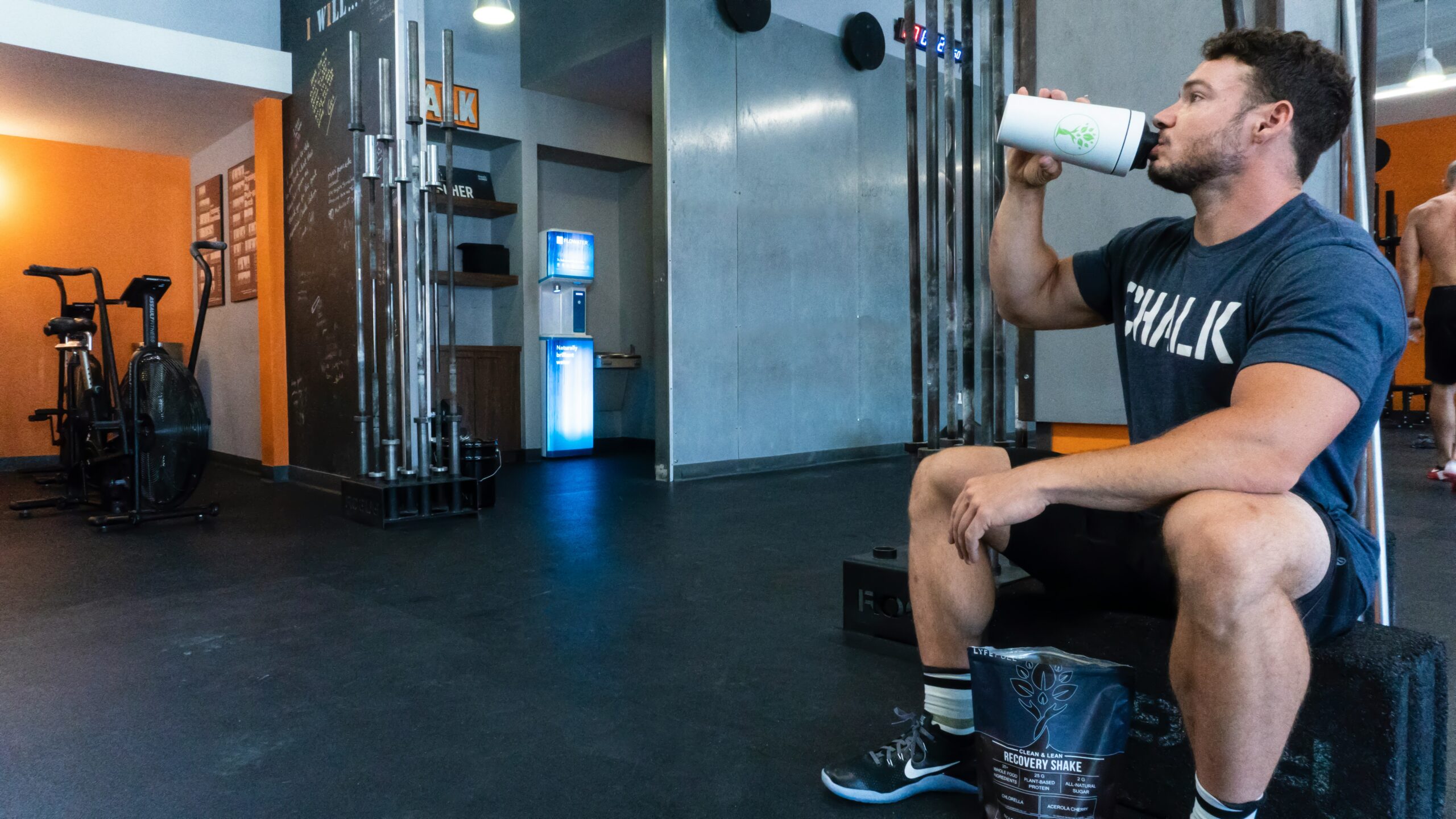 Important information for people looking to build muscle in addition to typical recovery and everyday life information. If you’re looking for a protein that can help with muscle gain then ensure the protein contains all of the essential amino acids to maximize muscle protein synthesis.
Whey protein is favored by strength athletes because it is quickly digested providing essential amino acids necessary for building muscle. Whey is also naturally rich in leucine which acts as a key trigger for muscle protein synthesis.
Whey Concentrate: This less processed version contains some amount of carbohydrates and fat. The higher processed whey isolate will have the majority of the lactose, carbohydrates and fat removed from the protein resulting in a higher percentage of protein per serving.
Both can work well for muscle growth.
The real priority is to ensure that you are consuming sufficient total protein and calories on a daily basis to support muscle growth. A good resistance training program is needed to stimulate the muscle fibers and prompt the muscle repair and growth process.
Protein for Weight Loss
Protein can also be helpful when your goal is fat loss.
Higher-protein meals tend to be filling, which may make it easier to manage hunger while maintaining a calorie deficit. Adequate protein can also help preserve lean muscle mass during periods of reduced calorie intake.
When choosing a protein powder for weight loss, look beyond the grams of protein on the label.
Consider:
- Calories per serving
- Added sugars
- Fat content
- Serving size
- Additional ingredients
A powder that provides a relatively high amount of protein without many additional calories may be useful for controlling overall calorie intake.
However, protein shakes should complement a balanced diet rather than replace most meals.
Protein for Workout Recovery
Soreness is just one part of the recovery process from exercise. The rest of the process is centered around replenishing the energy stores used in the exercise, and repairing the muscle. A protein shake after your workout contains the essential amino acids required for muscle repair as well as the other nutrients needed for recovery.
Post-workout recovery can be given in the form of a shake containing protein and/or carbohydrates but again there is no need to consume anything (other than water) immediately after the final set of your workout. Protein throughout the day is more important than a very narrow post workout window for protein consumption.
Some athletes, especially those involved in endurance training or participating in multiple daily training sessions, also use protein shakes post exercise to also re-feed the muscles with carbohydrates to replenish glycogen stores.
Consider Your Digestion
The nutritional profile of a protein supplement matters, but so does how well you tolerate it.
Some people experience digestive discomfort after consuming certain dairy-based proteins. Whey concentrate contains more lactose than whey isolate, so people with mild lactose sensitivity sometimes find isolate easier to digest.
Plant-based protein powders are another option.

Common sources include:
- Pea protein
- Soy protein
- Rice protein
- Hemp protein
Because individual plant proteins can differ in amino acid composition, many products combine multiple plant sources to create a more balanced amino acid profile.
The best protein is ultimately one you can consume consistently without digestive problems.
Look Beyond the Marketing Claims
Most premium protein powders are marketed with terms like ‘premium’, ‘ultra-clean’ or ‘advanced formula’. Whatever that actually means for the product’s nutritional value. Instead, examine the nutrition label and ingredient list.
Pay attention to protein content and fillers (e.g. such as sugar, milled grits, other junk) as much as to added sugars.
Many manufacturers also get their products tested by independent third-party labs. Are all the claims made about the product and its ingredients actually true? Does it contain what the label says it does? Would it pass a drug test? Important questions for athletes looking for the best product to support their training.
That you need a simple formula with a quality protein source.
Remember That Protein Powder Is a Convenience Tool
Protein powder is a great aid to help you meet your nutritional goals, especially when you are extremely busy and can’t get enough protein from your meals. There is no food substitute so protein shakes have to be used as supplements to your diet. The additional nutrients found in whole foods like fruit and vegetables, healthy fats and fiber are not found in protein shakes.
Think of protein powder as another tool to use in your nutritional arsenal to help you meet your macronutrient needs.
Choose Protein Based on Your Actual Goal
No single protein product is ideal for every person.
If you are trying to build muscle then you want a high-quality protein source that contains all of the essential amino acids. If you are trying to lose weight then the amount of calories that the supplement contains and how much it will fill you up will be key to selecting a good protein powder. Finally, if you are lactose intolerant, then a whey isolate or a plant-based protein would be a good option.
Most importantly, people should choose a protein to match their goals and more importantly their lifestyle (e.g. training, nutrition, digestion, etc.).
The most important thing is consistency. Even the worst protein supplement will support muscle growth if you are consistently consuming enough protein to meet your needs, are following a good training program, and are eating enough to support recovery.
Written by Lea Collins (lea@sapurex.com)