

Two clients can both be “in rehab” and share little clinically. One may be a few weeks past a knee replacement, another keeps re-straining the same hamstring, and someone else has managed low-back pain for years.
Therapeutic massage appears in some of those plans but not in every one. Whether it belongs depends on the condition, the stage of tissue healing and the goals the rest of the care team has set.
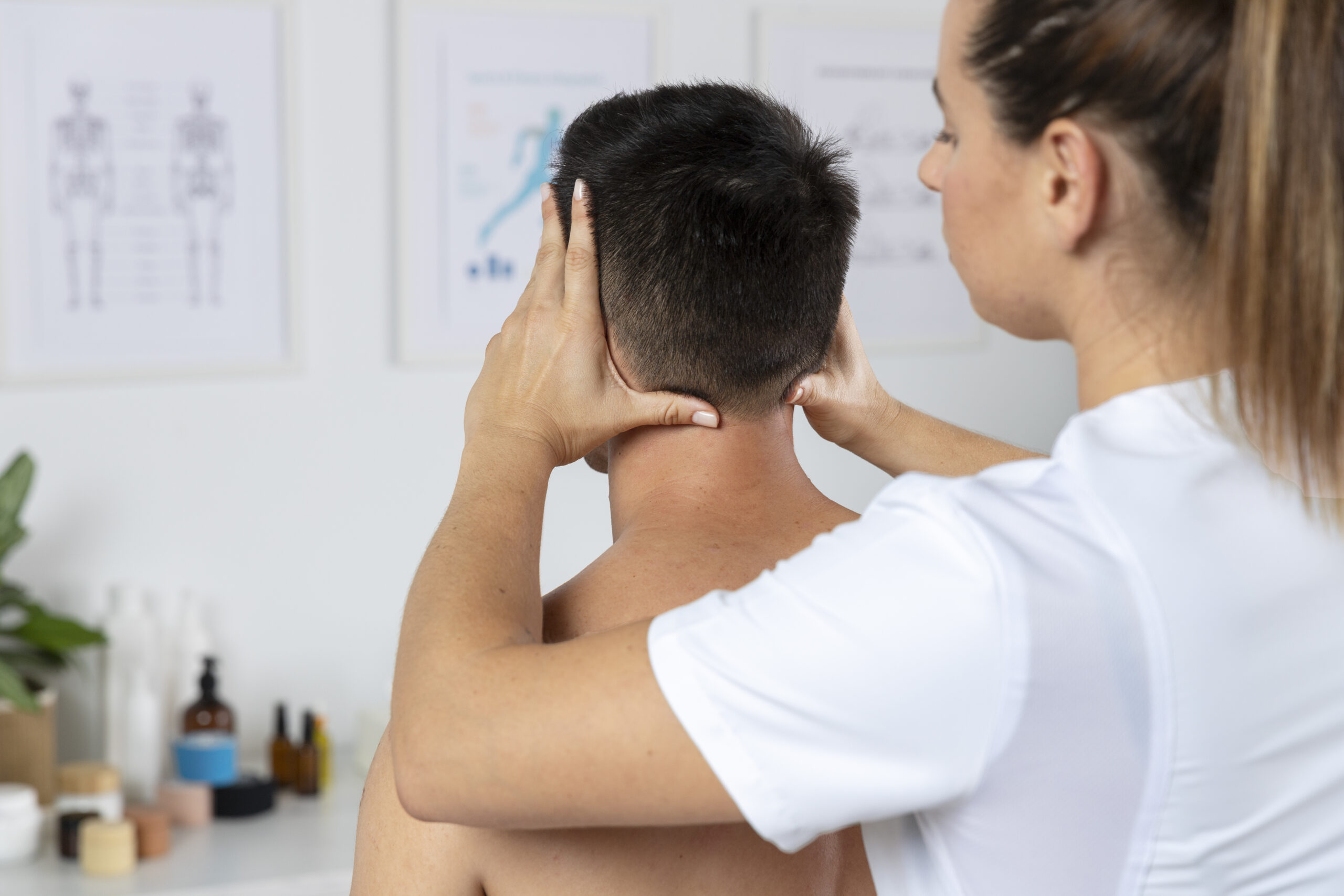
What Is Physical Rehabilitation?
Physical rehabilitation aims to restore movement and function lost to injury, surgery or illness. It also serves people whose condition limits how the body works over the long term. Progress is usually judged in terms of function: whether a patient can walk without a limp, reach overhead, or return to work or sport.
A typical program combines several disciplines:
- Physical therapy, in which a licensed physical therapist assesses the problem and directs the plan
- Therapeutic exercise, which rebuilds strength, endurance, balance and range of motion
- Manual therapy, covering a broad range of hands-on techniques
- Occupational and speech-language therapy for patients whose daily tasks or communication are affected
The manual therapy category is less tidy than it looks. Its definition shifts between professions and jurisdictions, and the techniques grouped under it are not interchangeable. Soft tissue manipulation (massage), stretching and joint mobilization act on the body in different ways, and not every massage therapist is trained or permitted to perform joint mobilization.
Where Therapeutic Massage Fits In
Exercise does most of the work in a typical rehab program. For that reason, the more useful clinical question is often not whether massage “works” in general, but whether it helps a particular client tolerate their exercise.
Guarded, tender or restricted tissue can limit range of motion and make loading uncomfortable. When massage reduces that discomfort, even briefly, it may improve exercise tolerance and make the active portion of the program easier to complete.
The mechanism remains under debate. Some explanations center on local effects in the tissue being worked, while others emphasize how the nervous system regulates muscle tone and pain.
Dose may matter as well. A trial of massage for chronic neck pain, published in Annals of Family Medicine in 2014, followed 228 adults with chronic nonspecific neck pain through four weeks of massage at different doses. For the primary measure of neck dysfunction, the groups receiving 60-minute sessions two or three times a week were significantly more likely than a wait-list group to show clinically meaningful improvement. The 30-minute sessions and once-weekly 60-minute sessions did not show a significant difference on that measure.
Beyond that single trial, findings vary by condition and outcome. A federal summary of massage therapy research notes that massage has been studied for several pain-related conditions, but the strength of the evidence differs from one condition to another. For now, massage is better positioned as a support within a rehab plan than as a standalone treatment.
Session design is another consideration. Some practices describe their service as customized therapeutic massage to relieve pain, with each session planned around the client’s goals, areas of concern and relevant health history. That intake allows pressure, technique and focus to follow the client’s presentation rather than a fixed template.

Matching Massage to the Stage of Recovery
Timing affects what is appropriate. Early after an injury or surgery, massage may need to be lighter or avoided around the affected area, depending on the procedure, stage of healing and instructions from the treating clinician.
In chronic presentations, attention often shifts to muscle tone, trigger points and the restrictions limiting movement. Useful work at this stage need not be intense.
Precautions and Communication
According to the same federal summary, the risk of harm from massage appears to be low. It does, however, note rare reports of serious events such as blood clots, nerve injury and bone fractures, some involving vigorous techniques like deep tissue work or higher-risk clients such as older adults. The summary also advises against using massage to put off seeing a healthcare provider about a medical problem.
When a client is also under the care of a rehab team, several habits are useful:
- Request the current rehab plan and any restrictions from the surgeon or PT
- Screen for new swelling, numbness, unexplained leg pain or worsening symptoms, and refer out rather than treating through them
- Remain within your profession’s scope of practice, particularly regarding joint mobilization
- Inform the PT if a client reports changes after bodywork
When Rehabilitation Moves to an Inpatient Setting
Massage therapists who see clients after a hospital discharge may be treating people who have completed inpatient rehab, so familiarity with that level of care is useful. After a stroke, serious injury, complicated surgery or prolonged hospital stay, some people may need a more intensive rehabilitation setting.
Medicare’s coverage guidance for inpatient rehab sets the threshold for its own coverage: a provider must certify a condition requiring intensive rehabilitation, continued medical supervision and coordinated care. A covered stay can include physical therapy, occupational therapy and speech-language pathology, along with nursing care, meals and prescription drugs.
The terminology can also cause confusion. “Inpatient rehabilitation” may refer to physical rehab after injury or illness or to residential treatment for substance use disorders, and cost information does not always specify which. Urban Recovery, which provides substance use treatment rather than physical rehab, has published a guide to the costs of inpatient rehabilitation for physical rehab. It covers factors such as length of stay, facility location, equipment and insurance.
For Medicare-covered inpatient rehabilitation in 2026, Medicare lists a $1,736 deductible per benefit period, then $0 a day for days 1 through 60 and $434 a day for days 61 through 90. Other insurance, the doctor’s charges and the facility type can change what someone owes.
During the stay, medical and functional priorities lead. Whether massage or other soft tissue techniques are appropriate depends on the individual’s condition, precautions and rehabilitation plan.

Choosing the Right Rehabilitation Approach
Rehab plans differ because presentations differ. An office worker with chronic neck tension may respond well to an exercise program supplemented by regular massage. A patient relearning to walk after hip surgery needs a medical team, and bodywork may enter that plan later as a minor addition, if it enters at all.
That decision belongs to a professional assessment, not to a trend or a client’s assumption. In practice, it asks massage therapists to understand where their work sits in the plan, to stay within scope and to communicate with the PT when appropriate.
Good soft tissue work can make the harder parts of recovery easier to tolerate, and it tends to do that best as part of the plan rather than as a replacement for it.
Written by Matt Olderman (matt@outreachqdm.com)

