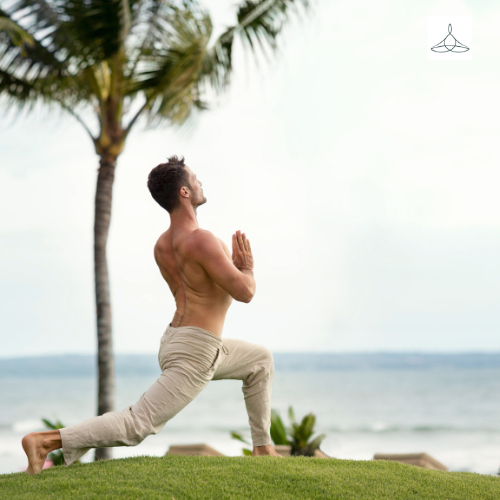
“Relaxation” – When you hear the word, you associate it with lounging on the beach, tall glass of cool drink in hand, no deadlines to meet, chores to be completed, far away from the bustle and chaos of your regular life.
While all this is no doubt true, and brings a great image to mind, it is a very small part of what the word really means.
You could be sunning yourself on a beach, and still be a bundle of nerves worrying about whether your relationship is going nowhere, stressing about your boss, or feeling guilty about eating that extra slice of pie. The point is you can’t separate your body from your mind. They work in tandem and if you want to continue thinking about them as two different entities, each mirrors the other’s state.
The Stress Response
All living things have an inbuilt response to a stimulus. Whether it’s an amoeba that responds either by moving away or towards stimuli or a human being weeping while watching a tragic romance movie, there is a reaction. In humans, we can say that stress can be both internal and external – you recall a painful childhood memory and feel anger or grief, or you could yell back at a nasty co-worker who sabotaged your dream project.
These are the outward manifestations of stress, but like the proverbial duck’s feet beneath the water, there’s a lot more happening below the surface than is visible above.
The stress response is an ancient one that harks back to the times when our ancestors were vulnerable to predators and enemies. It triggers a cocktail of hormones that evoke the Fight or Flight reaction. When faced with a threatening situation, it allows you to either stand and confront the issue with all your strength and alertness, or you could choose to escape the situation as safely and quickly as possible. This is a judgment call that your brain makes instantly from the information currently available. For instance, you may choose to retaliate aggressively towards an enemy, but you would instantly run away if you spotted a tiger walking towards you.
The Fight or Flight reaction is triggered by the brain’s response to some information received via the senses or internal thoughts. A particular area of the brain is involved and it immediately sends signals via the autonomic nervous system, which comprises the sympathetic and parasympathetic systems. The sympathetic nervous system kicks in by instructing the adrenal glands to start releasing the hormone adrenaline (epinephrine) into the bloodstream.
This activates physiological changes such as speeded up heartbeat, higher blood pressure, faster and shallower breathing, more oxygen to the brain, sharpening of hearing and sight, and slowing down or cessation of non-essential functions such as digestion. More glucose is released into the blood, giving you more energy for both fight or flight. All these reactions happen instantaneously, almost without your awareness. As the stress continues, other hormones such as cortisol are pumped into the bloodstream.
Once the threat perception is lowered, the parasympathetic nervous system swings into action, reversing all the changes, and flushing out the stress hormones from the body. The body then goes into relaxation mode, and resumes all normal functions. This is also a natural reaction known as Rest and Digest. It is very important to complete this part of the cycle of the stress response, without which the body and mind would be in a state of constant tension.
Why Continued Stress is Harmful
Chronic stress results in the body remaining in a constant state of alertness, similar to keeping your car engine idling. This causes long term damage such as high blood pressure, cardiac problems, headaches, ulcers, depression, fatigue, anxiety, sleep disturbances, libido dysfunction, weight gain, vulnerability to conditions such as auto-immune diseases and more. Psychological issues such as eating disorders, anger, time-management, social withdrawal, substance or alcohol abuse, irritability, memory and concentration problems, and breakdown of relationships can manifest due to sustained stress. You may feel wound up and on edge constantly, with neck and shoulder tension, fatigue, dizziness and poor communication problems.
Therefore, understanding these reactions through tools such as online anger management classes can help individuals recognize triggers, control impulsive responses, and manage stress more effectively.
Benefits of Relaxation
Just as you are seldom aware of the build up of tension, you may not be conscious of how your body deactivates the fight or flight response and substitutes it with the rest and digest reaction. It is important to recognize the stress reaction before you attempt to control it. This takes a huge degree of self awareness, and active listening to your body.
You also need to identify the stressors or triggers that evoke the fight or flight reaction. This can help you to gain better control over it. While it is not entirely possible to be in full charge of this response, the things that most commonly bring it on can be pinpointed and avoided.
The only way to reduce your tension is to relax. This is a conscious act and it can be learned, taught and practiced by anyone. Relaxation helps with both long term and immediate stress, and they can help to control many of the harmful effects. Everyone develops their own coping strategies, but you may discover that these may not be the right ones, or enough to counteract the overwhelming buildup of long term exposure to stress.
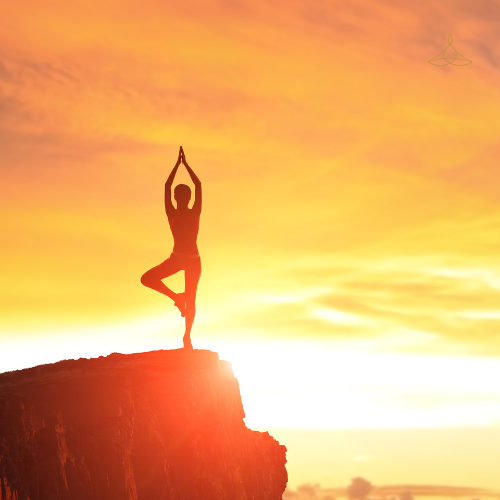
Relaxation is important because:
Protects : Continuous stress damages many physiological and physical systems over time. The heart muscles and blood vessels get damaged due to constant rapid pumping, you develop diseases such as diabetes due to continuously high sugar levels, cortisol can damage the liver, and you become vulnerable to auto-immune diseases and mental health issues. There are serious risks of heart attack and stroke. Relaxation protects you from these harmful effects of chronic stress
Improves: Stress prevents you from carrying out your daily routine. You will find it difficult to focus and concentrate, you could develop memory problems and sleep issues. When you relax, these problems slowly reduce and go away.
Increases: Social interaction and tones down aggressive behavior. Children will be able to focus more on academics and sports, engage in group activities and social events without feeling stressed. In general, you will find that you are more relaxed around people, and more accommodating. There is less frustration and resentment. Whether it’s your family, personal or professional relationships, being more relaxed helps you to get the best from them, and also give of your best. This is a great benefit for society at large, when people are able to live in peace and harmony.
Boosts: Self confidence and self esteem. You feel in better control of your emotions and as a consequence, your demeanor is more relaxed and cooperative. You enjoy better health and mood, and as a result, you boost the quality of your own life and that of your loved ones. You create a pleasant and calm atmosphere around you that attracts people and helps you to bond with those you really want to. Your immune system gets a boost, ensuring that you don’t fall prey to common illnesses.
Slows: Relaxation slows the heart rate and slows down rapid, shallow breathing. Becoming more conscious of your stressors helps you to become less reactive, so that you don’t have knee jerk or hair trigger responses to stressful situations. Being relaxed helps you to take a step back, give more measured and effective responses. It also helps you to judge whether a quick or a delayed response is required in stressful situations.
Written by info@restanddigest.com.au