
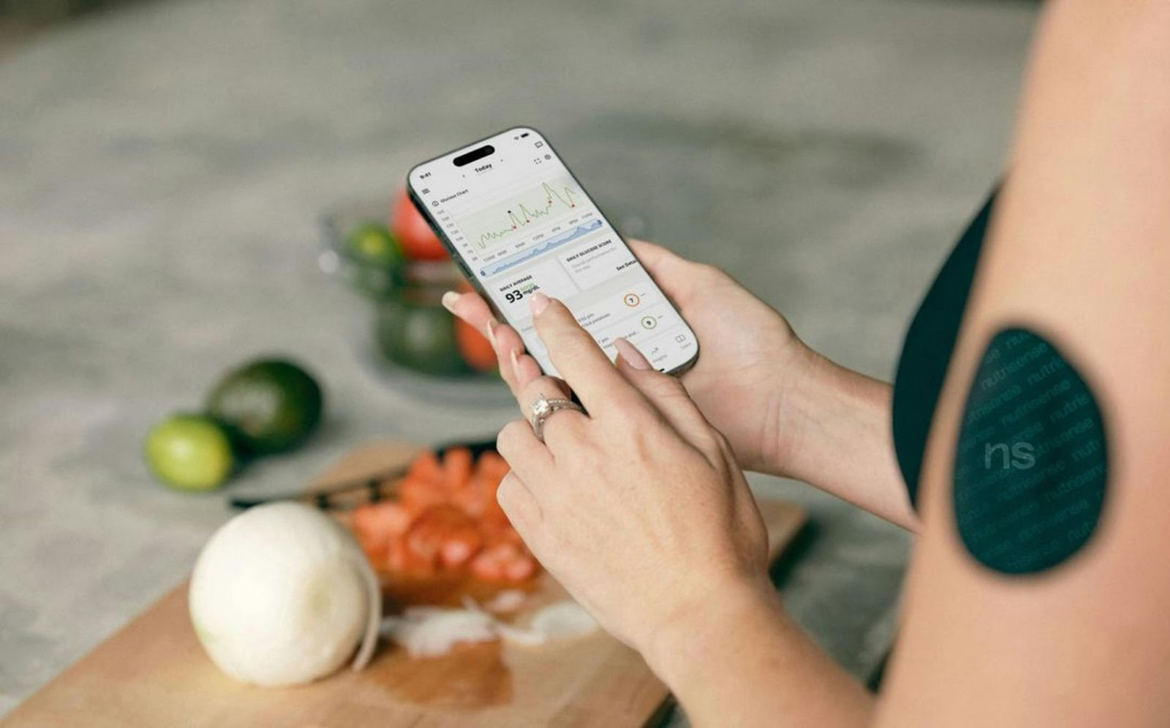
Fitness isn’t one-size-fits-all. What works for a marathon runner might not work for someone just starting their fitness journey. That’s where personalized fitness apps come in. How to start a fitness app is a question many developers and fitness enthusiasts are asking, and for good reason. These apps are revolutionizing the way we approach health and wellness. By combining AI-driven workouts, tailored nutrition plans, and progress tracking, they offer a holistic solution that adapts to individual needs. Whether you’re a developer or a fitness guru, now’s the time to build a fitness app that changes lives.

Why Build a Personalized Fitness App?
Let’s face it: generic fitness programs often miss the mark. They don’t account for individual goals, preferences, or fitness levels. That’s where AI steps in. A personalized fitness app can analyze user data—like age, weight, activity level, and goals—to create a plan that’s as unique as the user.
The demand for fitness apps is skyrocketing. People want convenience, flexibility, and results. They want a coach in their pocket, available 24/7. And with AI, you can deliver exactly that. Whether it’s a busy professional squeezing in a workout during lunch or a new mom trying to get back in shape, a personalized fitness app can meet them where they are.
Key Features of a Personalized Fitness App
What makes a fitness app truly stand out? It’s all about the features. Here’s what you need to include to create a standout app:
- AI-Driven Workouts: Customized plans that adapt to user progress.
- Personalized Nutrition Plans: Tailored meal suggestions based on dietary needs.
- Progress Tracking: Visual data to keep users motivated.
- Goal Setting: Clear milestones to work toward.
- Social Sharing: Community features to foster accountability.
These features aren’t just nice-to-haves but essential for delivering a seamless user experience.
AI-Driven Workouts
Imagine a workout plan that evolves with you. That’s the power of AI-driven workouts. By analyzing data like fitness levels, goals, and even workout history, AI can create a plan perfectly tailored to the user. And as the user progresses, the app adapts. Did you miss a few sessions? No problem. The app adjusts the plan to keep you on track.
Personalized Nutrition Plans
Fitness isn’t just about exercise—it’s about nutrition, too. With AI, your app can generate meal plans aligning with the user’s goals, whether it’s weight loss, muscle gain, or eating healthier. Add features like meal tracking and recipe suggestions, and you have a complete nutrition solution.
Progress Tracking
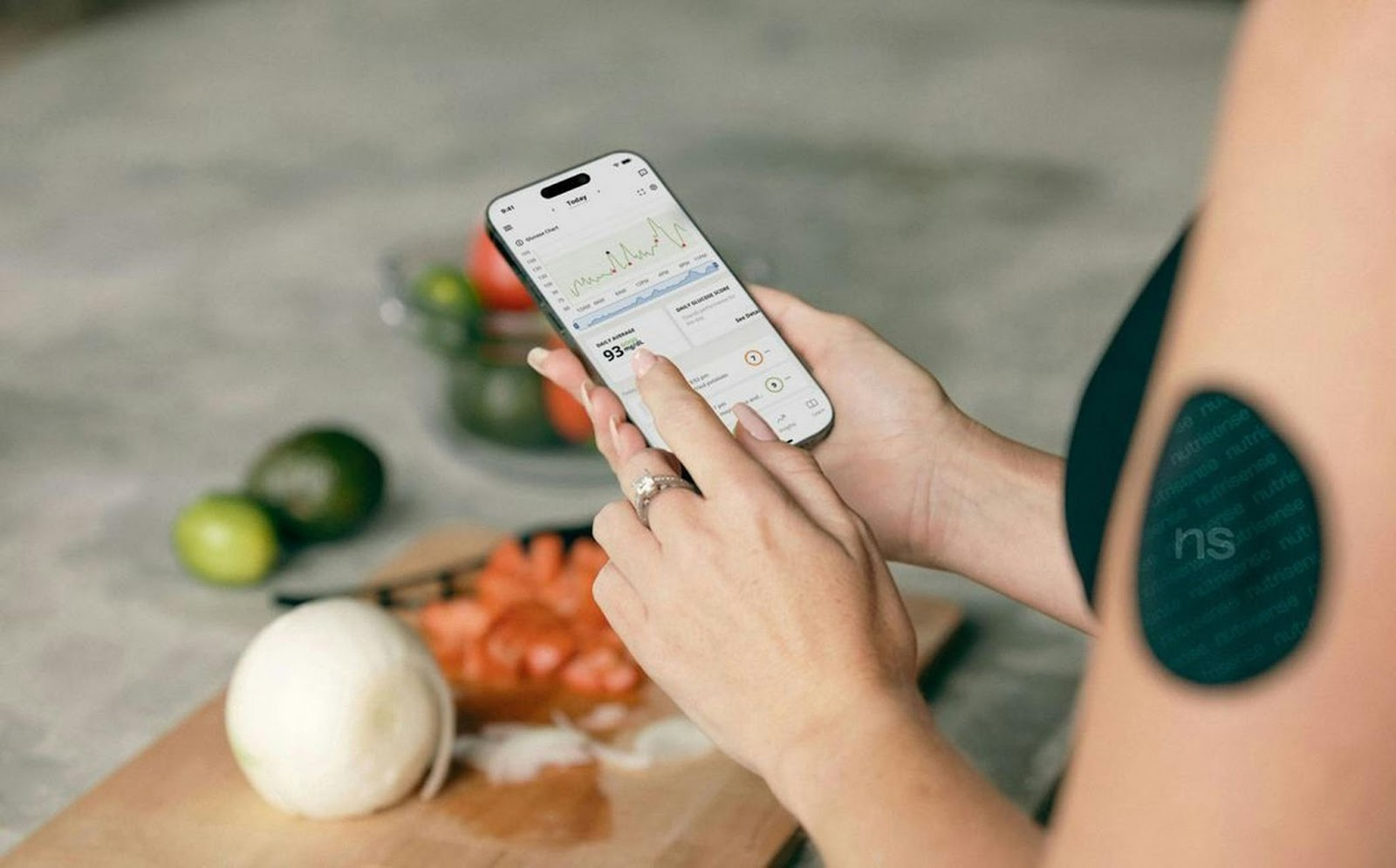
Nothing keeps users motivated other than seeing their progress. With features like data visualization, milestone achievements, and performance analytics, your app can turn fitness into a game. Users can track their steps, calories burned, and even sleep patterns. It’s like having a personal trainer and a cheerleader in one.
Development Process for a Personalized Fitness App
Building a fitness app isn’t just about coding but solving real-world problems. Here’s how to do it right:
Planning and Research
Every great app starts with a plan. What are your users’ needs? What problems are you solving? Conduct market research, analyze competitors, and define your app’s core features. This phase is like laying the foundation for a house—get it right, and everything else falls into place.
Design and Prototyping
Once you have a plan, it’s time to design. Create wireframes and prototypes to visualize the user interface. Focus on simplicity and ease of use. Remember, your users might not be tech-savvy—your app should feel intuitive, not intimidating.
Development and Testing
Now comes the coding. Your development team will build the app, integrating all your planned features. But don’t stop there—test everything. From functionality to security, every detail matters.
Deployment and Maintenance
Launching your app is just the beginning. Ongoing maintenance ensures it stays up-to-date and continues to meet user needs. Think of it as regular check-ups for your app.
Benefits of a Personalized Fitness App
The benefits of personalized fitness apps are clear. For users, it’s about convenience, motivation, and results. For developers, it’s about tapping into a booming market. And for the fitness industry, it’s about making health and wellness accessible to everyone.
Challenges in Developing Fitness Apps
Of course, building a fitness app isn’t without its challenges. Data privacy is significant—users need to trust that their information is safe. AI accuracy is another. Your app needs to deliver results, or users will lose interest. And then there’s user engagement. How do you keep users coming back? Gamification, social features, and regular updates can help.

Recommendations for Developers
If you’re ready to create a fitness app, here are some tips:
- Choose the right AI tools to power your app.
- Focus on user experience—make it simple and intuitive.
- Ensure data security and compliance with regulations.
- Incorporate gamification to keep users engaged.
Example of a Successful Fitness App
Take MyFitnessPal, for example. This app combines calorie tracking, workout plans, and progress tracking to deliver a comprehensive fitness solution. It’s a great example of how health and fitness application development can transform lives.
Conclusion
Personalized fitness apps are more than just a trend—they’re the future of health and wellness. By developing a fitness application, you’re not just building software but empowering people to live healthier, happier lives. So, what are you waiting for? Start your custom fitness app development journey today and revolutionize fitness for everyone.
Written by media@blogmanagement.io