

Functional fitness goes beyond following exercise fads—it’s about training your body for the demands of real life. This approach prioritizes movement patterns you actually use every day, from lifting groceries to climbing stairs or playing with your kids. By focusing on exercises that mimic natural actions, functional fitness improves the way you move, helps prevent injuries, and supports lasting performance.
This article unpacks the science behind movement patterns and shows how intentional training can boost daily function, athletic results, and long-term health.
Understanding Functional Fitness and Its Benefits
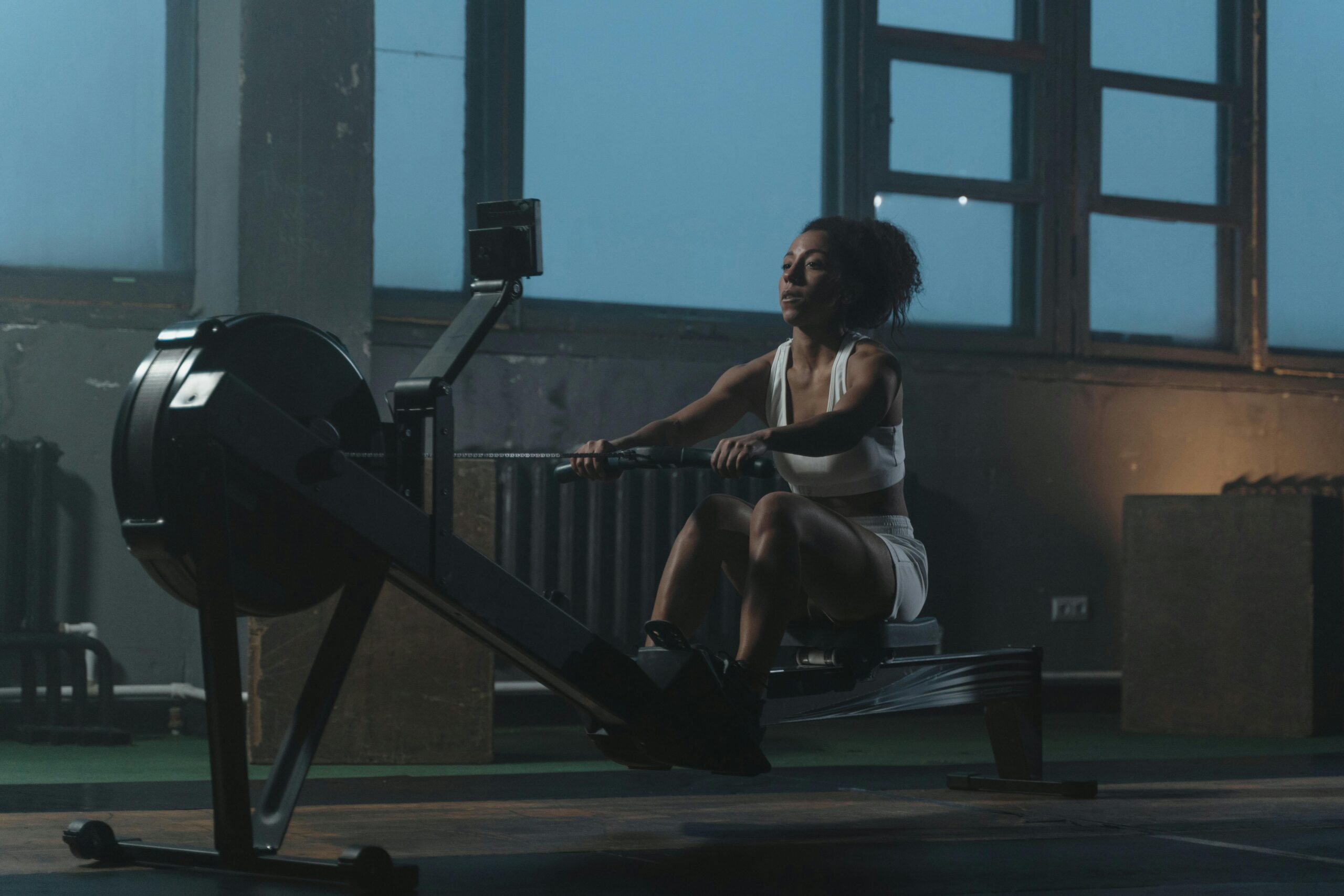
Functional fitness isn’t just about lifting heavier or running faster—it’s about moving better, every day. This training style focuses on exercises that reflect real-life activities, like squatting, reaching, lifting, twisting, and carrying. Instead of isolating muscles with machines or fixed movements, functional fitness challenges the body to work as a whole system. You’ll improve strength, stability, and mobility by practicing movement patterns that carry over into everything from picking up kids to climbing stairs at work.
Training this way helps prevent injury because it reinforces proper mechanics in the motions you use most often. Athletes find they’re more agile and resilient on the field; parents notice more energy lifting groceries or playing at the park.
If you’re thinking about bringing these benefits home, investing in quality home gym equipment makes functional training accessible—no commute required. Kettlebells, resistance bands, suspension trainers, and adjustable benches all support versatile routines designed to keep you strong for daily life’s demands.
Key Takeaway: Functional fitness bridges the gap between gym workouts and real-world strength by focusing on movements you actually use—making every rep count where it matters most.
Key Movement Patterns in Functional Fitness
Functional fitness is built around core movement patterns that directly support how we move in daily life and sports. Mastering these patterns—rather than focusing on isolated muscles—creates a strong, resilient foundation for everything from lifting groceries to sprinting down a footy field.
By training these essential movements, you’re not just building strength. You’re also improving coordination and reducing the risk of injury. This section explores the key movement patterns that deliver the most impact—and how each one translates to better real-world performance.
Squat, Hinge, and Lunge: Building Lower Body Strength
The squat, hinge, and lunge are pillars of lower body movement. Every time you sit down at your desk or pick up a box off the floor, you rely on some form of squatting or hinging. Lunges come into play when climbing stairs or stepping over obstacles.
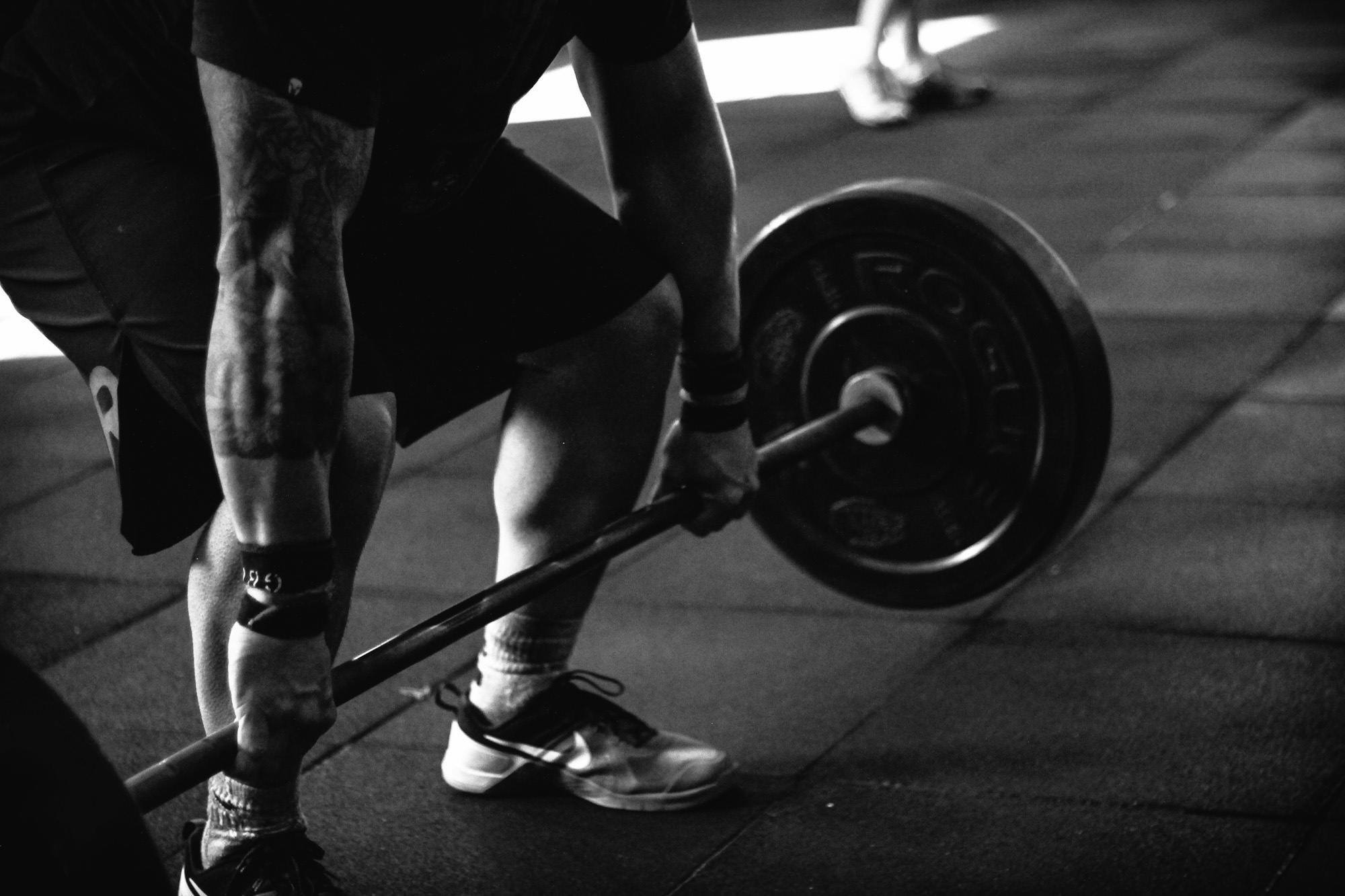
Training these three patterns targets major muscle groups—quads, hamstrings, glutes—while also demanding balance and stability from your core and hips. This combination improves mobility for daily actions like bending, standing, or moving quickly. It also builds power for athletic movements such as jumping or sprinting.
Pro Tip: Vary your stance and direction in training (think side lunges or single-leg Romanian deadlifts) to mimic real-life demands and prevent imbalances.
Push, Pull, and Carry: Upper Body and Core Integration
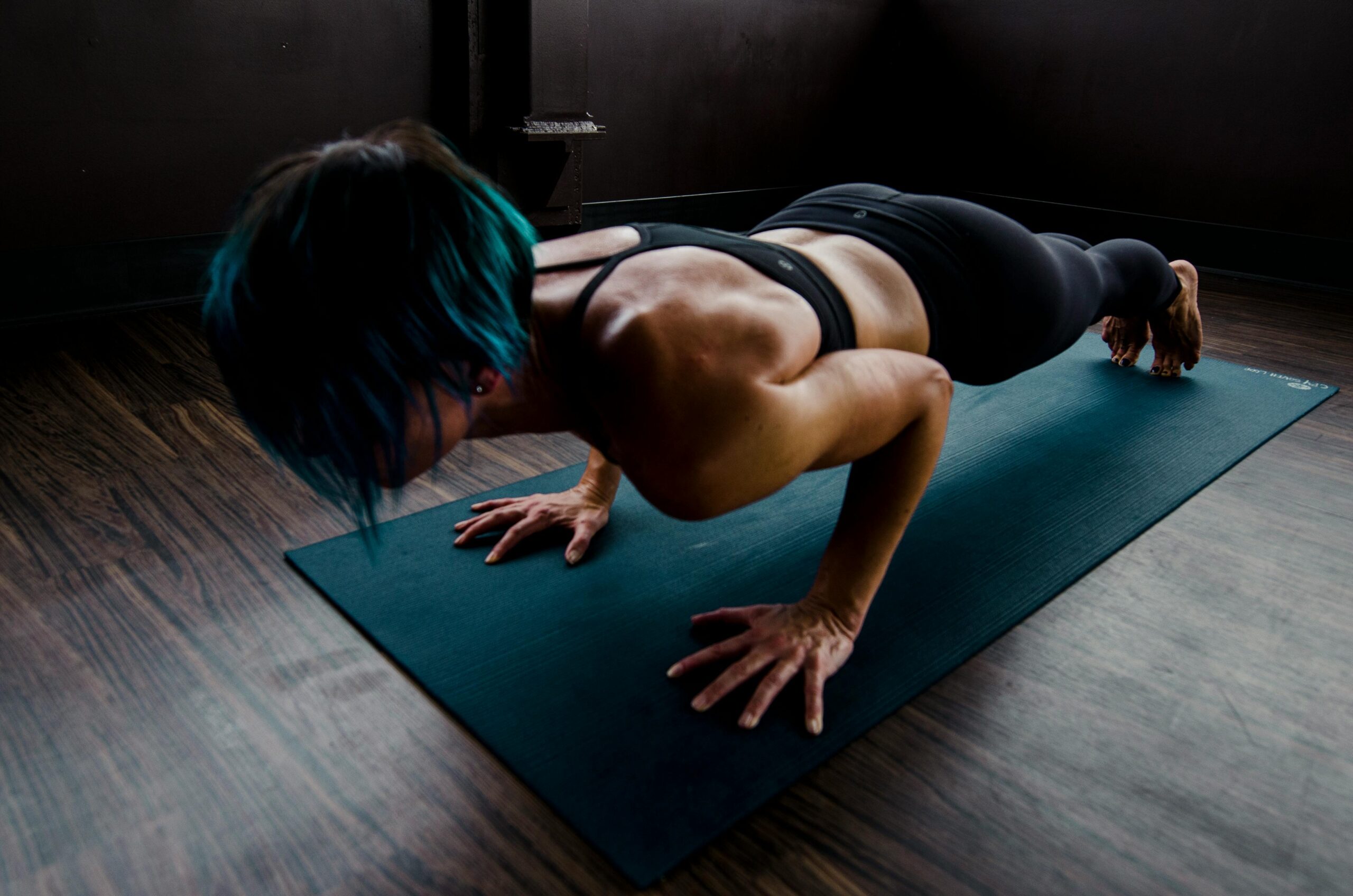
Pushing and pulling are part of nearly every upper body action—from opening doors to carrying bags after a trip to Bunnings. In functional fitness, exercises like push-ups, rows, and loaded carries work multiple muscle groups together. This synergy boosts total-body strength while teaching your core to stabilize during movement.
Carries—such as farmer’s walks—are especially valuable. They train grip strength, posture, and endurance all at once. Plus, they reflect practical challenges you’ll face every day.
- Pushing: Develops chest, shoulders, triceps
- Pulling: Strengthens back and biceps
- Carrying: Builds grip strength and core stability
Key Takeaway: Prioritising these compound movements ensures you’re strong where it counts—in real-life situations that demand both power and control.
Rotation and Anti-Rotation: The Forgotten Patterns
Twisting (rotation) is woven into countless activities—from swinging a cricket bat to reversing out of your driveway. Athletes rely on rotational strength for performance; but anti-rotation—the ability to resist twisting forces—is just as crucial for spinal health and injury prevention.
Incorporating rotational exercises (like medicine ball throws) alongside anti-rotational holds (like Pallof presses) challenges your core in all directions. This type of training builds resilience against unexpected forces that could otherwise cause strain or injury during sport or everyday tasks.
A 2023 scoping review in BMC Sports Science (Rotational Training & Injury Prevention) highlights how biomechanical assessments and tracking rotational movements are increasingly used to inform injury prevention strategies. Wearable technology and force plates are helping athletes and coaches identify risky patterns, especially in movements prone to knee and ankle injuries, leading to more effective prevention and improved performance.
Key Takeaway: Don’t neglect rotation—training both twisting power and anti-rotational stability will safeguard your spine while enhancing overall athleticism.
How Functional Fitness Rewires Movement Habits
Functional fitness doesn’t just build strength—it reshapes the way your body and brain approach movement. With regular practice, you’re not only improving muscles but also enhancing coordination, balance, and movement efficiency at a neurological level.
The body learns to recruit the right muscles at the right time, streamlining complex tasks and minimizing wasted effort. This retraining process pays off in daily activities, athletic performance, and injury prevention by creating better movement habits that last well beyond the gym.
Motor Learning and Muscle Memory
Every functional exercise is an opportunity for your brain to encode more effective movement patterns. As you repeat squats, lunges, or loaded carries with proper form, neural pathways strengthen—turning conscious effort into automatic skill. This process of motor learning is crucial for making good technique second nature and reducing the risk of injury from poor mechanics.
Exercise & Motor Learning in Adults: A 2024 study in npj Science of Learning reports that high-intensity exercise significantly enhances motor learning in adults. This reinforces the idea that functional fitness training can speed up the brain’s ability to adopt and retain efficient movement patterns, supporting long-term improvements in daily and athletic activities.
Correcting Imbalances and Movement Dysfunctions
Functional training exposes weak links by challenging your body across multiple planes of motion—forward, backward, sideways, and rotationally. This variety helps spot and address muscle imbalances or compensations that often lead to pain or injuries down the line.
With consistent focus on quality of movement instead of just lifting heavier or moving faster, you retrain your body to move efficiently and symmetrically. The result is a stronger foundation for any activity—whether you’re picking up a child or competing on the field—and fewer setbacks from overuse or faulty patterns.
Key Takeaway: Functional fitness rewires both mind and muscle for safer, more efficient movement every day.
Functional Fitness for Different Populations
Functional fitness isn’t just for the elite athlete or the weekend warrior—it’s a flexible framework that can benefit people at every stage of life. Whether you’re aiming to boost athletic performance, maintain independence as you age, or recover from injury, functional training meets you where you are.
By focusing on movements and skills that matter most in real life, functional fitness creates a pathway for everyone to move better, feel stronger, and stay healthier for longer.
Key Takeaway: Functional fitness adapts to your goals, making it an inclusive approach to lifelong movement health.
Athletes: Enhancing Sport-Specific Movement
Athletes rely on functional fitness to bridge the gap between gym strength and game-day performance. Programs are designed around the demands of their sport—think rotational power for cricket batters, sprint mechanics for soccer players, or explosive jumping for basketballers. This means less time on isolated biceps curls and more focus on movements that build agility, balance, and resilience under pressure.
Customised functional training doesn’t just elevate skill—it reduces injury risk by preparing the body for unpredictable plays and repetitive stress unique to each sport.
Older Adults: Maintaining Independence and Reducing Fall Risk
For seniors, independence often comes down to strength, balance, and confidence in daily movement. Functional training routines help older adults practice rising from a chair, steadying themselves while walking outdoors, or reaching safely overhead—skills that translate directly to everyday life.
A 2023 study published in the International Journal of Social Psychiatry found that embedding fall prevention and functional fitness exercises into daily routines significantly improved balance and reduced fall risk among older adults. The trial highlights the practicality and effectiveness of functional training for seniors’ independence and safety: Functional Fitness & Fall Prevention.
The focus isn’t intensity—it’s sustainability. With consistent practice, many older Australians find they can keep doing what they love well into their golden years.
Beginners and Rehabilitation: Safe Progressions
If you’re new to exercise or coming back from injury, functional fitness provides a gentle entry point without compromising long-term results. The emphasis is on mastering basic movement patterns first—like squats or pushes—before adding complexity or resistance. This approach minimises risk while building essential strength and coordination. It also helps retrain muscle memory after injury or inactivity.
Pro Tip: Start slow with bodyweight movements. As confidence grows and technique improves, gradually layer in weights or instability for added challenge—always prioritising quality over quantity.
Conclusion
Functional fitness has redefined what it means to train for health and performance. Rather than focusing solely on how we look, this approach champions the way we move—emphasizing strength, balance, and mobility that directly impact daily life. By prioritizing movement patterns over isolated muscle groups, functional training delivers benefits that last far beyond the gym walls.
Whether you’re chasing a new personal best or simply aiming to feel stronger at work or home, integrating functional movements can help you unlock lasting resilience and improved quality of life—one rep at a time.
Written by reyesarjaypaul@gmail.com

