Wellness. People encounter this term every day but its individual significance remains intensely personal to each person. Health practice requires ongoing dedication to build a satisfying life which goes beyond its core responsibility of stopping diseases. The beginning of my path proved to be the most difficult because I received conflicting guidance from various people who offered their advice.
A therapist? A new diet? A meditation app? It’s easy to feel lost. The good news is that there exists no single solution which works for everyone. Your life path belongs to you and the present moment offers you a wide range of wellness choices. The following guide presents various career options which you can consider. Think of it as gathering tools for your own, unique toolkit. Let’s find what works for you.
The Foundational Level: Conventional and Integrative Medicine
We need to establish the basic structure as our starting point. Most people recognize this type of care because it has undergone changes to become more comprehensive in its approach.
- Conventional (Allopathic) Medicine: This is your primary care physician, your specialist, and emergency care. Medical professionals need laboratory tests to identify diseases and they use these tests for diabetes and hypertension management and for treating both acute infections and injuries. The system bases its operations on evidence-based medical protocols and surgical procedures and pharmaceutical treatments. People need to understand the importance of this element because having a dependable doctor who delivers outstanding medical services creates the base for achieving wellness.
- Integrative Medicine: This approach brilliantly bridges the gap. An integrative physician would write needed medication while teaching patients about food modifications and teaching them stress management methods and acupuncture for controlling medication-related adverse effects and treating fundamental health issues. Science enables us to achieve the optimal combination of conventional and complementary medical approaches.
Mental and Emotional Wellness
Our minds and bodies are in constant conversation. Neglecting mental health is like trying to drive a car with a faulty engine; everything else becomes harder. This realm is vast and crucial, especially when facing specific challenges. For instance, someone exploring California eating disorder treatment options will find a spectrum of care, from medical stabilization in a hospital to residential programs that offer intensive therapy and nutritional counseling. This also includes outpatient support groups that provide community during recovery.
- Psychotherapy and Counseling: From Cognitive Behavioral Therapy (CBT) to talk therapy, this is a guided space for processing emotions, reshaping thought patterns, and developing coping skills. It’s for everyone, not just those in crisis.
- Psychiatric Care: Psychiatrists are medical doctors who can diagnose mental health conditions and prescribe medications, often working in tandem with therapists.
- Mindfulness and Meditation: These practices train us to anchor in the present moment, reducing anxiety and improving emotional regulation. Apps and community classes have made this more accessible than ever.
The Fuel We Use: Nutritional Wellness
You can’t pour muddy fuel into a car and expect a smooth ride. Nutritional wellness moves beyond fad diets to a sustainable relationship with food.
- Registered Dietitians (RDs): These are the science-based experts. They can help with everything from sports nutrition and food allergies to managing chronic disease through diet. They provide personalized, evidence-backed plans.
- Intuitive Eating: A framework that encourages you to reject diet culture, listen to your body’s hunger and fullness cues, and make peace with food. It’s often facilitated by certified counselors.
- Functional Nutrition: This looks at food as information for your body’s systems. A practitioner might explore how your diet affects your gut health, energy levels, or inflammation, often using detailed lab testing.
Physical Wellness
Movement exists to celebrate life rather than to serve as a form of punishment. People need to find happiness through their physical skills while they should recognize that different body types perform better at separate activities.
Traditional Exercise consists of three main components which include strength training and cardio exercise and sports activities. The scientific community has proven that these compounds provide established benefits for heart health and bone strength and metabolic function.
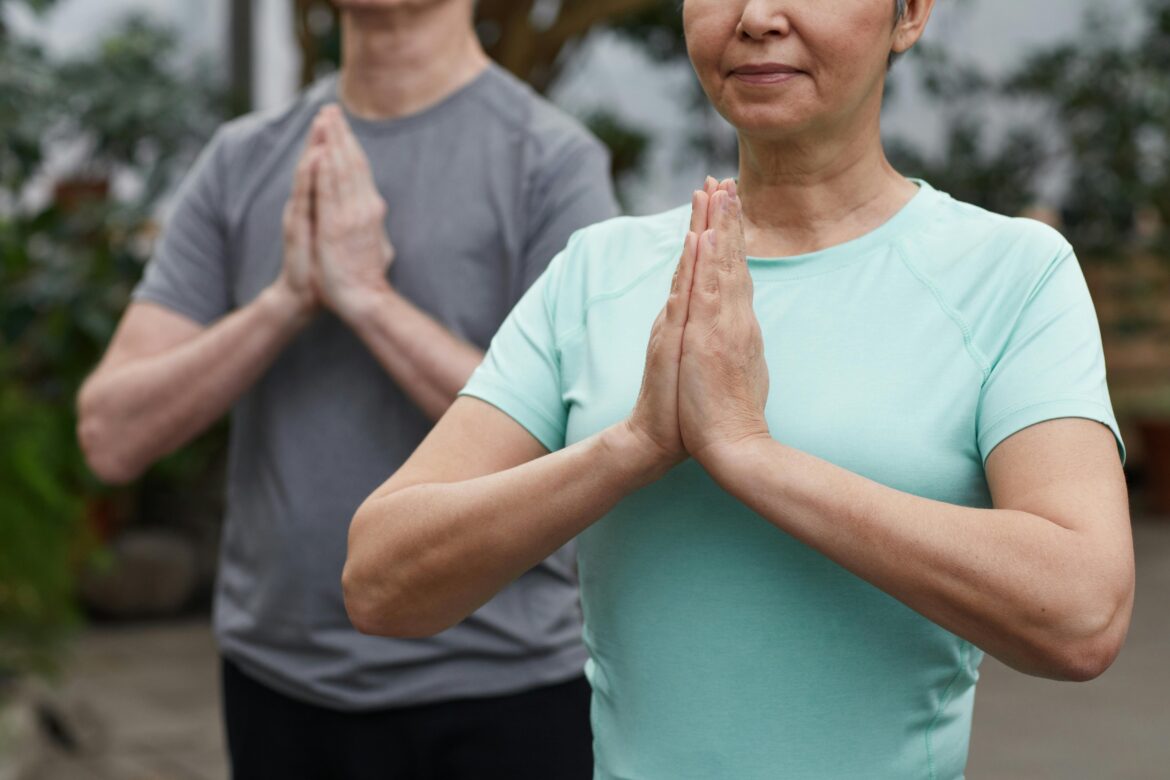
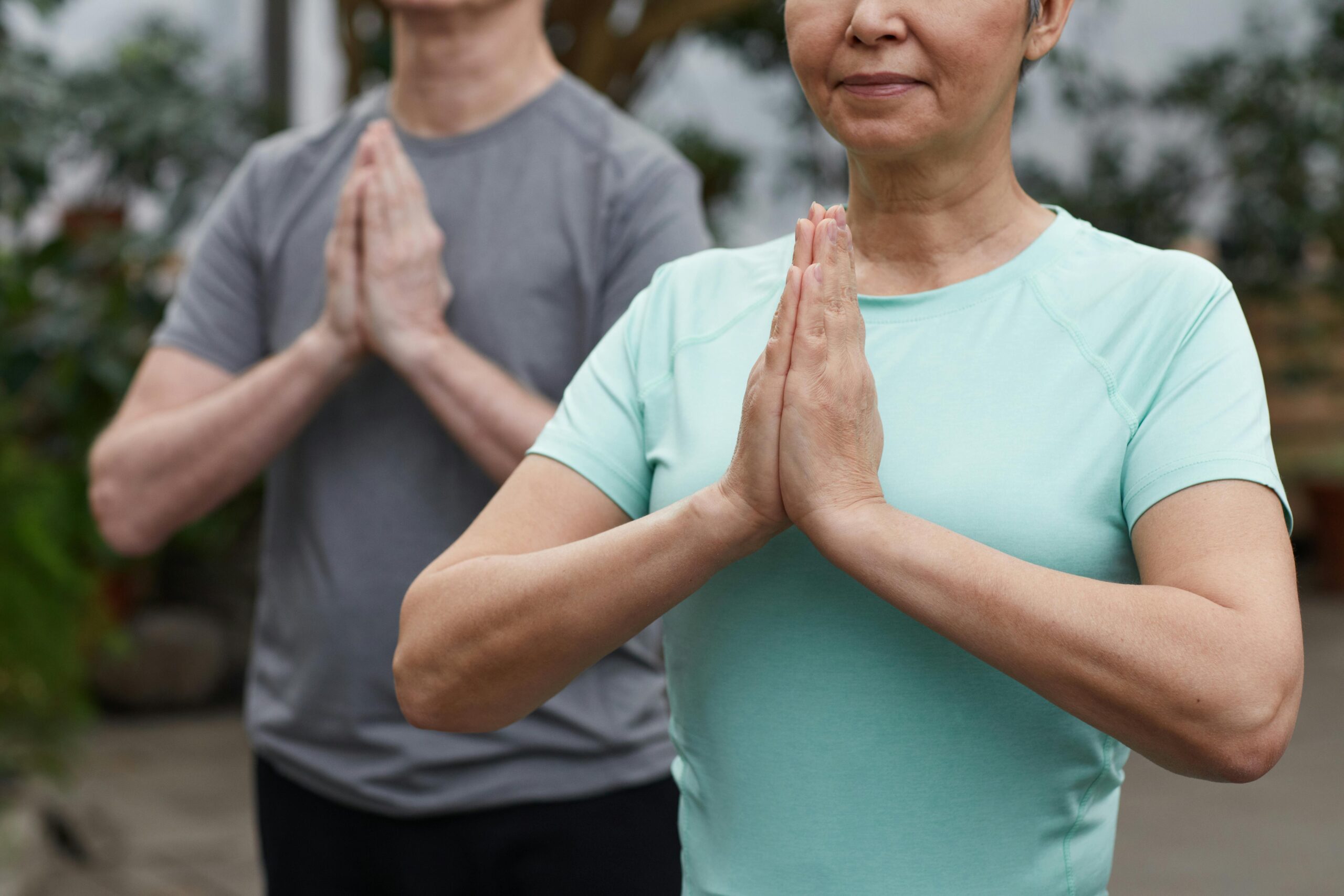
Somatic Practices: Tai Chi and Pilates use mindful movement and breath techniques to help people connect their physical sensations with their emotional states. The practice helps people develop their strength while it creates a soothing effect on their nervous system.
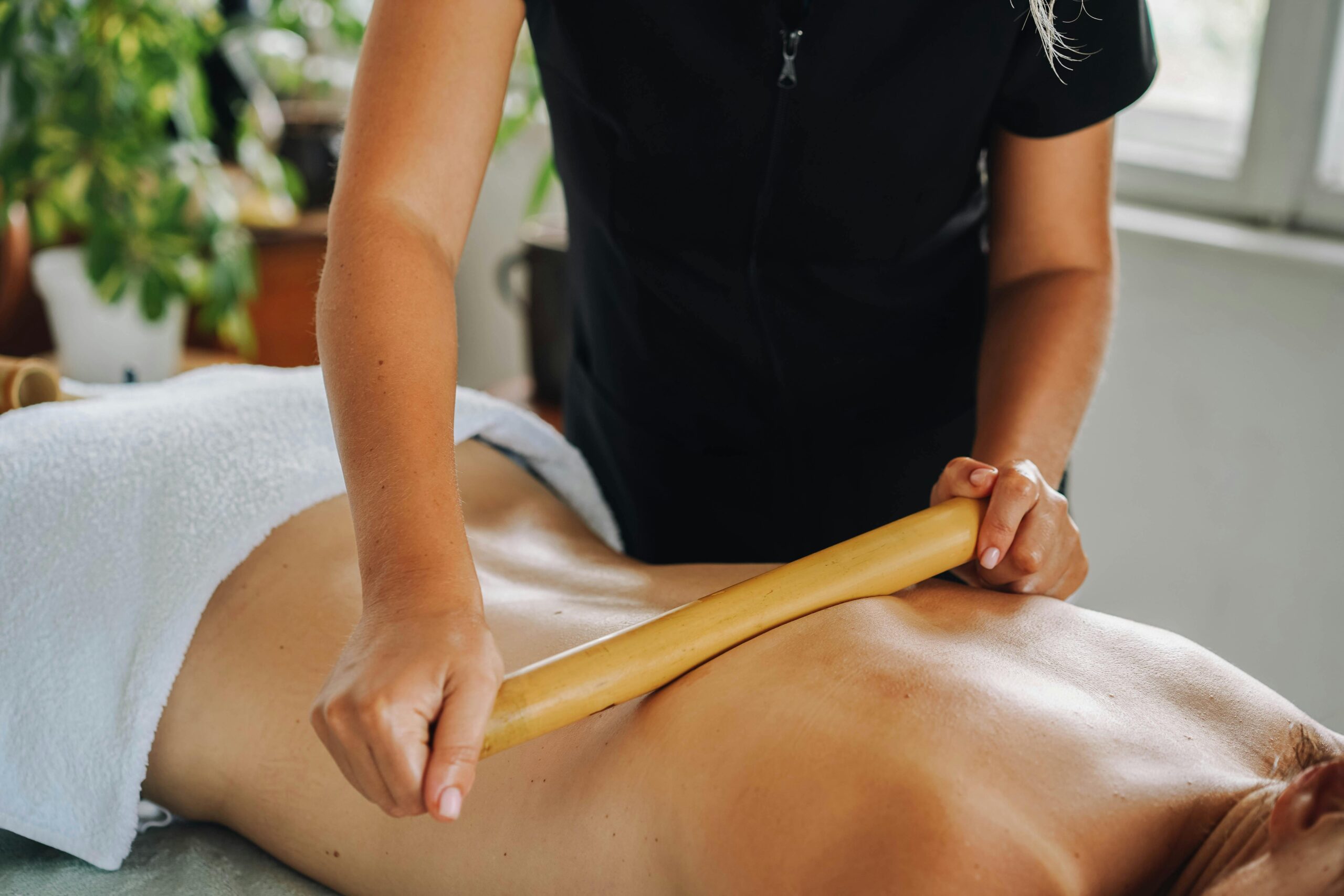
Bodywork Therapies: The field includes massage therapy together with chiropractic care and physical therapy practices. These methods address structural issues which enable patients to release muscle tension that results in better movement and faster recovery from their injuries.

Social and Community Wellness