
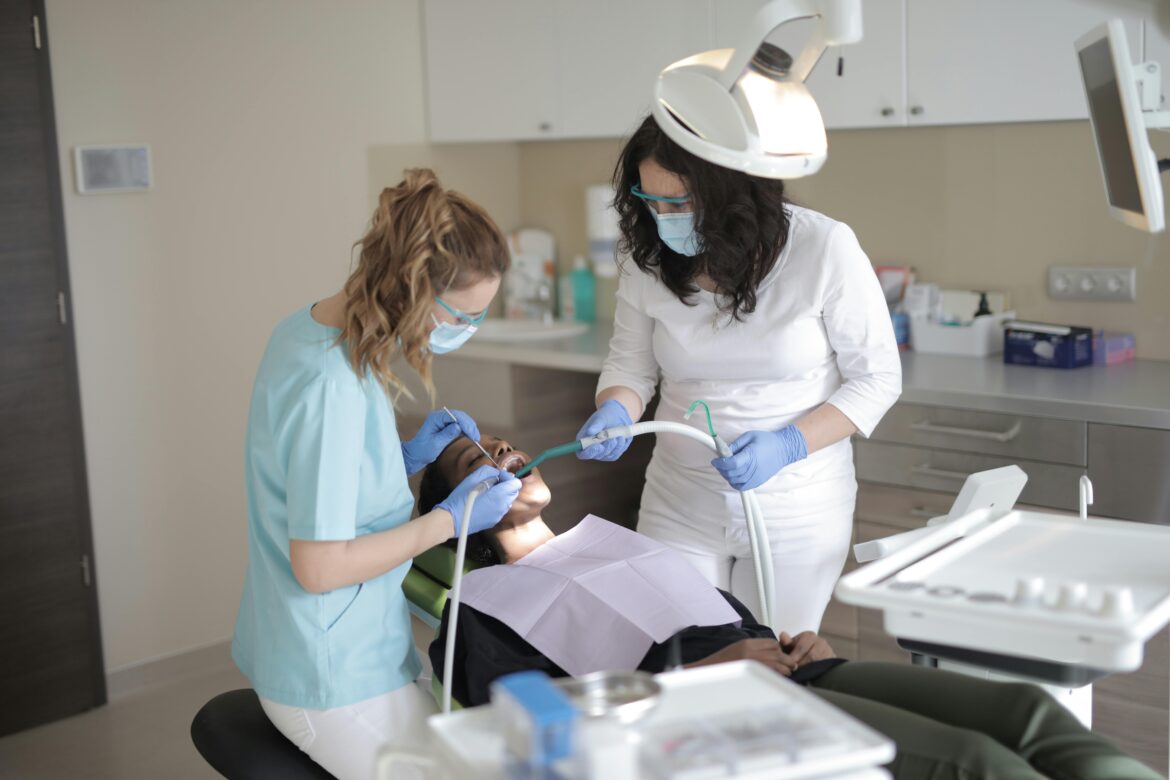
A patient lies on the table with jaw tension that will not release and you notice they flinch when you touch the masseter or the jaw angle. This resistance often comes from a dental problem instead of a muscle issue. Dental infections or damage to a pearly white can cause muscle guarding in the face. These physical reactions are the body’s way of protecting a vulnerable area.
When a dental unit has deep decay or a crack, the soft pulp inside gets infected. This situation often leads people to visit endodontist specialists in Dubai to save the structure. Keeping the natural bone is better than pulling it because it saves the jaw and it also keeps other teeth from moving out of their proper place. This helps maintain a balanced bite for the patient over time.
Signs You Might Need Care
Pain in the face or jaw often means a dental unit needs professional help. Patients might feel sharp pain when they bite down on food, they may also feel a lingering ache after drinking cold water. These signs show the nerves inside the enamel are sending out distress signals. If nobody treats the infection, it can move into the bone around the root.
An infected area affects more than just the mouth during the early stages. The body creates inflammation that can make neck pain feel much worse. Manual therapists can help more when they know how nerve supply and muscular coordination work together; fixing the infection is the only way to stop the muscle guarding. This helps the nervous system finally calm down and rest.
Common Physical Indicators
Therapists can watch for specific signs that a client needs a dentist. These clues show up during a normal physical check of the head.
- Swelling in the gums near the root of the affected area.
- An enamel unit that looks darker than others nearby.
- A small bump on the gums that looks like a pimple.
- Pain that spreads from the jaw toward the ear.
The Process of Saving a Dental Unit
Many people feel nervous about this procedure because of old stories about pain. Modern dental tools and good numbing medicine make the visit very comfortable now. The main goal is to take out the damaged pulp and clean the area. This removes the bacteria that cause pain and facial swelling. Most patients feel much better as soon as the pressure is gone.
The dentist makes a small opening in the top part of the structure. They use tiny tools to clean the canals and prepare them for a seal. According to the American Association of Endodontists, this treatment has a very high rate of being helpful. After the cleaning, the dentist fills the space with a safe material. A crown is usually placed on top to keep the unit strong.
Steps During the Visit
Knowing the steps helps people feel less worried about what happens next. The dentist follows a clear path to fix the area and stop the infection.
- The dentist numbs the area so the patient feels nothing during work.
- A small rubber sheet keeps the mouth dry and clean from saliva.
- The dentist removes the sick tissue from the inside of the unit.
- Liquid cleaners wash away any remaining bacteria from the root canals.
- A rubbery filling seals the canals to keep new bacteria out.
Recovery and Better Health
The days after the work might involve some light soreness in the jaw and patients should not chew on that side until the final crown is ready. Most people notice their original ache goes away right after the first visit. This relief lets the body move out of a stressed state, it helps the muscles around the face finally start to relax and heal.
Manual therapists can help a lot during this healing time for the patient. You can work on stretching the muscles of mastication to improve jaw movement. Gentle touch helps clear out old swelling from the previous infection. Balanced muscles make the dental work last longer and protect the patient. This approach prevents new jaw problems from starting in the future.
Tips for Early Healing
Patients can take simple steps to stay comfortable while the area heals. These actions help the swelling go down faster and prevent new pain.
- Use over the counter medicine if the dentist says it is okay.
- Eat soft foods like yogurt or soup for a few days.
- Keep brushing the area gently to keep it clean and healthy.
- Call the dentist if the swelling does not go away quickly.
Precision and Structural Health
A successful treatment depends on how well the dentist cleans the root system; if bacteria stay inside, the infection might come back later on. Many offices now use 3D imaging to see the area from every side and this helps the specialist find tiny canals that do not show on x rays. More detail leads to a better result for the patient’s long term health.
Data from the National Institutes of Health shows that keeping your own enamel is best. Real dental units help you feel how hard you are biting and they also keep the jawbone strong and healthy as you get older. Implants are good, but they do not have the same natural feel. Saving the unit is a big win for the body’s structure.
Oral Health and the Body
The link between the mouth and the body is very strong. An infected area is a source of stress that uses up immune energy. When the problem is fixed, patients often feel they have more energy, the body is no longer fighting an internal battle with hidden germs. This change helps every other part of the body function better.
Therapists who see these links can give better advice to their clients. Finding issues early leads to better health for everyone involved. When the mouth is healthy, the neck muscles can finally relax. Suggesting a dental check is a great way to support physical recovery because healthy dental units lead to a much more comfortable life.
Written by chloe@chloebenton.com

