
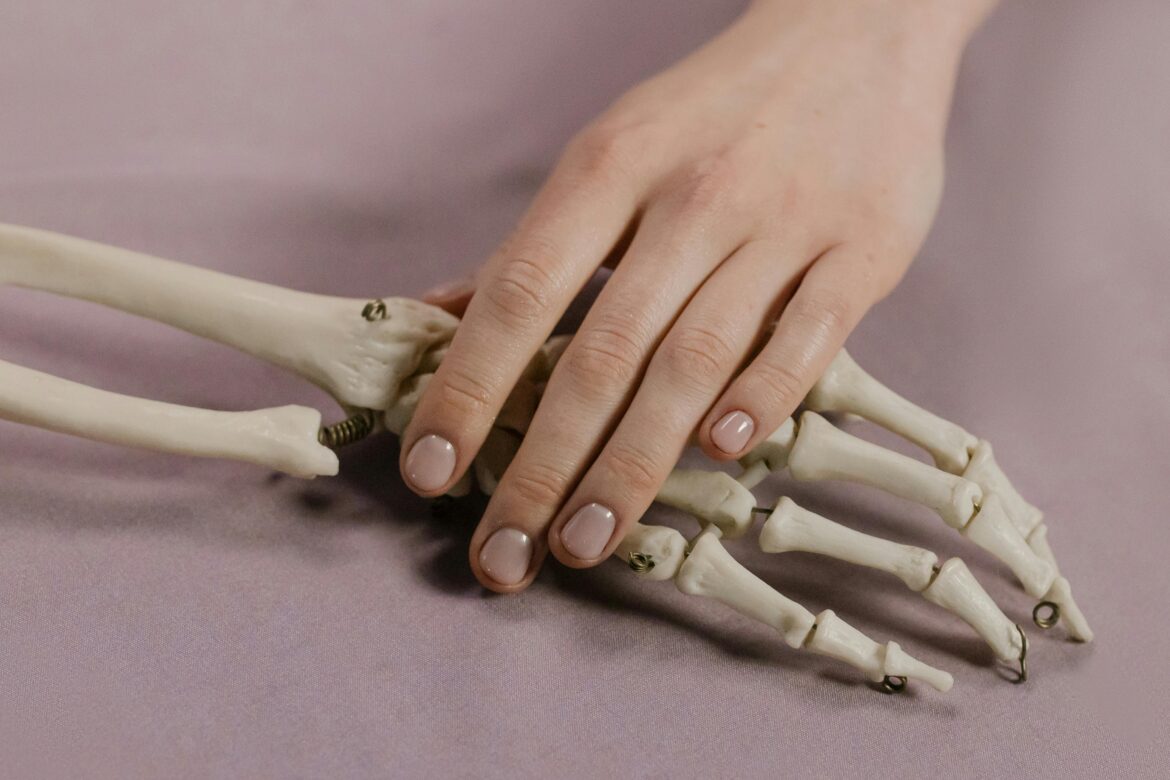
Have you noticed that carpal bones are small, oddly named, and a little too easy to mix up? Without knowing the bone structure of a wrist, it’s easy to assume that they are simple joints, comparable to ball-and-socket hinge joints. However, simpler joints don’t allow for intricate movements, and those tiny carpal bones are what enable the hand and fingers to do delicate, fine motor work. Aristotle’s saying, “The whole is greater than the sum of its parts” makes a lot of sense when considering carpal bones.
When we start to think of the architecture of the wrist and the relationship between the forearm and hand, we start to see how these eight little bones with geometric names help shape movement and load transfer. The carpal bones create the framework that supports the rest of the region, and understanding their structure, positioning, and purpose helps licensed physical therapists assess and treat patients with carpal and related upper extremity joint complaints.
What Are the Carpal Bones?
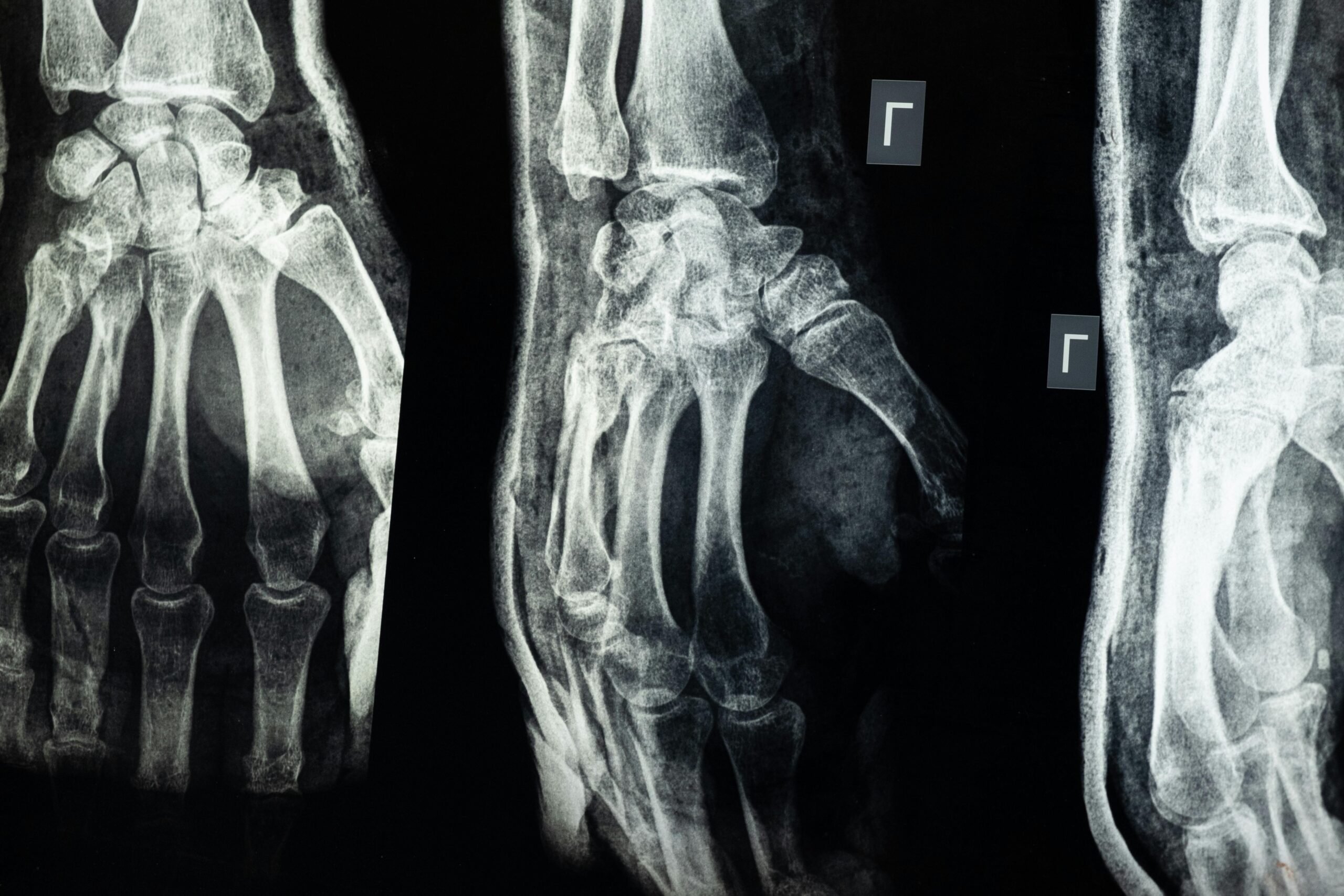
The carpal bones are eight small bones located in the wrist, and their function is certainly not minor. These bones sit between the forearm and the hand like a flexible mosaic and form part of the intricate structure that connects these two regions. They are arranged in two rows of four – articulating proximally with the radius and distally with the metacarpals.
While not being as obvious as the forearm bones, the double-row arrangement gives the wrist a compact yet adaptable design. However, carpal bones don’t get as much attention as muscles and tendons even though they sit right in the middle of the action.
How Are the Eight Carpal Bones Arranged?
The eight carpal bones (with their funky names) are arranged in a proximal row and a distal row. To be clear, these rows are not straight and the bones aren’t uniform in shape, but they do interlock like a higher-grade puzzle.
The proximal row is closest to the two arm bones. The arrangement of the carpal bones from radial to ulnar is: scaphoid, lunate, triquetrum, and pisiform.
The distal row of carpal bones connects to the metacarpals, or finger bones. Their arrangement from radial to ulnar (or thumb to pinkie) is: trapezium, trapezoid, capitate, and hamate.
The scaphoid and lunate often stand out first because of their location in the proximal row and their relationship to the radius. The pisiform tends to be memorable for a different reason because of its distinctive shape and position in the hub of the triquetrum.
On the distal row, the capitate is especially useful as a reference point because it is a large carpal, centrally located. The trapezium is also important because of its relationship to the opposable thumb, allowing us to write, pick things up, and apply force.
Why Does Their Arrangement Matter Biomechanically?
The arrangement of carpal bones matters because the wrist joint is not a single, simple hinge. It’s a region made up of multiple articulations that work together, creating a transition zone between the forearm and the hand.
These small bones help organize how force moves across the wrist; their shape contributes to the wrist’s ability to be both stable and adaptable. They also form the boundaries of important spaces, including the carpal tunnel, which houses the nine tendons that flex the fingers and the median nerve that provides sensation to the thumb and some fingers.
How Is the Proximal Row Different from the Distal Row?
Understanding the different functions of the proximal and distal rows is what gives the wrist a bit more personality. The root meanings of their names give a clue to their position in relation to the arm: proximal indicates close proximity, while distal indicates a further distance from a point.
- The proximal row is closer to the forearm and participates more directly in the upper part of the wrist region.
- The distal row sits closer to the metacarpals and forms the more distal part of the carpus.
The joint relationships between these two rows are a big part of what gives the wrist its structure and adaptability.
What Bony Landmarks Should a Physical Therapist Recognize?
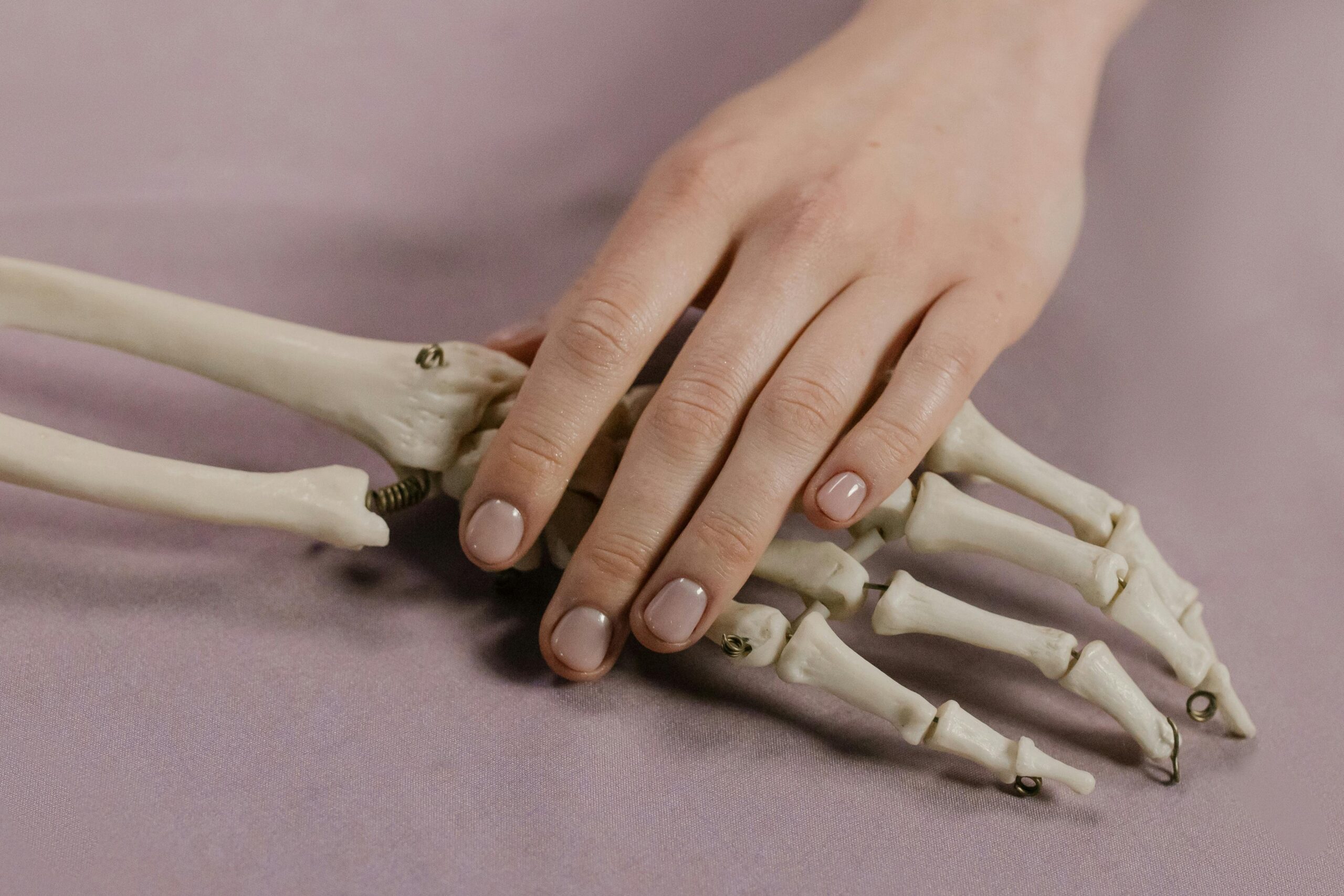
As a physical therapist who uses touch and feel to heal injured soft tissue, being able to identify the landmarks of carpal bones is essential. Here are some bony landmarks in the wrist that can help to orient the region:
- The scaphoid is an important carpal bone on the radial side.
- The pisiform is useful on the palmar-ulnar side.
- The hamate has a hamulus or hook.
- The trapezium is an important carpal bone because it creates the saddle joint of the thumb.
- The capitate is worth remembering because of its central position.
Knowing the landmarks won’t magically make physical therapy on the wrist a breeze, but they can make it feel more manageable. Once you can identify a few major structures, the rest of the region becomes easier to visualize.
Why Do the Carpal Bones Matter in Everyday Wrist Function?
The wrist does a lot in a single day, and carpal bones don’t get much thought or appreciation until there’s a wrist injury. Here are some mundane everyday movements that employ carpal bones:
- Gripping a mug
- Holding a pen, stylus, or dry needles
- Typing on a keyboard
- Opening a jar or using scissors
- Pushing off a chair
- Holding a rail
- Carrying a bag
These tasks are so familiar that it is easy to overlook how much coordination they require. The carpal bones are a major part of that coordination, forming the structure through which load and movement pass.
That is why it is so important for physical therapists to understand carpal bones. Even if the focus is on the carpal tunnel, understanding the carpals gives context to wrist positioning, hand mechanics, and the wrist’s shape, giving a more holistic view of the rehabilitation or therapy required.
What Are Some Common Carpal Injuries and Pathologies?
It helps to mention a few common carpal conditions, because they show why these bones matter beyond understanding anatomy. Here are some common conditions:
- The scaphoid is often discussed in relation to fractures, especially after a fall onto an outstretched hand.
- The Lunate is central on the carpus and plays a role in carpal alignment.
- The hook of the hamate can become relevant in activities involving repeated contact with equipment such as bats, clubs, and rackets.
- Carpal instability refers to the relationship between the bones and their supporting ligaments, affecting smoothness of movement and coordination.
- Carpal bones form the boundaries of the carpal tunnel, which may become compromised with repetitive fine-motor movements.

What Is the Key Takeaway for Physical Therapists?
Carpal bones matter because they shape the wrist in a very literal way. They help create the structure of the wrist, connecting the forearm and hand, and they contribute to the wrist’s ability to manage articulated movement and load.
Understanding their function and landmarks of carpal bones is not about getting an A in anatomy class. It helps physical therapists use the hidden topography of the wrist as a structure for providing targeted therapy and relief for patients in their care.
Written by joann@joanndaniels.com