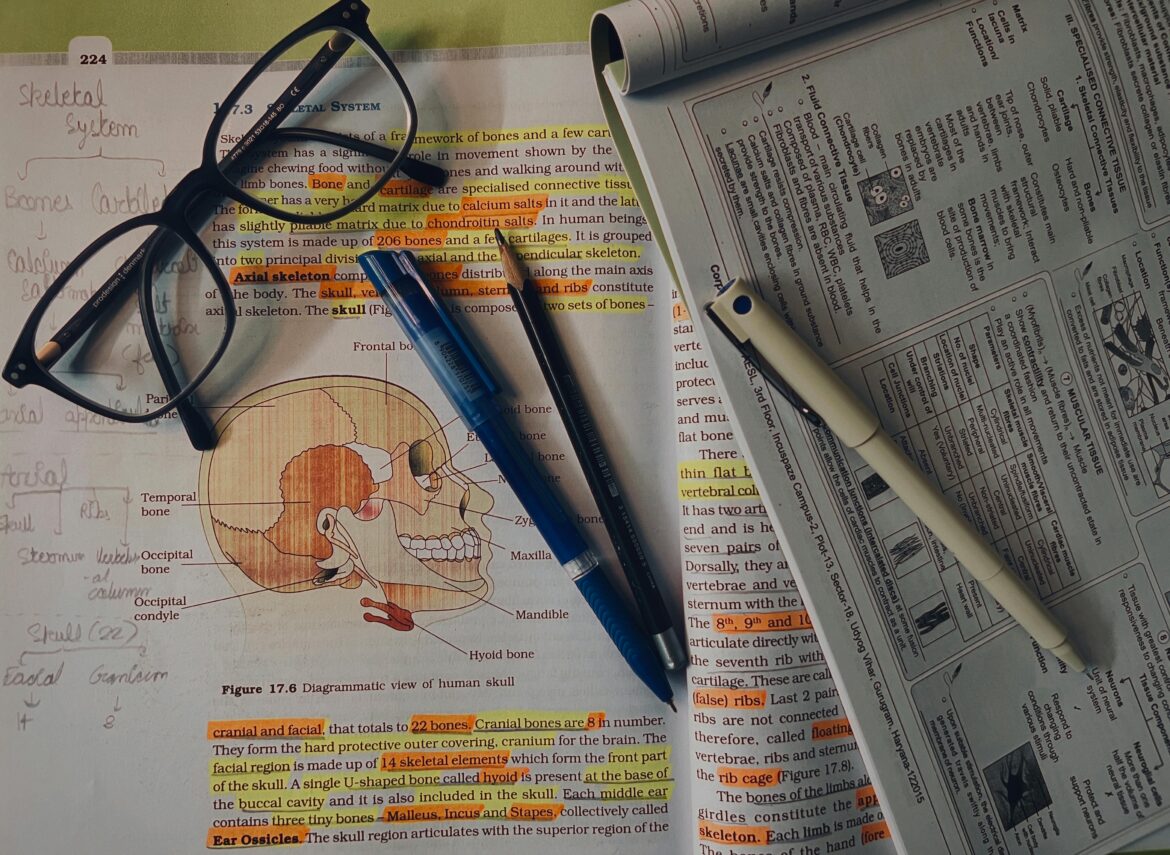
For some people, anatomy is more than a subject in a textbook. It starts with curiosity: learning the names of muscles, understanding how joints move, or noticing how posture can affect pain and mobility. Over time, that interest can grow into a desire to work with people, support healing, and use knowledge of the human body in a practical career.
Nursing is one path where that kind of body knowledge can become incredibly useful. Nurses may not specialize in muscles and movement the way physical therapists, massage therapists, or orthopedic providers do, but they rely on anatomy every day. They help patients move safely, recognize changes in comfort or mobility, prevent complications, and share important observations with the rest of the care team.
For someone who already enjoys studying the body, nursing can feel like a natural next step. A background in anatomy can make patient care feel more understandable and purposeful.
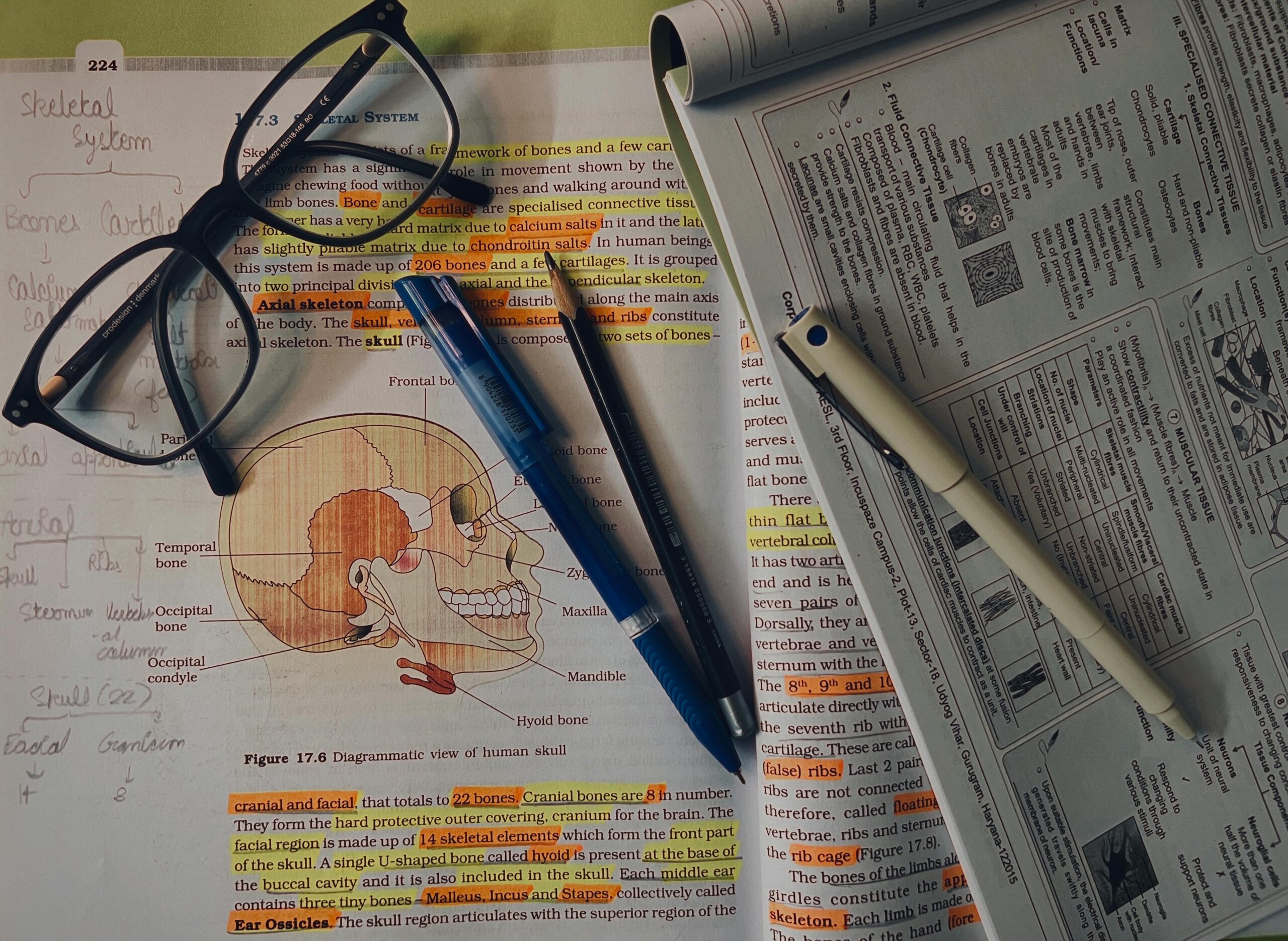
Why Anatomy Knowledge Is a Strong Foundation for Nursing
Nursing combines science with hands-on care. Students study anatomy, physiology, medications, disease processes, and clinical skills, but they also learn how to communicate with patients, notice subtle changes, and respond with patience.
People who already enjoy anatomy often bring a strong sense of curiosity to this work. They may be used to asking questions like: Why does this movement hurt? Which muscles are involved? How does posture affect function? That same curiosity can be valuable in nursing.
For example, when a patient has trouble standing after surgery, anatomy knowledge can help a nurse understand what may be contributing to the problem. Pain, weakness, guarding, balance issues, or limited mobility can all affect how a person moves. When a patient reports back pain, shoulder discomfort, hip stiffness, or difficulty walking, a nurse with a solid understanding of the body may be better prepared to ask thoughtful questions and notice changes that should be reported.
Of course, knowing anatomy does not replace nursing education. It simply gives future nurses a strong starting point. Nursing school builds on that foundation and adds patient assessment, medication safety, care planning, disease management, and clinical judgment. For people who already have a college background and want to move into healthcare, exploring accelerated BSN programs in Texas can be a useful way to see how previous education may fit into a nursing path.
In nursing, anatomy becomes more than memorization. It becomes something you use. It helps explain why a patient needs to be repositioned, why circulation matters after an injury, why breathing can change during illness, and why mobility plays such an important role in recovery.
How Nurses Use Body Knowledge in Everyday Patient Care
Nurses work with the body constantly. They help patients sit up in bed, stand for the first time after surgery, walk down the hallway, change positions, manage pain, and avoid pressure injuries. These tasks may sound simple, but they require awareness of strength, balance, comfort, and safety.
Take patient positioning, for example. A patient who cannot move independently may need help turning in bed. Good positioning can reduce pressure on the skin, ease discomfort, and support breathing. Understanding bony landmarks, pressure points, and muscle tension can make that care safer and more comfortable.
Mobility is another major part of nursing care. After surgery or illness, patients are often encouraged to walk because movement can help circulation, digestion, lung function, and overall recovery. But walking may not be easy. Some patients are weak, afraid of falling, in pain, or recovering after days in bed. A nurse who understands movement can help patients take those first steps safely and know when to call for additional help.
Nurses also notice changes that may seem small at first. A patient who walked well yesterday may suddenly limp today. Someone may start guarding one arm, struggle to grip a cup, or mention new numbness. Nurses do not diagnose every problem on their own, but they are often the first to see when something has changed.
From Anatomy Enthusiast to Clinical Thinker
For those interested in anatomy, it can be very rewarding to learn about the structure of the body including where muscles attach, joint movements and how the body is organised into parts. Nursing builds on this by linking that anatomy to the effects it has on individuals and how they manage their lives and also how that might influence nursing therapeutic decisions. Knowing the diaphragm is a muscle is useful. Knowing how breathing changes in a patient with pneumonia, pain, anxiety, or mobility deficits takes that knowledge to another level. Knowing the muscles of the legs is useful. Knowing how the client’s weakness, swelling, circulation and nerve changes affect their safe walking and risk for falls is another level of knowledge.
This is a radical shift in nursing education as we have traditionally learned anatomy in order to receive a “map” of the body. In the past, the application of anatomy was to take care of a patient who happened to be sick one day and frightened the next day and tired the following day and in pain the day after that. Now, the application of our vast knowledge of anatomy and all of the nursing education that we have received is to meet the needs of a single person today. If you’re an anatomy-minded student, Nursing is a great field to consider. Sure, you have to memorize a lot of the parts, but anatomy is more than just memorizing body parts- it’s applying your knowledge of how the body is put together to help a patient make sense of symptoms and to care for patients.
Career Changers May Already Have Useful Skills
Anatomy students can come from a variety of related professions and academic disciplines including: Massage Therapy, Kinesiology, Exercise Science, Personal Training, Yoga Instruction, Physical and Fine Arts Physical Education, and related fields in Biology and Health Sciences. However, some students, who do not come from these disciplines, have chosen to study Anatomy in order to improve their health and to expand their knowledge of the human body in general.
Even though doctors get more emphasis in the health care system than they used to, nursing is still a separate profession. Here are listed many of the roles that a nurse can serve in the patient’s care: patient teaching, patient advocacy, supporting the patient and their families emotionally, administering of medications, assessing of patients, documentation, following proper infection control, applying ethics, care coordination, and preparing patients and families for emergencies. Many of those roles involve applying the anatomy and physiology studied in high school pre-med classes. Therefore, many of those concepts won’t be new information. People with body-focused experience (such as dancers, gymnasts and yoga teachers) are already used to pay attention not only to bodily behaviour but also to how people move towards their body (how people observe towards the body). People with body-focused experience also get to notice their patients’ gait, areas of tension and how pain influences the way of their patients’ moving. This way of observing is also of value in nursing.

What Anatomy Lovers Should Expect From Nursing Education
When people think about nursing education, they often immediately think about the body part related to the nursing skill. However, nursing education is so much more than that. While anatomy is involved, so is information about illness, medication, communication, safety, and decision making. Now it is time to put all of your learning into practice through clinical training. As you provide quality care and support to patients and families, you will deliver nursing interventions in a variety of health-care settings. For the anatomy lover, there is more than just understanding the relationship between two sets of bones, even though that in itself is wonderful. But most importantly, each body in a hospital room is a living and breathing being in some state of discomfort or distress.
Patients and family members are often tired, confused, and/or uncomfortable, in need of education, reassurance, solid advocacy, and encouragement, in addition to physical care. There is so much to learn about the human body to practice as a nurse. In addition to that, we need to have a broad knowledge of the many procedures and medications used in practice, as well as data about our patients and their families. However, most of all, we need to have an understanding of the human side of all these elements.
Questions to Ask Before Choosing a Nursing Path
Nursing is one of the many options when considering a career. Before selecting this career path, an individual should consider their characteristics and goals. Is direct patient care your goal? If so, there are other options for you to consider. Direct patient care is very challenging and very time consuming. There are many other tasks involved in the profession of nursing, it is time consuming and demanding. There are many different aspects of the career of a nurse and the healthcare environment. Take time to research different programs and schools.
Make a list of questions such as:
- What are the prerequisite requirements for this program?
- What is the format of this school’s program (on-line, classroom, clinical)? What clinical experiences can I expect to participate in?
- What does the faculty and school expect of me?
- What kind of support does the faculty and school provide to its students?
- What resources are available to me through this school?
Some schools offer a “fast track” program for students who enter college with college credit already completed. Make sure you understand the differences between a traditional pathway and an accelerated pathway. The choice between pursuing a MS or Ph.D. degree program depends on several key factors. These factors include your current educational level, time you can dedicate to study, location, budget, and your long term career objectives.
Final Thoughts
You might think that studying the Anatomy would be something that the avid learner would get out of, with little prospects for furthering the hobby in a career. However there are many avenues in the healthcare sector that an in-depth understanding of the body can lead to. Nursing is for people who are interested in the body and its functions and want a career where they can apply that knowledge.
Nursing involves helping a patient to stand and safely transfer, assessing changes in a patient’s mobility, helping a patient recover from illness and injury, preventing complications to the patient, and reporting the patient’s current and changing health status and findings to other members of the health care team. Interested in how the body works? Want to work with patients too? After Anatomy, Nursing could be a future option for you!
Written by Usama Sheikh