
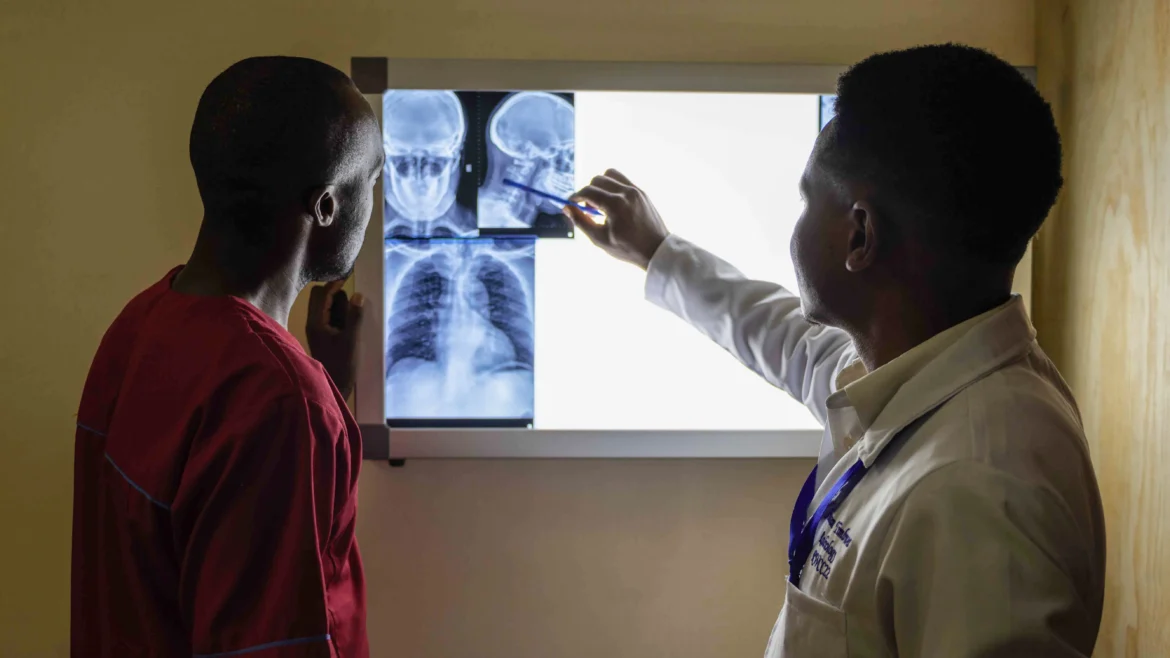
TMJ symptoms are not all jaw pain! The Temporomandibular Joints or TMJ are two joints. One joint is on each side of the jaw allowing it to move forward and side to ways while speaking and chewing. These joints are very closely related to many other things including the muscles of jaw, teeth, neck, your posture, breathing patterns and many of your daily habits. Other areas can also be affected by the irritated jaw or stressed jaw system. As well as jaw pain or aching there can be clicking and stiffness in the jaw, facial pain or headaches, ear pain or sensation of fullness in the ear with or without tinnitus (ringing). Even neck tension or pain can be experienced when chewing. Just because you have a symptom, doesn’t mean you have a diagnosis. It simply means your jaw system needs to be looked at more closely.

Common signs of TMJ problems
TMJ-related symptoms can change over time. They may feel worse in the morning, while chewing, after stress, or after long periods of talking.
Common symptoms can include:
- Jaw pain or aching
- Clicking, popping, or grating sounds
- Jaw stiffness or restricted opening
- Facial muscle pain or tightness
- Headaches linked to jaw tension
- Ear pain, fullness, or ringing
Many people experience several symptoms together. Jaw pain may occur with headaches. Clicking may occur with muscle tightness. Ear discomfort may appear alongside facial tension or neck pain.
Why TMJ symptoms happen
TMJ symptoms rarely have one simple cause. They may develop when the jaw joints, muscles or related structures are placed under repeated strain.
Each of these factors can place excessive strain on the jaw joints, muscles or other related structures of the TMJ. As a result, it is rare for there to be a single cause for TMJ symptoms. Often jaw pain or jaw clicking can develop as a result of muscle overload due to habitual clenching of the jaw. At other times, jaw pain or jaw clicking can be caused by joint irritation, by restricted movement of the jaw joints, by neck problems or by muscle activity that occurs during sleep. A wide range of other factors can also place strain on the TMJ. Jaw pain or jaw clicking may occur as a result of posture, stress, fatigue or a variety of repetitive jaw habits.
Just because two people have the same symptoms does not mean that the causes of those symptoms are the same. For example, someone with habitual clenching may have pain in their jaw due to the muscle overload. Another person could have the same pain in their jaw due to inflammation in the joint or even due to limited movement in their jaw or restricted movement in their neck. The muscles of the jaw and face can become active during sleep and cause pain in the morning.
When assessment may help
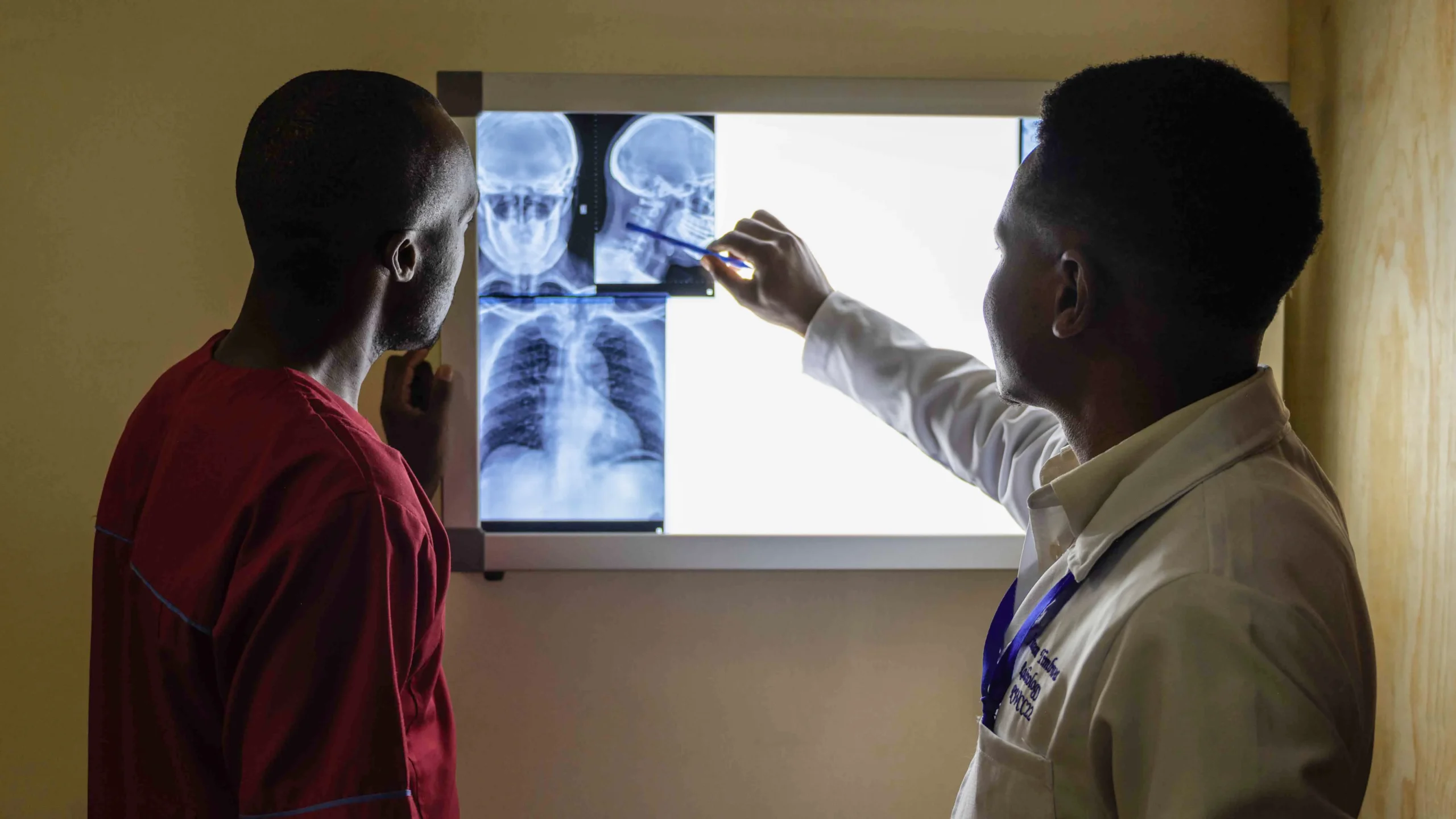
A TMJ assessment is indicated when symptoms become persistent or return from time to time, or when the cause of the symptoms is unclear. TMJ assessment indicated for symptoms that last more than a few weeks including:
- Jaw pain or aching;
- Pain on chewing;
- Clicking with pain;
- Jaw locking;
- Reduced mouth opening;
- Headaches that are caused by jaw tension;
- Ear problems that are associated with jaw pain.
An assessment of the TMJ is more than just a diagnosis of a TMJ disorder. It needs to look at all of the jaw movements to check for any restrictions or pain. It also needs to check all of the muscles of the jaw, face and head for any tenderness or pain. It also needs to check the way the teeth are biting together and whether they are in a normal position for the jaw. Also it looks at behavior such as clenching and grinding of the teeth. When assessing the TMJs, it is important that clinically appropriate consideration be given to dental aspects as well as to the various musculoskeletal structures affected by the TMJs.
Diagnosis comes before treatment
TMJ care of jaw, facial, head, neck and ear symptoms can involve more than one approach to treatment. The TMJ care that most people need is best delivered in a staged manner and monitored over time as required. What this means is that the best care for your jaw, facial, head, neck or ear symptoms will be determined by your specialist TMJ assessment and a number of different approaches or tools will be required to manage your symptoms optimally.
For more information about specialist TMJ assessment and care, visit TMJ Centre Melbourne.
Understanding your symptoms is the first step to receiving the right TMJ care. A thorough TMJ assessment by a specialist will identify the causes of your jaw, facial, head, neck or ear symptoms and establish an effective treatment plan.
Written by Lea Collins