Long dental appointments load the masticatory muscles and the cervical spine. How manual therapists can assess, treat and refer clients recovering from dental treatment.


Below you'll find a list of all posts that have been tagged as “Neck pain”
Long dental appointments load the masticatory muscles and the cervical spine. How manual therapists can assess, treat and refer clients recovering from dental treatment.
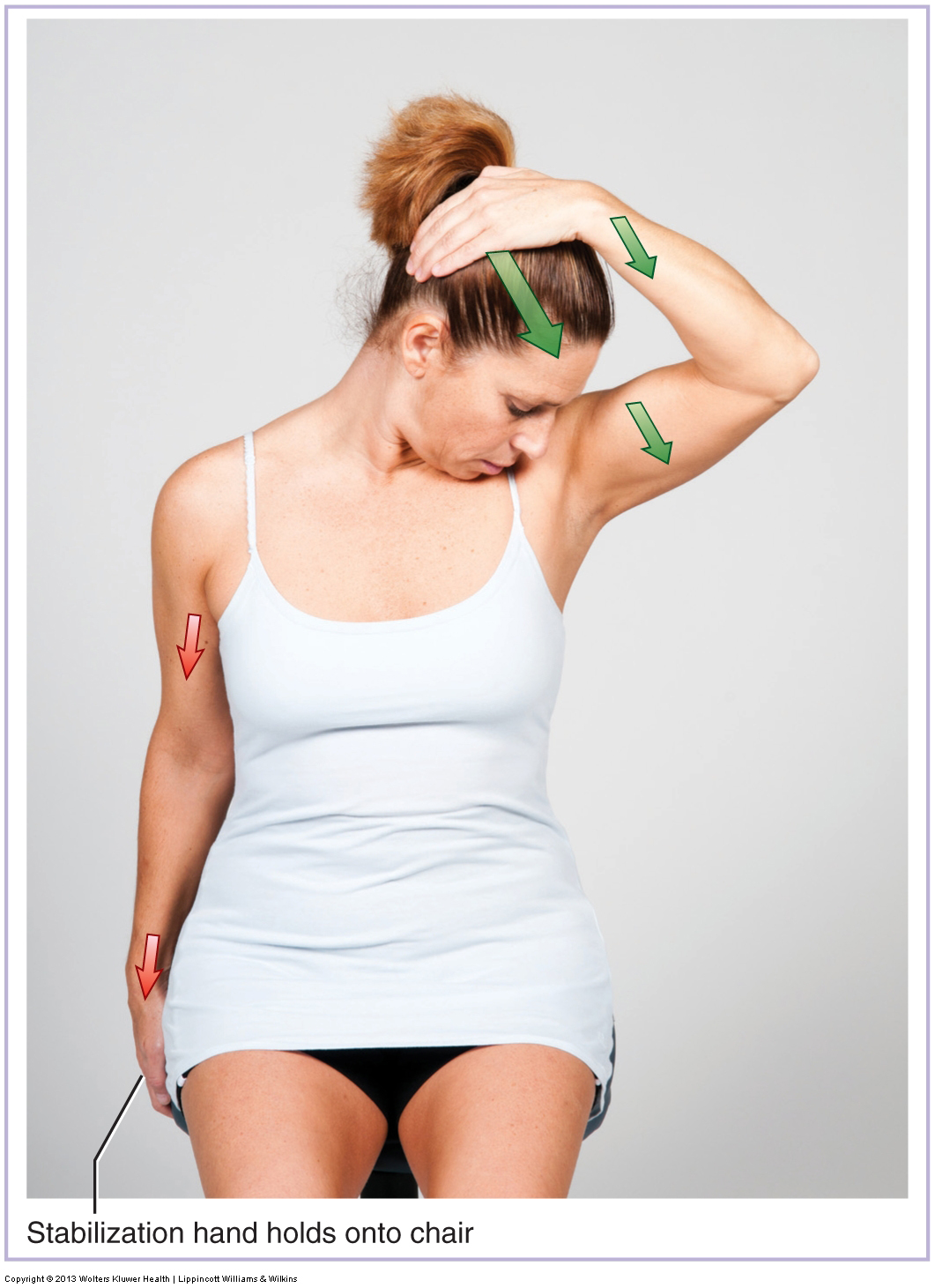
Self-care application of heat and stretching is an extremely important part of the treatment regimen for clients with spasmed neck muscles.
When those muscles cannot hold the airway open, the client shifts toward mouth breathing. That shift changes how the client breathes, and the anterior neck absorbs the extra work.

That people aged 18-21 in this study have not yet begun to experience pain as a result of text neck posture does not surprise me at all. They are simply still too young to experience what the physical stress of the overuse of text neck posture will eventually do to them.
Stem cell treatment is one option that has drawn growing interest as an alternative to surgery, but it comes with real limitations and is not the right fit for every case.
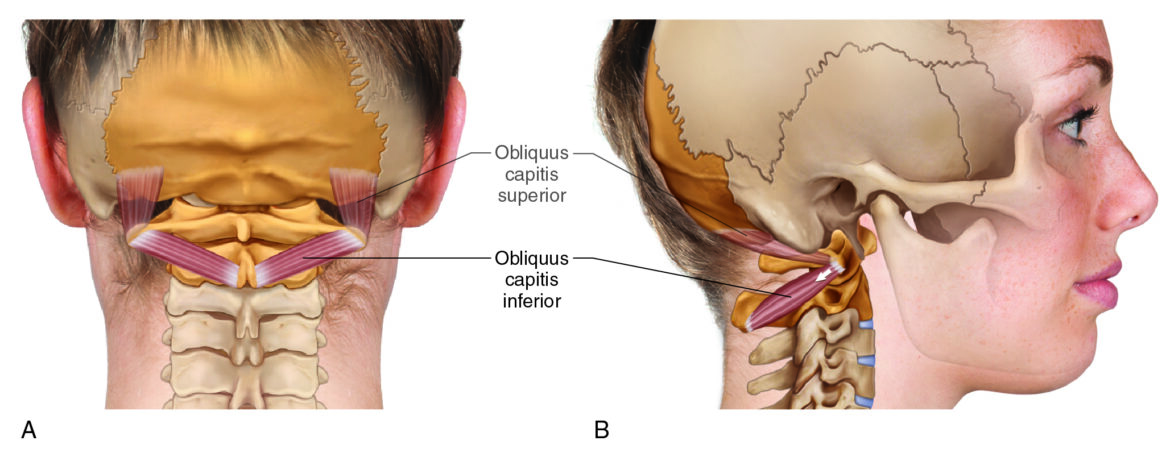
The emphasis of this article is on the importance of the naming of muscles, highlighted by the fact that the obliquus capitis inferior (OCI) is misnamed. However, the OCI is an important muscle in its own right. Given the prevalence of locked-short musculature in the posterior neck, especially in the supoccipital (upper neck) region, the OCI is extremely important clinically.
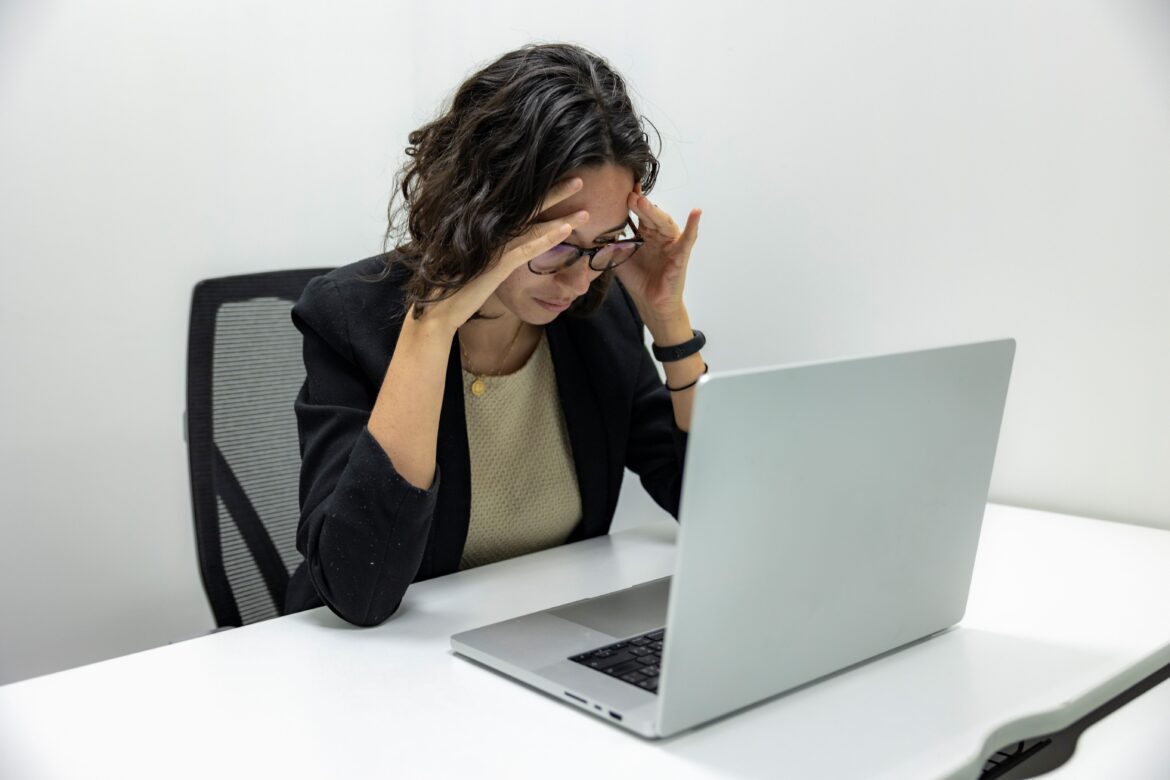
Learn how eye strain can affect posture, overwork neck muscles, trigger headaches, and when persistent symptoms may point to a deeper visual issue.
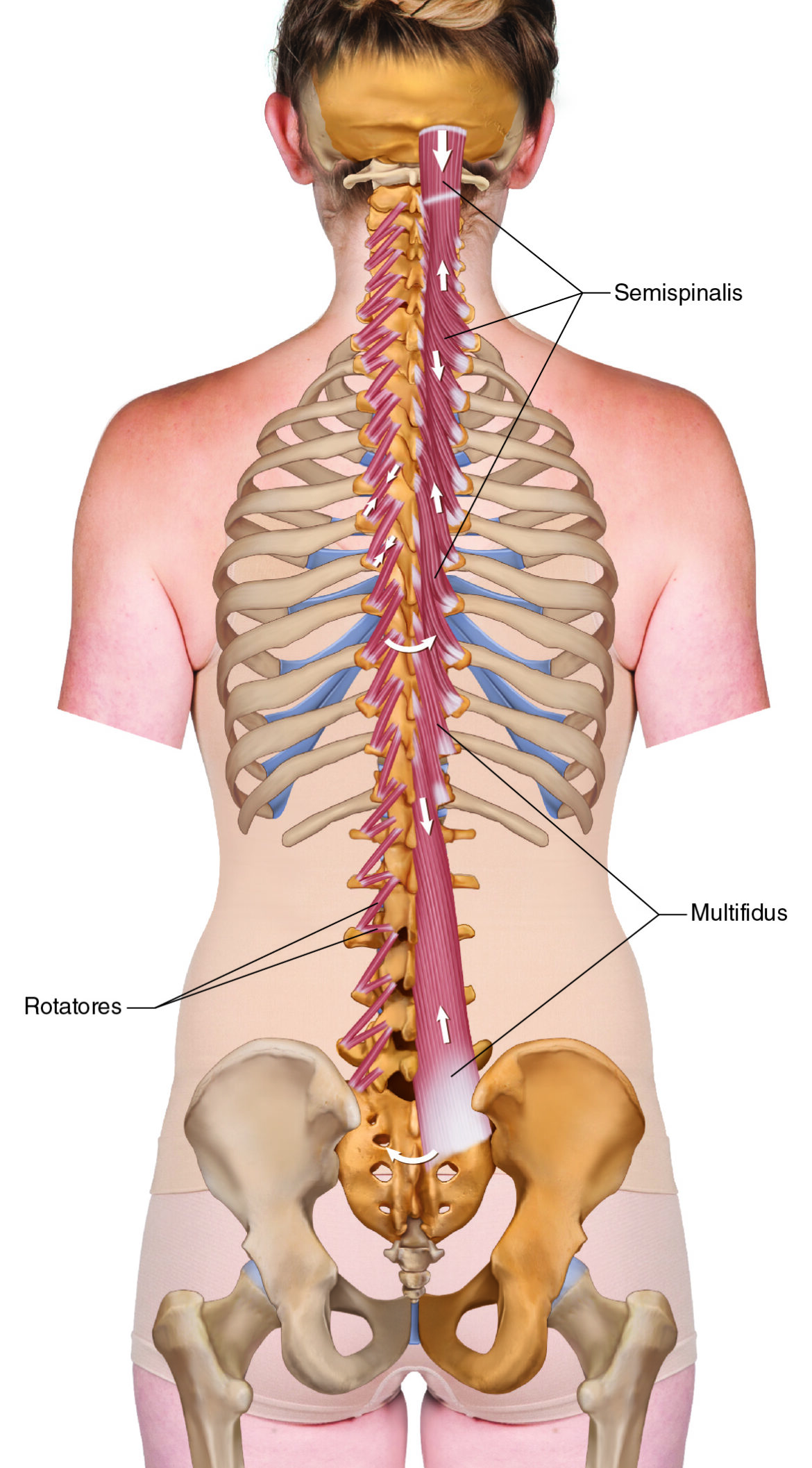
The transversospinalis musculature is extremely important functionally, and important with pain and dysfunction. It includes the multifidus, the thickest muscle of the low back; and the semispinalis capitis, the thickest muscle in the back of the neck. When working this musculature, it is extremely important to work very far medially, over the laminar groove of the spine.
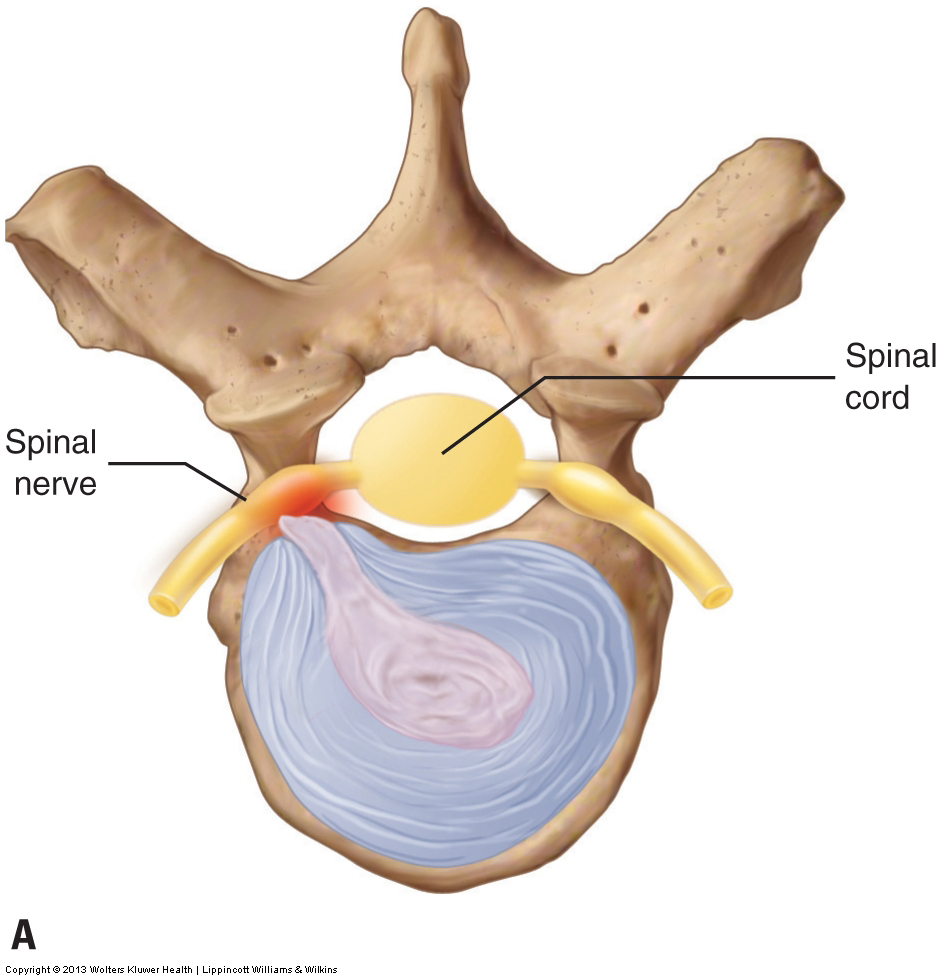
The danger with a disc bulge or herniation is that the disc can compress the spinal nerve within the intervertebral foramen, causing a pinched nerve.
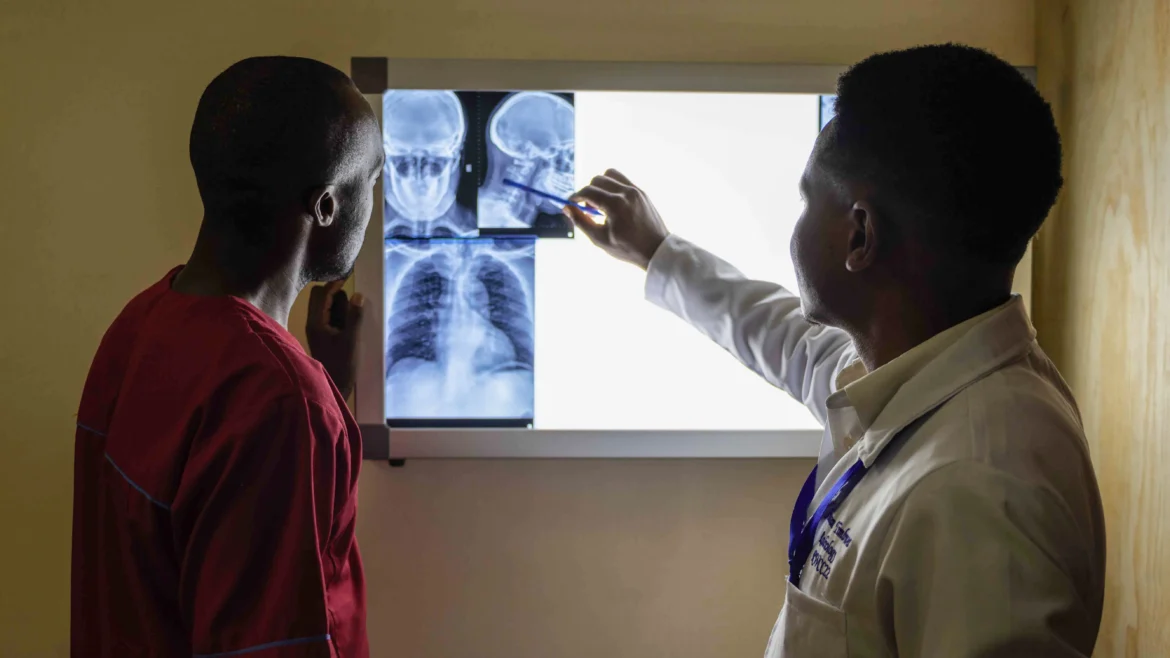
A thorough TMJ assessment by a specialist will identify the causes of your jaw, facial, head, neck or ear symptoms and establish an effective treatment plan.
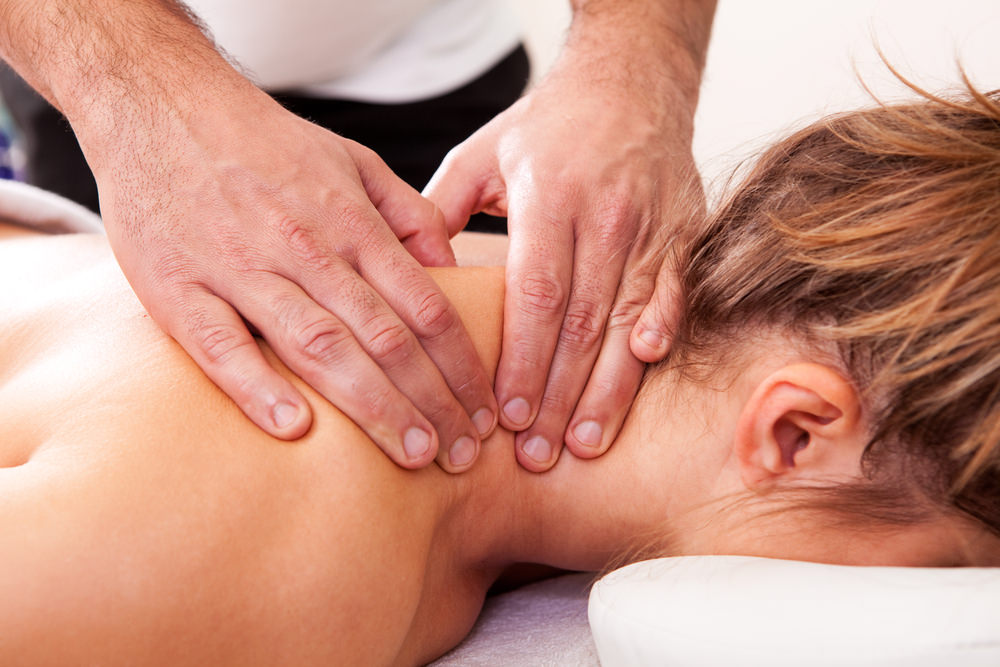
Multiple 60-minute massages per week were more effective than fewer or shorter sessions for individuals with chronic neck pain.
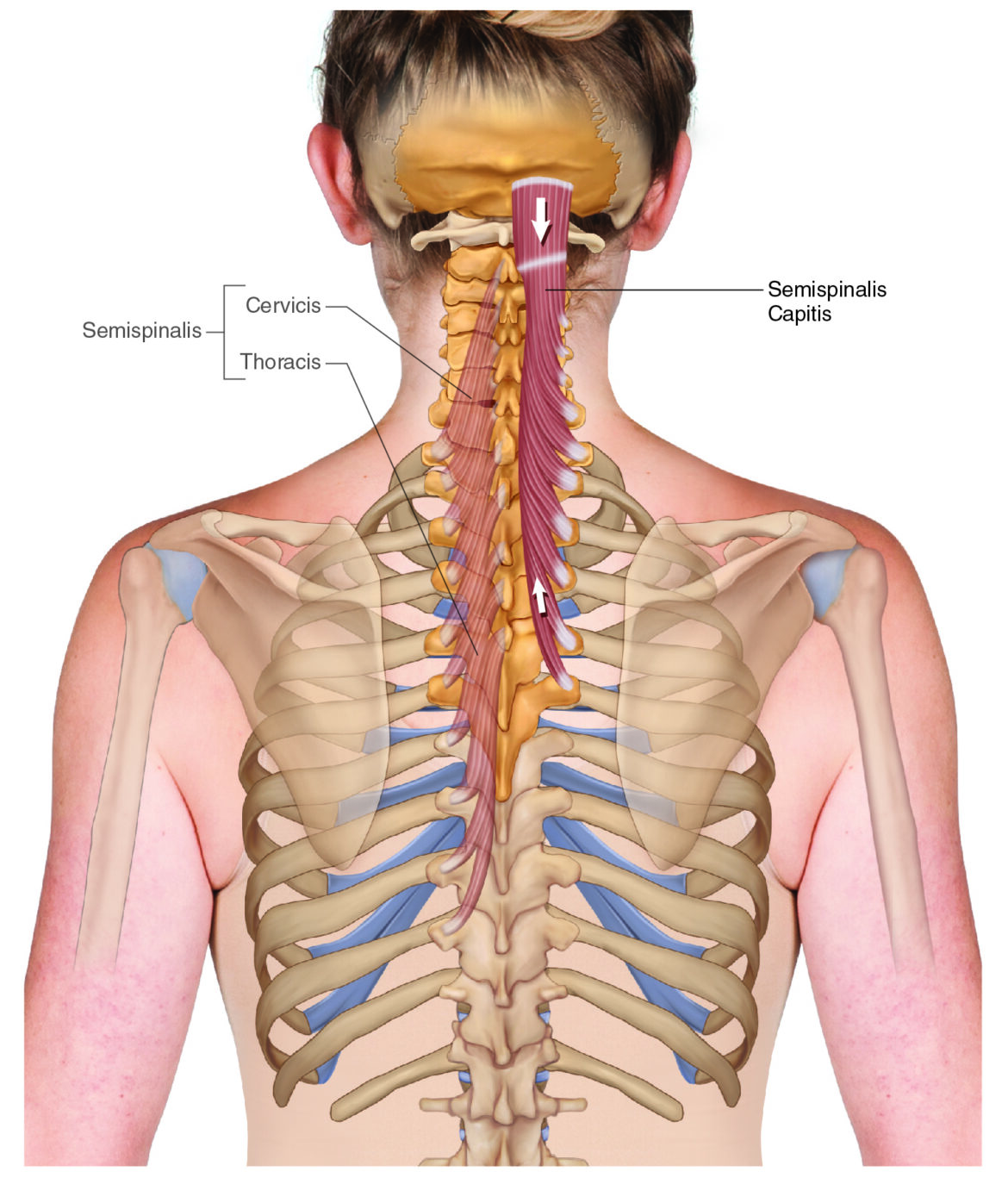
The semispinalis capitis is the largest muscle in the back of the neck — and the most overlooked cause of posterior neck pain. Learn how to assess, palpate, stretch, and massage it.
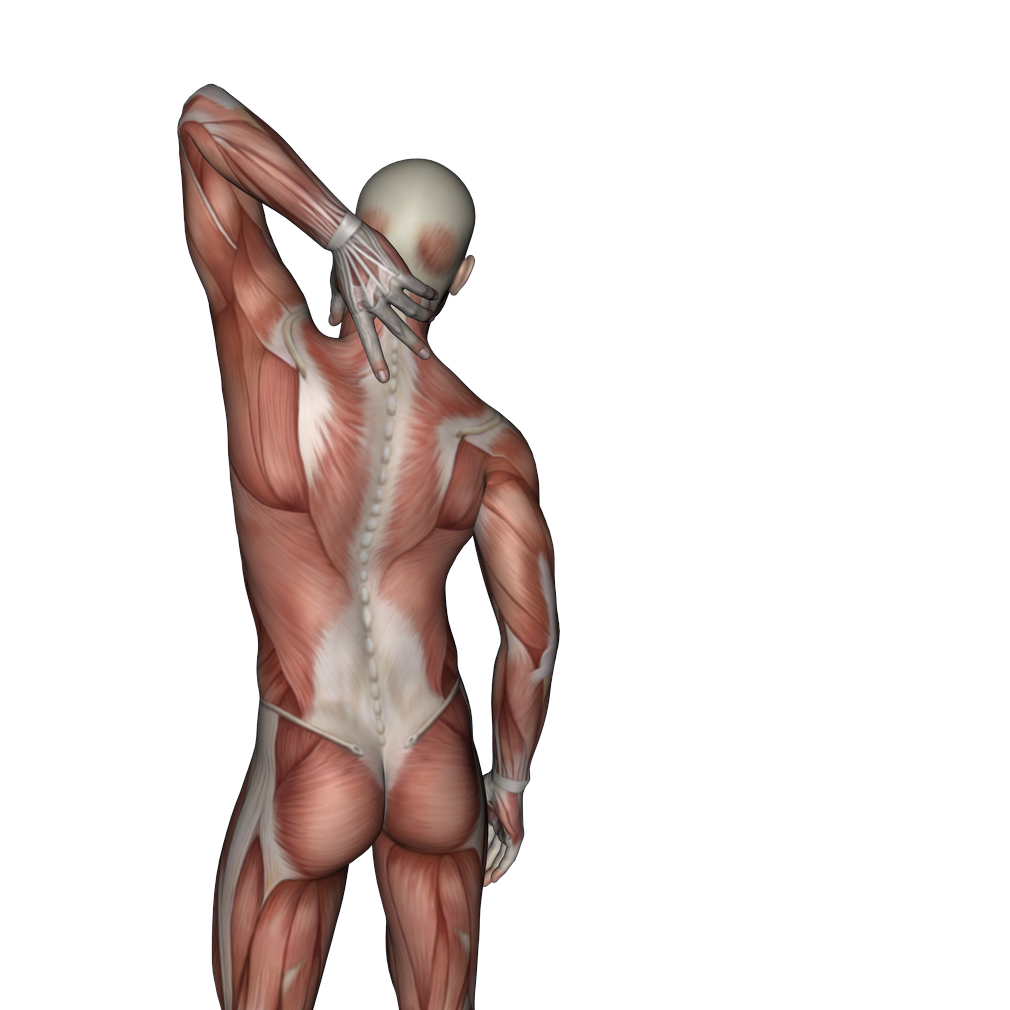
The researchers found that the only intervention to clearly improve neck pain that was supported by the evidence in these studies was targeted neck and shoulder musculature strengthening exercise.
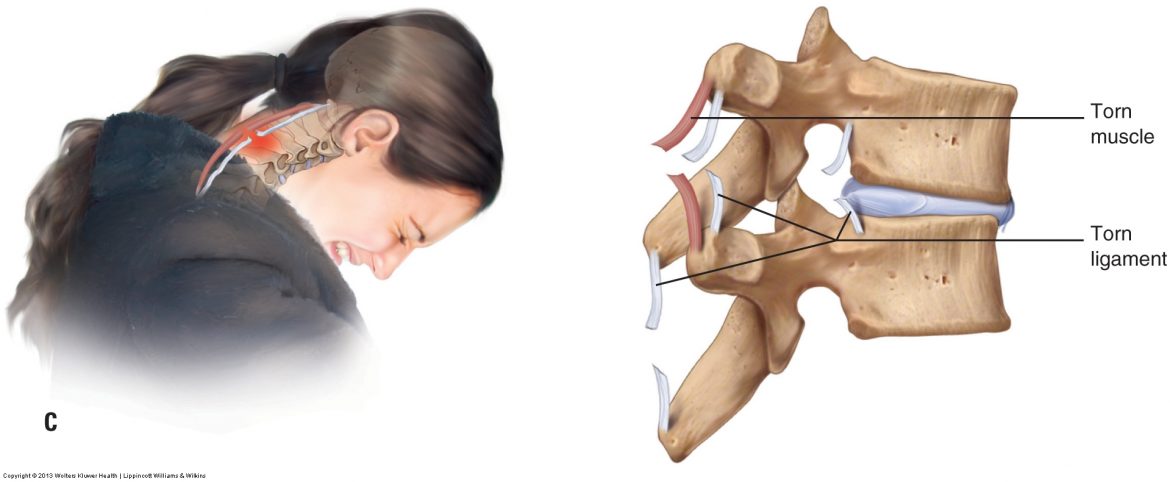
Acute whiplash injuries may result in dizziness due to irritation of the proprioceptors around the cervical spinal joints and muscles of the neck.

With any imbalanced posture (postural distortion pattern), including text neck posture, asymmetrical pathomechanical forces are placed into the tissues of the body. These forces have to have an effect. I believe it is impossible to argue that pathomechanics do not lead to dysfunction.

Chiropractic treatment provides a natural and effective remedy to long-term neck health with a customized solution to each individual.
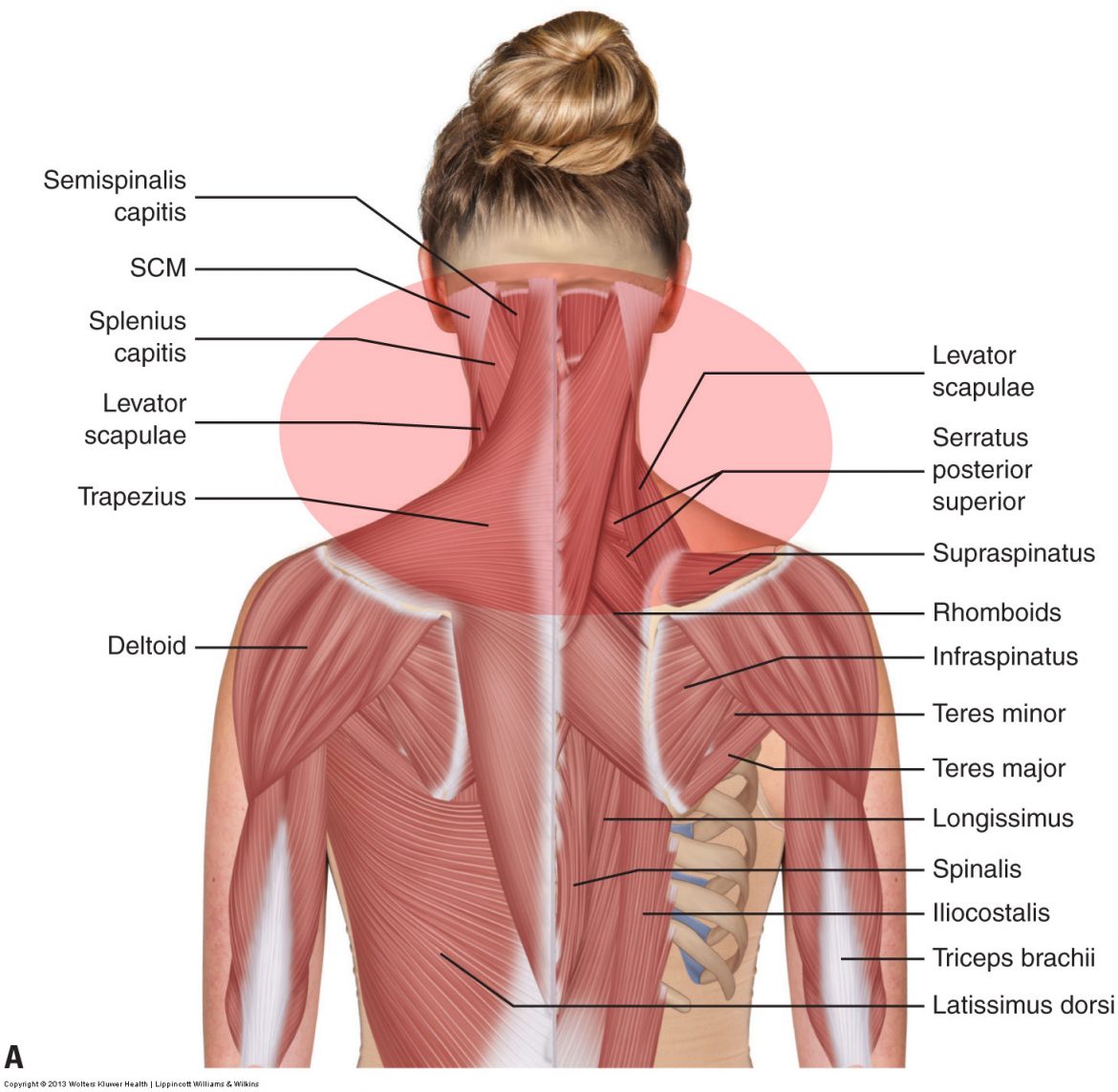
Muscle spasming of the neck occurs because of its role in neck movement and posture, as well as it role in upper extremity movement and posture.
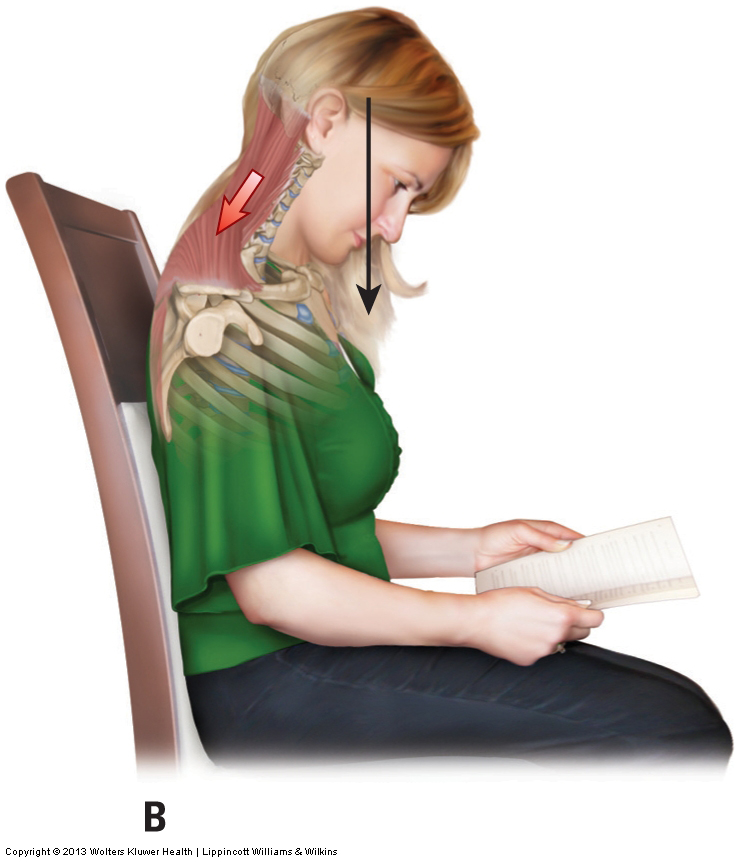
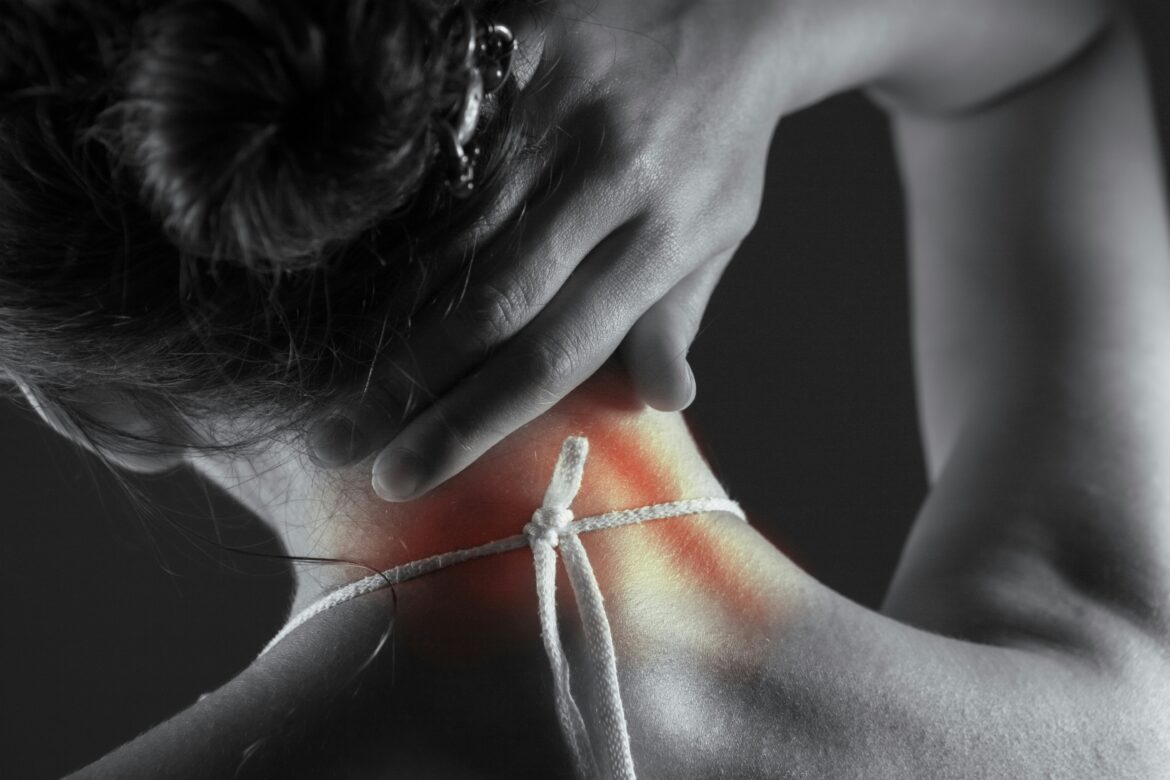
The most common signs and symptoms of spasmed muscles of the posterior neck are pain, a feeling of tightness, and restricted motion.
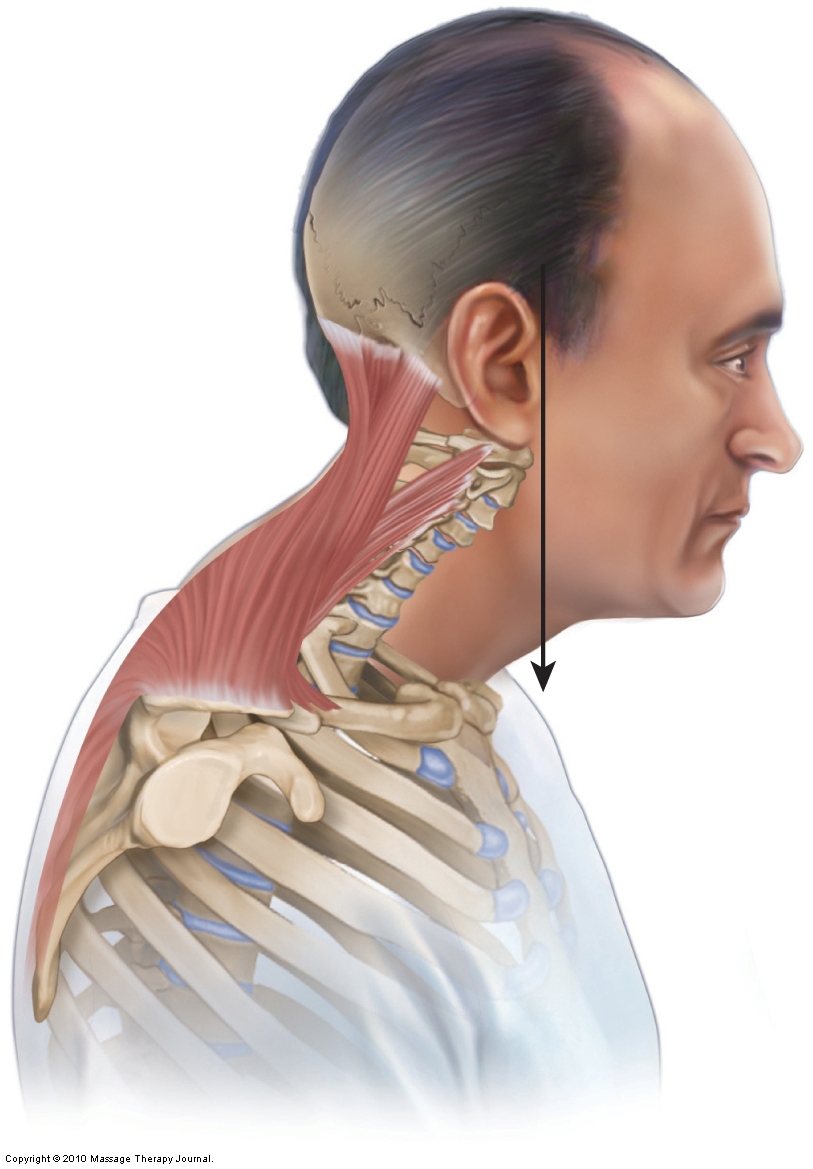
Forward head posture is extremely common, especially as we age. It is part of a larger posture dysfunctional pattern known as upper crossed syndrome.
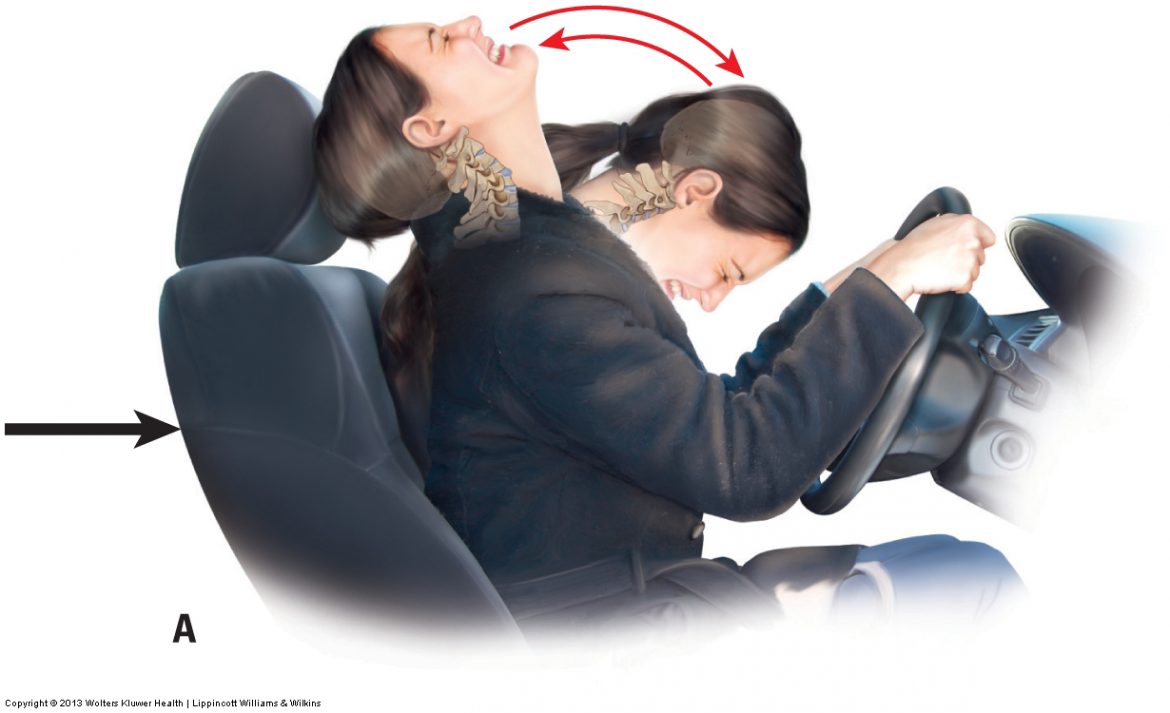
A whiplash is named for the characteristic whiplike motion of the person’s head/neck during a car accident, usually resulting in strain/sprain of the neck.
