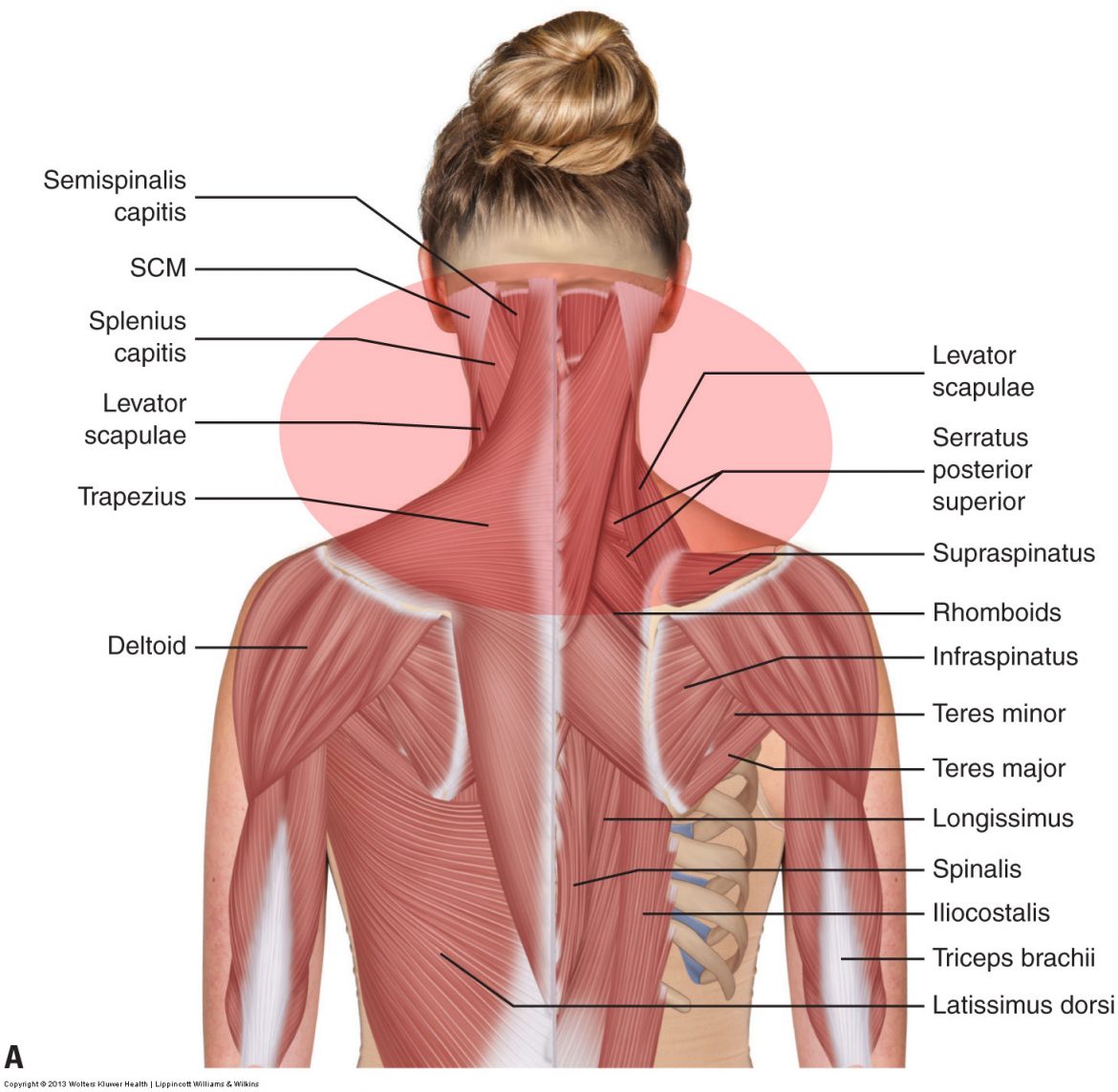
Muscle spasming of the neck occurs because of its role in neck movement and posture, as well as it role in upper extremity movement and posture.

Below you'll find a list of all posts that have been tagged as “Trigger Points”
Muscle spasming of the neck occurs because of its role in neck movement and posture, as well as it role in upper extremity movement and posture.
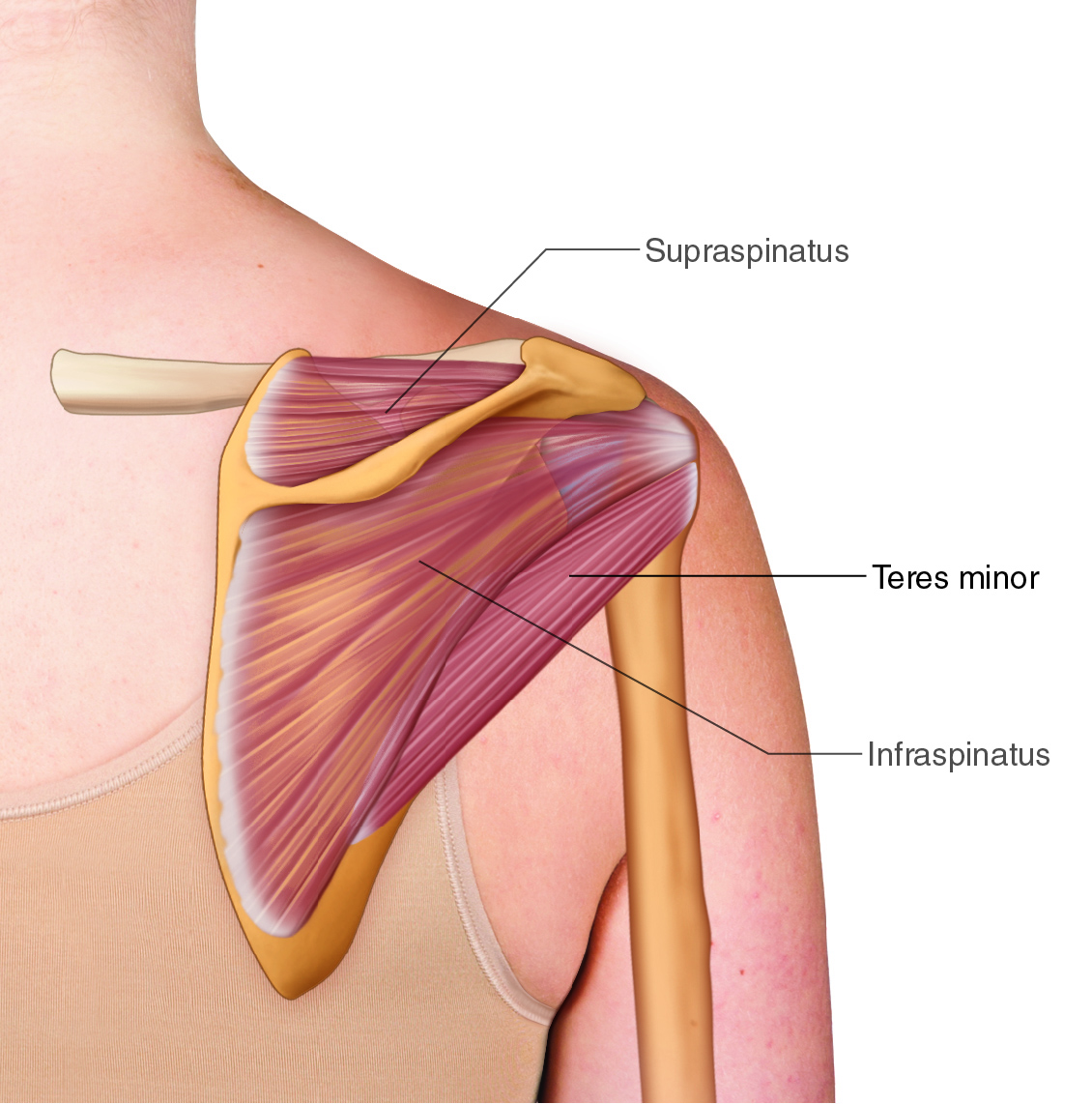
Given the tremendous load that is placed on the teres minor with everyday activities, and its role in rotator cuff pathology and how often it has myofascial trigger points, it is extremely important for the manual therapy practitioner to be competent and effective at working with this muscle.
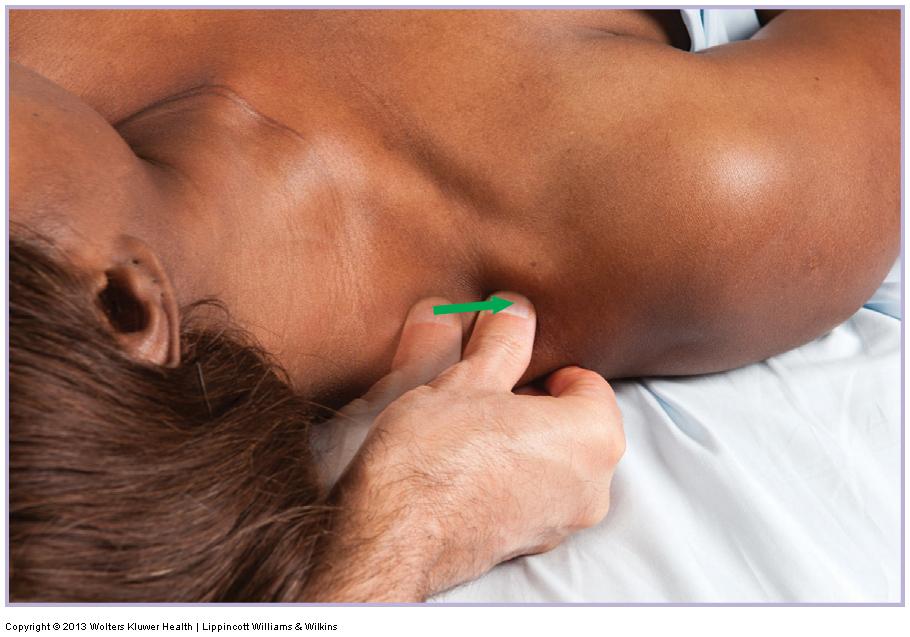
When performing deep pressure massage, deep stroking massage must originate from your core by further rocking your pelvis and extending your spine forward. Short deep strokes to the neck between 1 and 2 inches (2-5 centimeters) in length allow you to preserve optimal body mechanics.
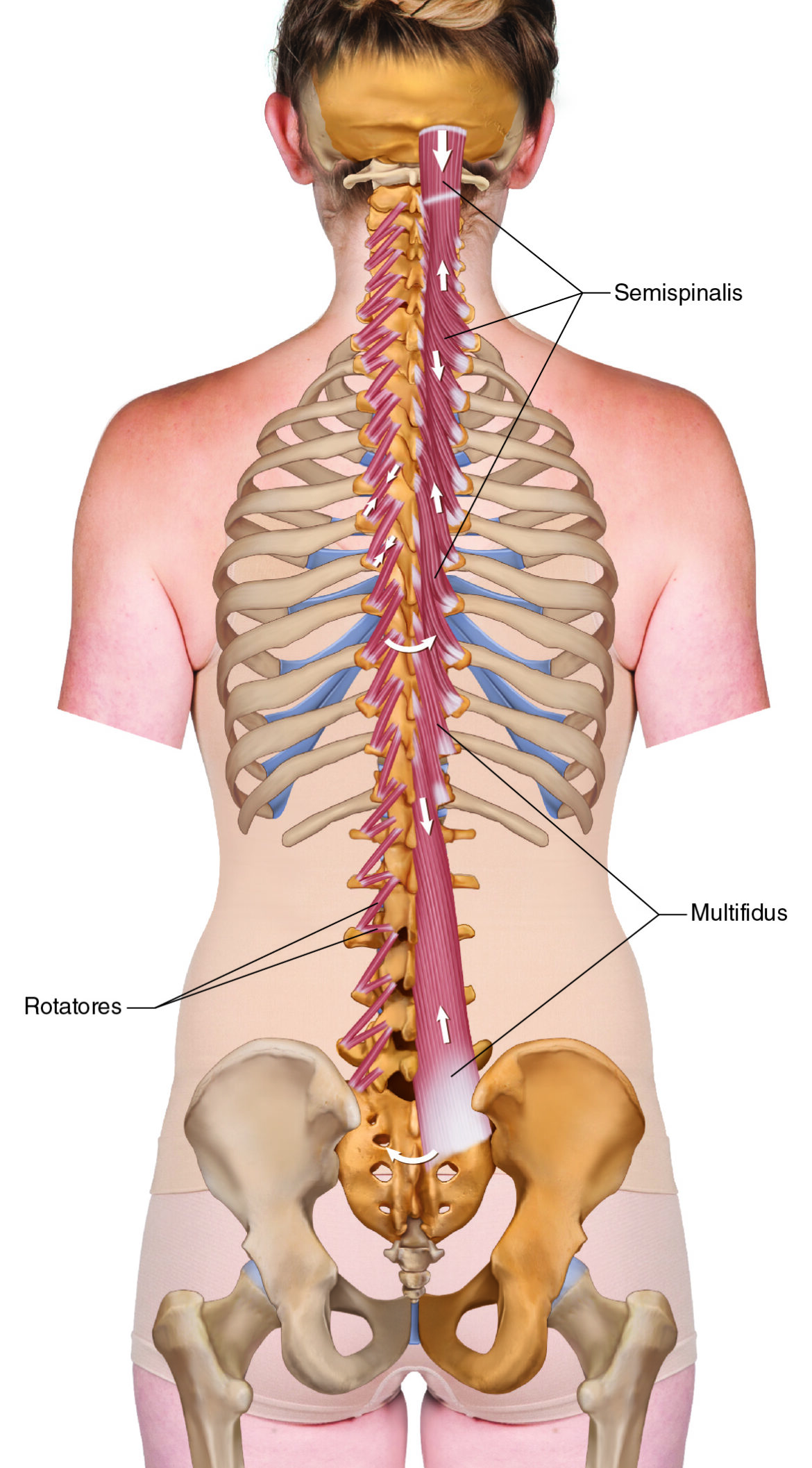
The transversospinalis musculature is extremely important functionally, and important with pain and dysfunction. It includes the multifidus, the thickest muscle of the low back; and the semispinalis capitis, the thickest muscle in the back of the neck. When working this musculature, it is extremely important to work very far medially, over the laminar groove of the spine.

Low back muscle spasming is common because lumbar extensor muscles must contract eccentrically, isometrically, and concentrically whenever we bend forward.
