Semispinalis capitis, pectineus, & vastus lateralis are unusual suspect muscles, often overlooked by manual therapists, that can cause pain and dysfunction.
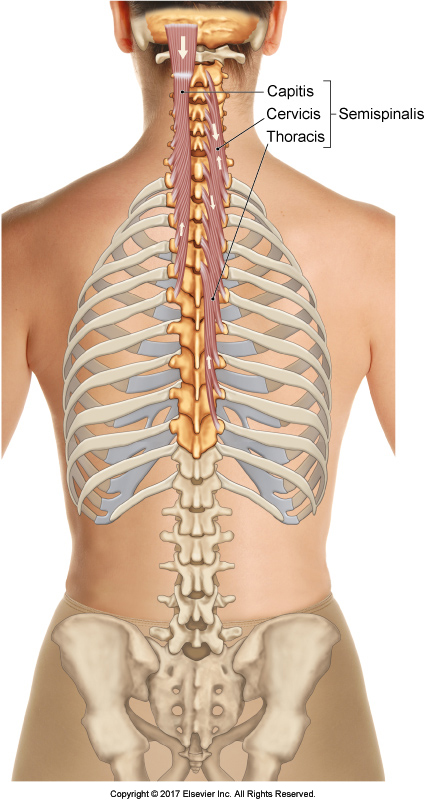

Below you'll find a list of all posts that have been tagged as “Transversospinalis”
Semispinalis capitis, pectineus, & vastus lateralis are unusual suspect muscles, often overlooked by manual therapists, that can cause pain and dysfunction.
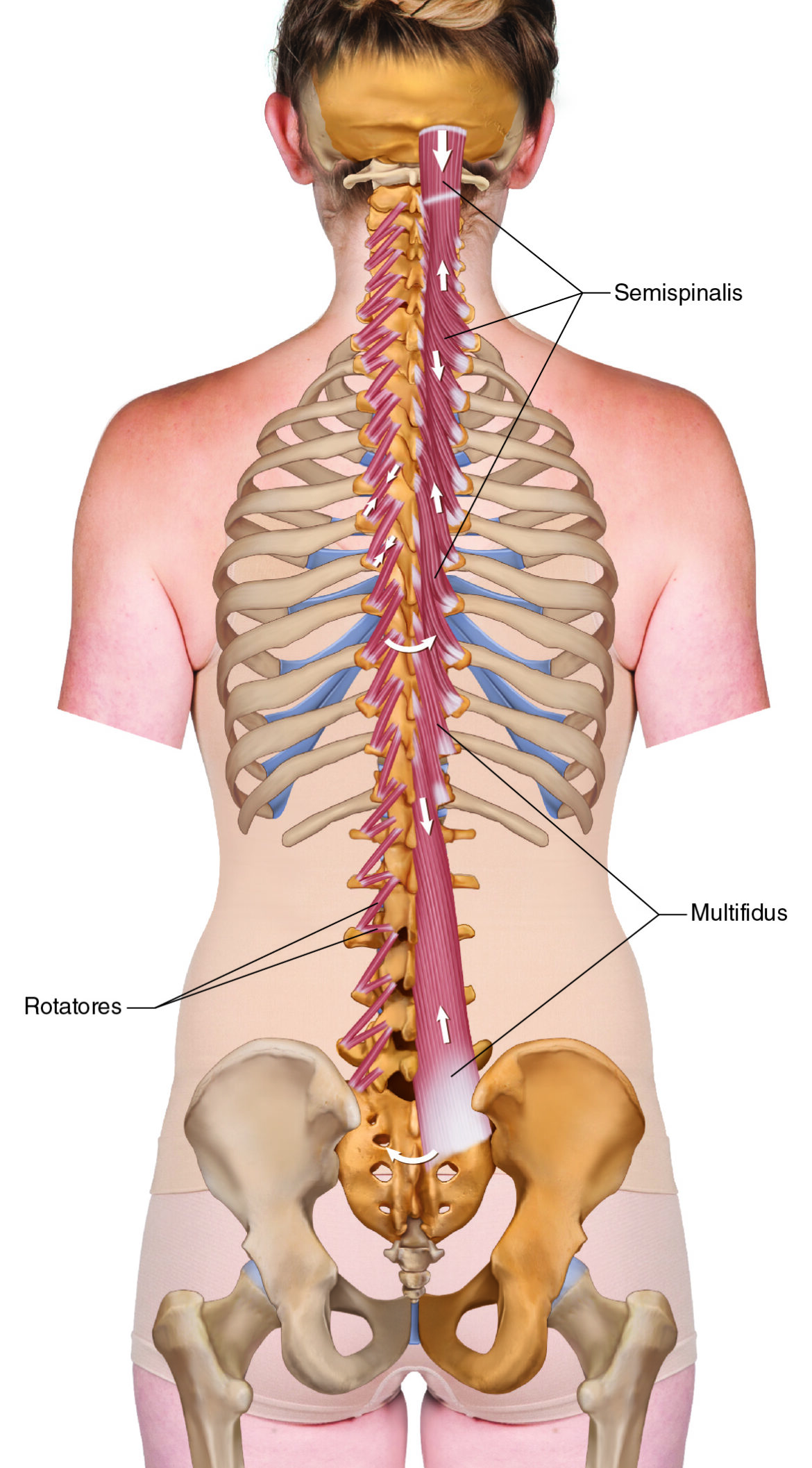
The transversospinalis musculature is extremely important functionally, and important with pain and dysfunction. It includes the multifidus, the thickest muscle of the low back; and the semispinalis capitis, the thickest muscle in the back of the neck. When working this musculature, it is extremely important to work very far medially, over the laminar groove of the spine.
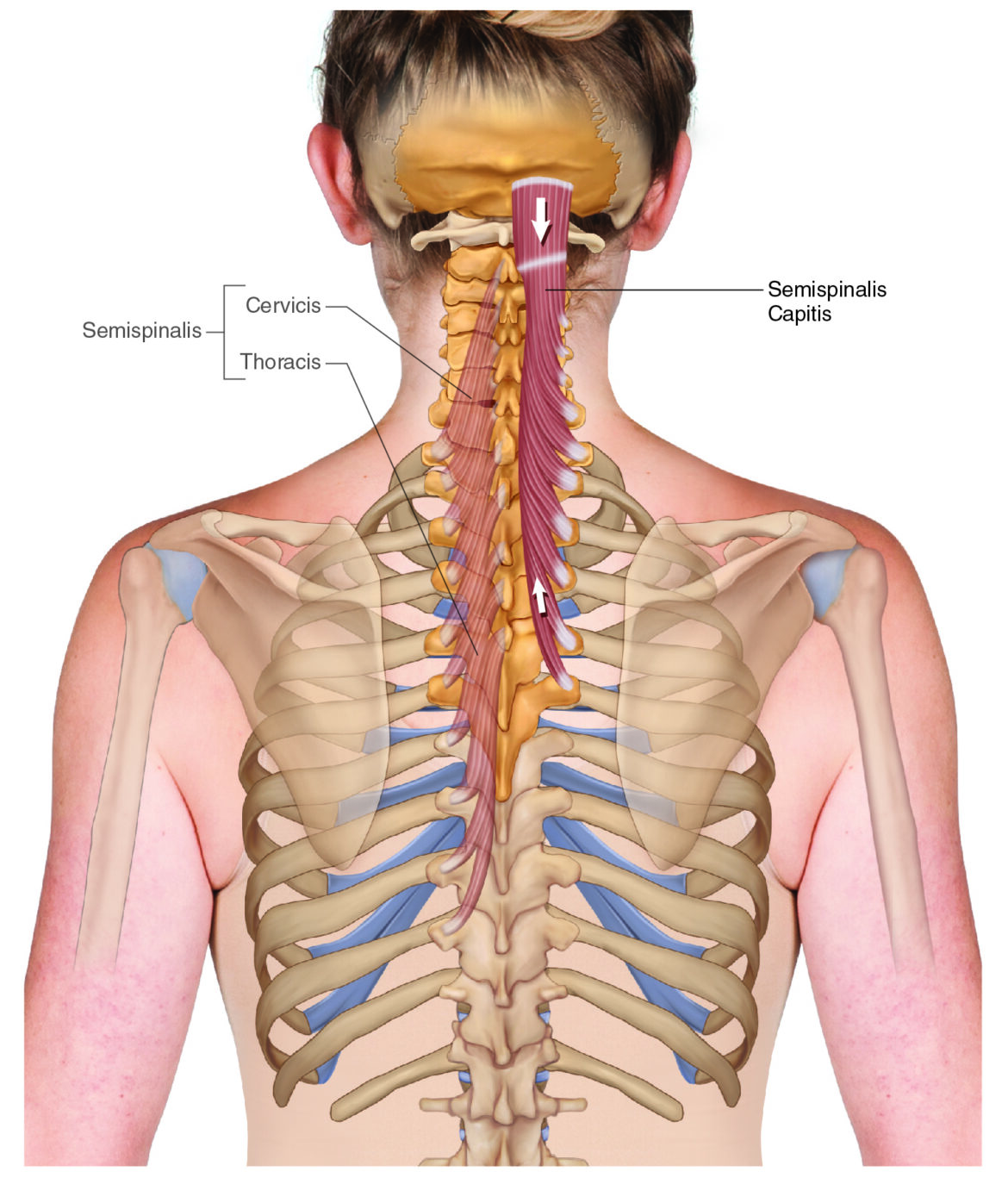
The semispinalis capitis is the largest muscle in the back of the neck — and the most overlooked cause of posterior neck pain. Learn how to assess, palpate, stretch, and massage it.
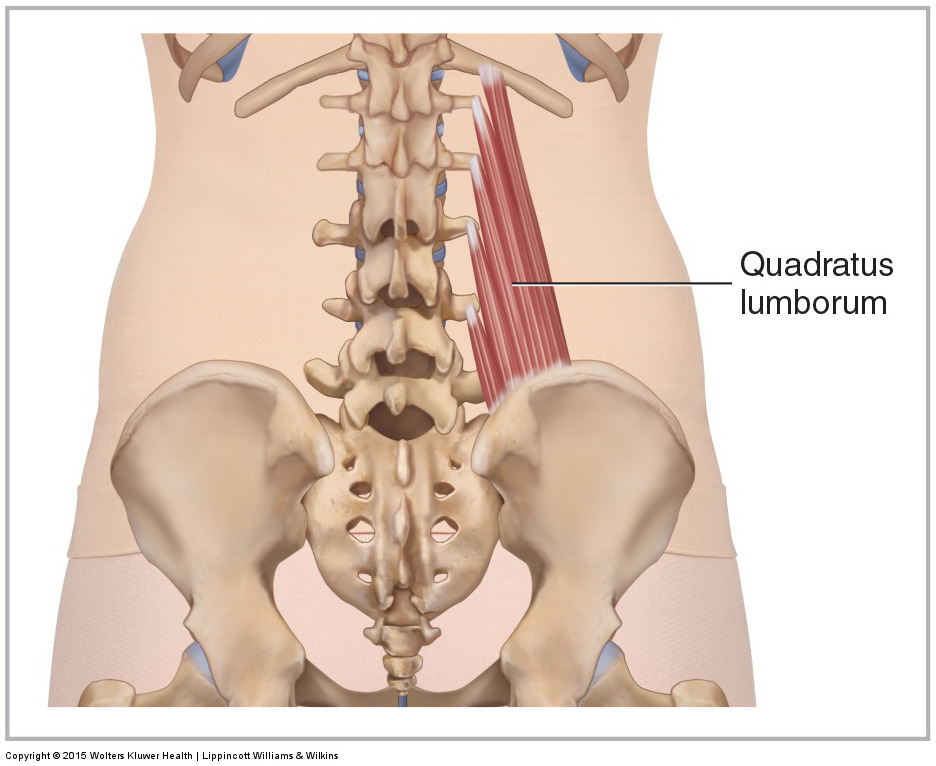
Structural groups of muscles largely determine functional groups—that is, the structural location of a muscle largely determines its mover function.
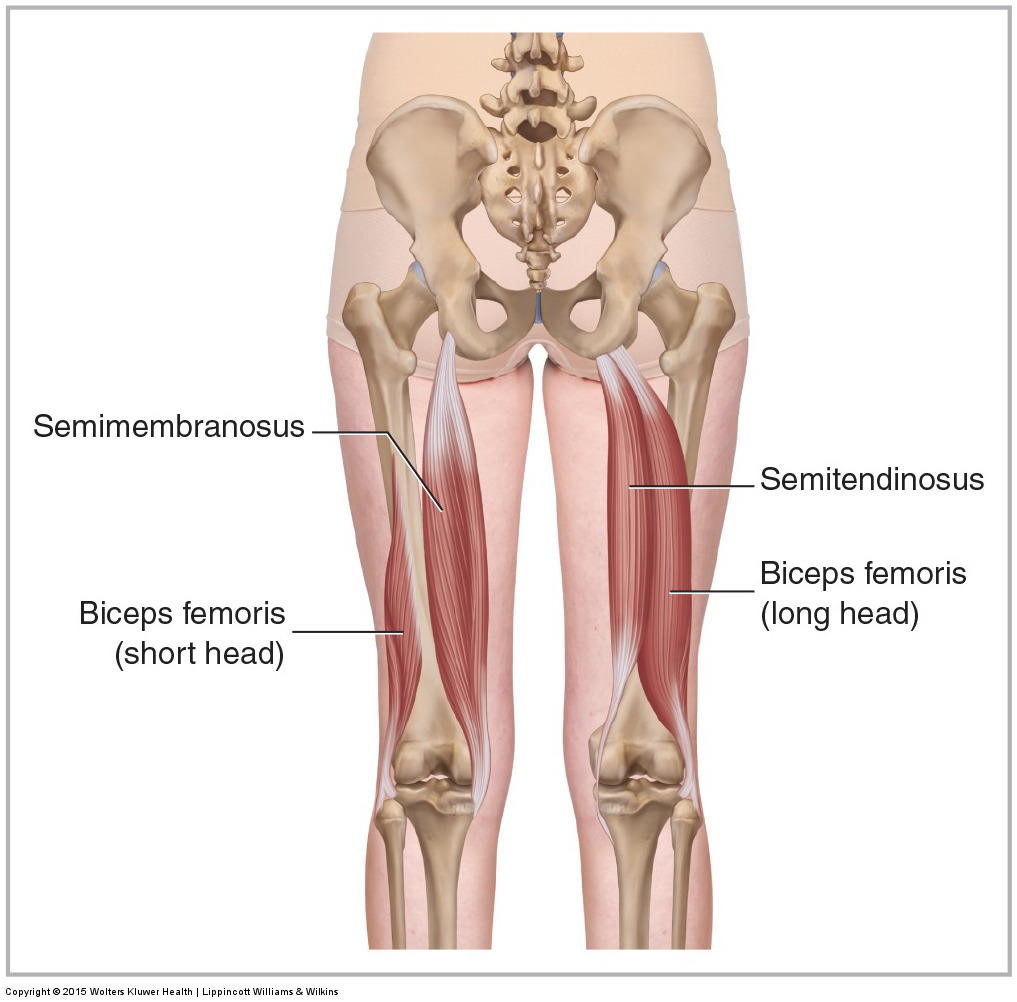
The connection between the hamstrings and the sacroiliac joint is through what is known as the superficial back line myofascial meridian/anatomy train. If the hamstrings are tight, their tension pulling force will be exerted through the sacrotuberous ligament and onto the sacrum.
