Semispinalis capitis, pectineus, & vastus lateralis are unusual suspect muscles, often overlooked by manual therapists, that can cause pain and dysfunction.
Below you'll find a list of all posts that have been tagged as “Semispinalis”
Semispinalis capitis, pectineus, & vastus lateralis are unusual suspect muscles, often overlooked by manual therapists, that can cause pain and dysfunction.
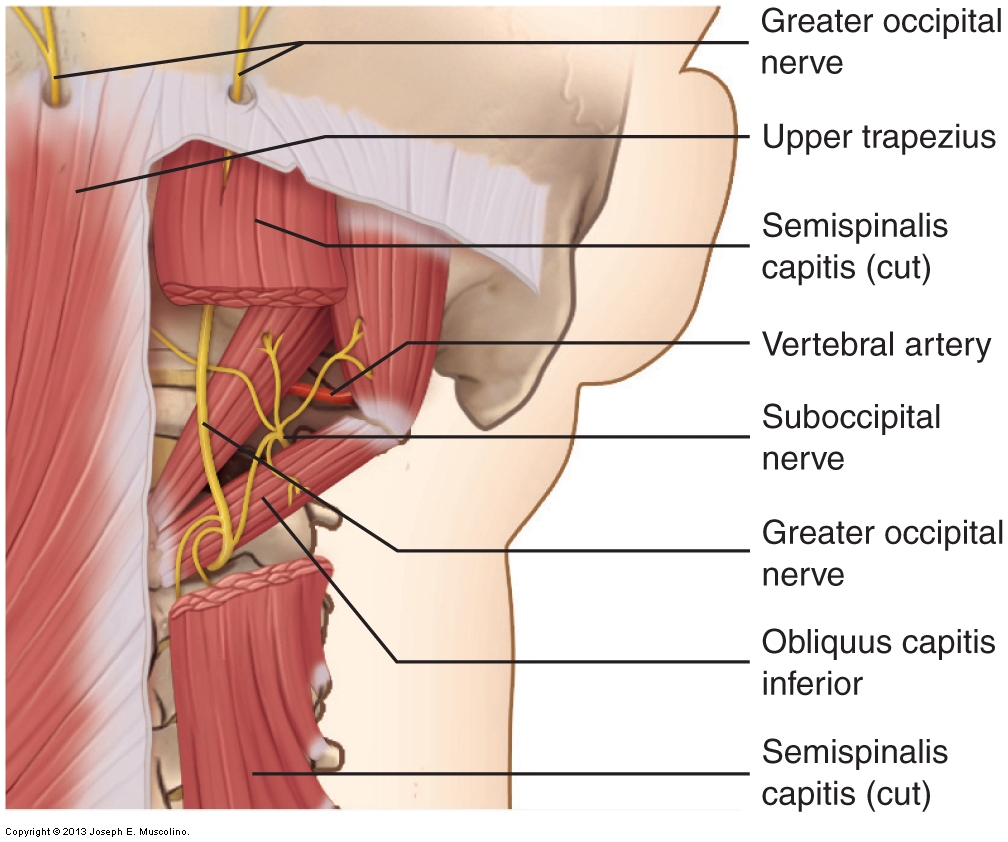
Greater occipital neuralgia is caused by compression of the greater occipital nerve, usually by a tight upper trapezius or semispinalis capitis muscle.
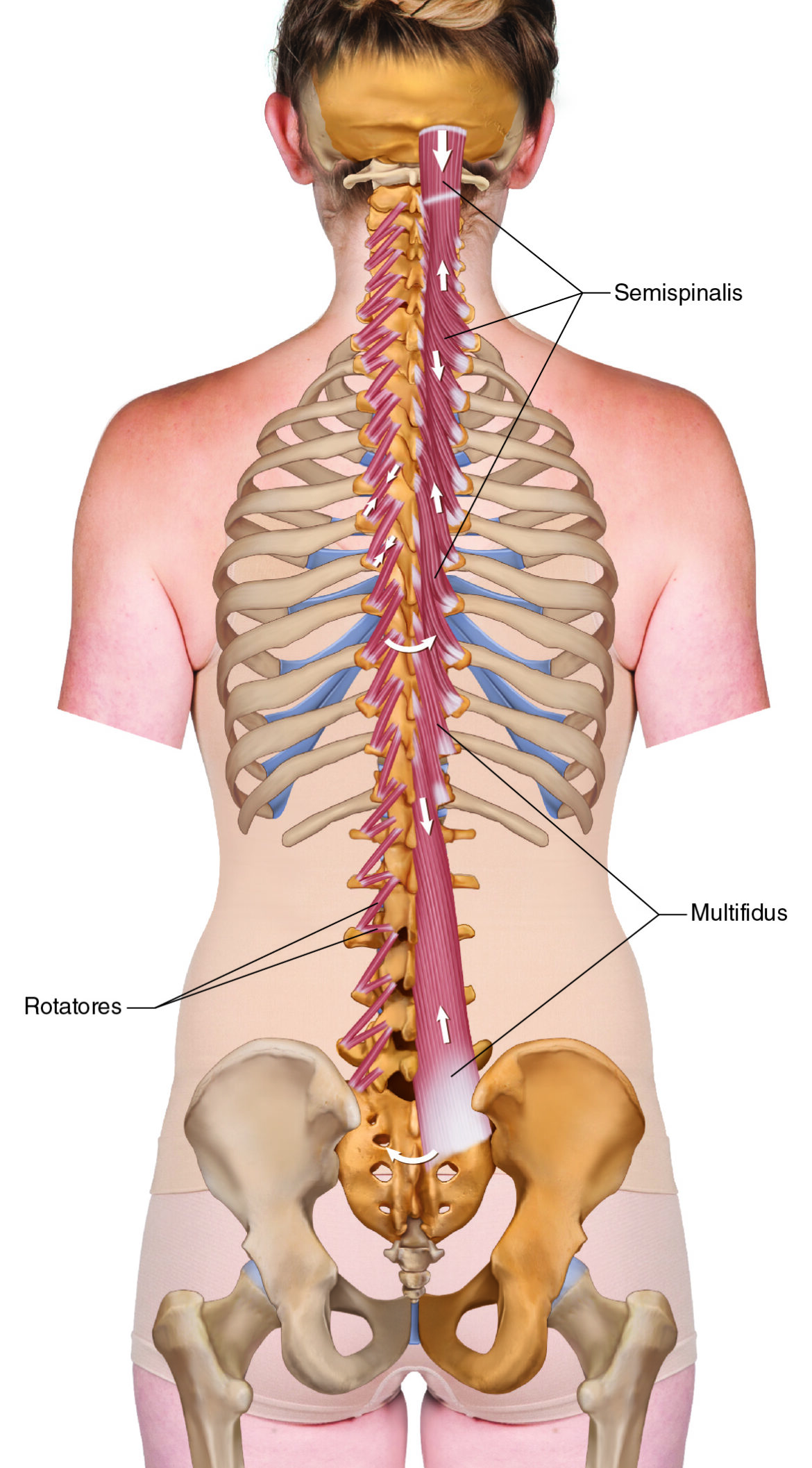
The transversospinalis musculature is extremely important functionally, and important with pain and dysfunction. It includes the multifidus, the thickest muscle of the low back; and the semispinalis capitis, the thickest muscle in the back of the neck. When working this musculature, it is extremely important to work very far medially, over the laminar groove of the spine.
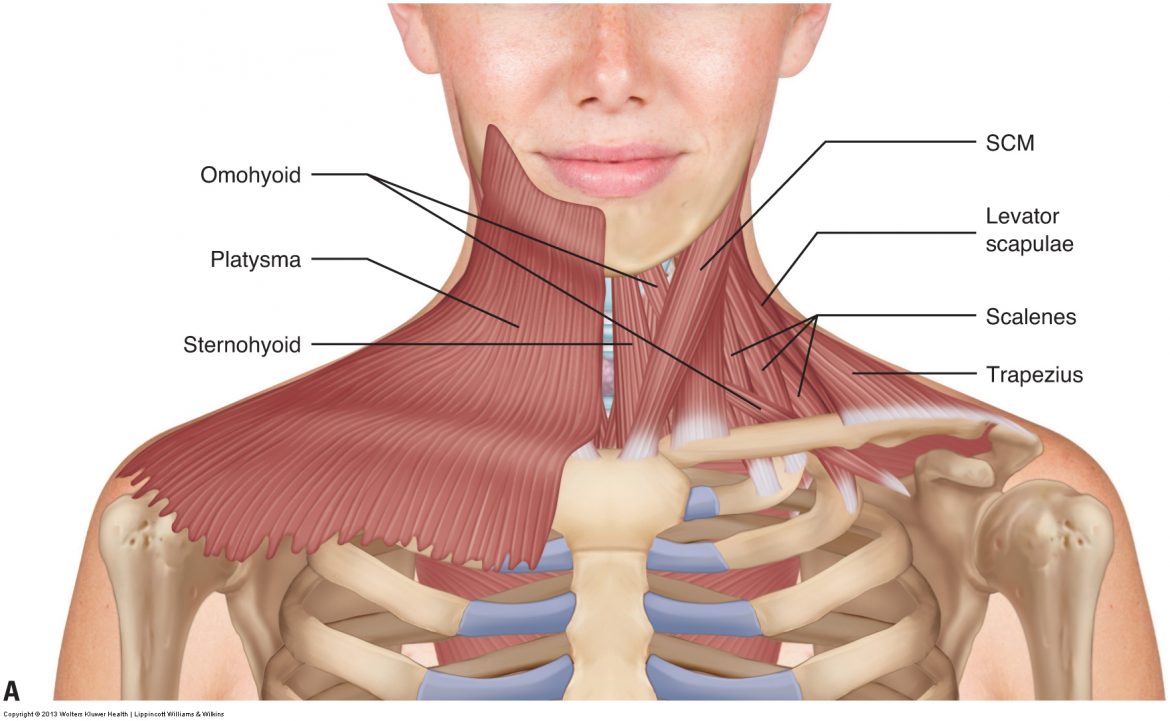
To perform orthopedic manual therapy to the neck that is accurate and specific, we need to know the attachments and actions of the muscles of the neck.
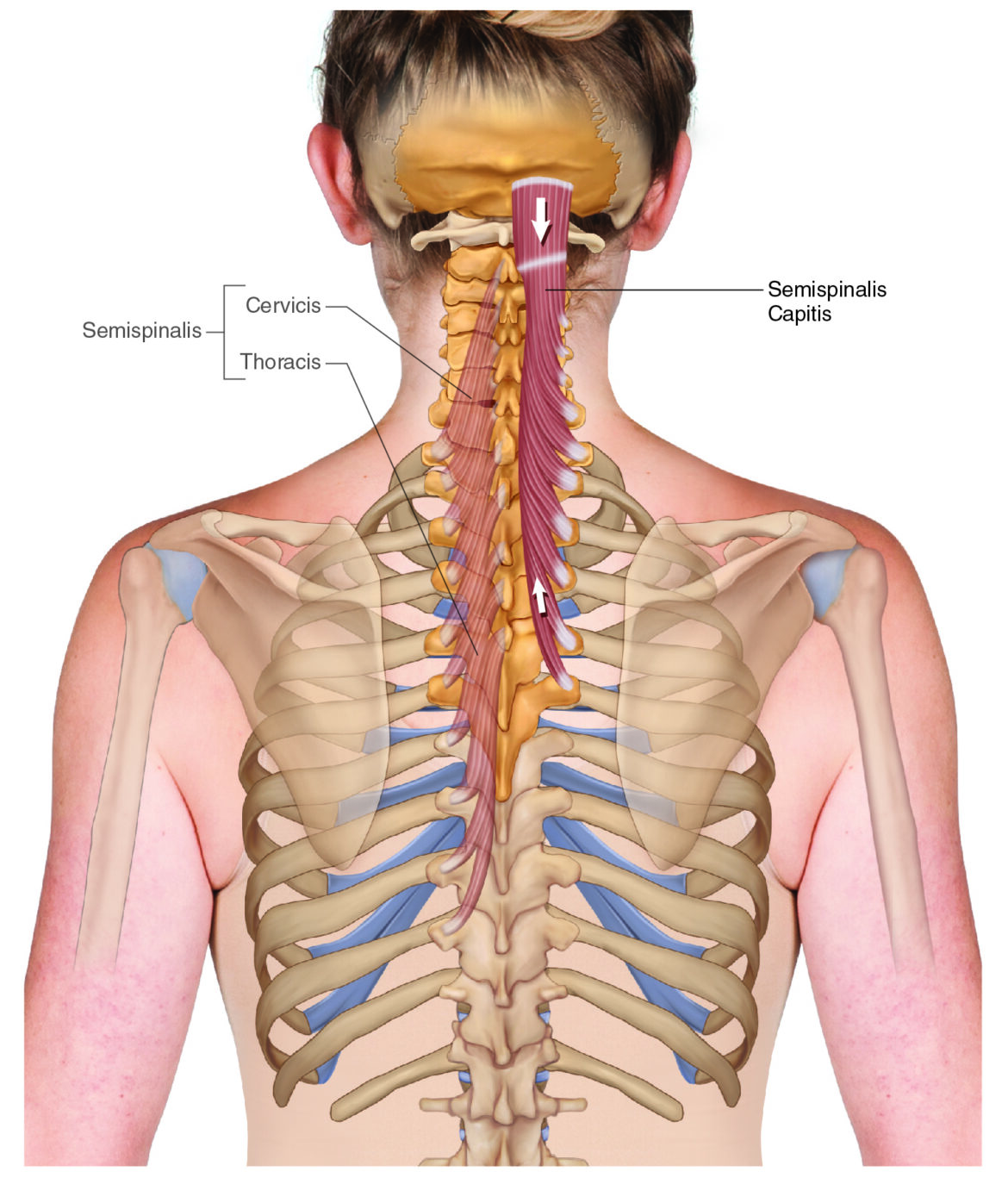
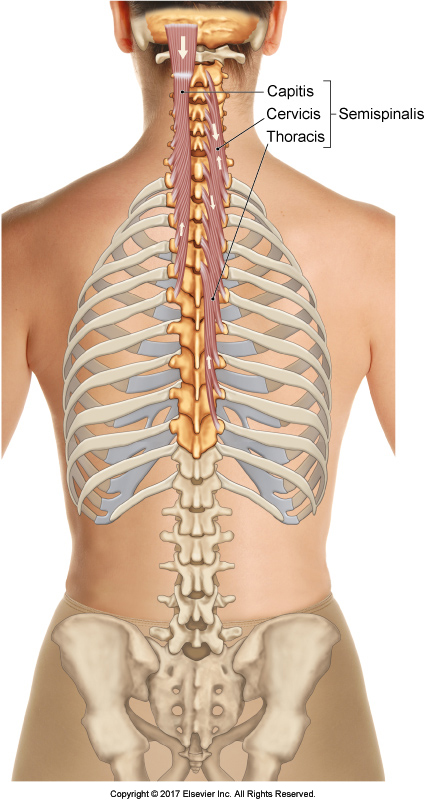
The semispinalis capitis is the largest muscle in the back of the neck — and the most overlooked cause of posterior neck pain. Learn how to assess, palpate, stretch, and massage it.
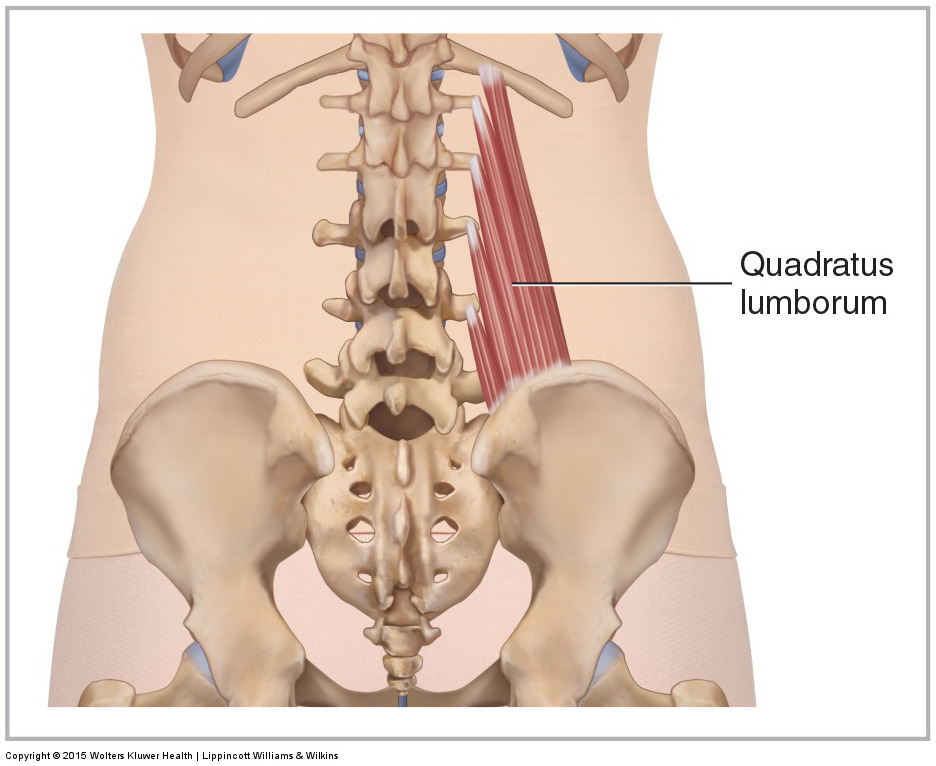
Structural groups of muscles largely determine functional groups—that is, the structural location of a muscle largely determines its mover function.
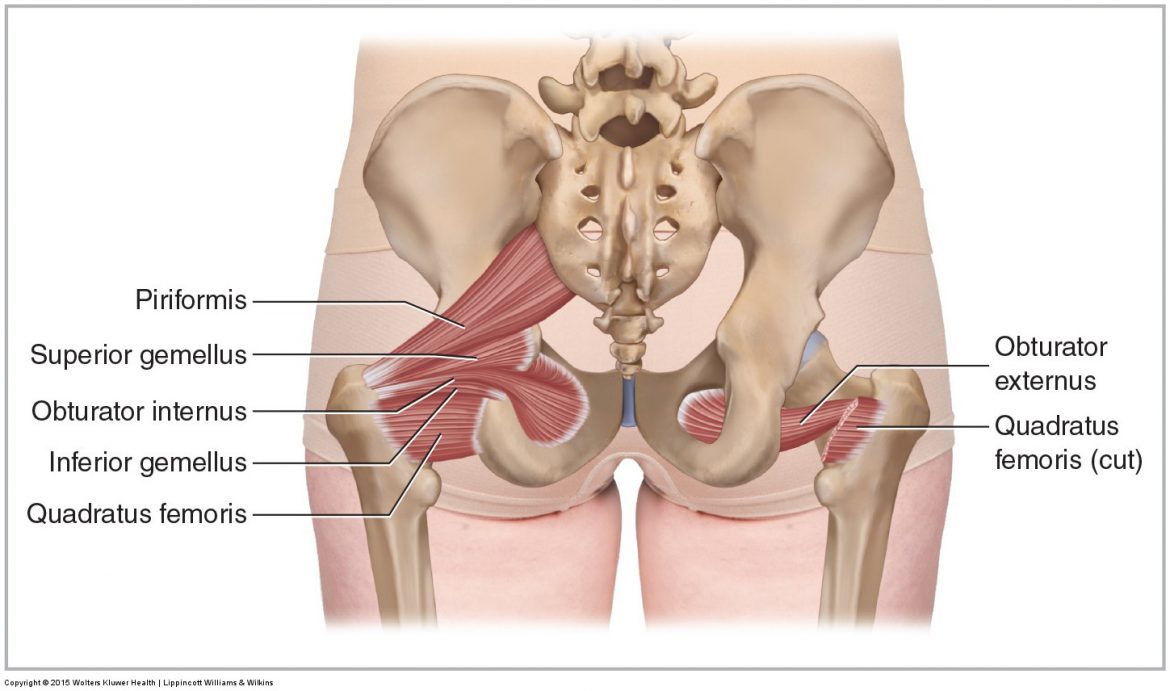
Sometimes it is an unusual suspect, a less well-known muscle, that is the underlying cause of our client’s pain and dysfunction pattern.
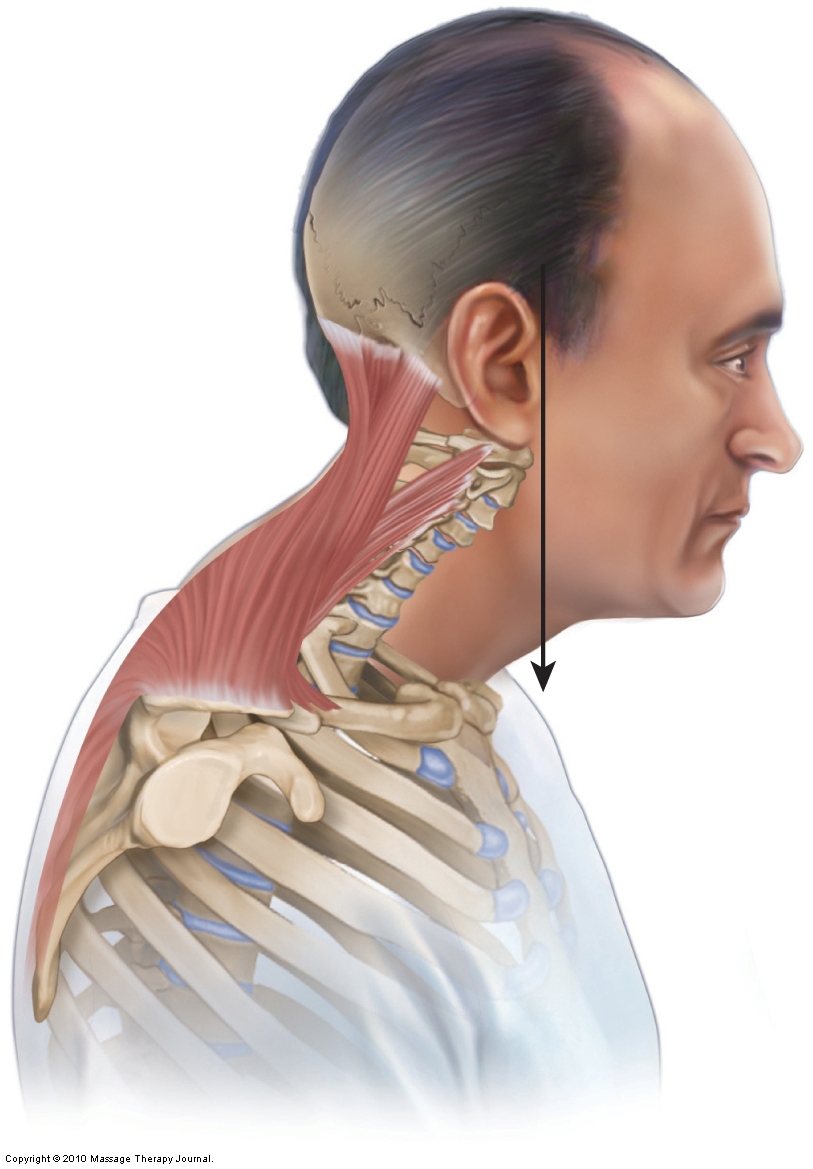
Forward head posture is extremely common, especially as we age. It is part of a larger posture dysfunctional pattern known as upper crossed syndrome.
