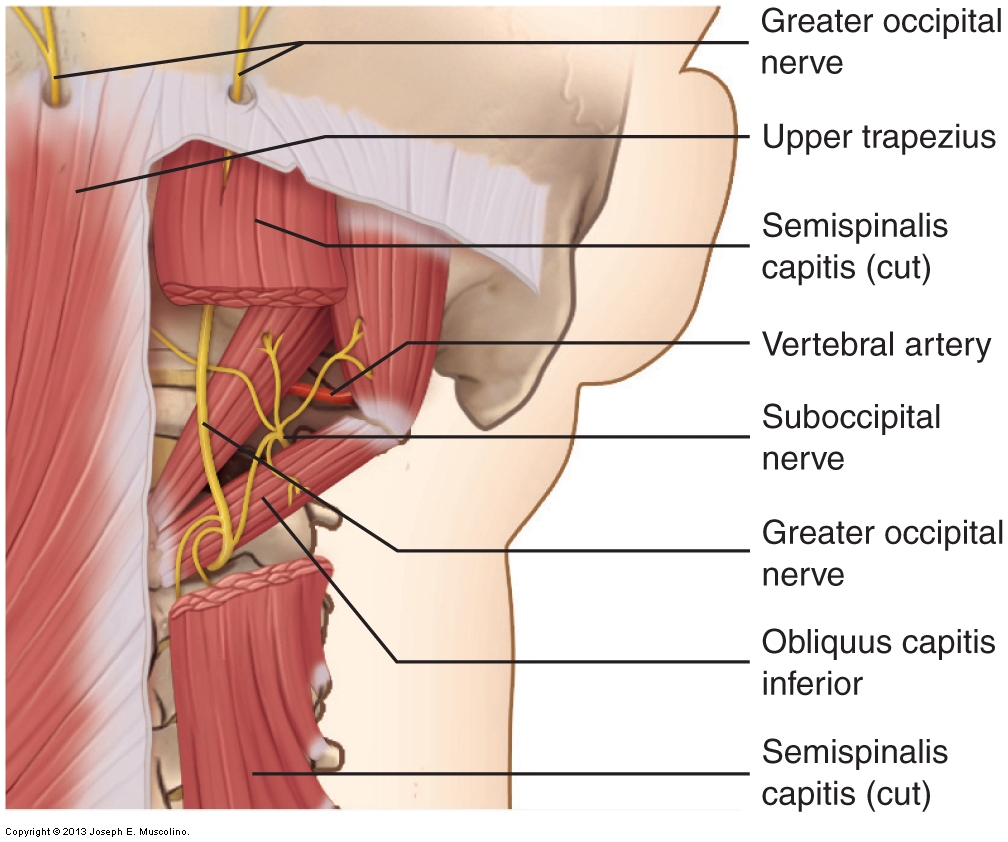
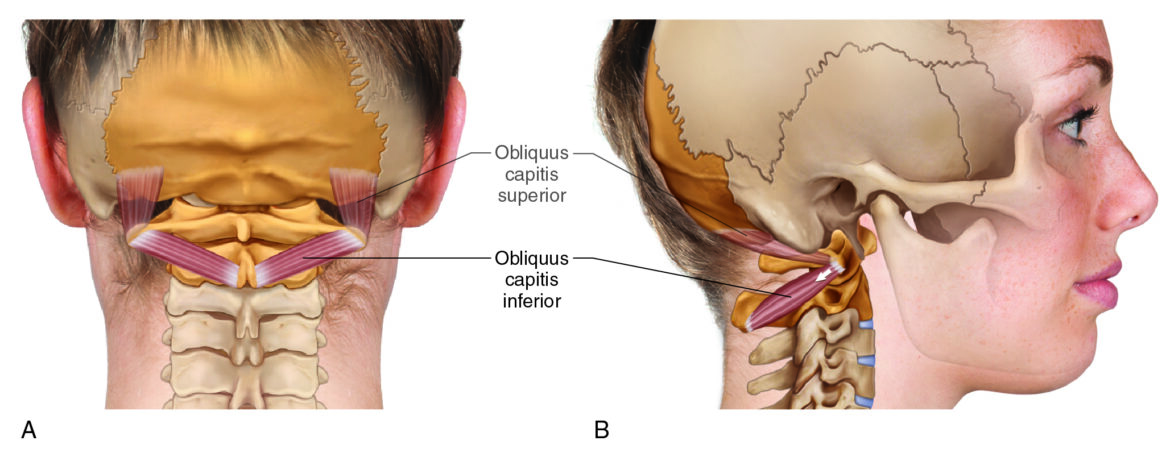
The emphasis of this article is on the importance of the naming of muscles, highlighted by the fact that the obliquus capitis inferior (OCI) is misnamed. However, the OCI is an important muscle in its own right. Given the prevalence of locked-short musculature in the posterior neck, especially in the supoccipital (upper neck) region, the OCI is extremely important clinically.
Tension Headaches
A tension headache is caused by excessive pulling force of tight muscles in the back of the neck that exert tension on their attachments on the head.
Greater Occipital Neuralgia
Greater occipital neuralgia is caused by compression of the greater occipital nerve, usually by a tight upper trapezius or semispinalis capitis muscle.
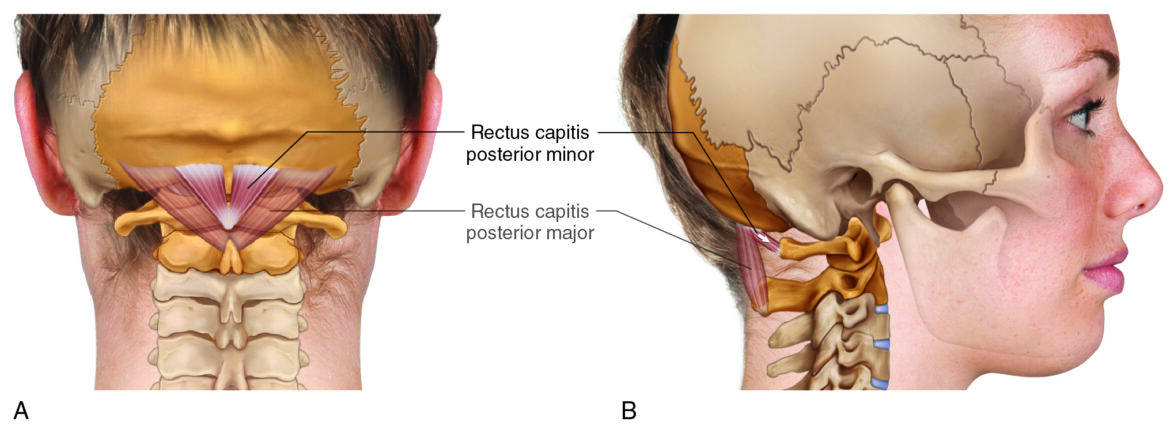
Rectus Capitis Posterior Minor Can Give You a Headache
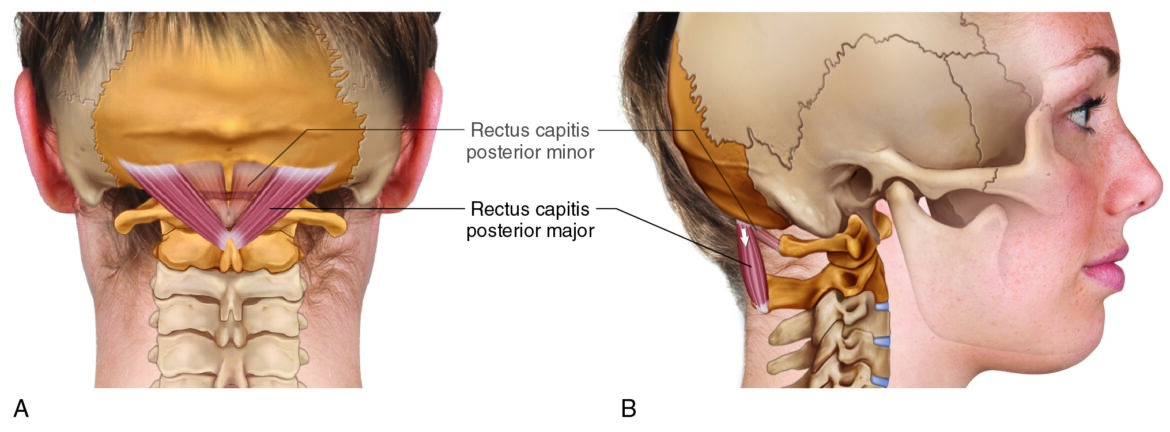
The rectus capitis posterior minor (RCPMin) is, clinically, one of the more important muscles in the human body, so it is especially important for manual therapists to be conversant with this muscle so that effective palpation assessment and massage and stretching treatment can be performed.
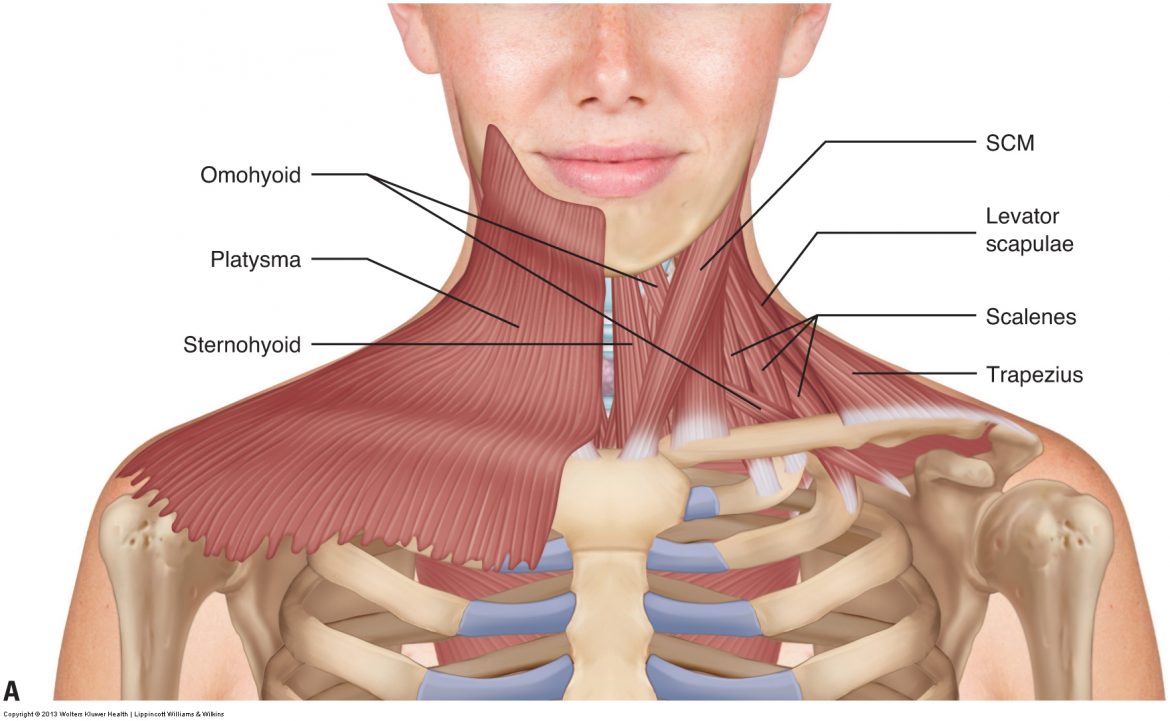
Musculature of the Cervical Spine
To perform orthopedic manual therapy to the neck that is accurate and specific, we need to know the attachments and actions of the muscles of the neck.
Rectus Capitis Posterior Major Suboccipital Muscle and Tension Headaches
The rectus capitis posterior major (RCPMaj) of the suboccipital group musculature is a small muscle located deep in the superior aspect of the posterior neck, directly inferior to the occiput (hence the name suboccipital). It is an extremely important muscle to know and be able to assess and treat because it is often responsible for clients’ tension headaches.
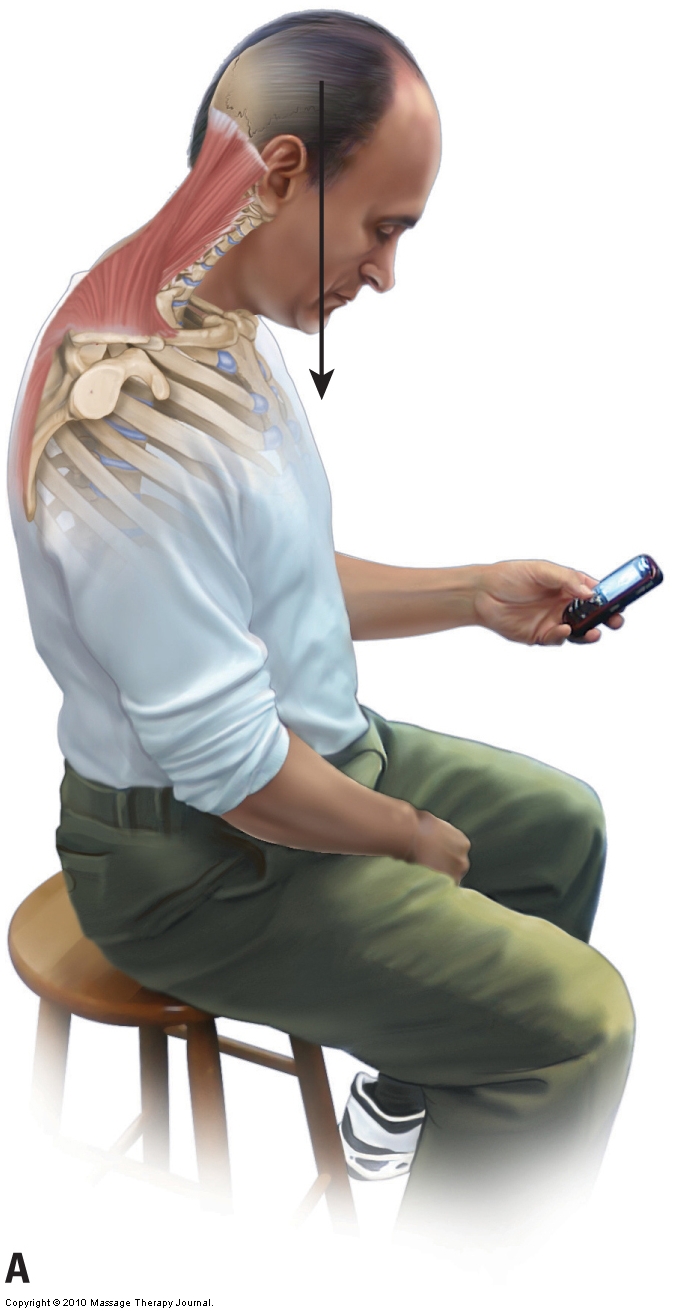
Forward Head Posture
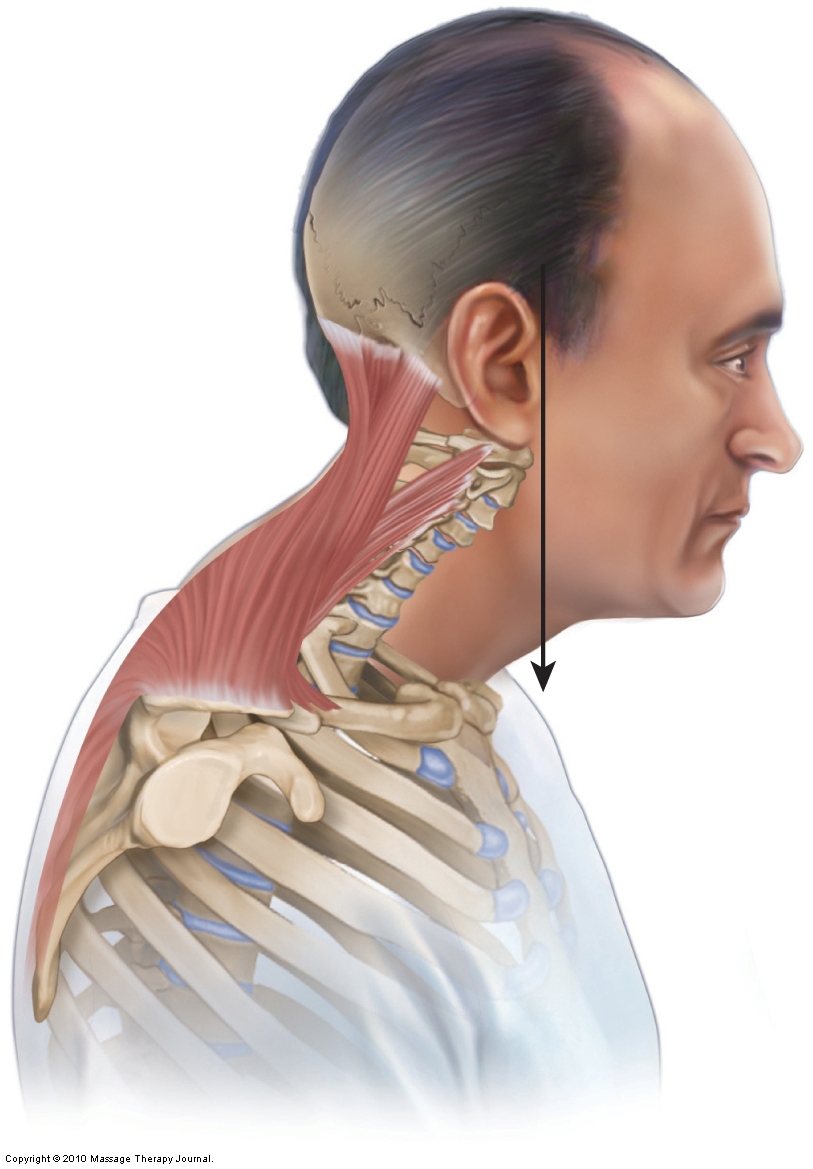
Forward head posture is extremely common, especially as we age. It is part of a larger posture dysfunctional pattern known as upper crossed syndrome.