There are two major reasons why a massage therapist should consider working toward and earning a Continuing Education Certificate in Manual Therapy.
Below you'll find a list of all posts that have been tagged as “joint mobilization”
There are two major reasons why a massage therapist should consider working toward and earning a Continuing Education Certificate in Manual Therapy.
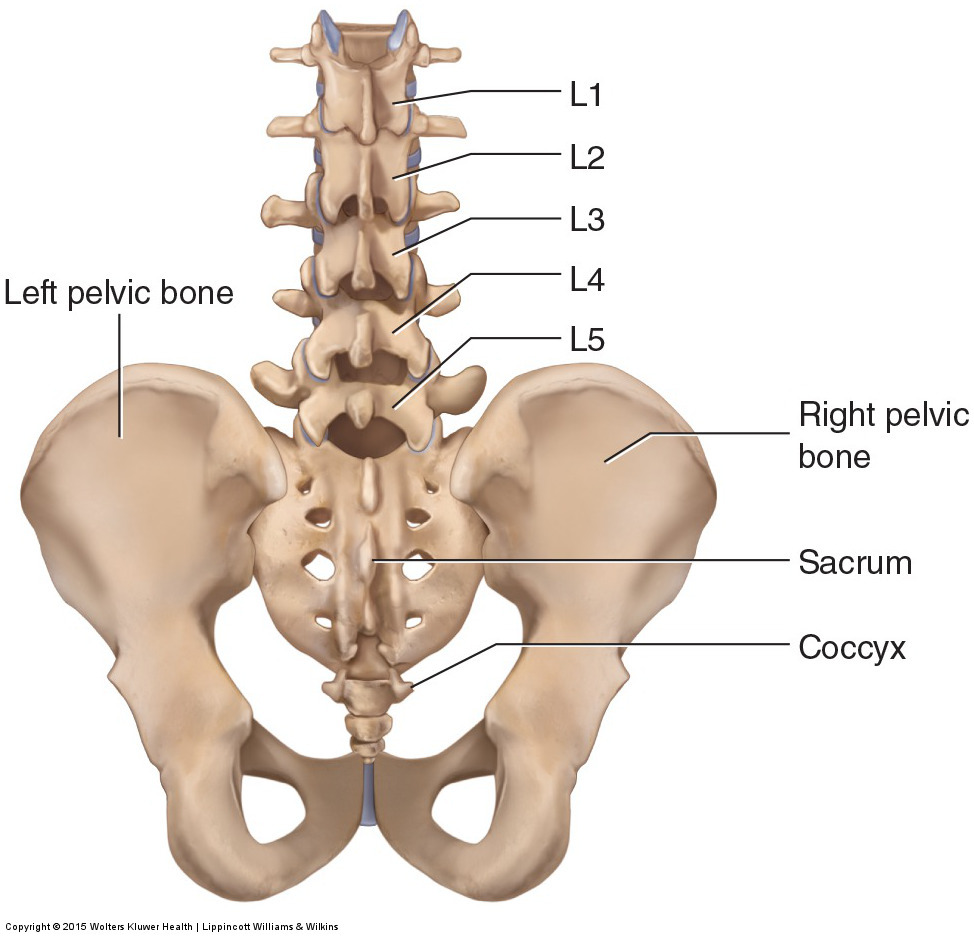
Joint dysfunction literally means “bad motion.” There are two types: too little motion termed a hypomobility; and too much motion termed a hypermobility.
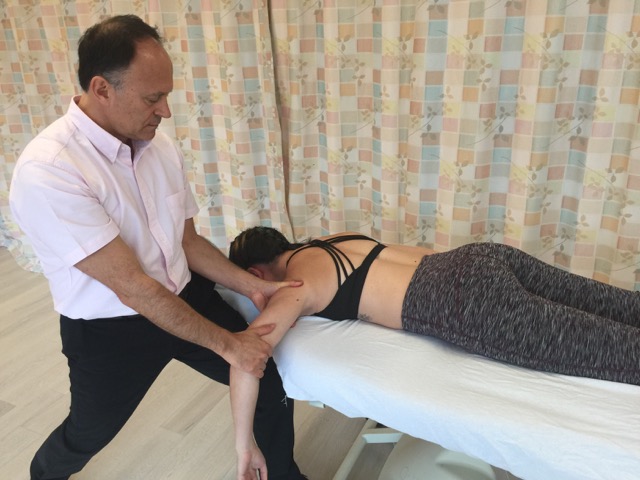
Manual therapy treatment for a pathologic rotator cuff tendon depends on which tendon is affected and the specific pathology of the tendon.
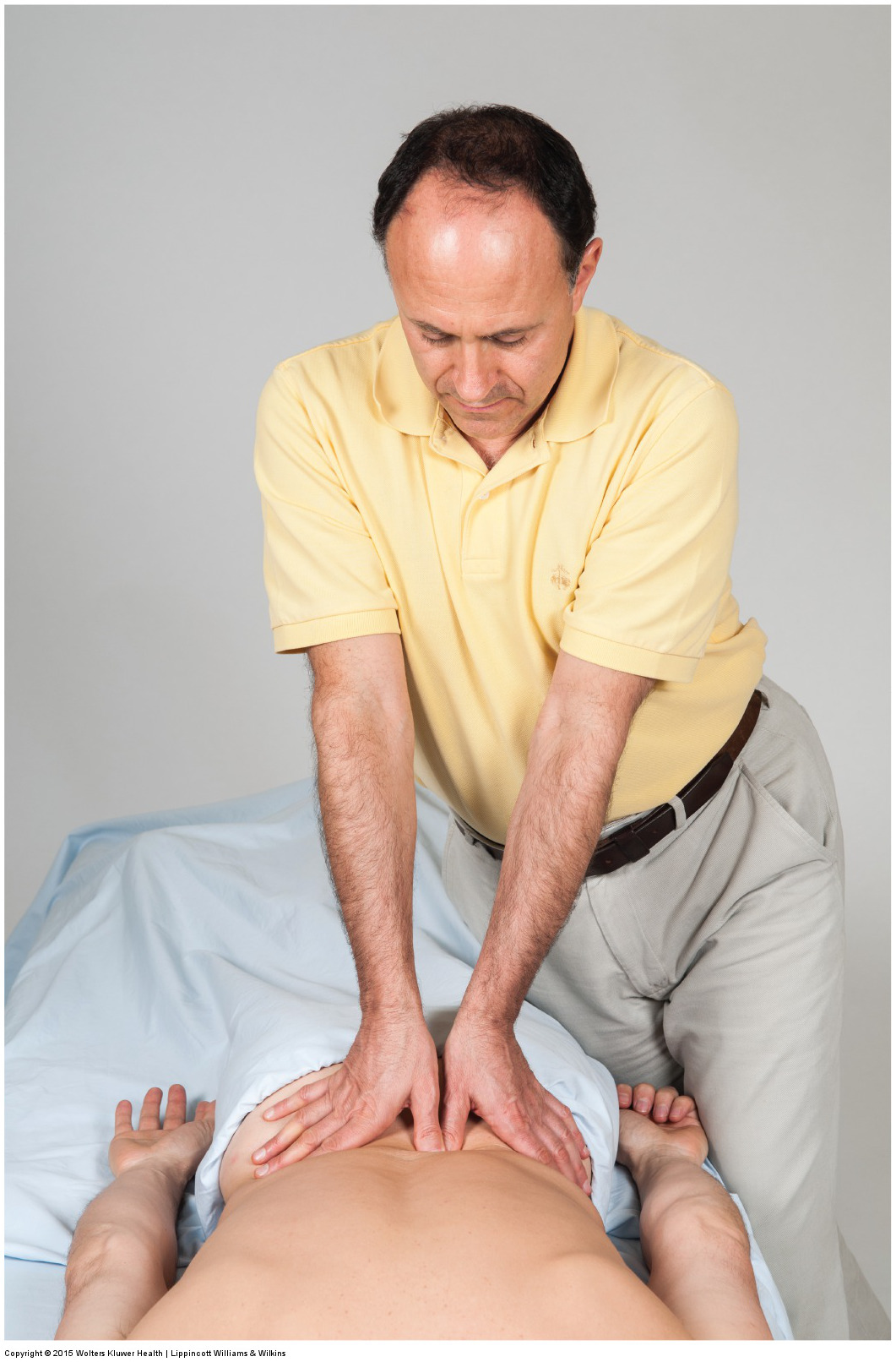
Manual therapy treatment for low back muscle tightness involves hot and cold hydrotherapy, soft tissue manipulation, stretching, and joint mobilization.
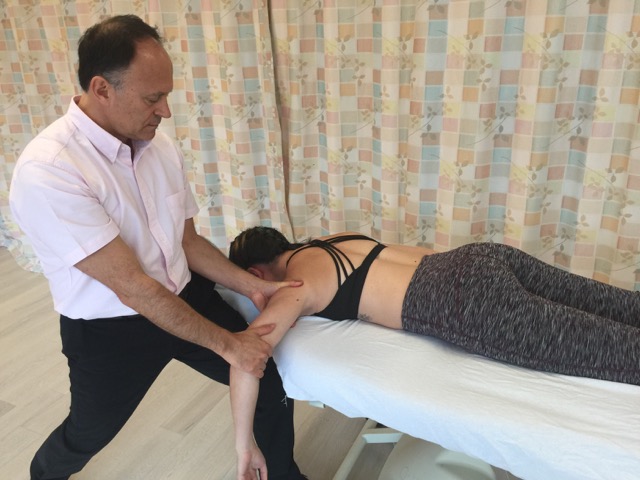
Manual therapy stretching and joint mobilization are two essential treatment modalities when working on a client with frozen shoulder.
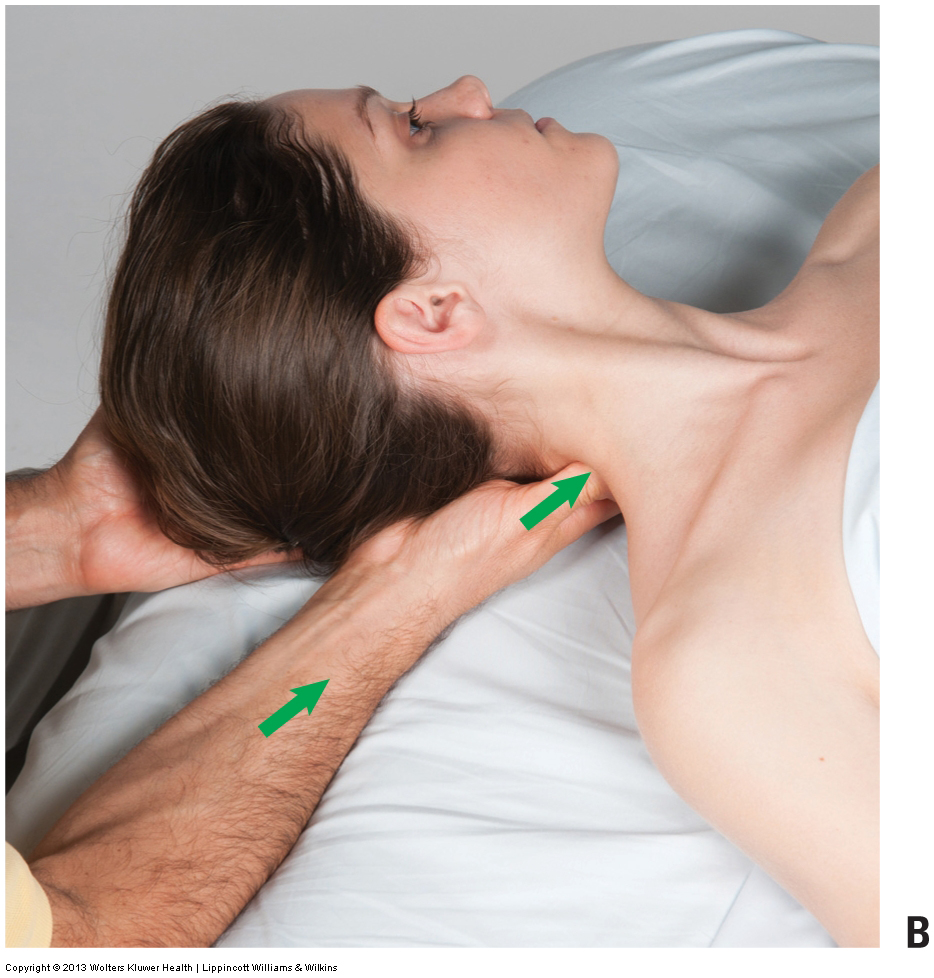
Manual therapy treatment: Manual therapy treatment for spasmed muscles of the neck (tightness of neck musculature) includes all the major soft tissue technique tools. Heat hydrotherapy, soft tissue manipulation, stretching, and joint mobilization (also known as arthrofascial stretching/AFS). It is …
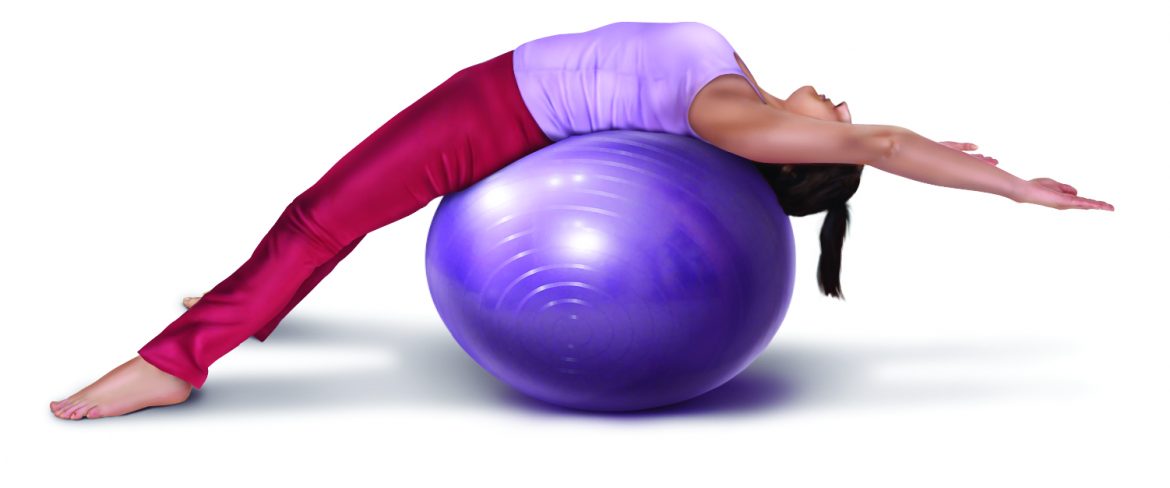
There is an old saying that no posture is bad unless you get stuck in it. The problem is that the thoracic spine often does get stuck in bad posture.
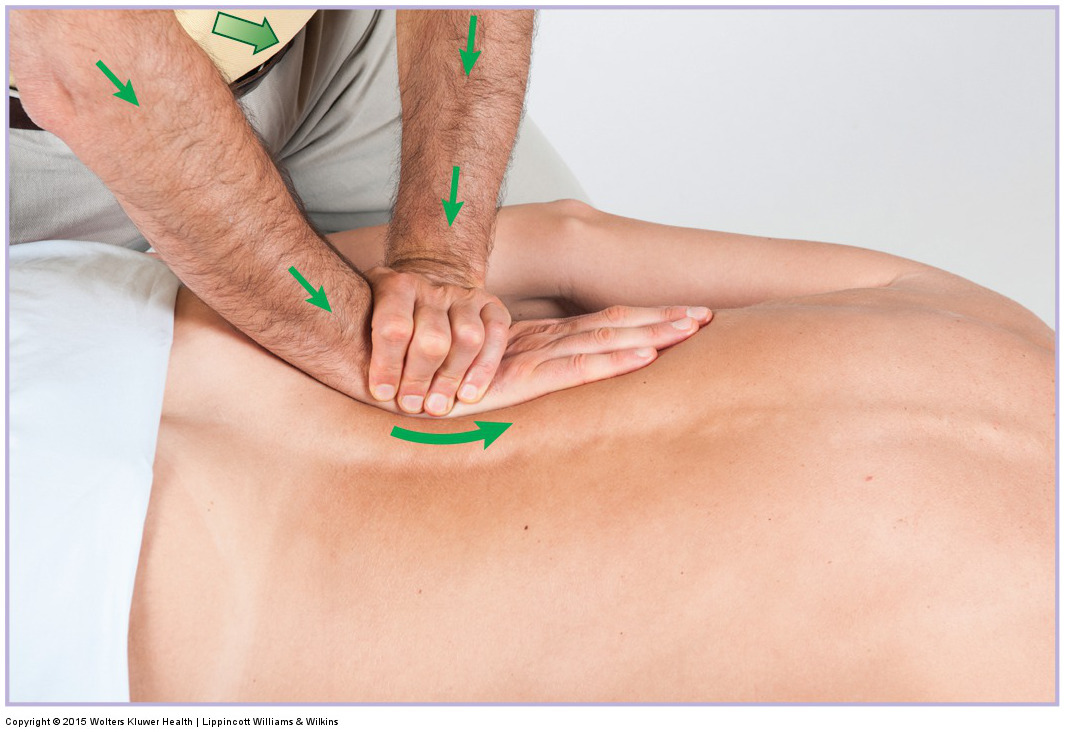
For a low back strain / sprain, because the muscles of the low back are so large and powerful, the first goal of manual therapy is to reduce the spasming.
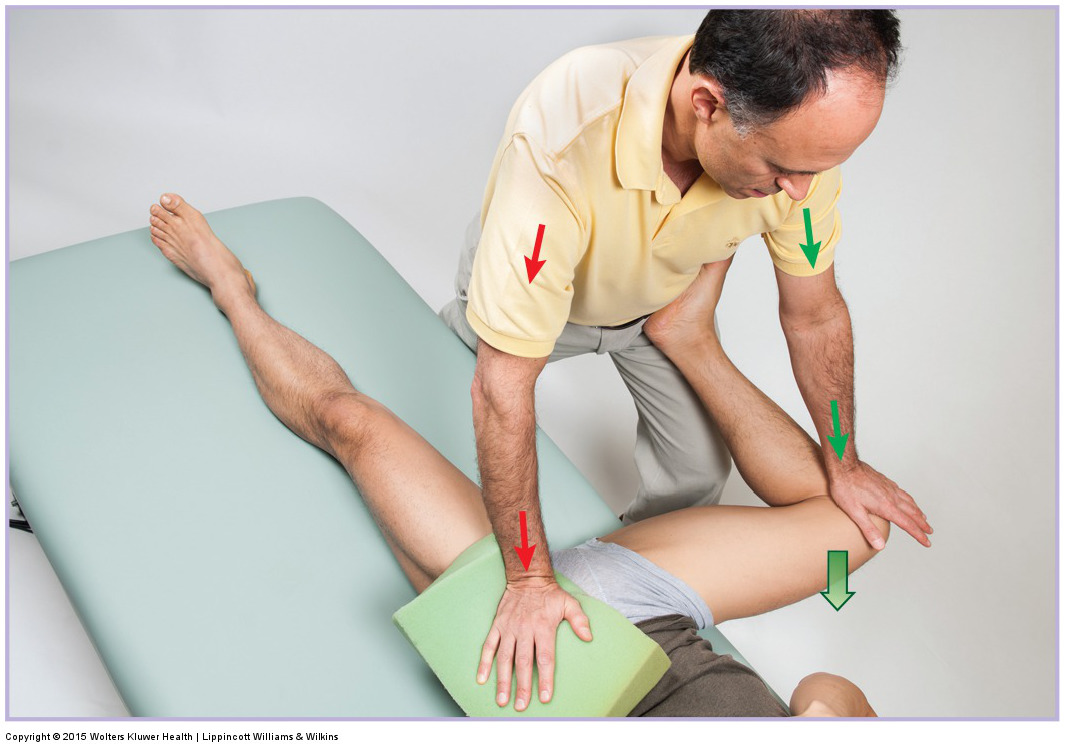
Once chronic, manual therapy for an adductor strain is geared toward decreasing muscle tightness, myofascial trigger points, and fascial adhesions.

I am creating a new blog post feature to my content called Ask Dr. Joe, or perhaps better put, Ask Me Anything*. With Ask Me Anything, you can write to me by email (joseph.e.muscolino@gmail.com) and ask me any question about: …
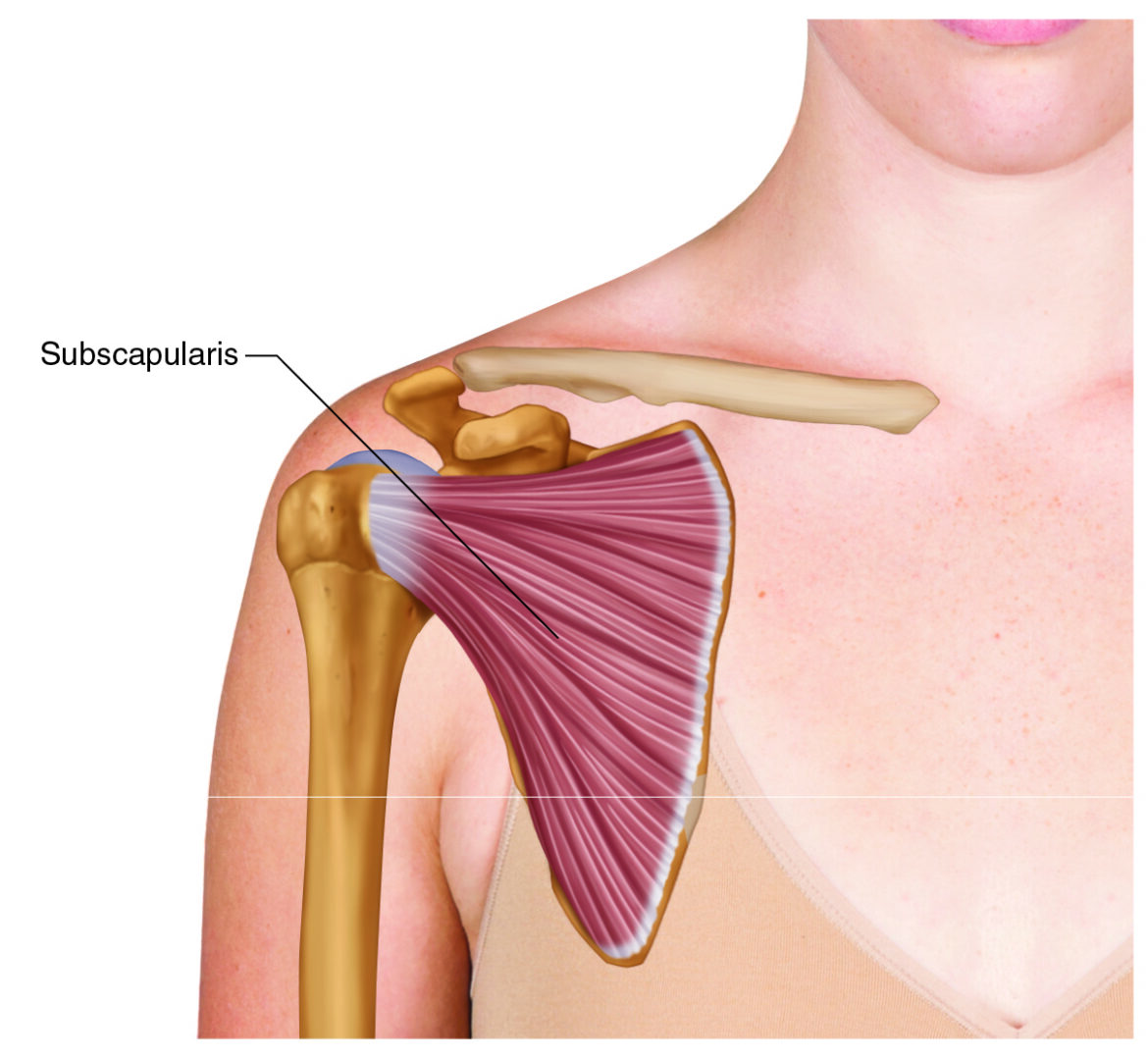
The subscapularis is one of the more challenging muscles for manual and movement therapists to work with because it is so deep-seated, but given its role in frozen shoulder, it can be one of the more important muscles when working with our clients.
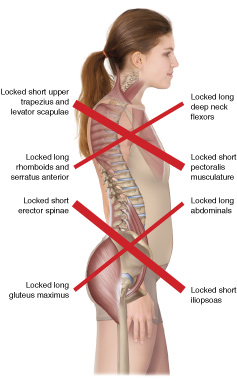
For most of our clients who present with the postural distortion pattern known as upper crossed syndrome, it is important, perhaps absolutely necessary, to include thoracic spinal joint mobilization technique into extension as part of the treatment plan to address the thoracic hyperkyphosis.
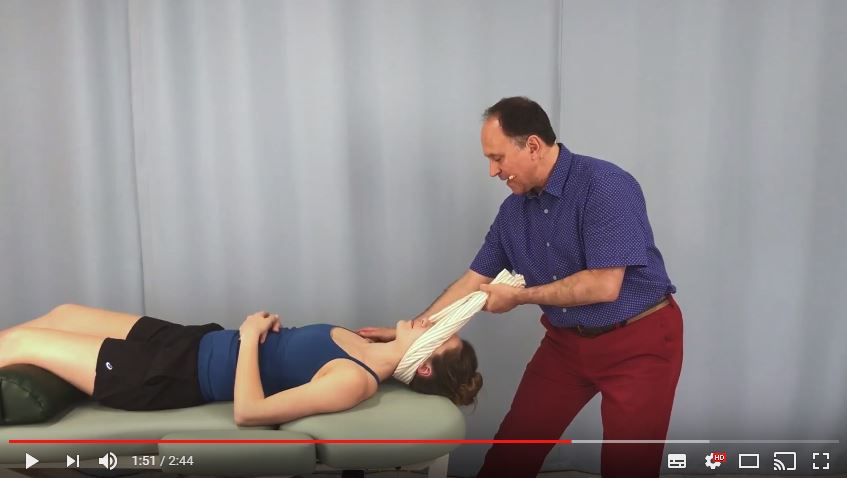
Traction for the cervical spine is indicated for the client with a pinched nerve in the neck because it opens up the intervertebral foramina to decompress the spinal nerves. Dr. Joe Muscolino demonstrates how to easily perform neck traction using a towel.
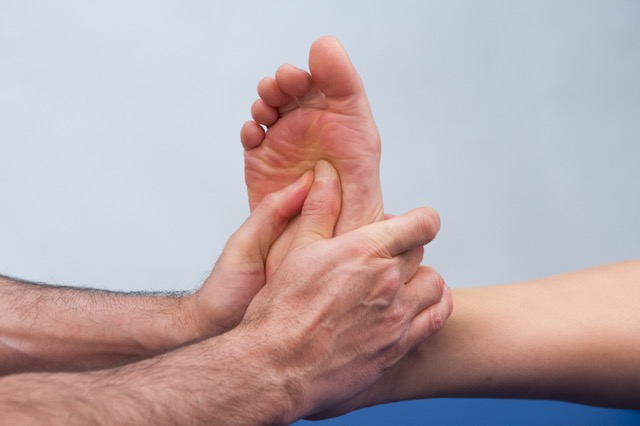
Manual therapy for plantar fasciitis is aimed at reducing inflammation & loosening any tautness/tightness of the plantar fascia & associated musculature.
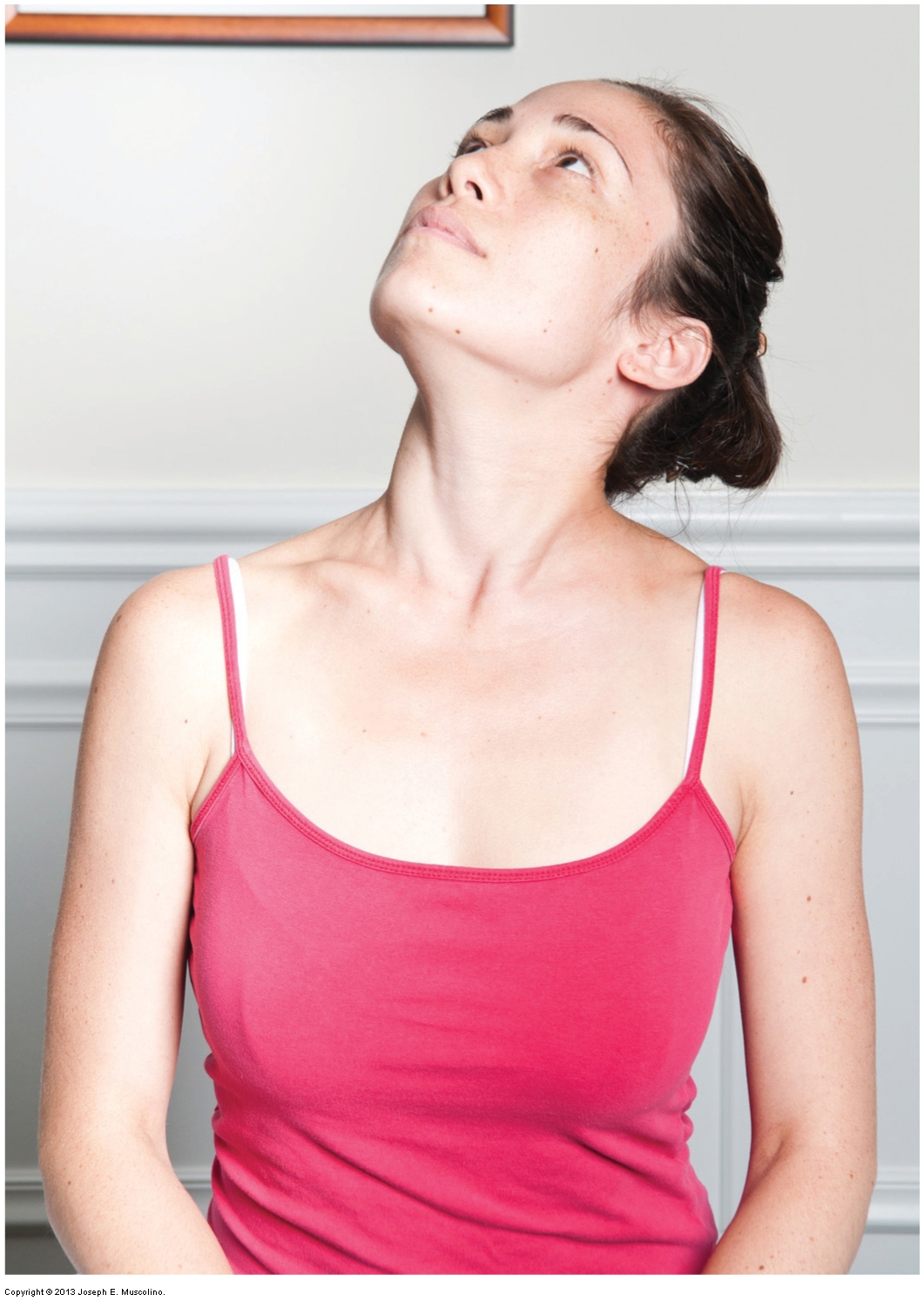
Vertebral artery competency test assessment is critically important to be performed if the neck will be stretched or mobilized during treatment.
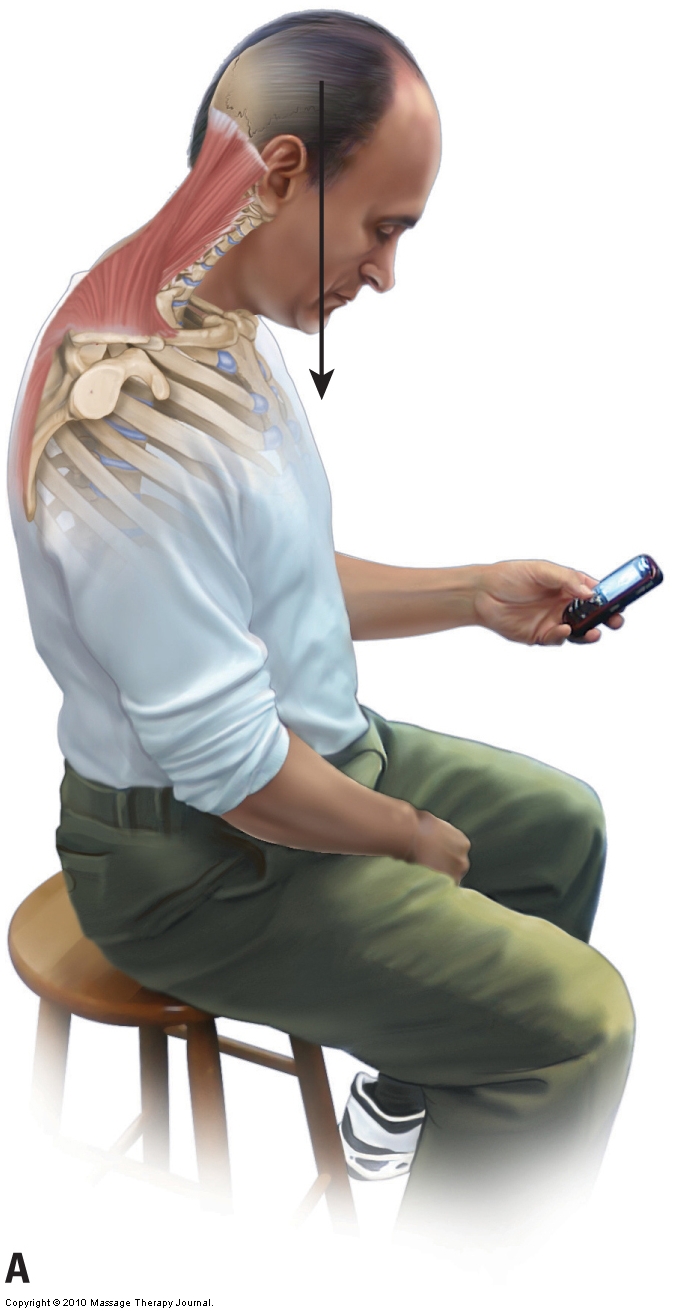
A tension headache is caused by excessive pulling force of tight muscles in the back of the neck that exert tension on their attachments on the head.
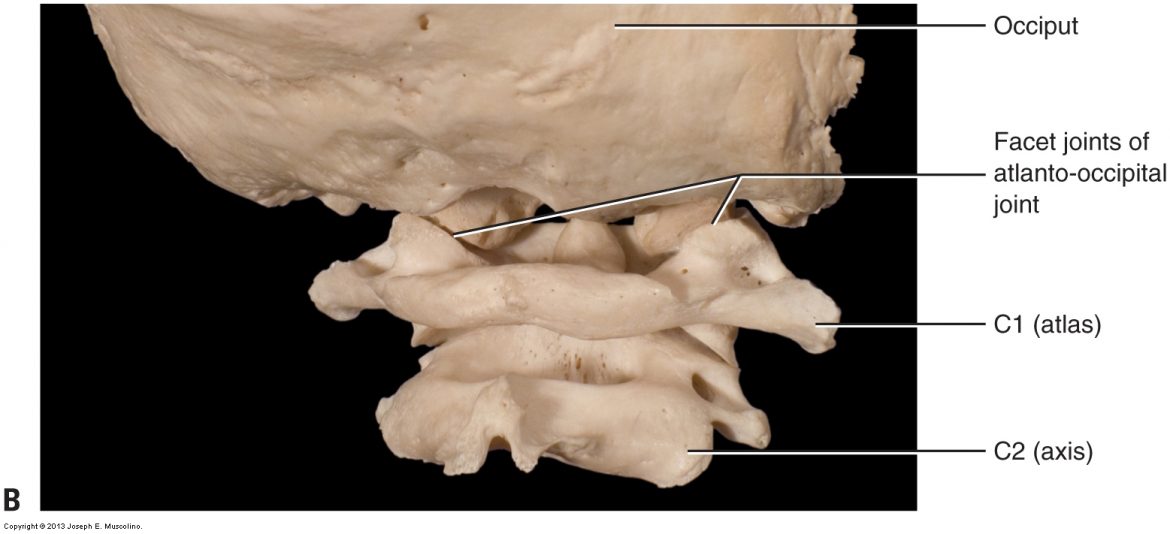
The disc joint is a cartilaginous joint that is composed of outer fibers called the annulus fibrosus that encircle the inner nucleus pulposus.
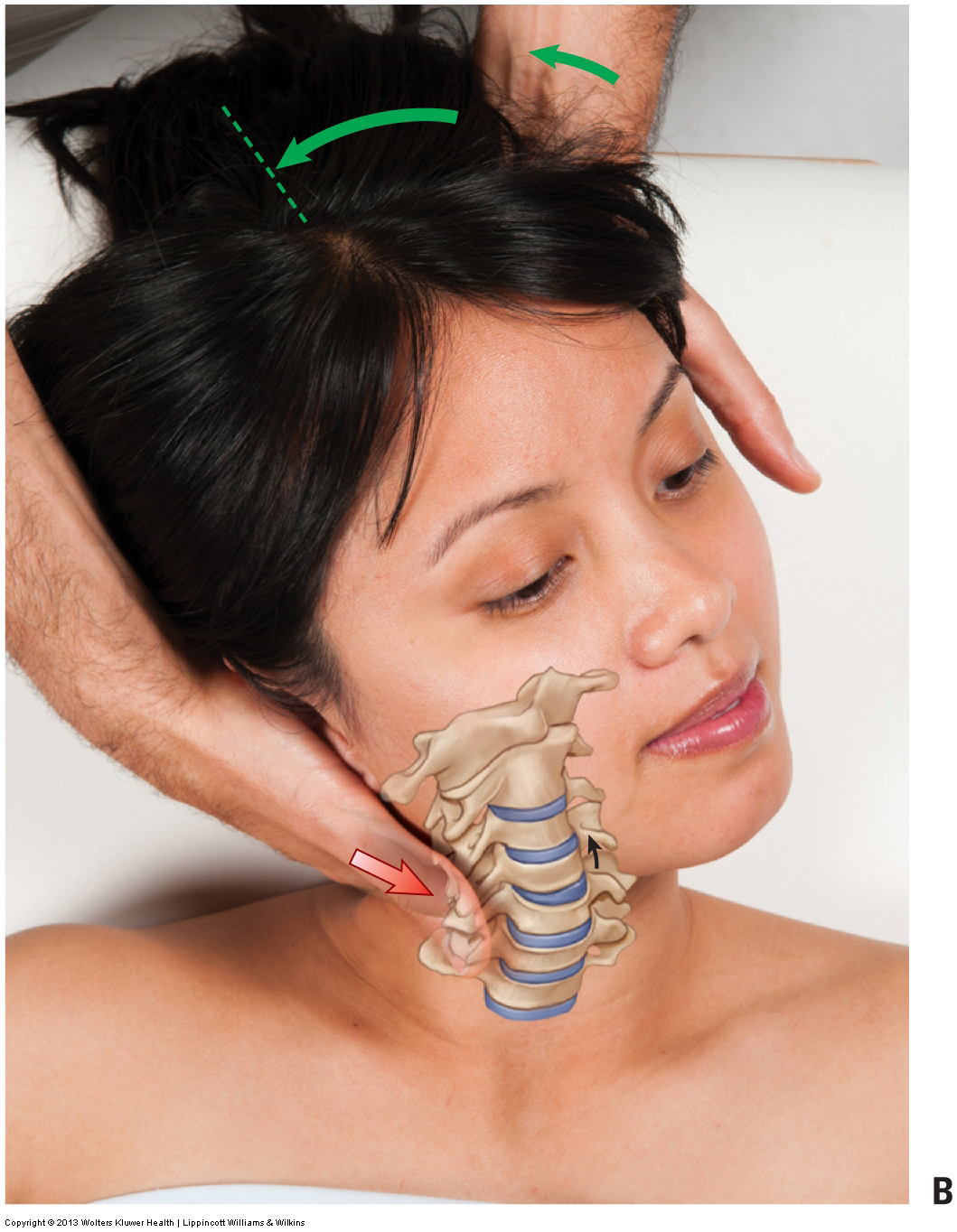
The value of massage therapy continuing education is often dependent on learning how to apply fundamental skill sets of manual therapy.
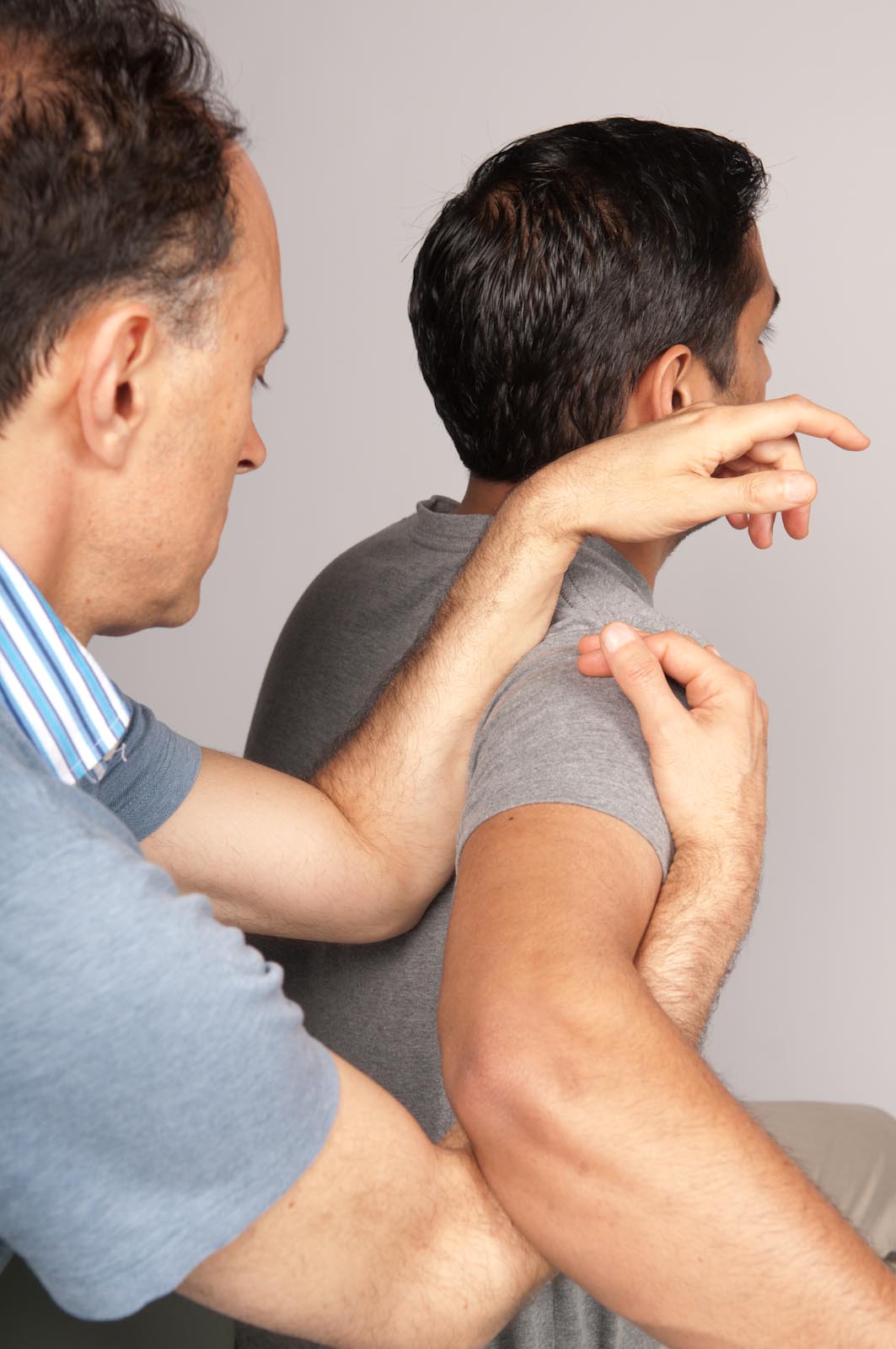
Especially effective for the pectoralis musculature is to use pin and stretch technique. With the client/patient supine and positioned toward the side of the table, pin the musculature with your finger pads as you bring the client/patient’s abducted arm off the side of the table and down into horizontal extension.
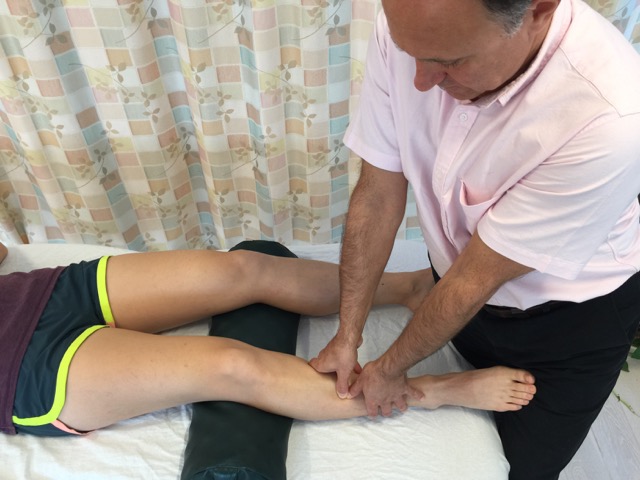
The first goal of manual therapy treatment for shin splints is to relieve the tension of the involved musculature by lessening baseline muscle tone and eliminating any trigger points that might be present. The second goal is to treat swelling, if present.
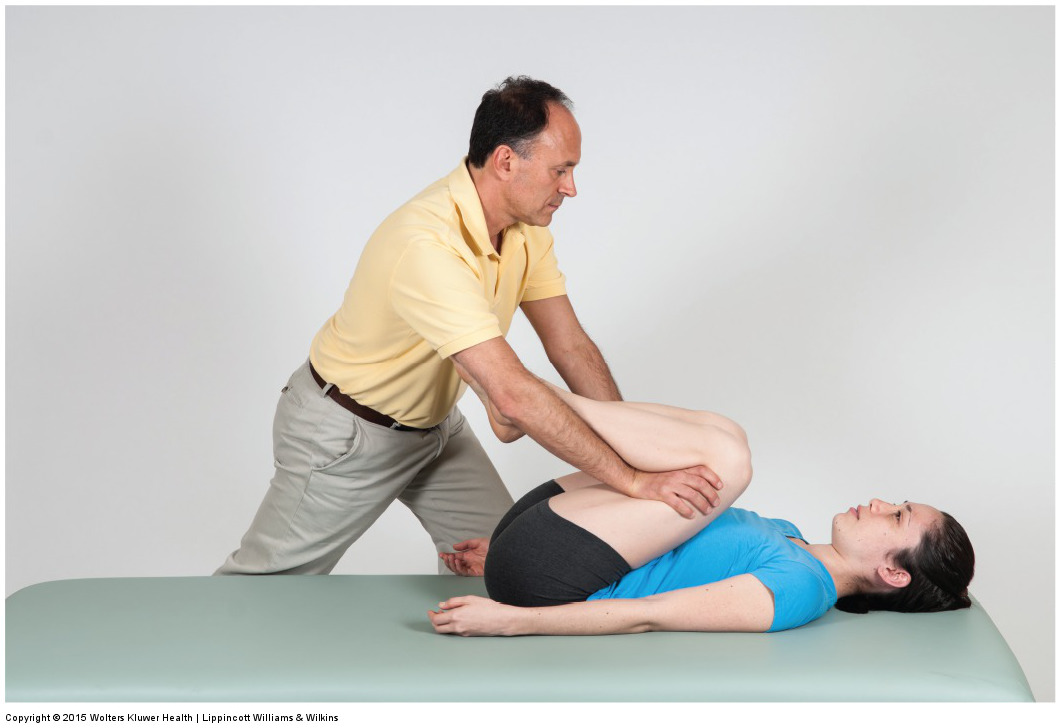
It is necessary to determine what condition is causing the sciatic nerve compression and address that. If the cause is a pathologic disc, then addressing factors that affect disc compression is appropriate.
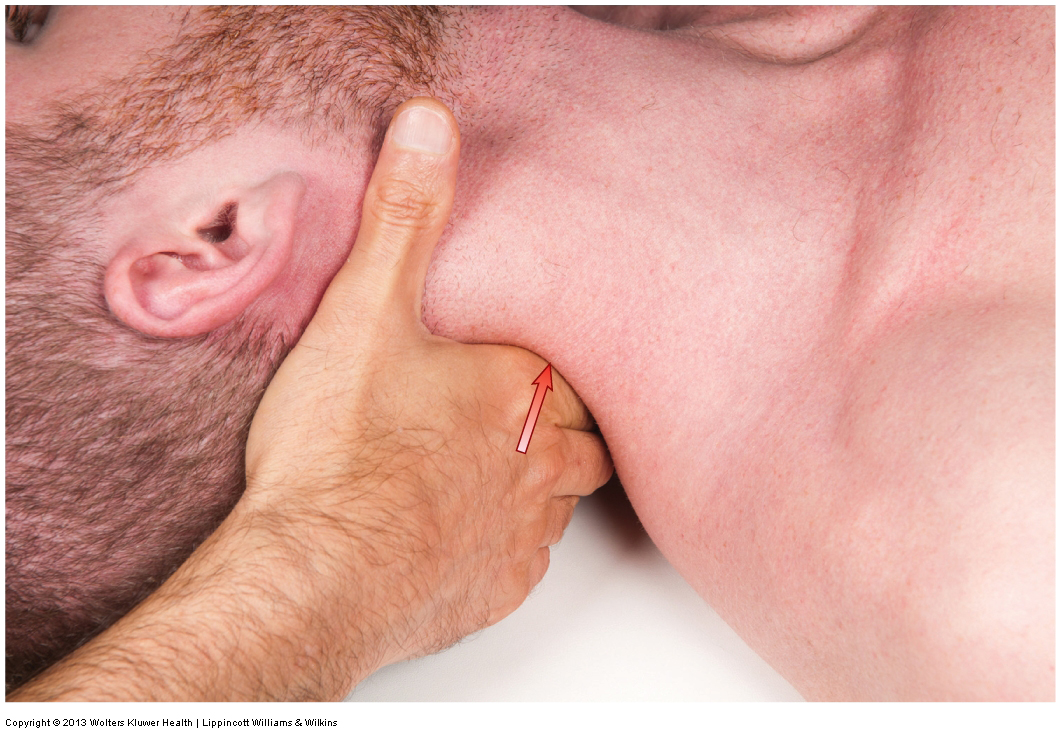
Joint mobilization treatment (Grade IV or V) is the most effective treatment technique to remedy a spinal joint dysfunction hypomobility once it is present.
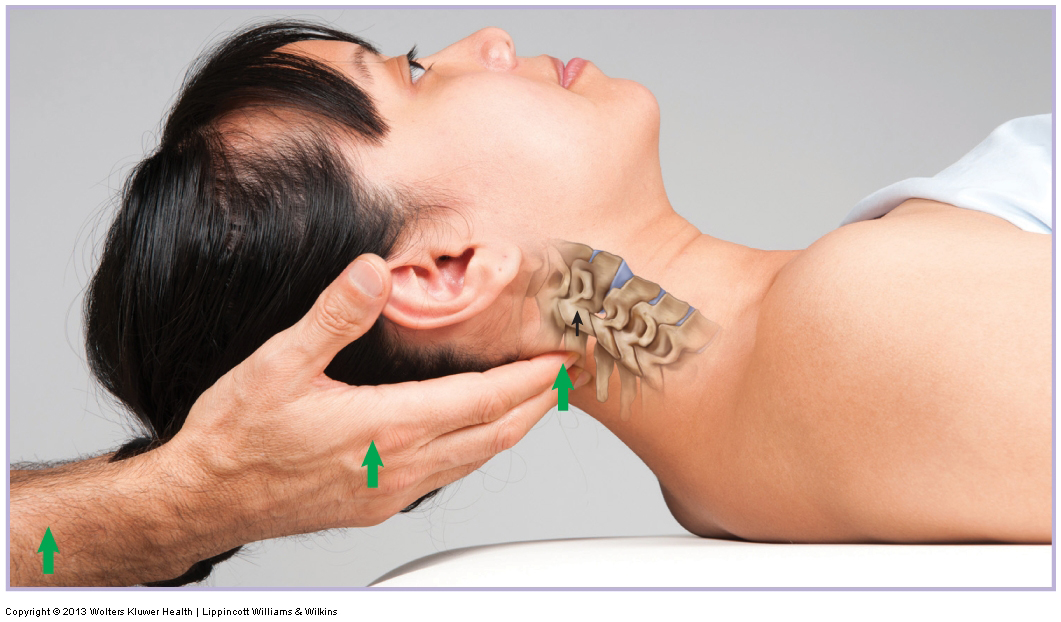
As a rule, moist heat followed by stretching is beneficial for spinal hypomobilities, and strengthening is beneficial for regions of spinal hypermobility.
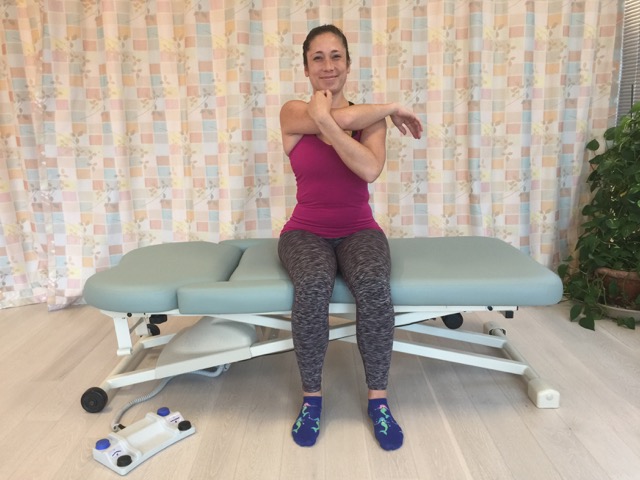
Self-care for the client/patient with rotator cuff pathology depends on the specific muscle that is affected and the specific pathology that is present.
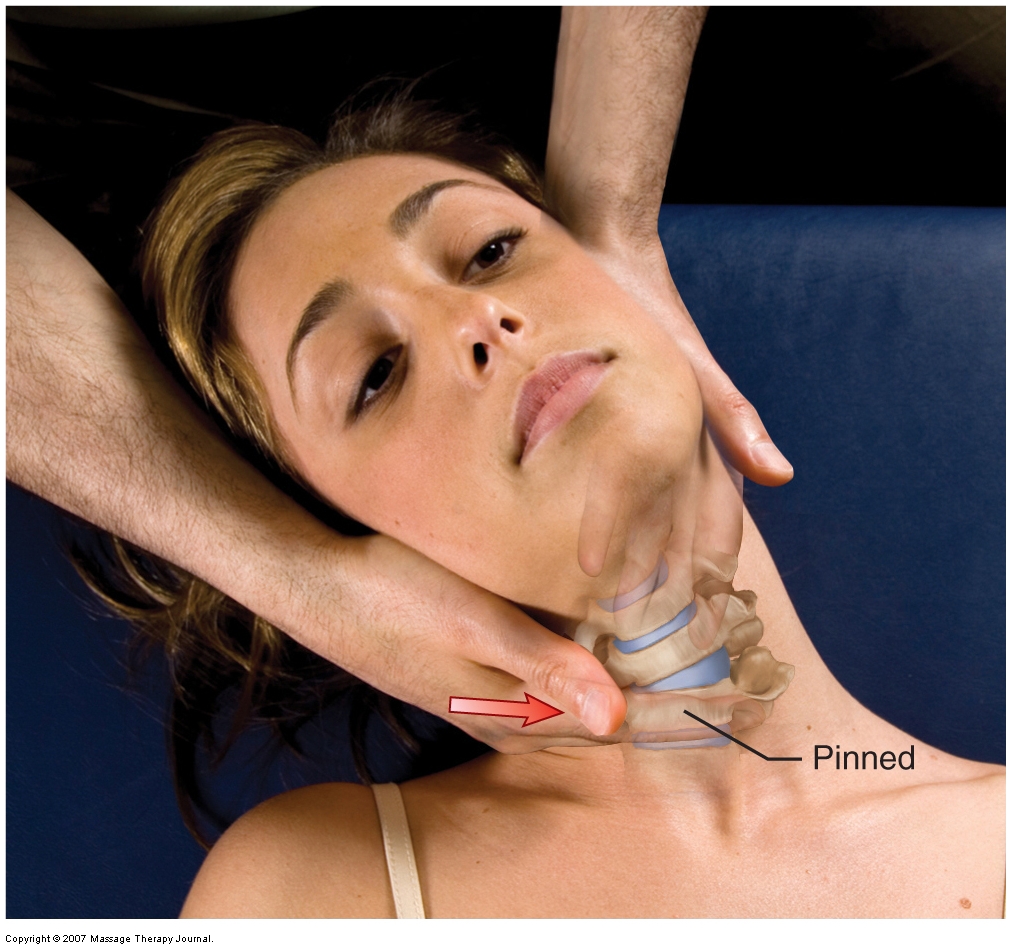
A whiplash/neck sprain is problematic to treat because it involves overstretching of ligaments, which causes joint instability.
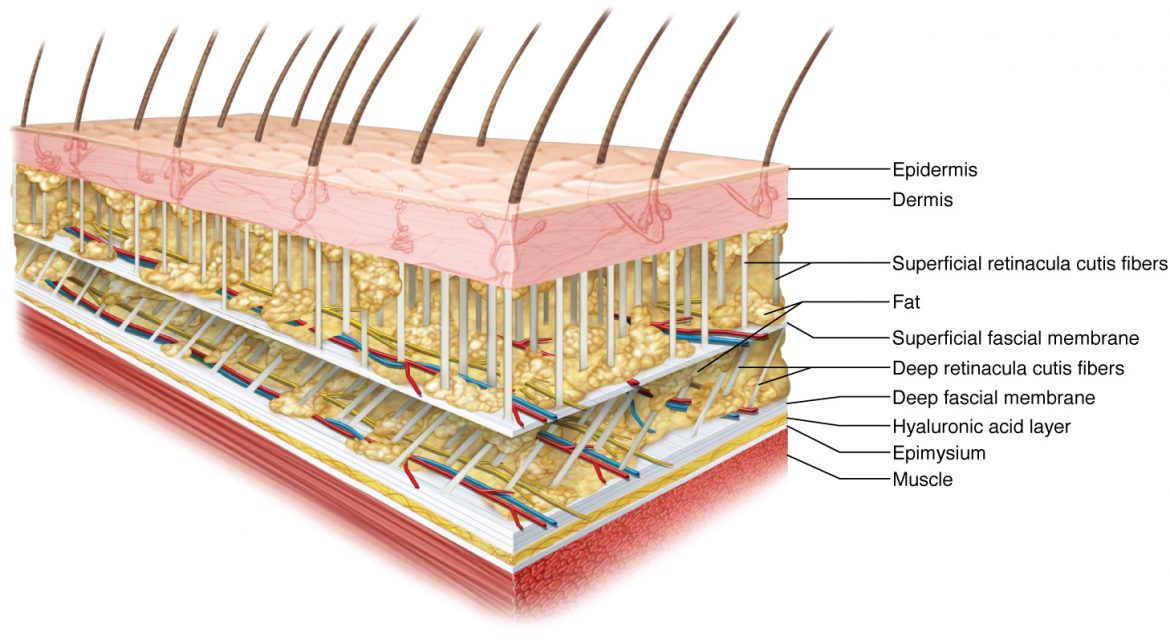
It would seem that taking any theory or ideology too far is dangerous. Certainly, the interfaces of soft tissues of the body are quite slippery…
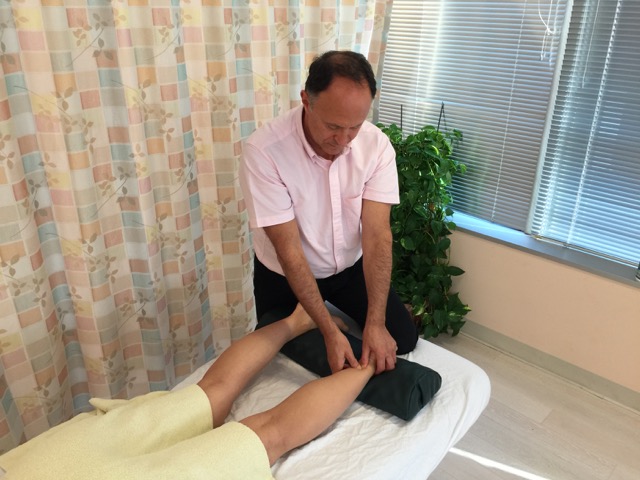
Manual therapy for a chronic Achilles tendon disorder is aimed at decreasing plantarflexor tightness and breaking up excessive fascial adhesion scar tissue.
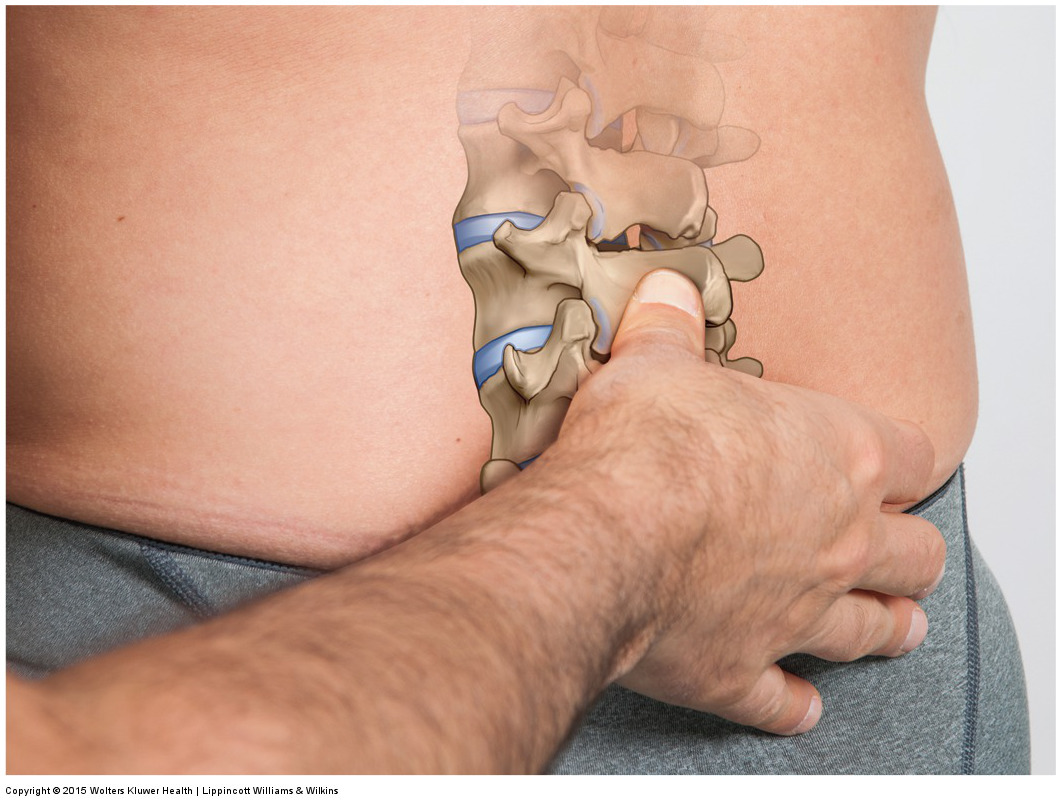
The application of this study is enormous. Many manual therapy professions employ joint mobilization techniques, either Grade IV and/or Grade V.
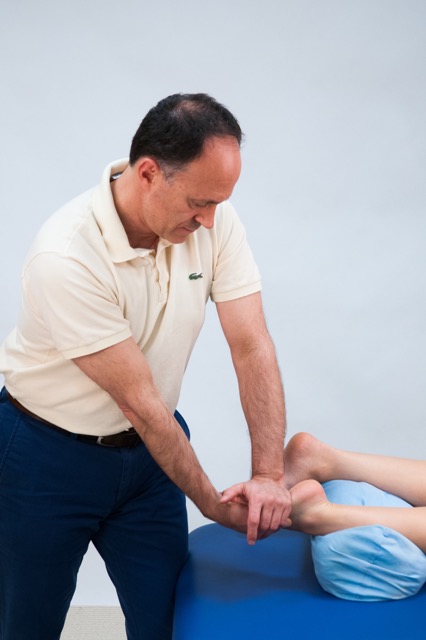
The role of manual therapy for a rigid flat foot (overpronation) is to loosen fascial adhesions that are locking the bones in a position of pronation.
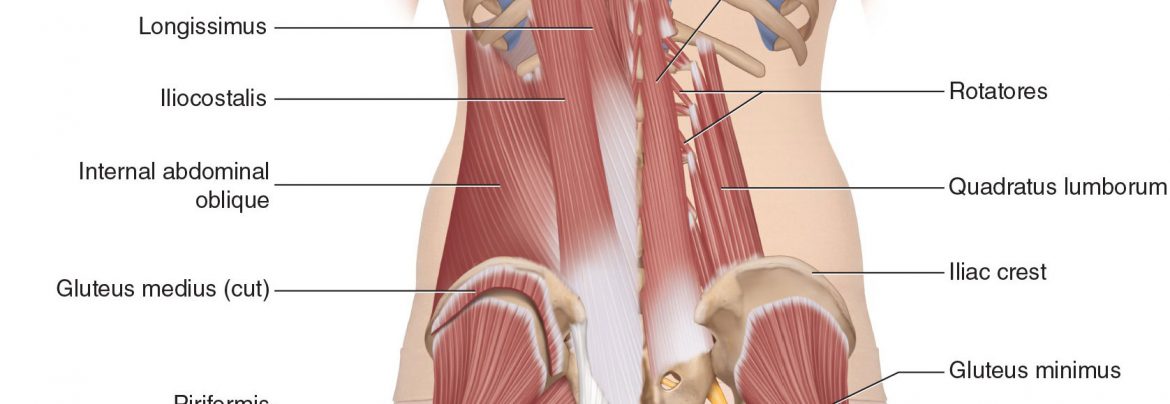
So if we say that the cause of most low back pain is not understood, it should mean that we do not know what mechanism is causing the low back pain most of the time. But that is not true. We can often palpate tight myofascial tissue or a dysfunctional joint that is causing back pain.
