There are two major reasons why a massage therapist should consider working toward and earning a Continuing Education Certificate in Manual Therapy.
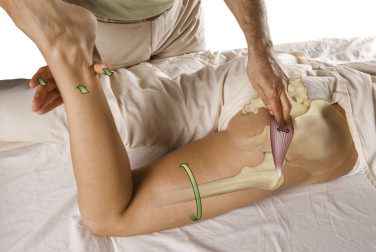

Below you'll find a list of all posts that have been tagged as “assessment”
There are two major reasons why a massage therapist should consider working toward and earning a Continuing Education Certificate in Manual Therapy.
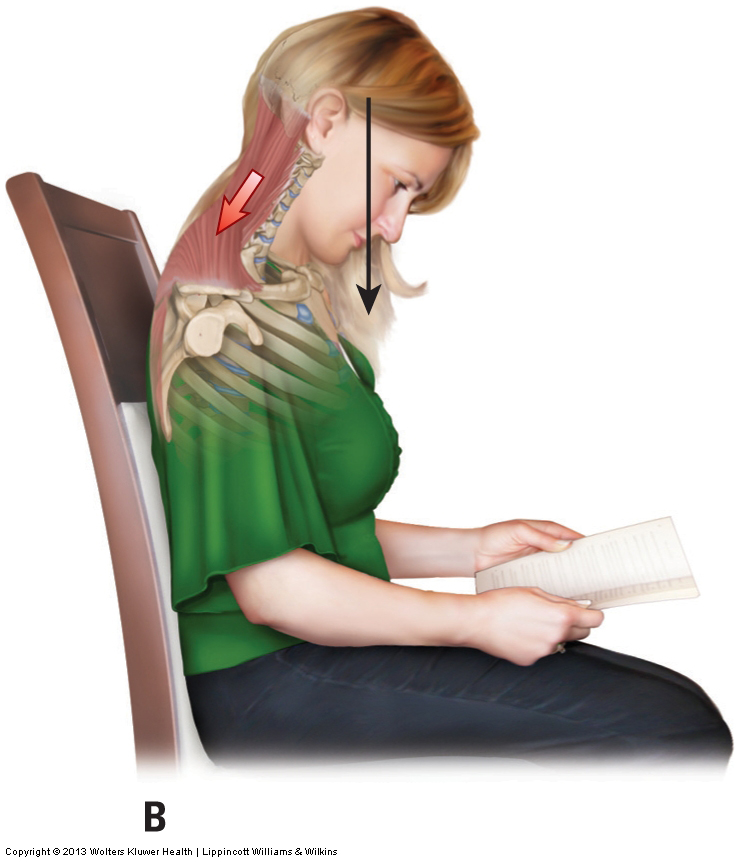
The most common signs and symptoms of spasmed muscles of the posterior neck are pain, a feeling of tightness, and restricted motion.
The assessment/diagnosis for low back muscle spasming begins with the verbal history and ROM and orthopedic assessment, and is confirmed with palpation.
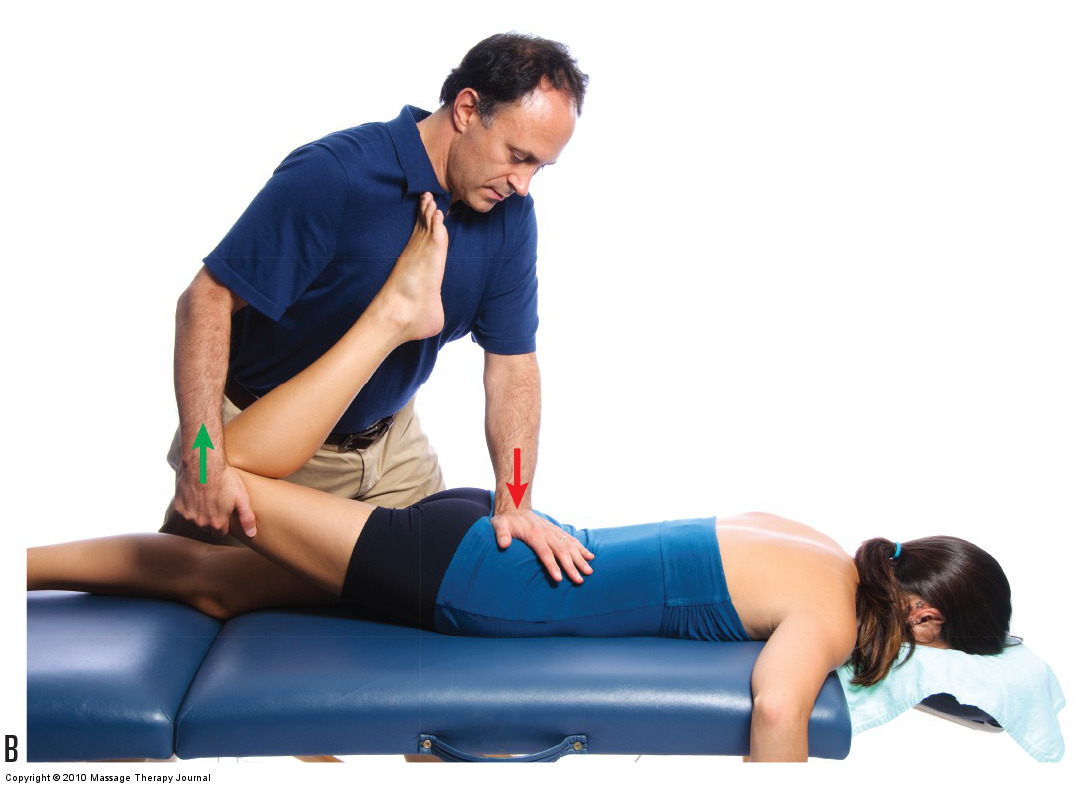
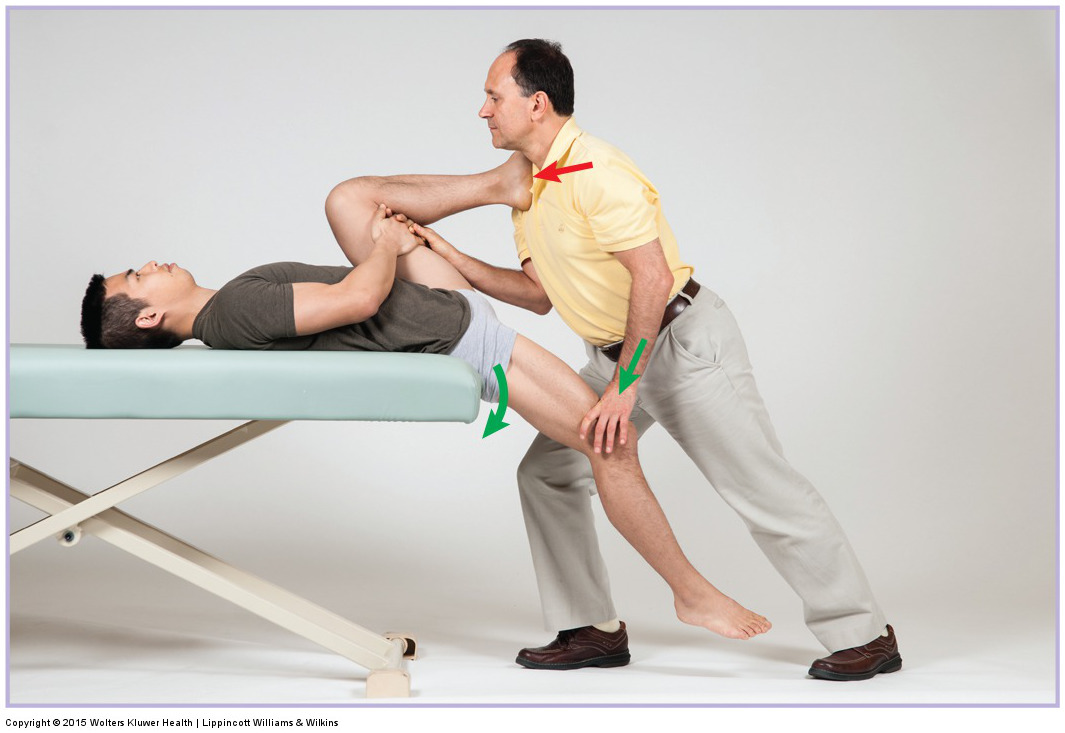
Orthopedic assessment testing works by what could be called “stress and assess”. The test adds a physical stress and we assess the client’s response.
A low back sprain and strain present a similar clinical picture. The client/patient will have low back spasming and pain, which will increase with motion.
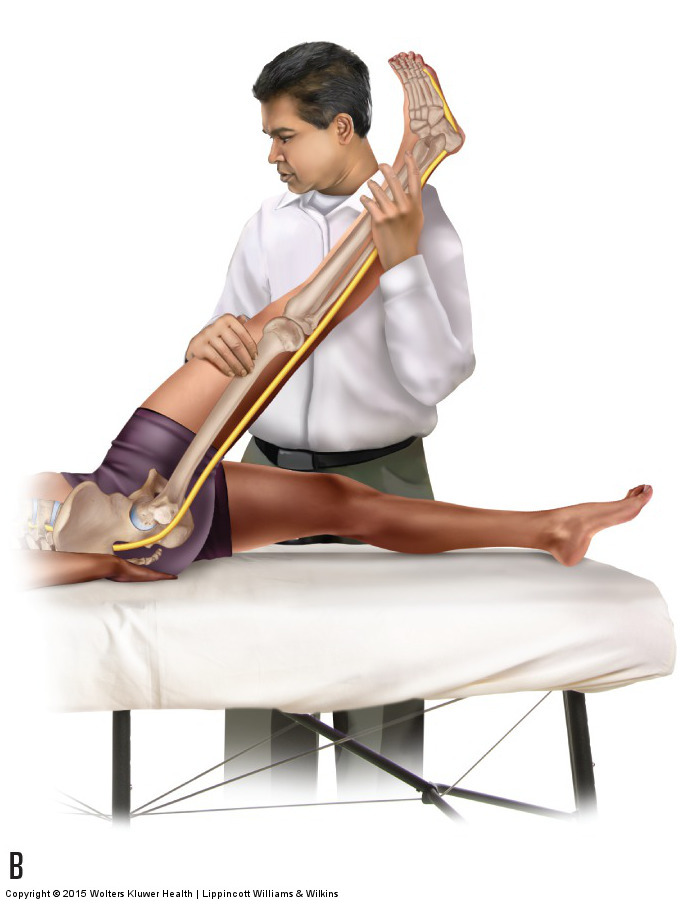
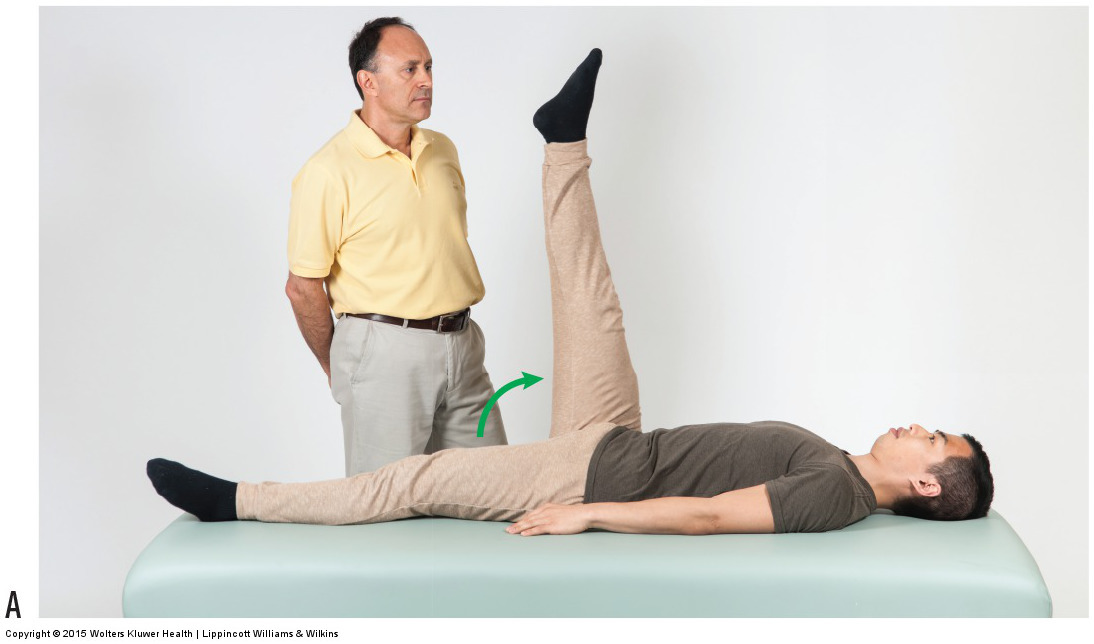
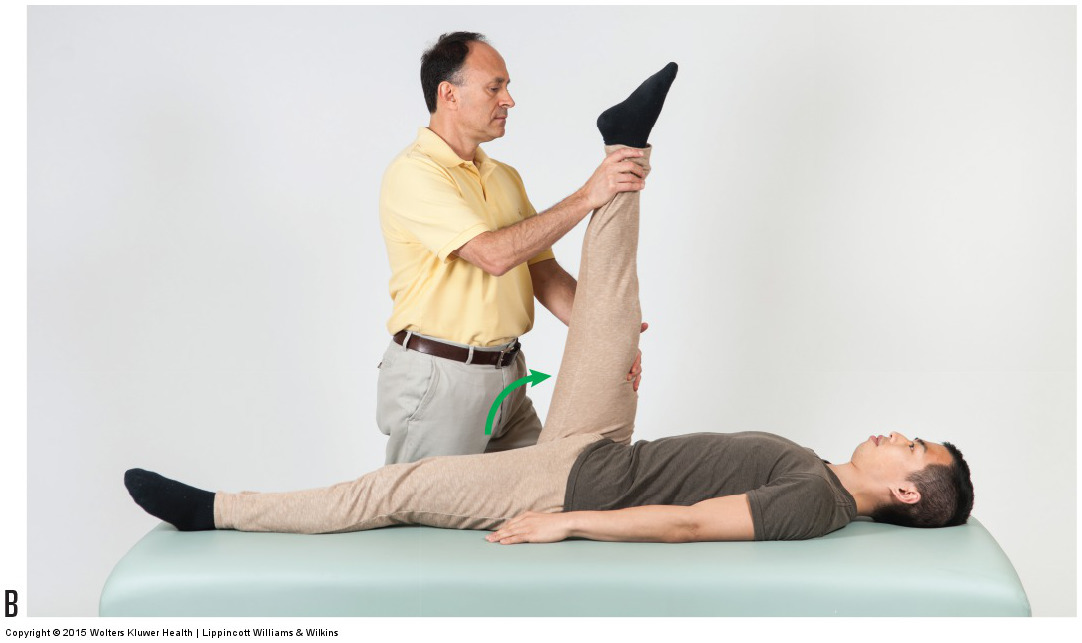
Both active straight leg raise and passive straight leg raise tests are designed to tension the sciatic nerve to assess a space-occupying lesion.
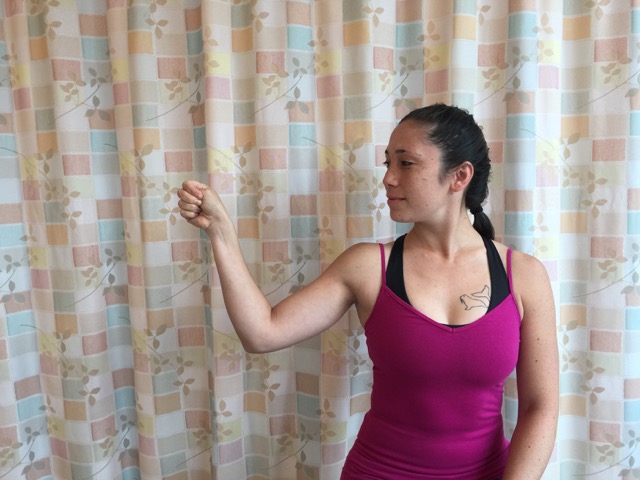
Assessment / Diagnosis for De Quervain’s syndrome is done by a special orthopedic assessment test procedure known as Finklestein’s Test.
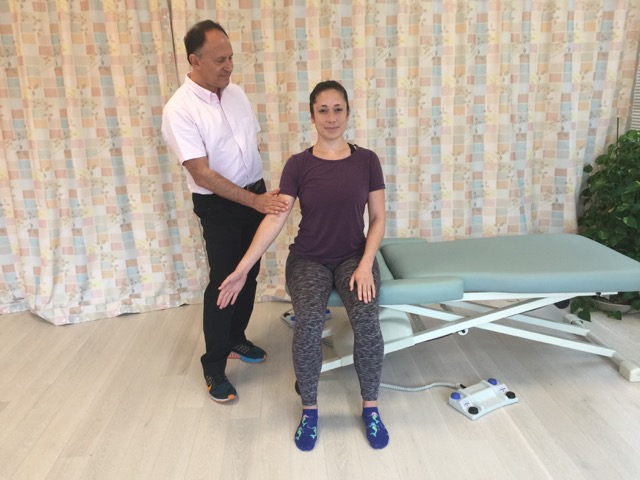
Signs and symptoms of rotator cuff pathology include pain, joint crepitus, weakness, and decreased range of motion when moving the shoulder (glenohumeral) joint.
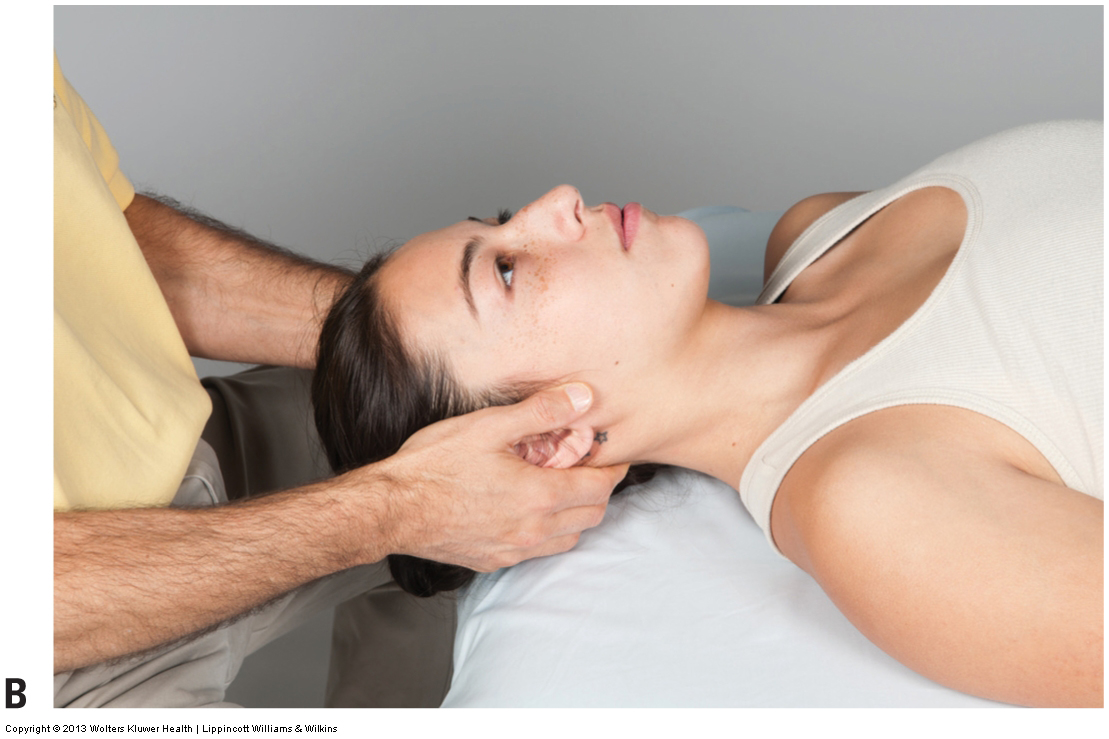
The term “space occupying condition” is used to describe a condition in which there is compression on a spinal nerve in the intervertebral foramen.
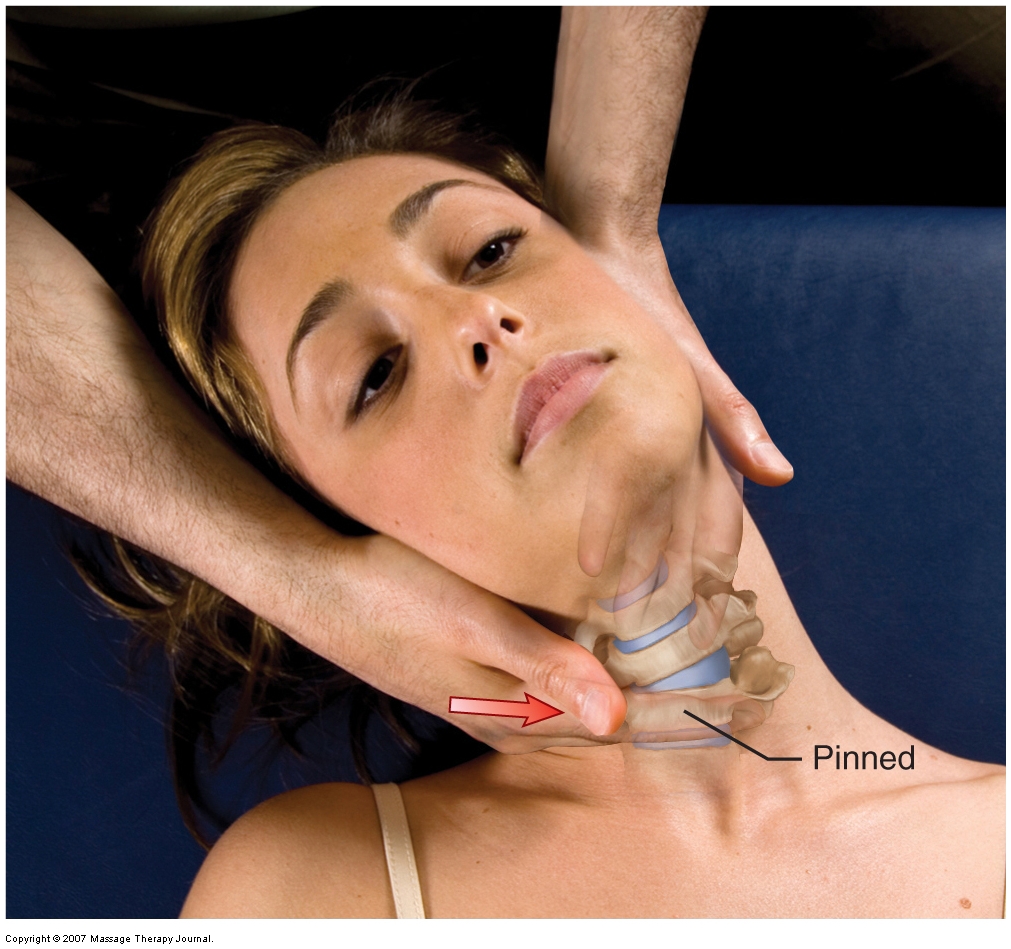
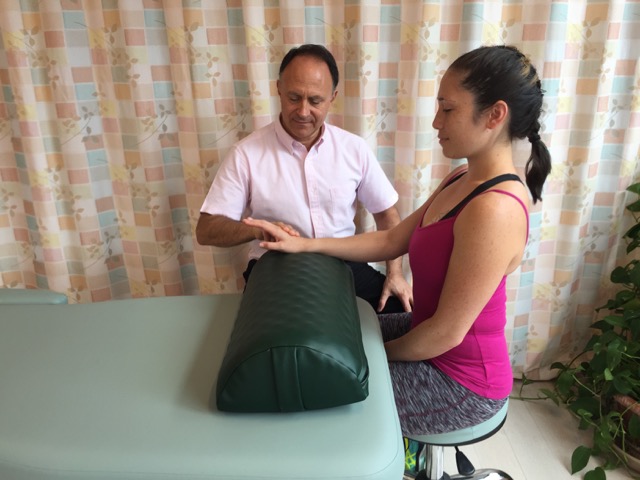
Motion palpation is a specific form of passive (pin and stretch technique) assessment that challenges the intrinsic fascial tissue of the joint.
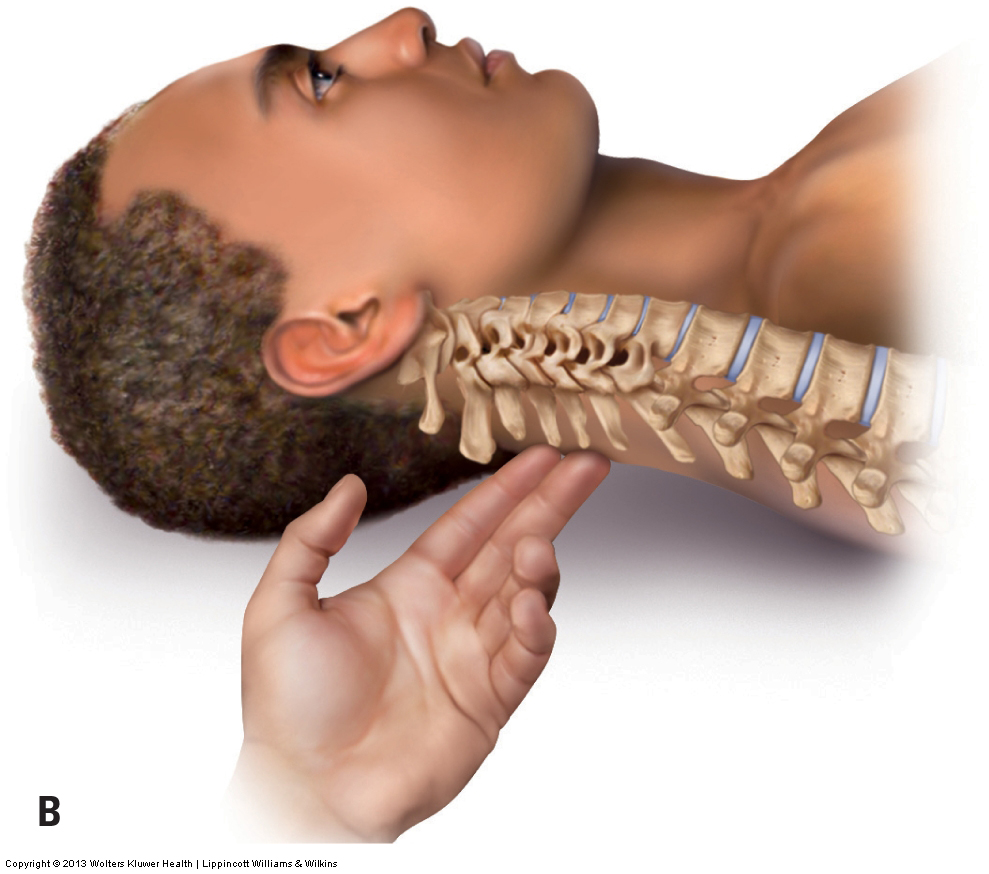
Perhaps no assessment procedure is more important to the manual therapist and integral to musculoskeletal (myofascioskeletal) assessment than palpation.
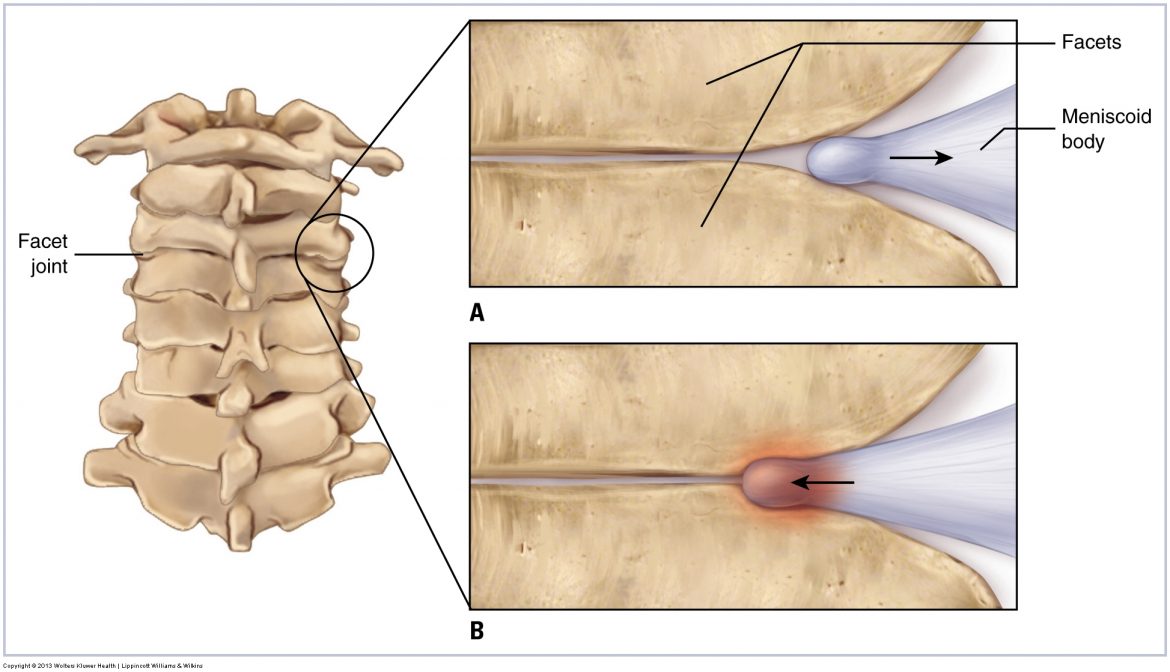
A joint functions to allow motion, so two forms of joint dysfunction exist: Hypomobile joint has restricted motion; Hypermobile joint has excessive motion.
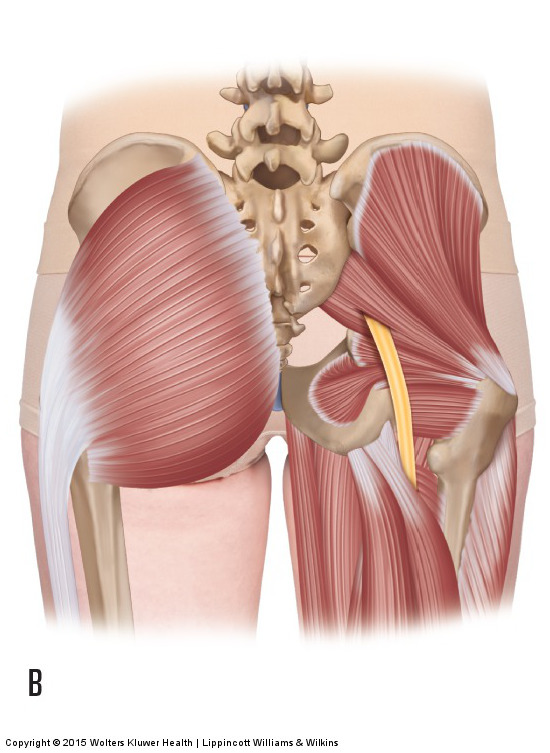
Piriformis syndrome causes compression upon the sciatic nerve; therefore it causes symptoms of sciatica, similar to sciatic nerve entrapment at the spine.
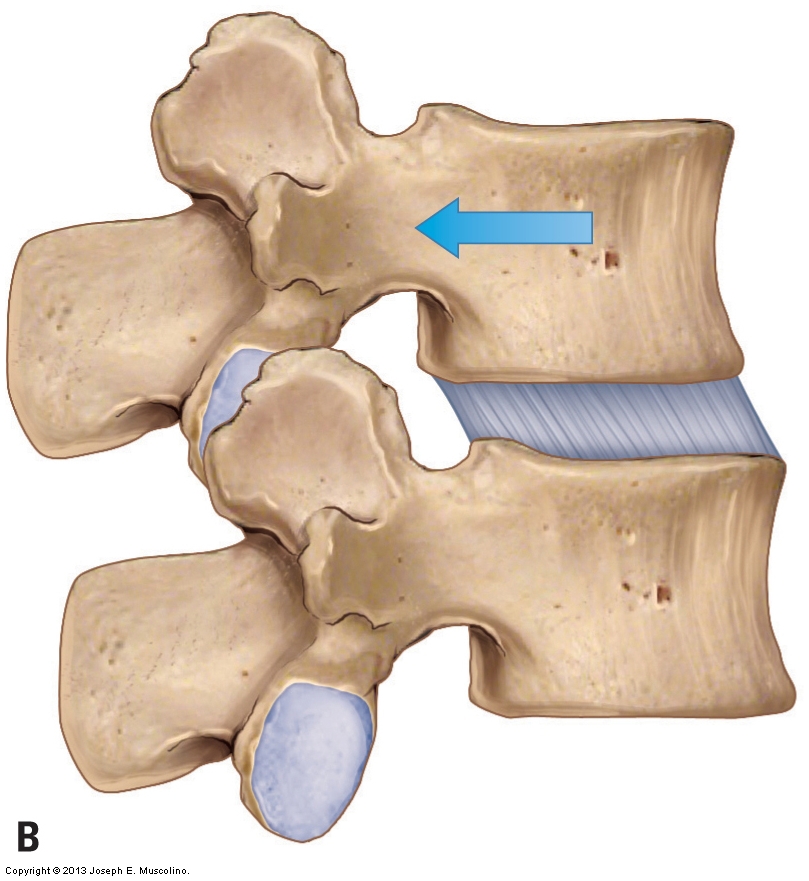
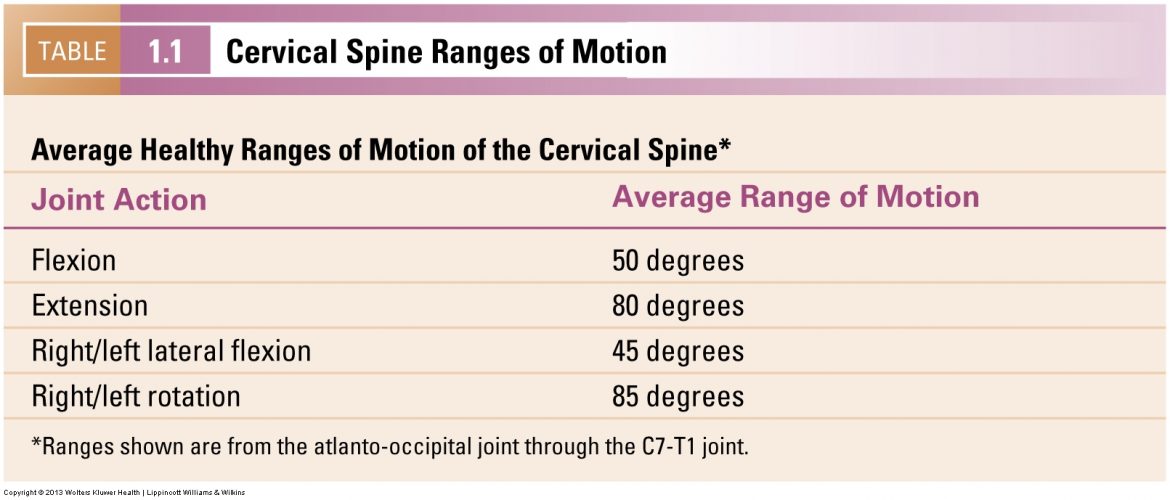
Table 1 shows average healthy ranges of axial motion of the cervical spine (head and neck), from the atlanto-occipital joint through the C7-T1 joint.
Assessment (diagnosis) of tennis elbow is done with active and passive range of motion, manual resistance, and palpation.
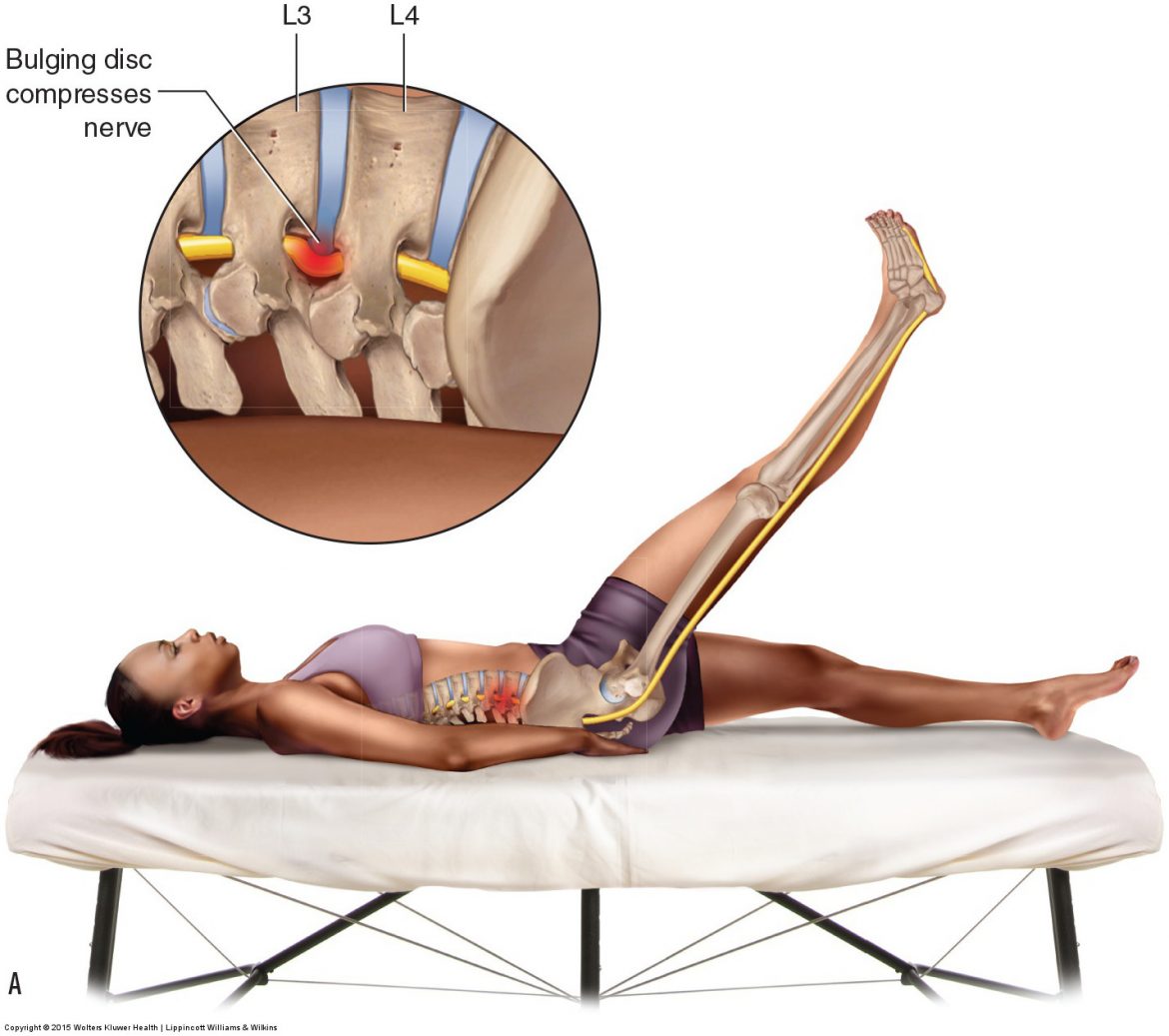
Successful assessment/diagnosis of sciatica depends upon successfully assessing the underlying cause of the sciatic nerve compression.
Think of the health history as a written and verbal conversation between the therapist and the client about the client’s health.
If the test creates signs/symptoms, but not the signs/symptoms of the condition for which the test is designed, then the test is considered to be negative.
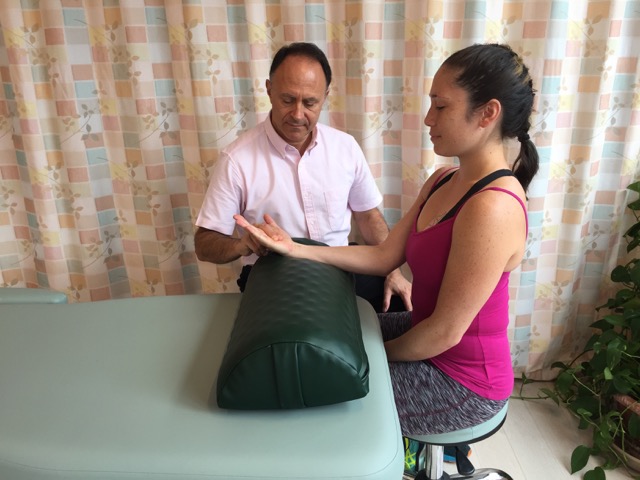
Assessment (diagnosis) of golfer’s elbow is done with active and passive range of motion, manual resistance, and palpation.
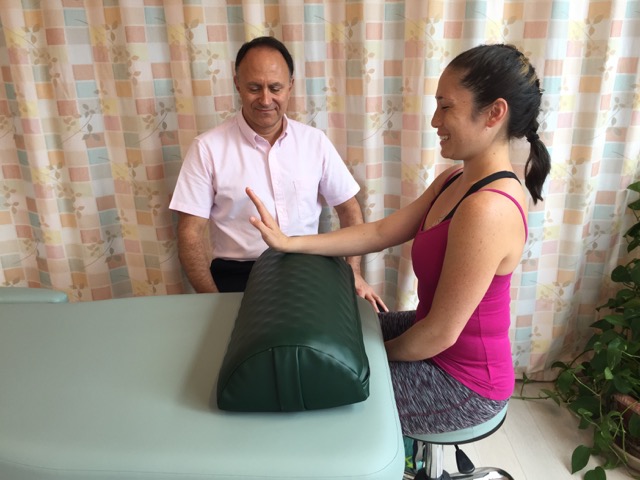
Assessment/diagnosis of wrist strain, sprain, and tendinitis is done using active and passive range of motion (ROM) as well as manual resistance (MR).
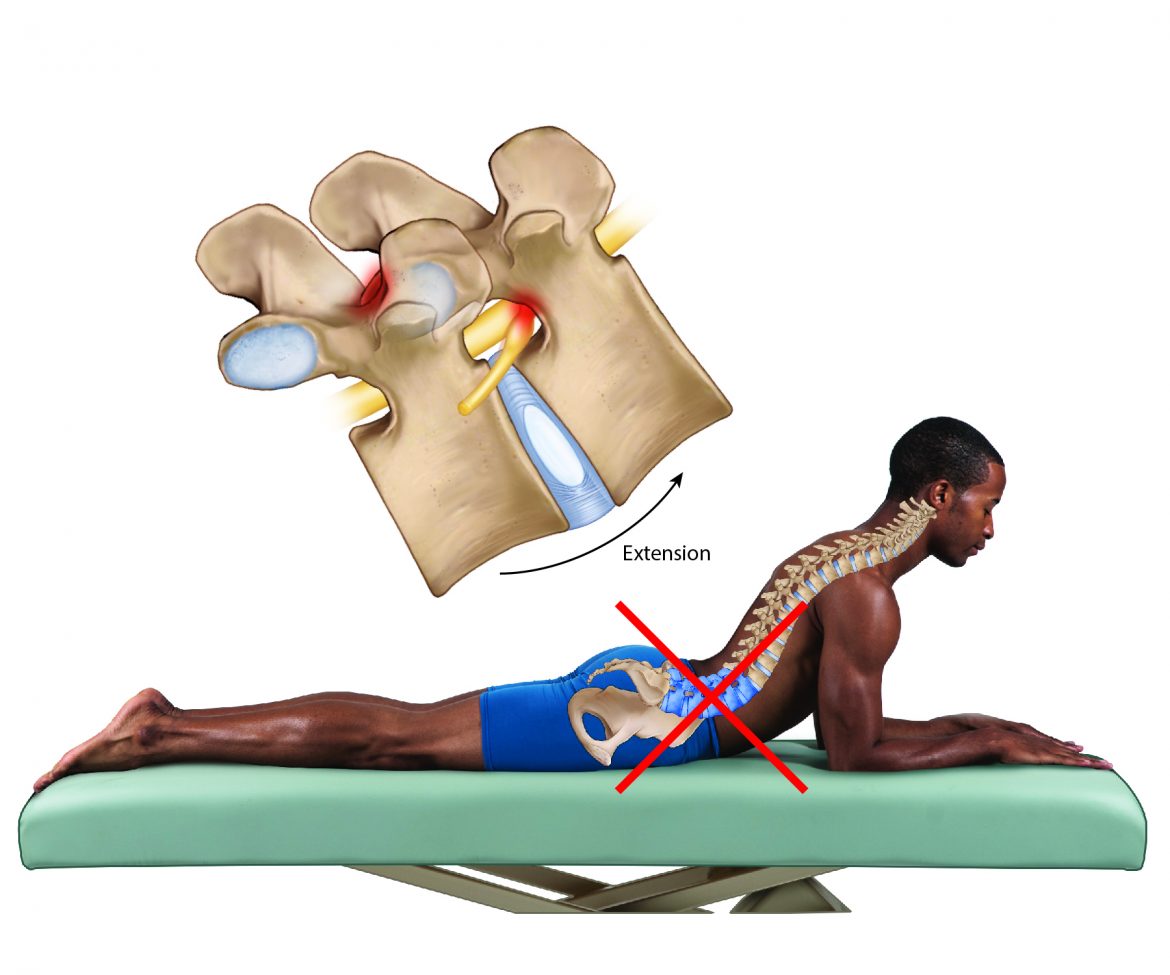
Treatment should never be administered without a diagnosis. In the world of manual therapy, treatment should only be performed if an assessment is made.
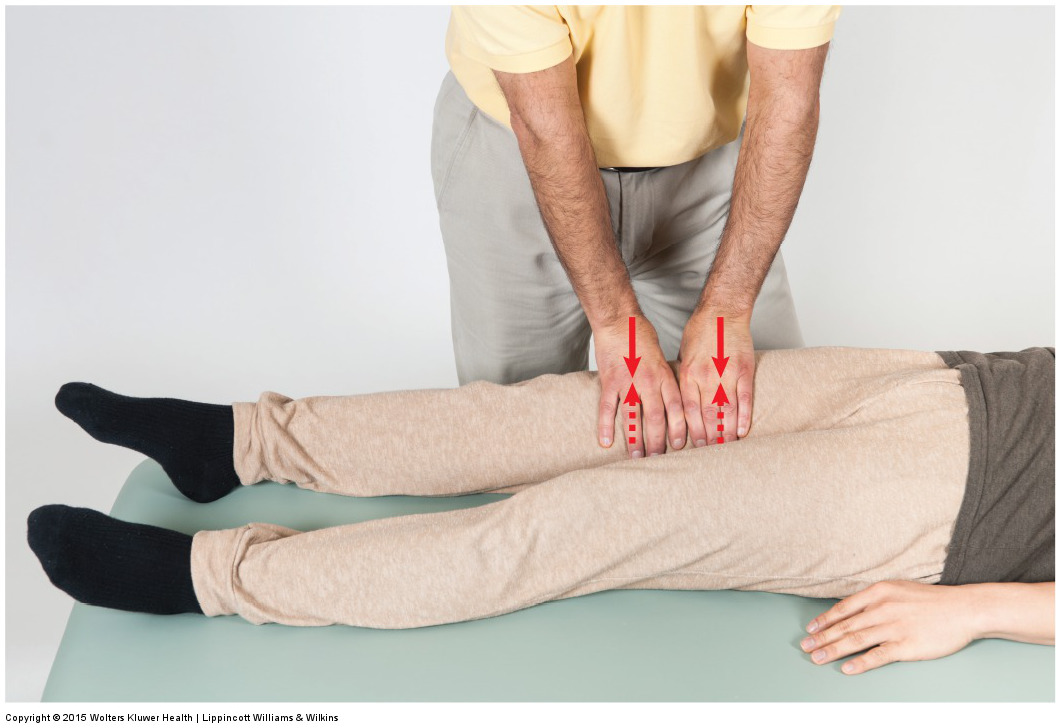
This blog post article is part of a series of articles on assessment of the low back and pelvis. Scroll to the end of this article to see the others in this series. Range of Motion Range of motion (ROM) …
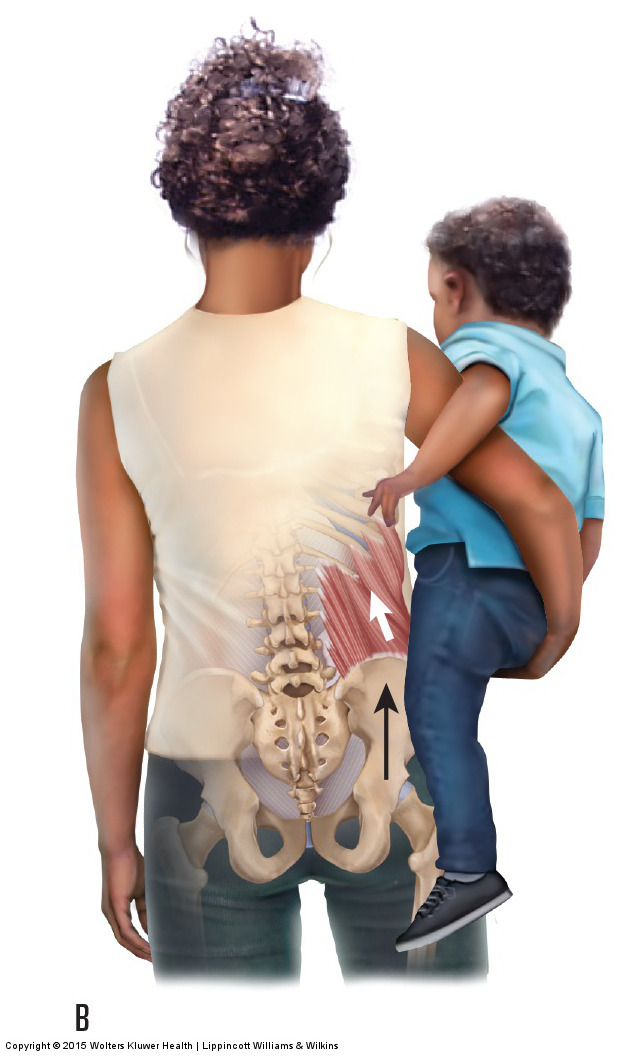
Because of the tendency of one sacroiliac joint (SIJ) to compensate for the other when motion is dysfunctional, typically both SIJs become dysfunctional.
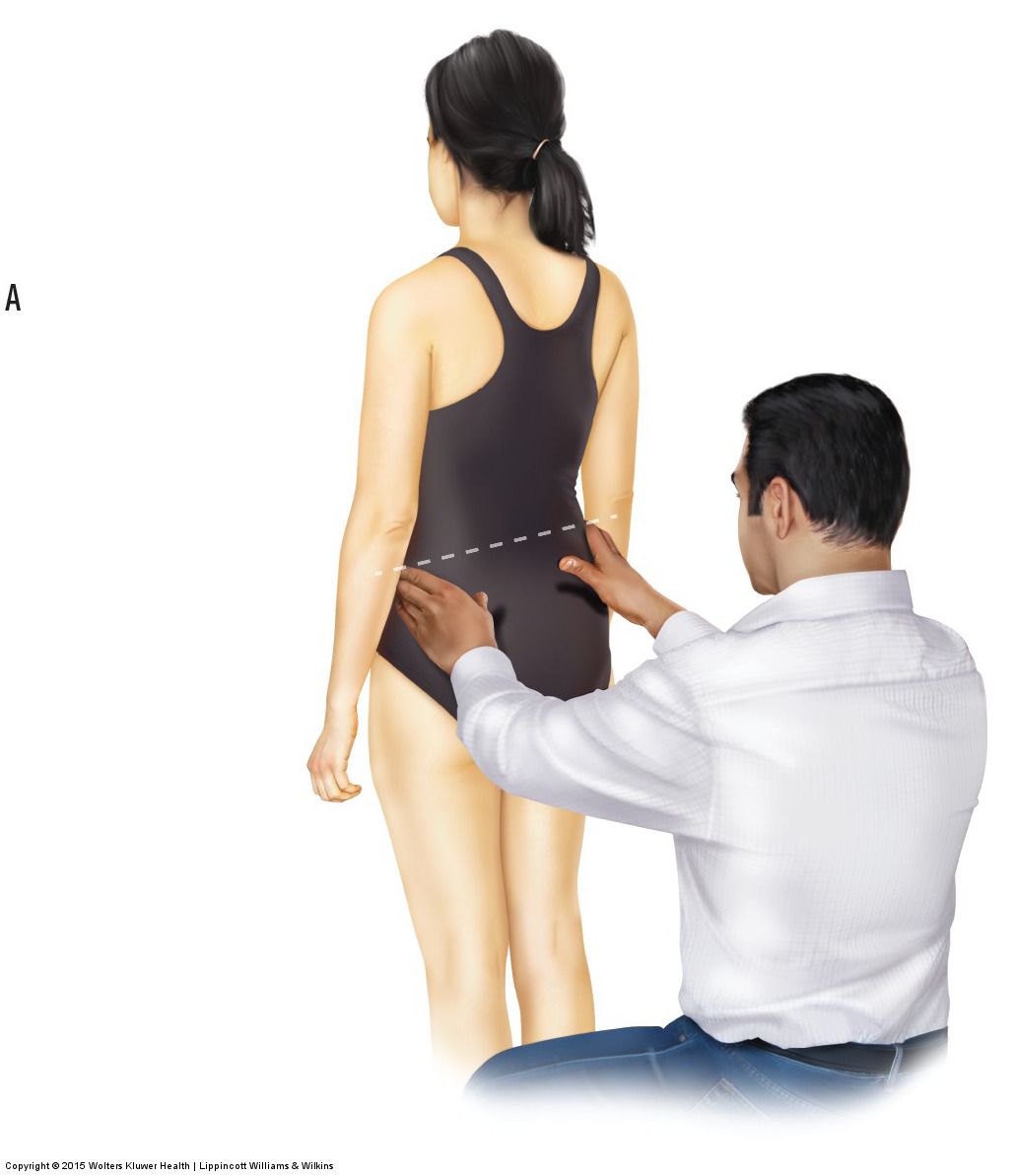
No assessment procedure is more important to the manual therapist than bone and muscle (myofascial) palpation.
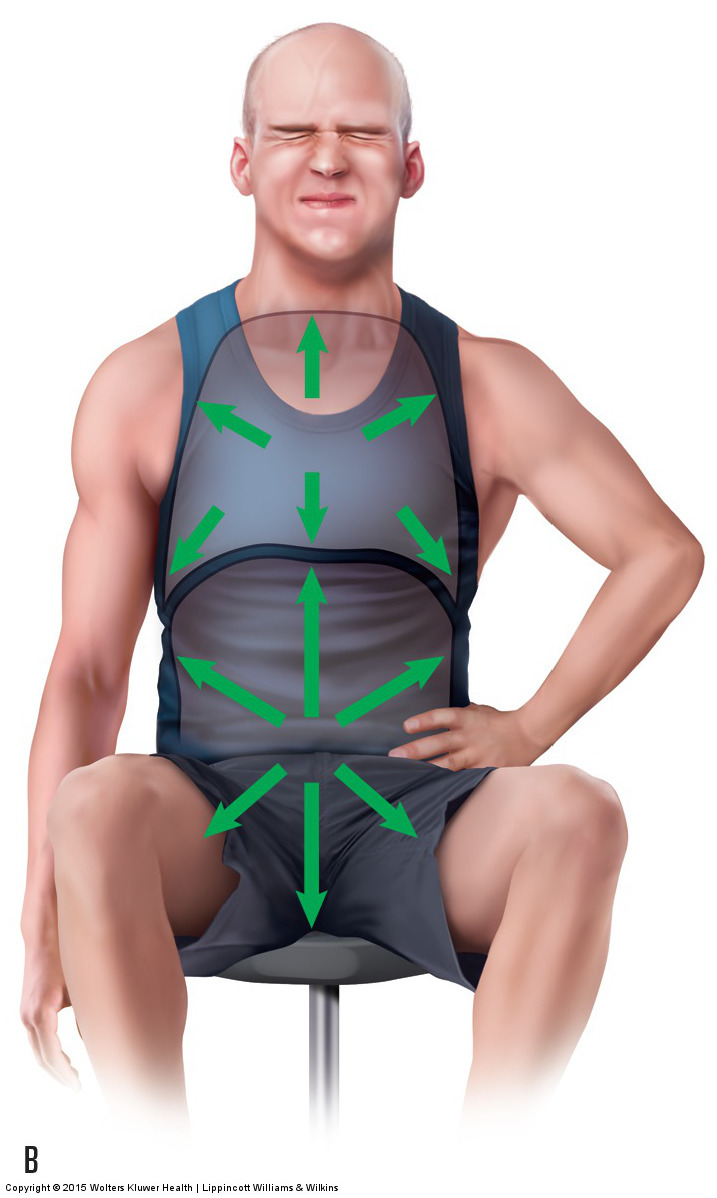
Cough test and Valsalva maneuver are designed to increase intrathecal pressure, or pressure on the spinal nerves in the intervertebral foraminal spaces.
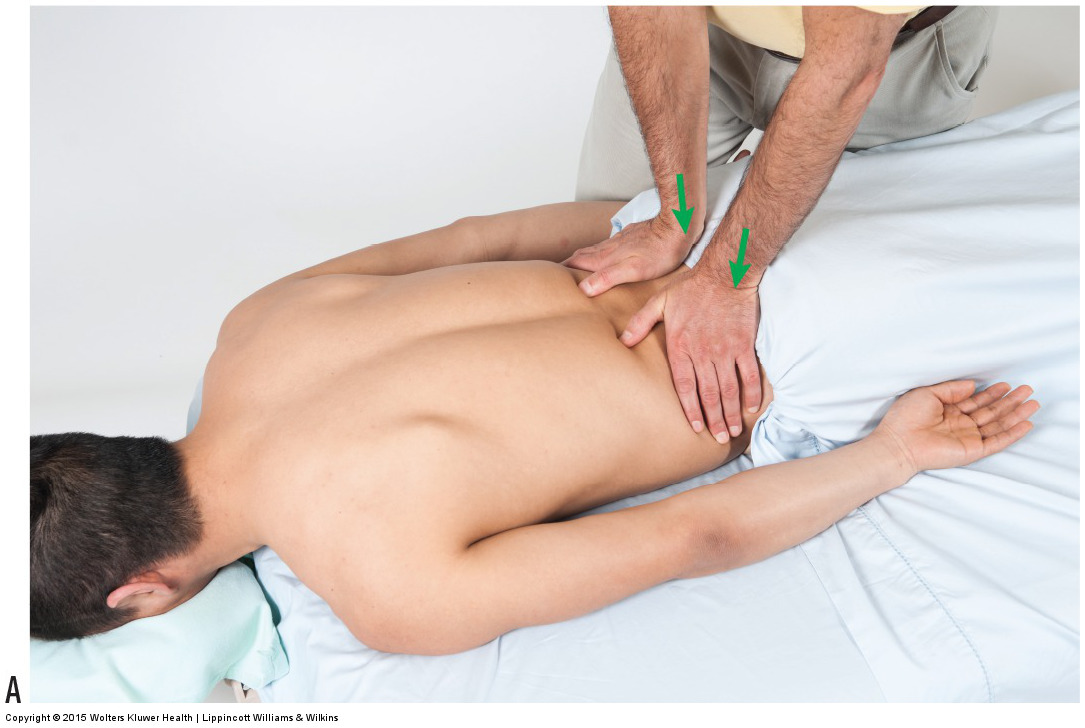
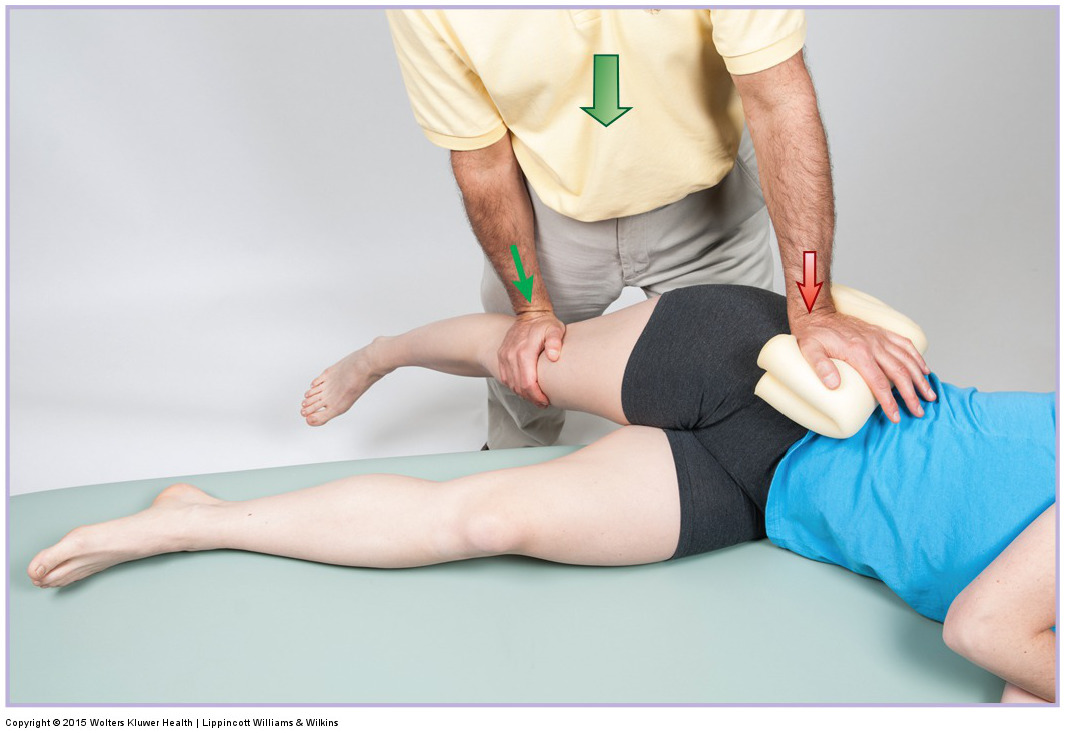
The sacroiliac joint (SIJ) medley of tests is a series of five assessment tests to determine if the SIJ is the causative agent of the client’s pain.
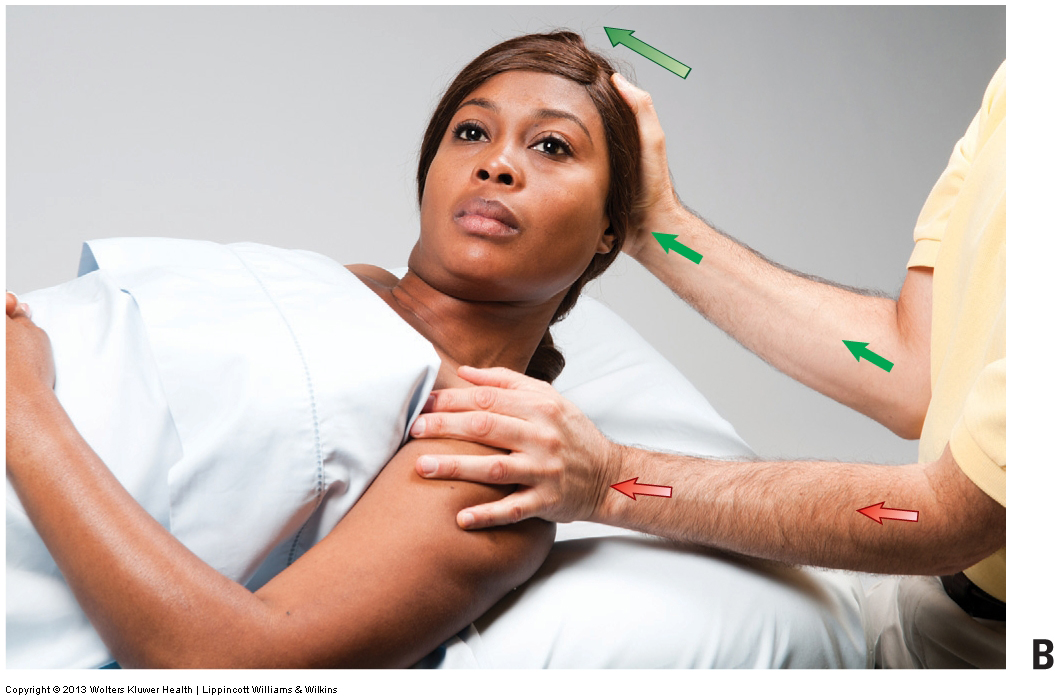
Assessing a whiplash injury from another condition of the neck is straightforward because a whiplash by definition follows a macrotrauma of the neck,
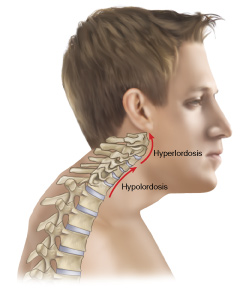
Slumped spinal posture is characterized by slumped postural dysfunction from the pelvis to the head. Assessment is made upon static postural examination.
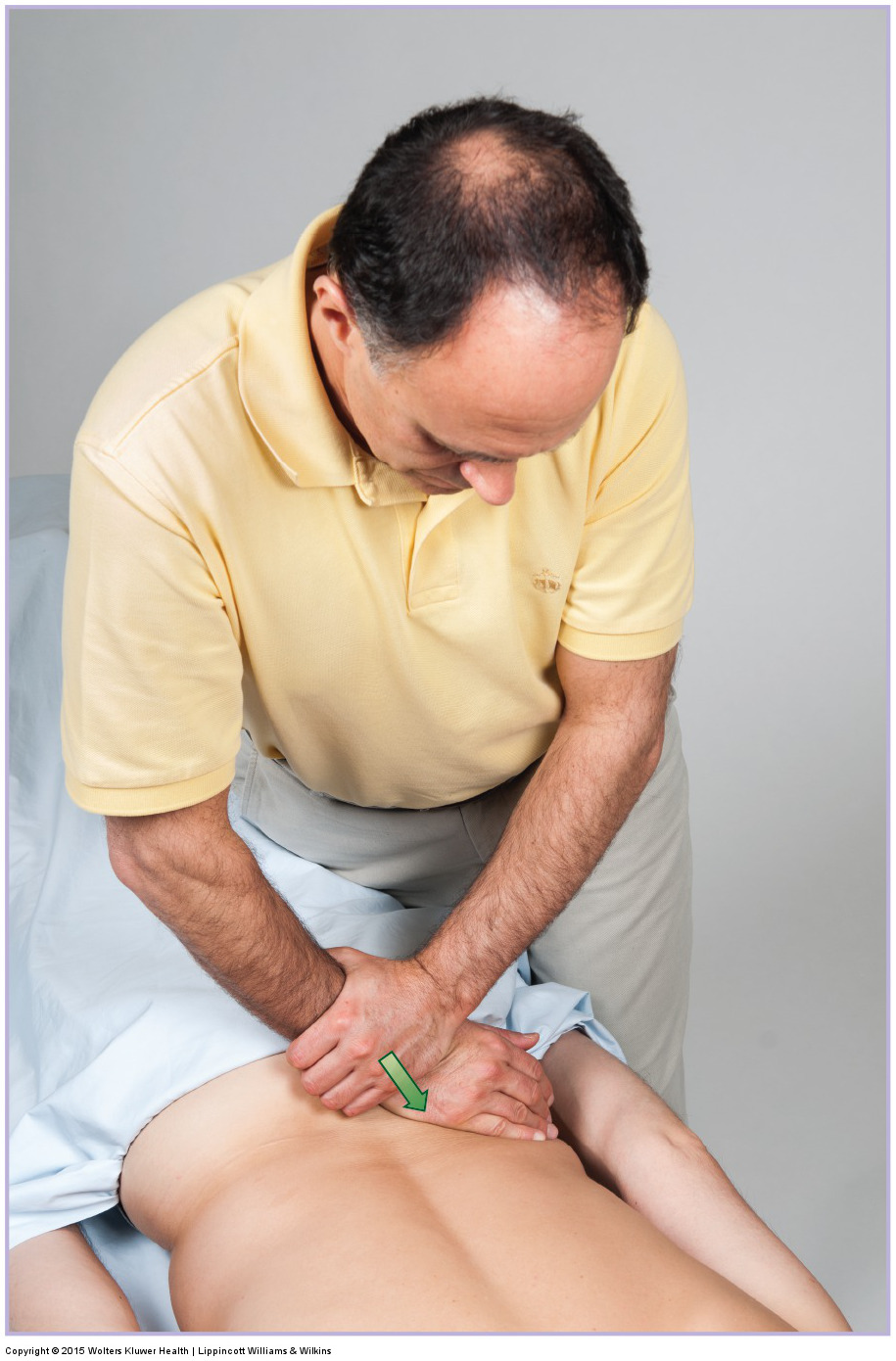
Assessment of sacroiliac joint dysfunction is done by motion palpation, in which the joint is challenged to move while the motion of the joint is assessed.
The following techniques are considered to be Manual Therapy techniques: Massage (Soft Tissue Manipulation), Stretching, Joint Mobilization, Hydrotherapy.
