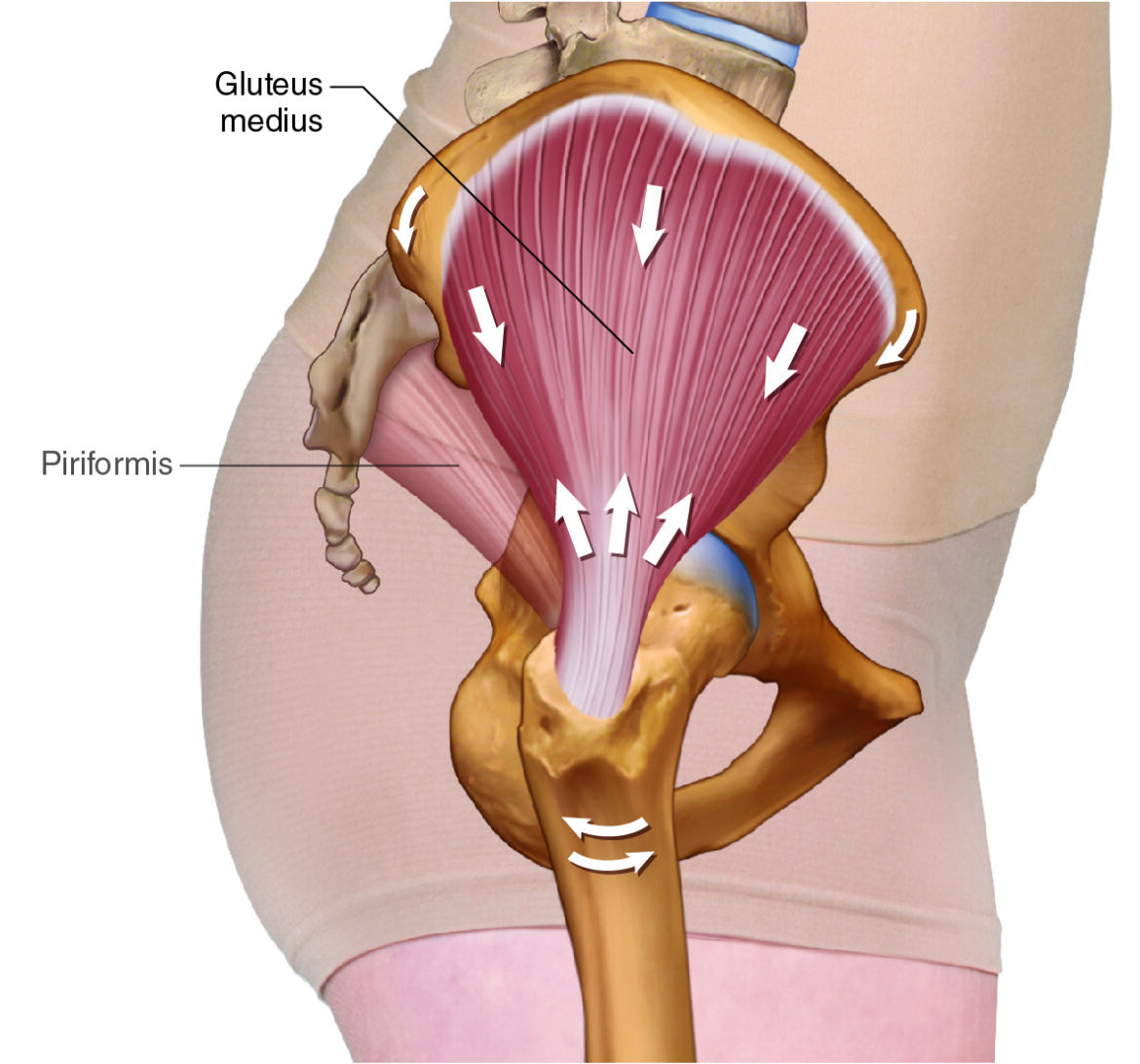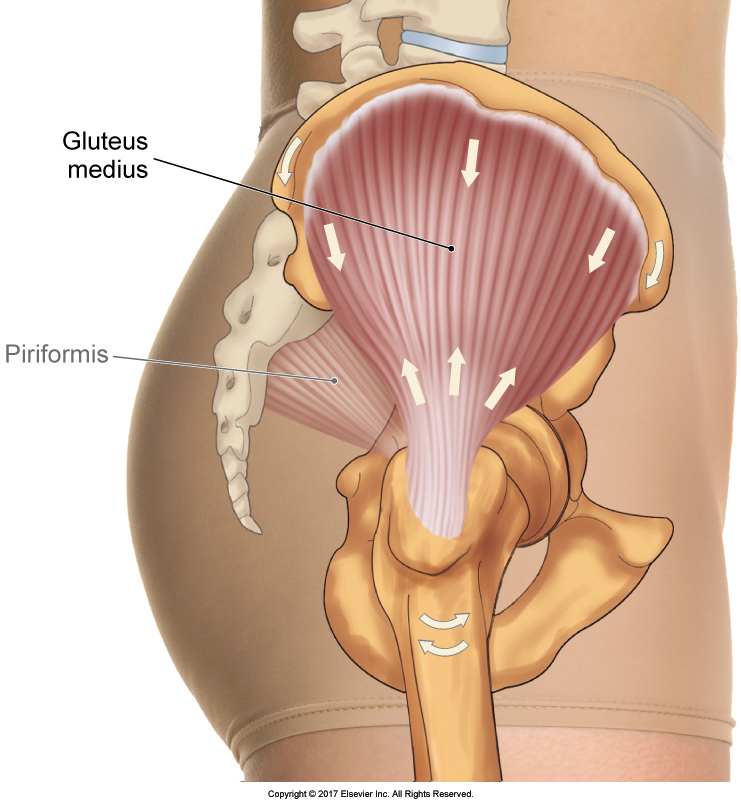
The gluteus medius is an incredibly important muscle. It is functionally important at the hip joint, especially with frontal-plane mechanics. And this can have implications with dysfunctional movement patterns (e.g., Trendelenburg gait) as well as postural distortion patterns of scoliosis. And just as fascinating is to see the relationship between glute medius structure and function at the hip joint and compare it to the structure and function of the deltoid at the shoulder joint. Indeed, the gluteus medius can be described as the deltoid of the hip.
Learning from Dancers to Prevent Non-Contact ACL Injuries
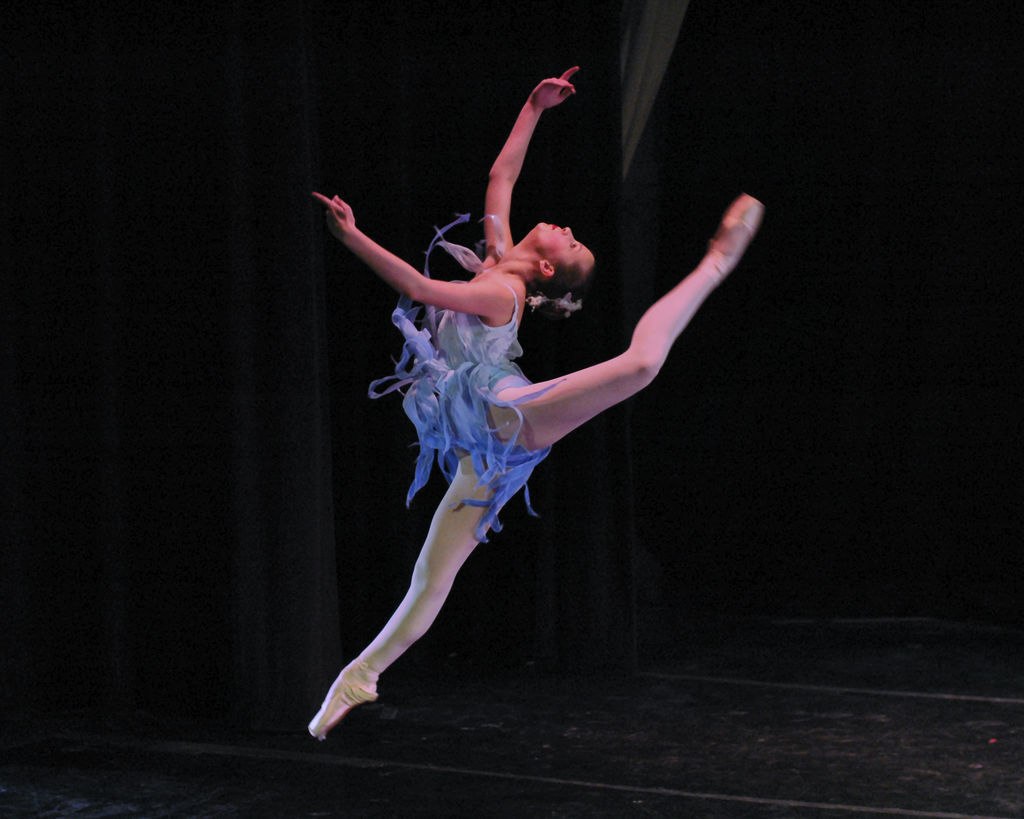
The authors suggested that experienced dancers demonstrate safer landing strategies compared to recreational athletes. Dance training experience may provide protection against high-risk movement patterns. And thus, dance training may be modeled to prevent ACL injuries.
Clinical Tests for Gluteal Tendinopathy in Patients with Lateral Hip Pain
Patients with lateral hip pain on Single Leg Stance and who are not palpably tender over the greater trochanter are unlikely to have gluteal tendinopathy.
Biomechanics of the Pilates Mat Abdominal Series
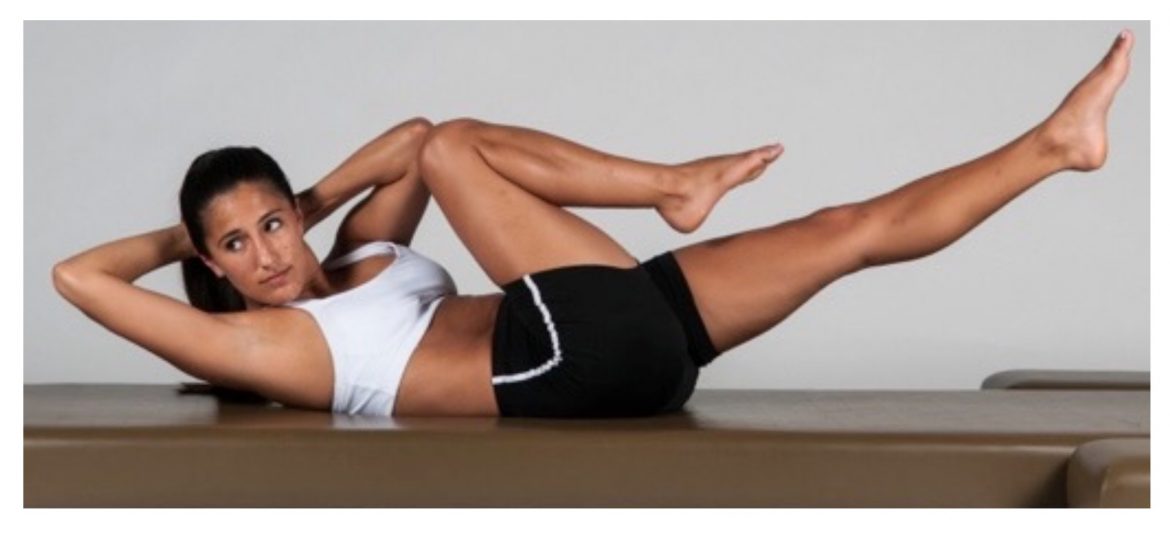
5 Pilates Mat Abdominal Series exercises: Single Leg Stretch, Double Leg Stretch, Single Straight Leg Stretch, Double Straight Leg Stretch, & Criss-Cross.
How Can Tight Muscles of the Hip Joint Cause a Scoliosis?
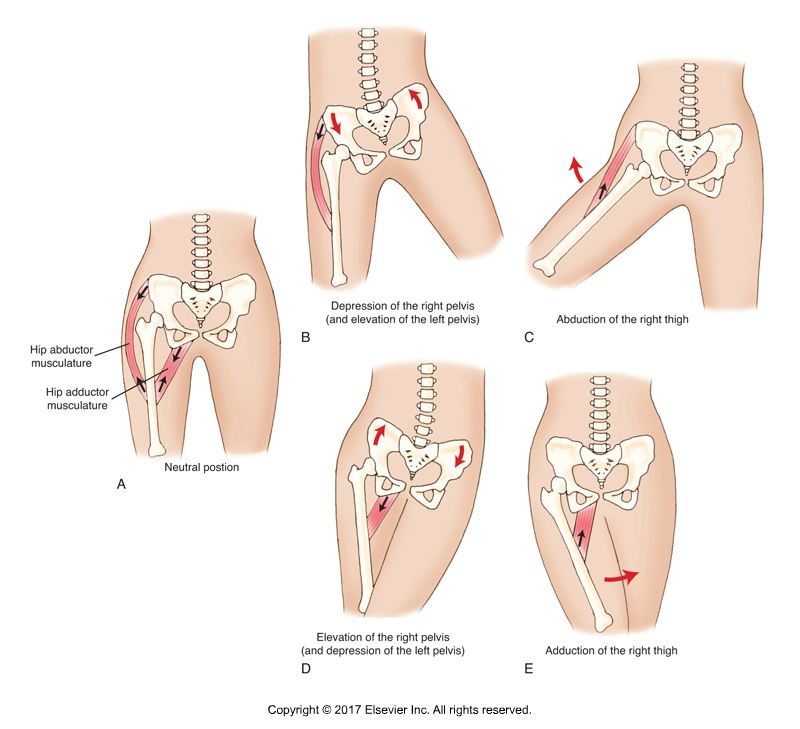
So, if hip abductor group on one side is tighter at baseline tone than the hip adductor group on that side, the pelvis will be pulled into depression on that side, resulting in a lumbar scoliosis that is convex on that side. Similarly, tight opposite-side hip adductor musculature can cause the same scoliotic curve.
Muscles of the Pelvis
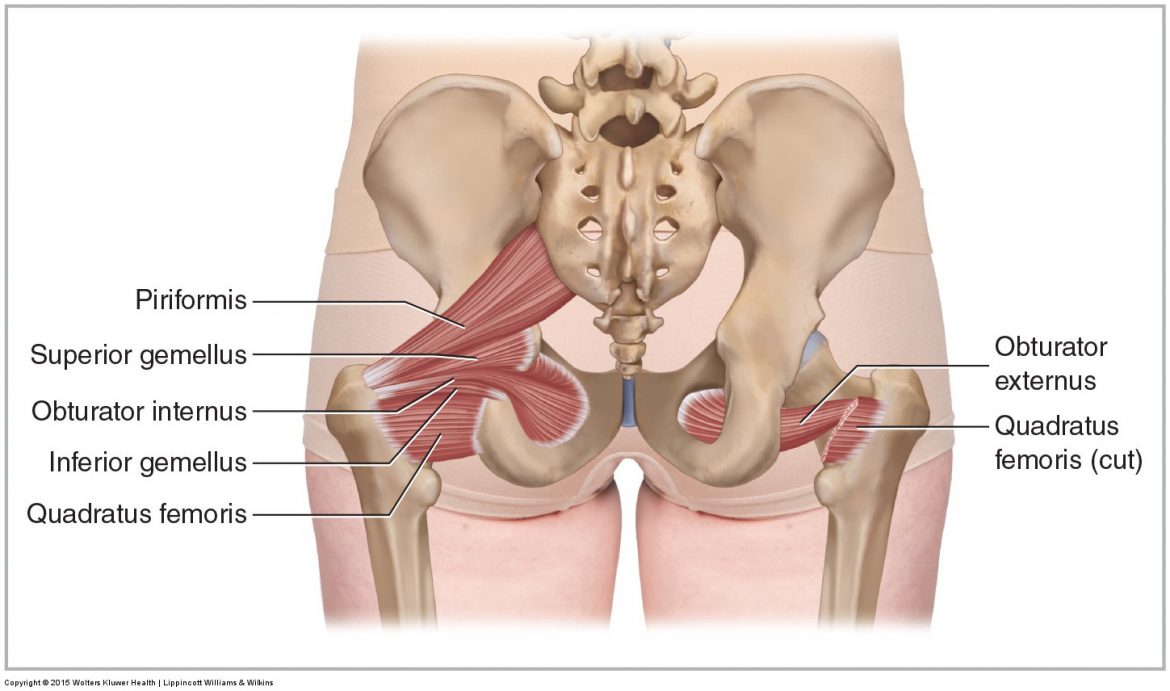
Pelvic musculature: 1. cross the LS joint onto the trunk 2. cross the hip joint onto the thigh/leg 3. pelvic floor muscles located wholly within the pelvis
What is the “True” Function of the Gluteus Medius?
The major function of the gluteus medius is its “reverse” closed-chain action of pelvic depression at the hip joint to stabilize the pelvis when walking.