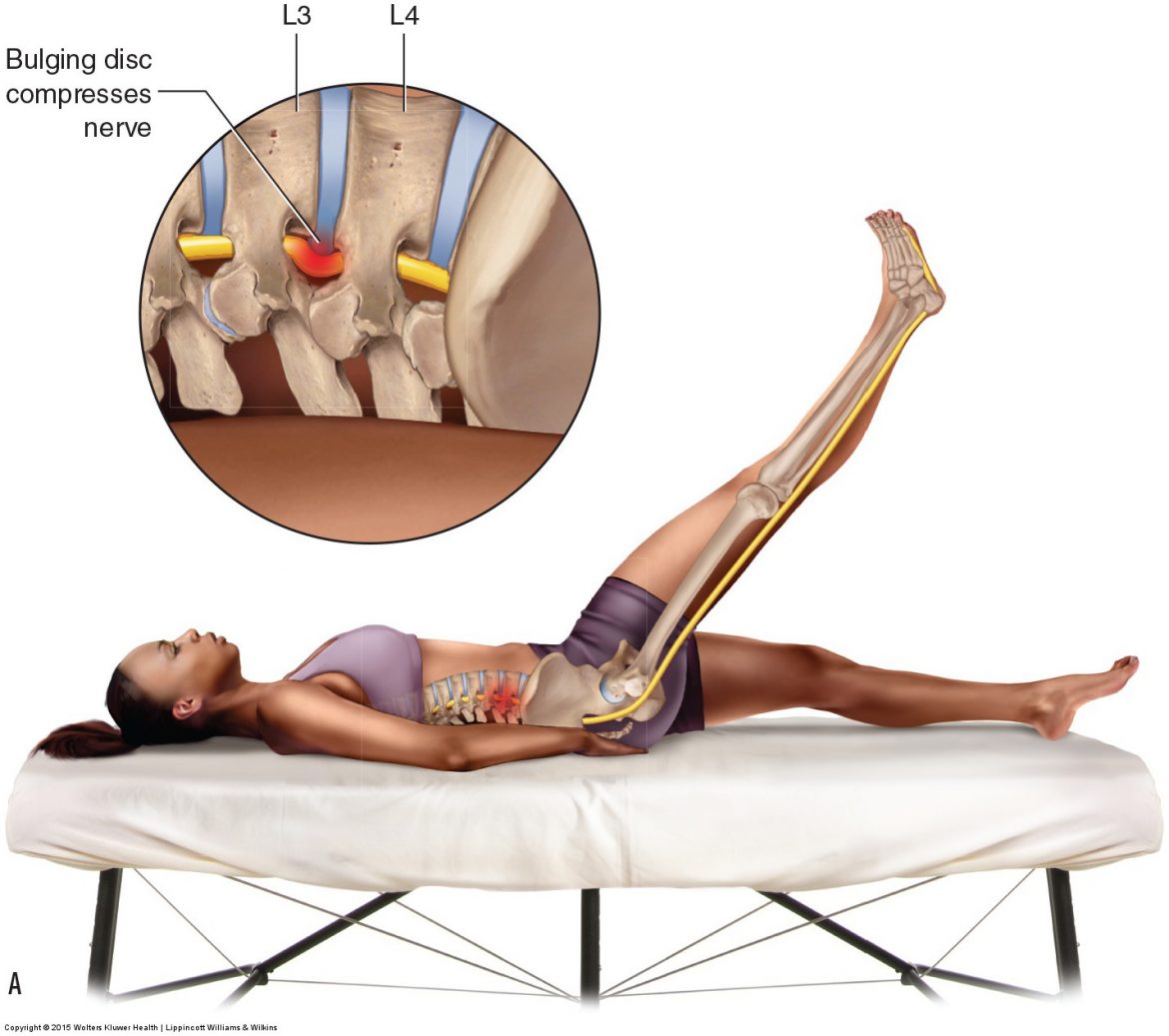
For a pathologic disc of the lumbar spine, the principle assessment test is straight leg raise (SLR). This can be performed actively or passively.

Below you'll find a list of all posts that have been tagged as “assessment”
For a pathologic disc of the lumbar spine, the principle assessment test is straight leg raise (SLR). This can be performed actively or passively.
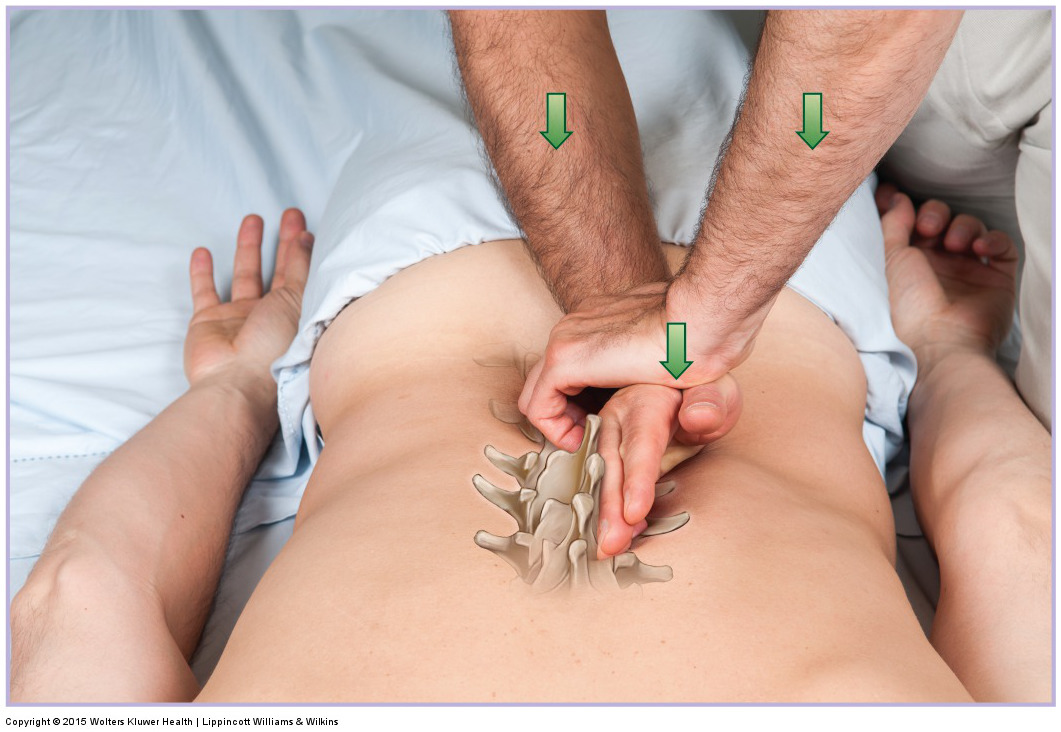
Grades IV and V joint mobilization are essentially pin and stretch technique.
Bone “A” is pinned and then Bone “B” is moved relative to Bone “A.”
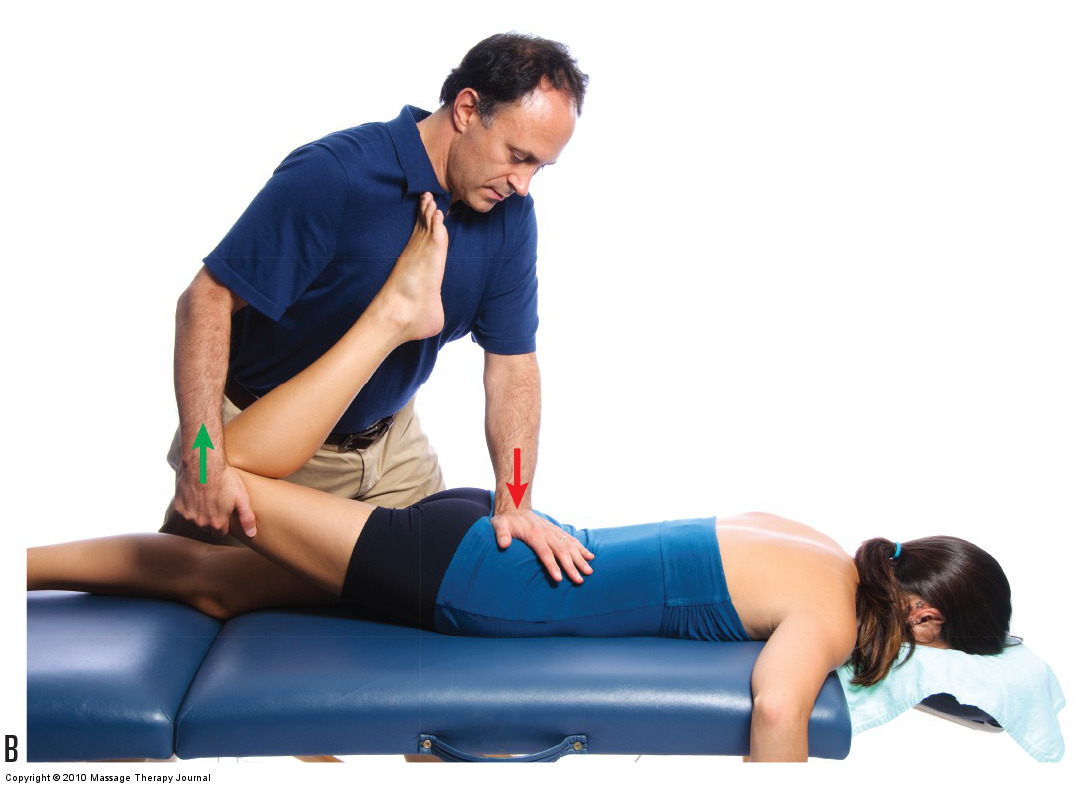
This blog post article is part of a series of articles on assessment of the low back and pelvis. Scroll to the end of this article to see the others in this series. Nachlas and Yeoman’s Tests Nachlas’ test and …
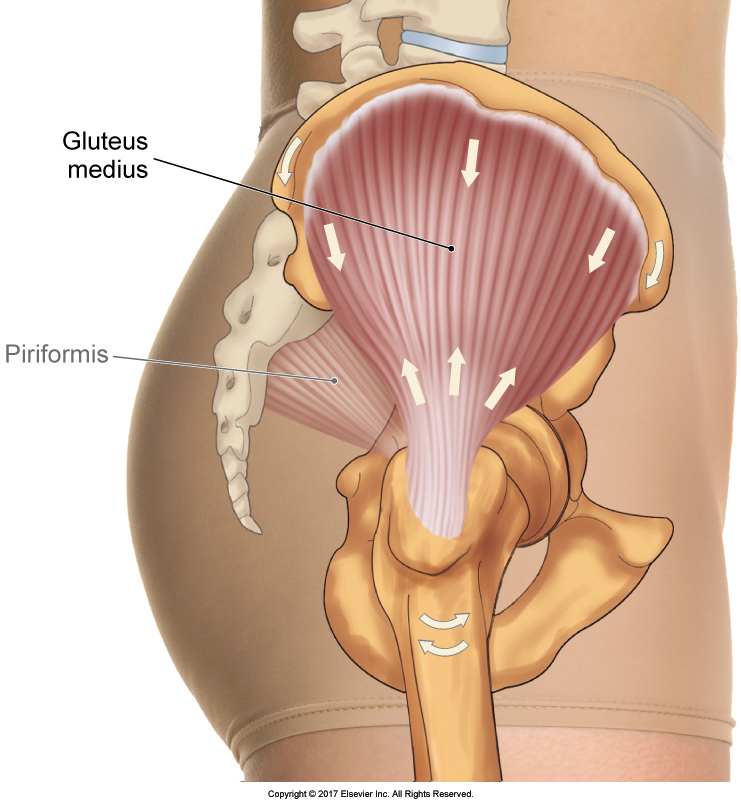
Patients with lateral hip pain on Single Leg Stance and who are not palpably tender over the greater trochanter are unlikely to have gluteal tendinopathy.

The first and most obvious sign of upper crossed syndrome (named by Vladimir Janda) is the characteristic postural dysfunction of protracted scapulae, medially (internally) rotated humeri, hyperkyphotic (overly flexed) upper thoracic spine, and a protracted (anteriorly held) head.
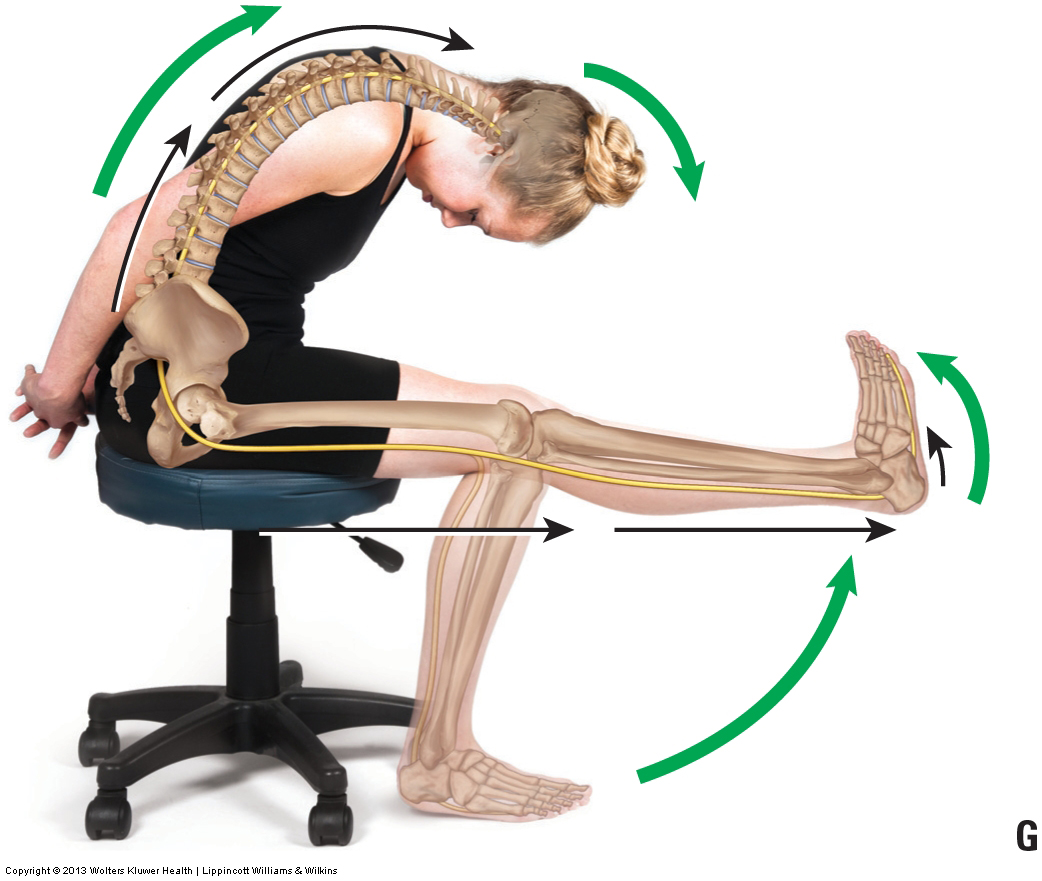
The slump test places tension on the spinal cord and PNS. It assesses a space occupying condition of the cervical and lumbar spine, as well as TOS.
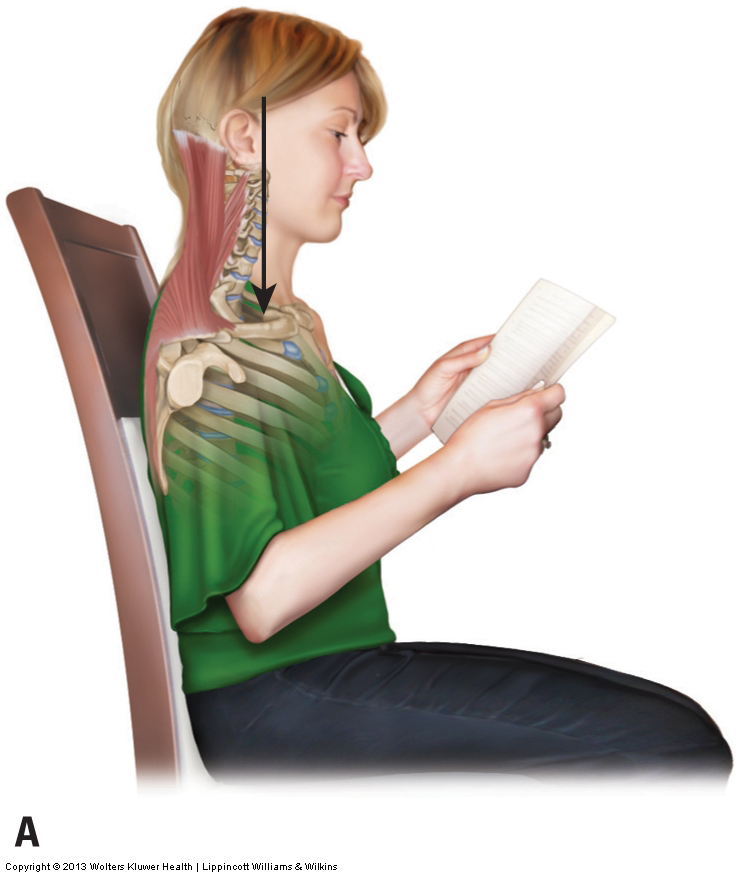
The health history should be done before the physical assessment exam because it helps reveal the regions that need to be assessed during the physical exam.
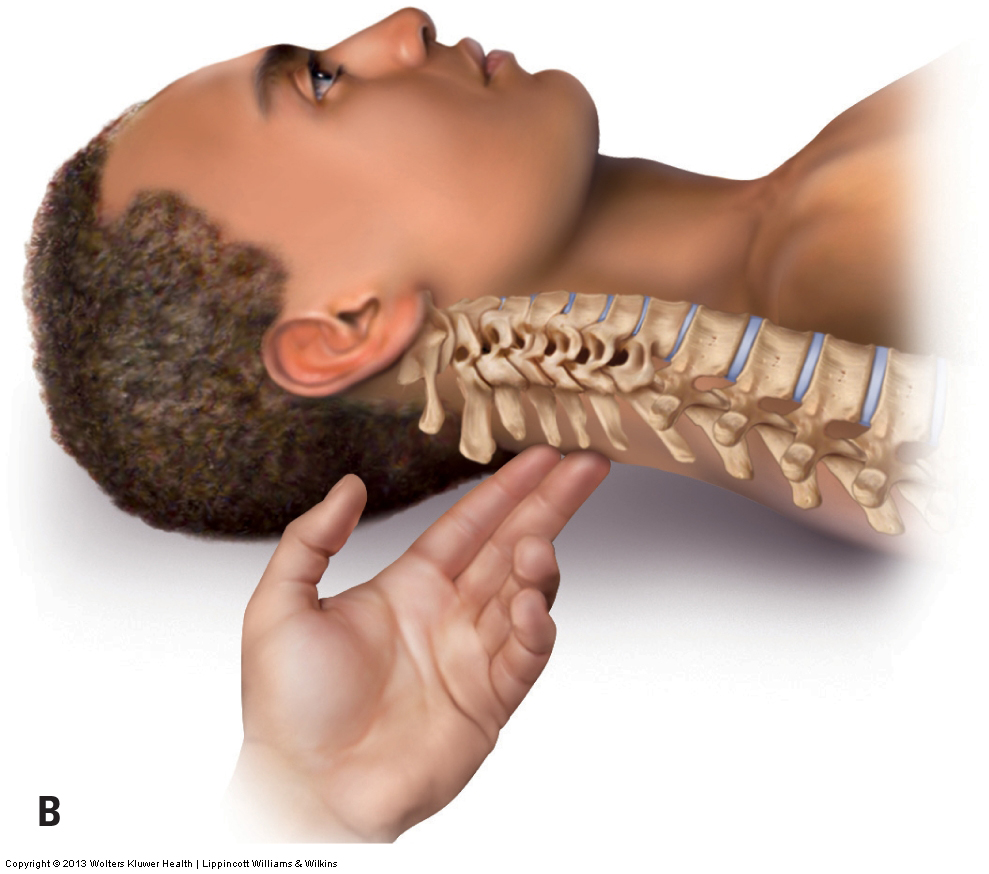
Before treatment can be given, it is necessary to have a clear understanding of the mechanism behind the musculoskeletal pathologic condition.
