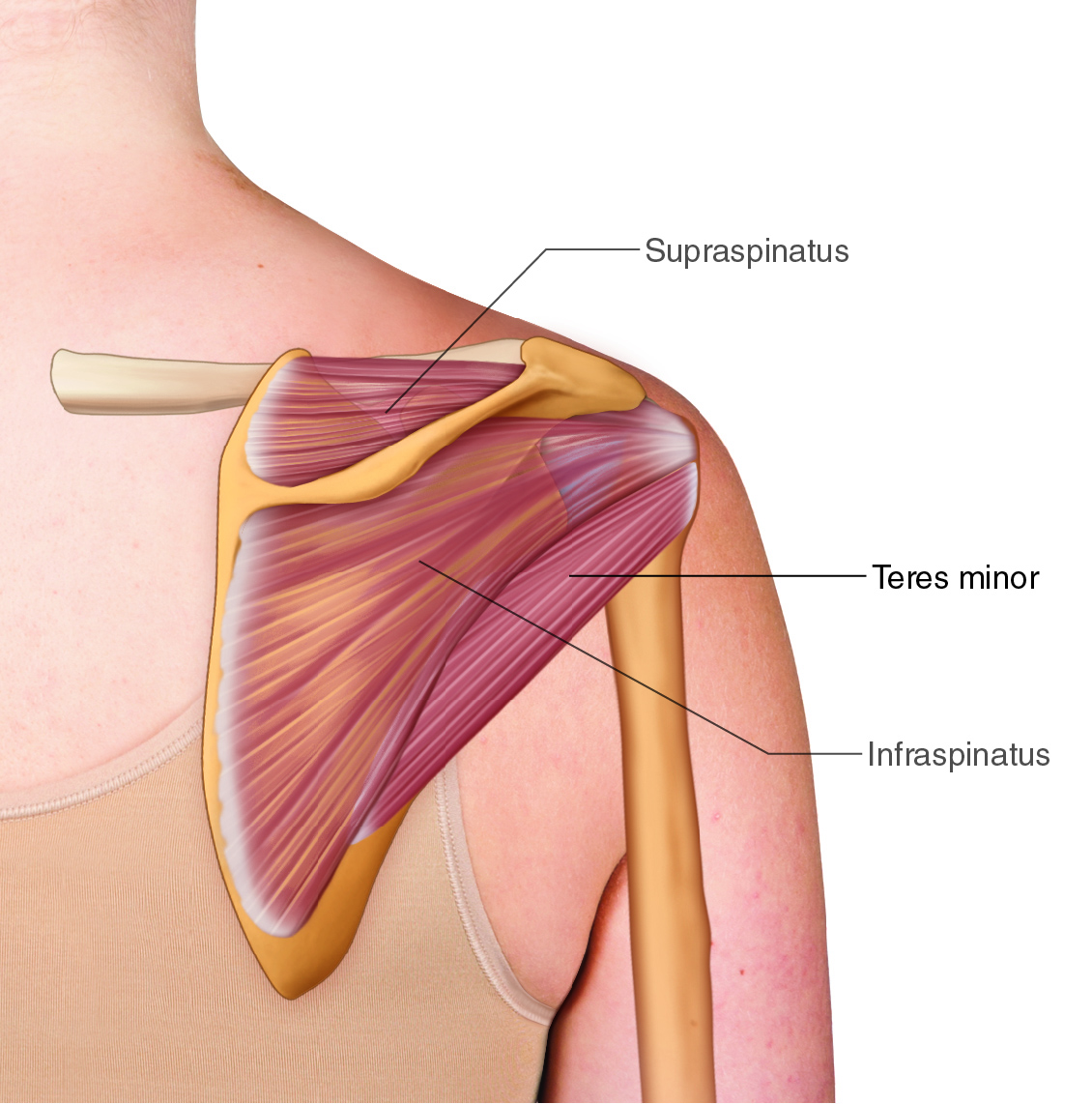
Given the tremendous load that is placed on the teres minor with everyday activities, and its role in rotator cuff pathology and how often it has myofascial trigger points, it is extremely important for the manual therapy practitioner to be competent and effective at working with this muscle.
Six Causes of Shoulder Impingement Syndrome – Part 2
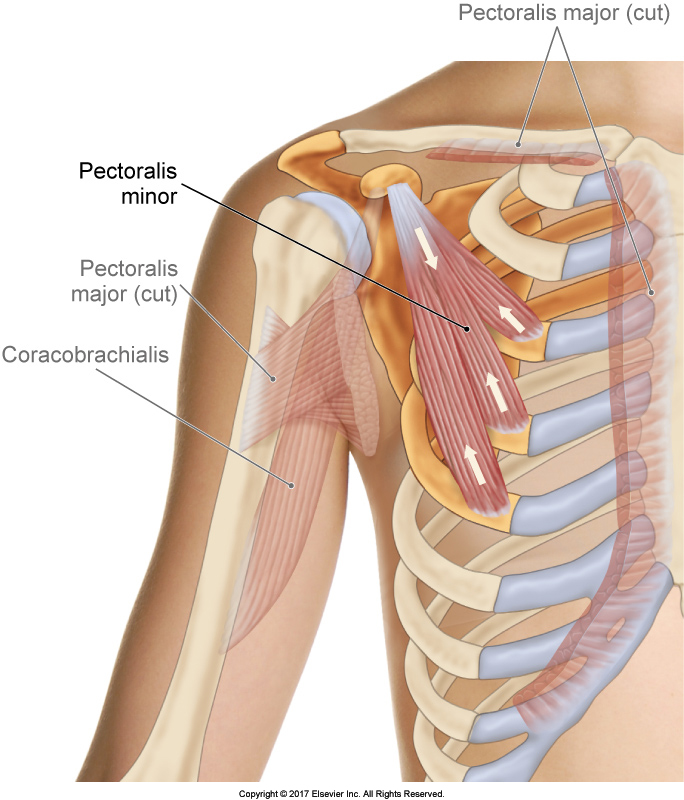
For scapular upward rotation to occur, scapular downward rotator musculature must lengthen. If scapular downward rotation muscles are tight, they might not be flexible enough to allow for scapular upward rotation, thereby causing shoulder impingement syndrome to occur.
Six Causes of Shoulder Impingement Syndrome – Part 1
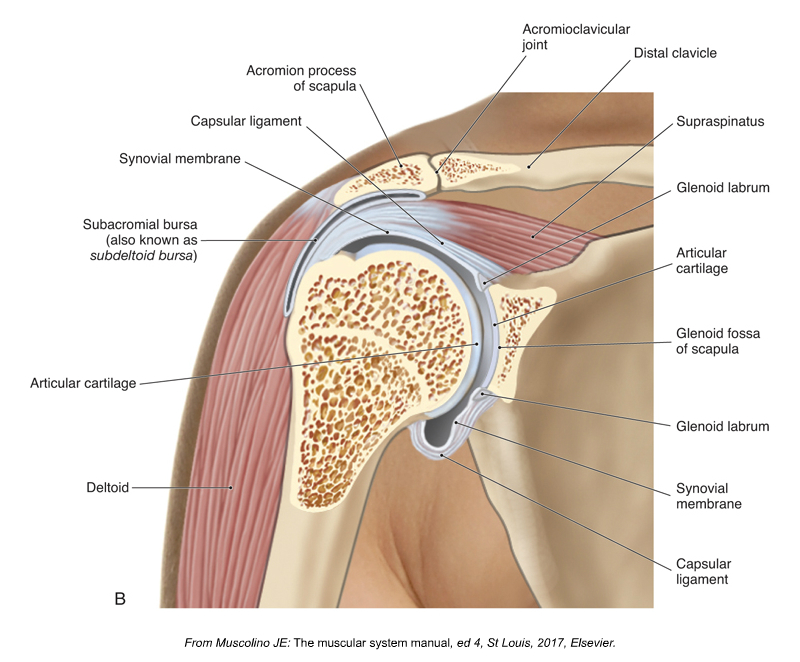
Shoulder impingement syndrome is a condition in which the distal tendon of the supraspinatus and the subacromial bursa become impinged between the head of the humerus and the acromion process of the scapula. Following are the six major causes of shoulder impingement syndrome.