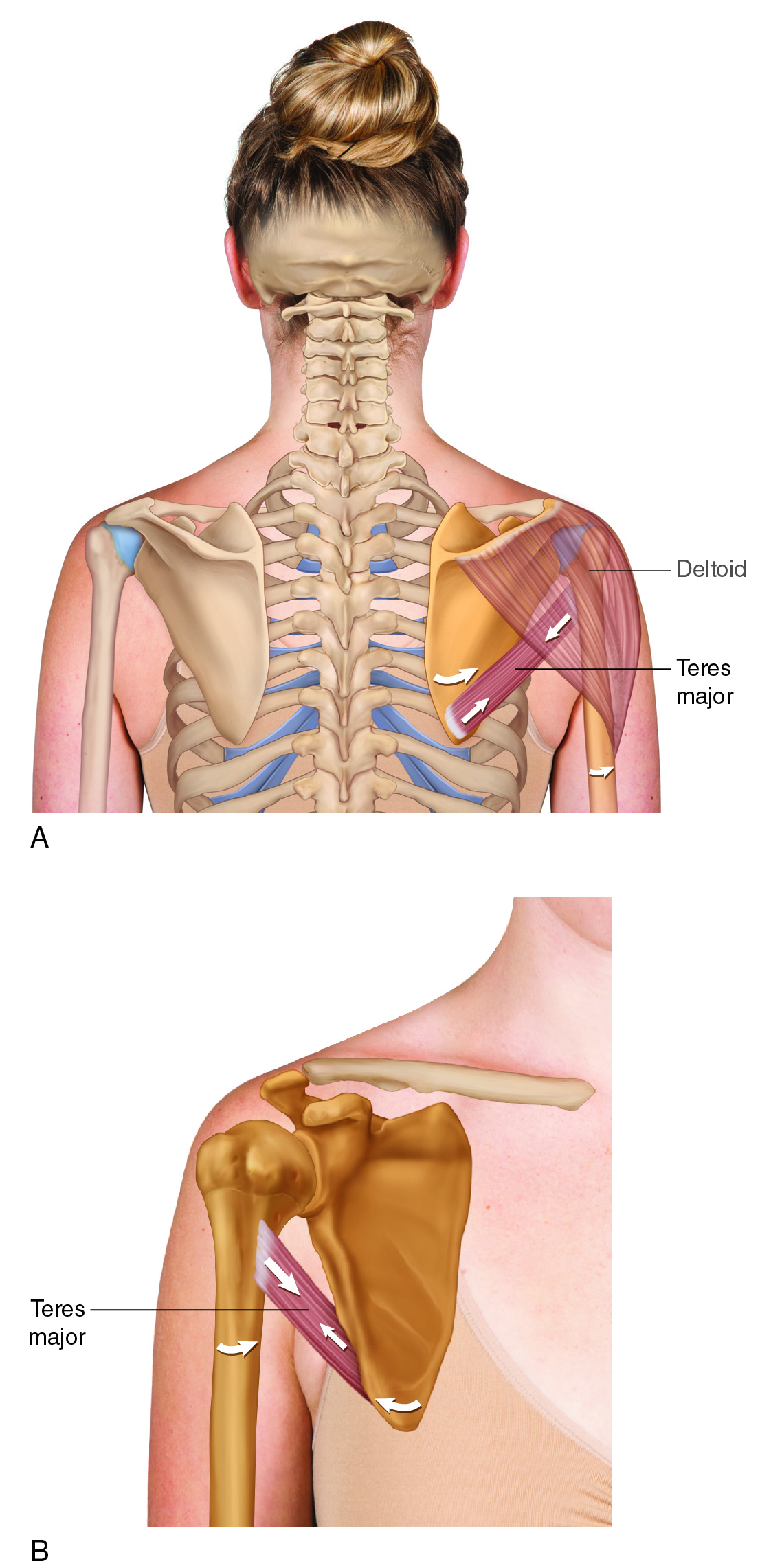
The teres major is a muscle that often does not get the respect it deserves because it is next to the more well-known latissimus dorsi (lat). The lat might cover a larger surface area of the body, but in the posterior axillary fold of tissue, the teres major is actually quite a bit larger than the lat. For this reason, I like to call the teres major “the lat’s big brother”.
Rhomboids Attachments, Functions, Palpation & Treatment
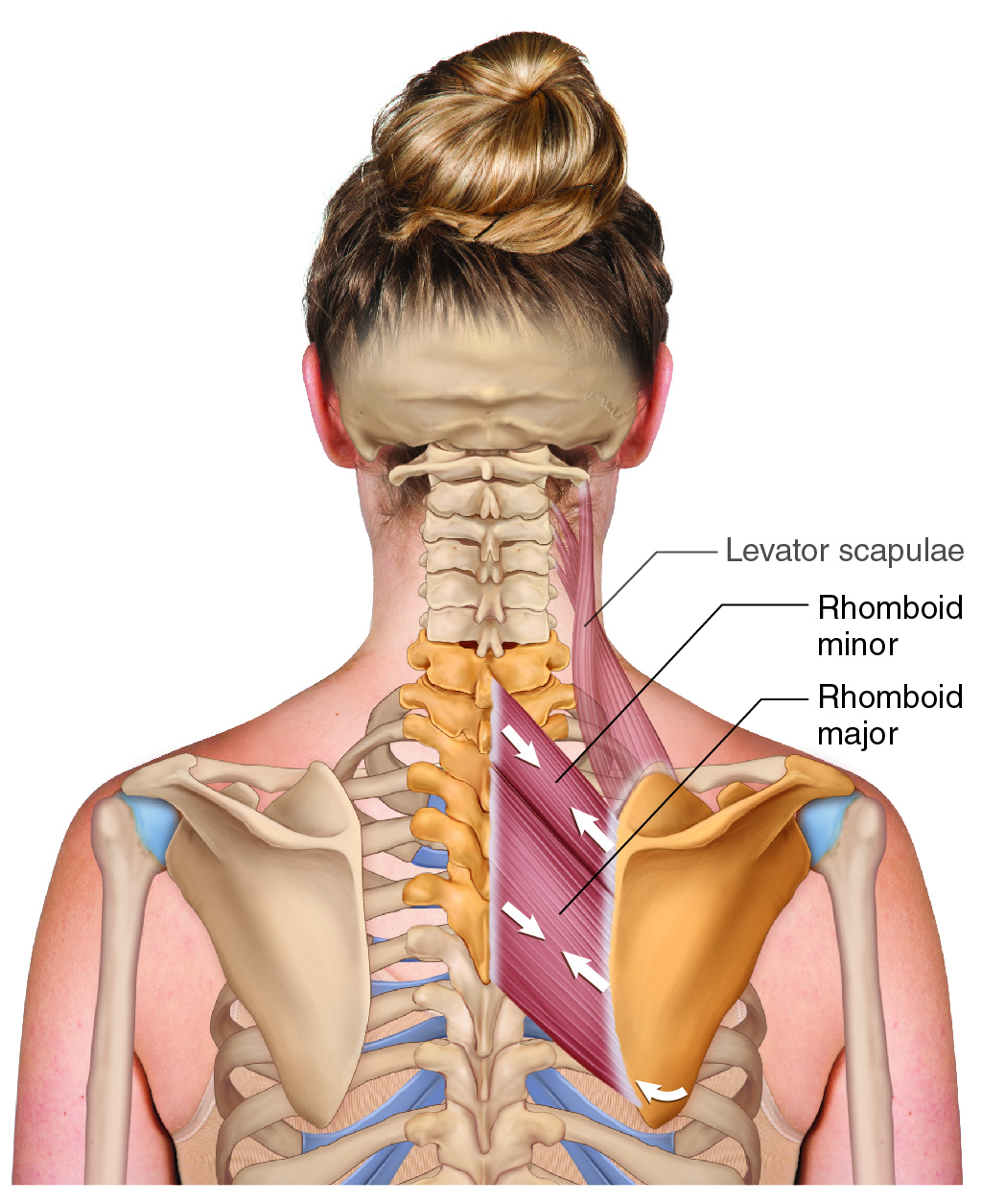
The rhomboids are unusually important to be assessed and appropriately treated because of their involvement in what is likely the most common postural distortion pattern in the human body, upper crossed syndrome.
Scapular Dyskinesis Increases the Risk of Future Shoulder Pain
One potential risk factor for shoulder pain is scapular dyskinesis. Scapular dyskinesis refers to altered position and motion of the scapula.
Six Causes of Shoulder Impingement Syndrome – Part 1
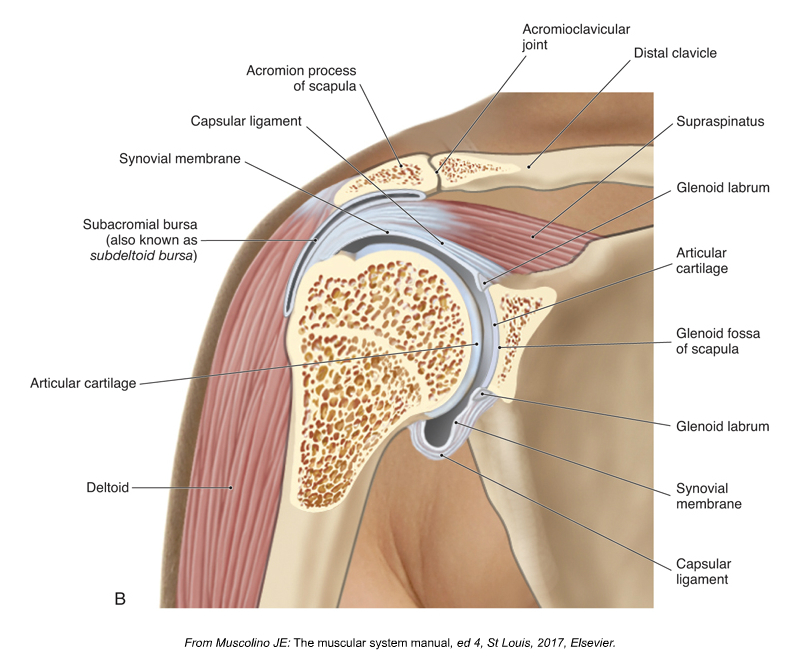
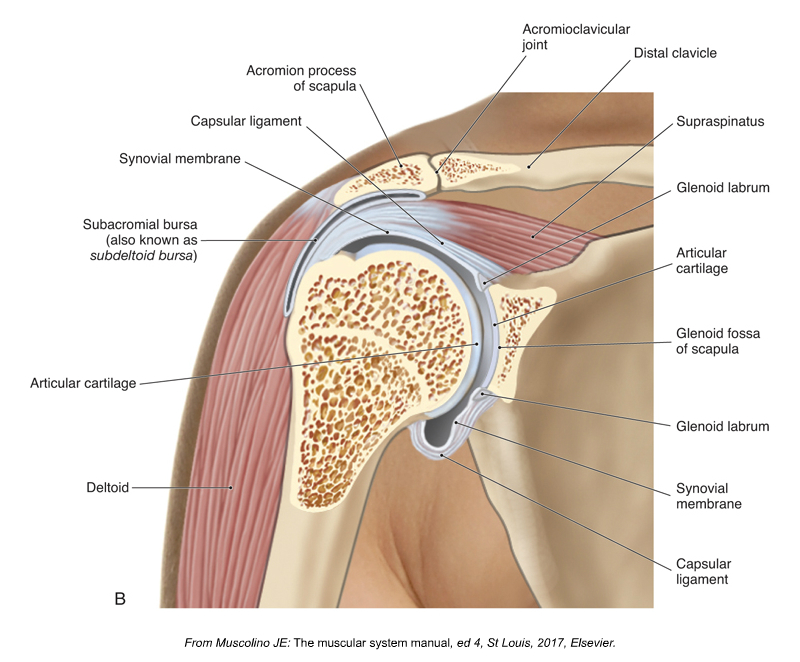
Shoulder impingement syndrome is a condition in which the distal tendon of the supraspinatus and the subacromial bursa become impinged between the head of the humerus and the acromion process of the scapula. Following are the six major causes of shoulder impingement syndrome.
FREE DCOMT video – The Shoulder Corset
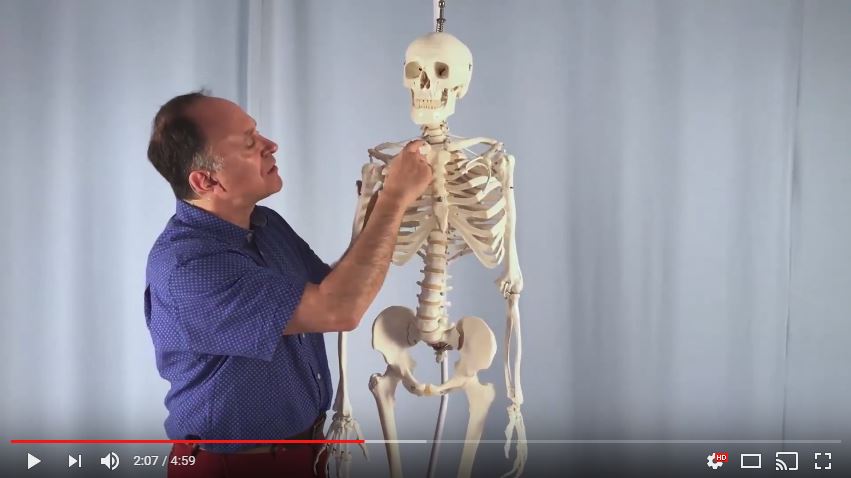
The scapula and clavicle are usually referred to as the shoulder girdle, but do they really comprise a “girdle”? In this free Digital COMT video, I make the case that the shoulder girdle would be better termed the shoulder corset. This video plus 100s more are available on DCOMT.
FREE DCOMT video – The Shoulder Corset
The shoulder girdle is probably better described as a shoulder corset. This Digital COMT by Dr. Joe Muscolino video describes why.