When injury, pain or restricted movement occurs, it can rapidly affect a persons quality of life. Whether caused by sports injury, neck or lower back pain or indeed any other form of injury to the body, the aim of most people is to be able to return to full activity as quickly as possible and return to maximum quality of life.
The field of physiotherapy has come a long way in the last few decades. There is no longer a “fix it and forget it” approach to rehabilitation. Most effective treatment programs are developed with an in-depth knowledge of anatomy, biomechanics, and human movement and allow for patients to be treated in a more individualized manner leading to better long-term outcomes for patients.
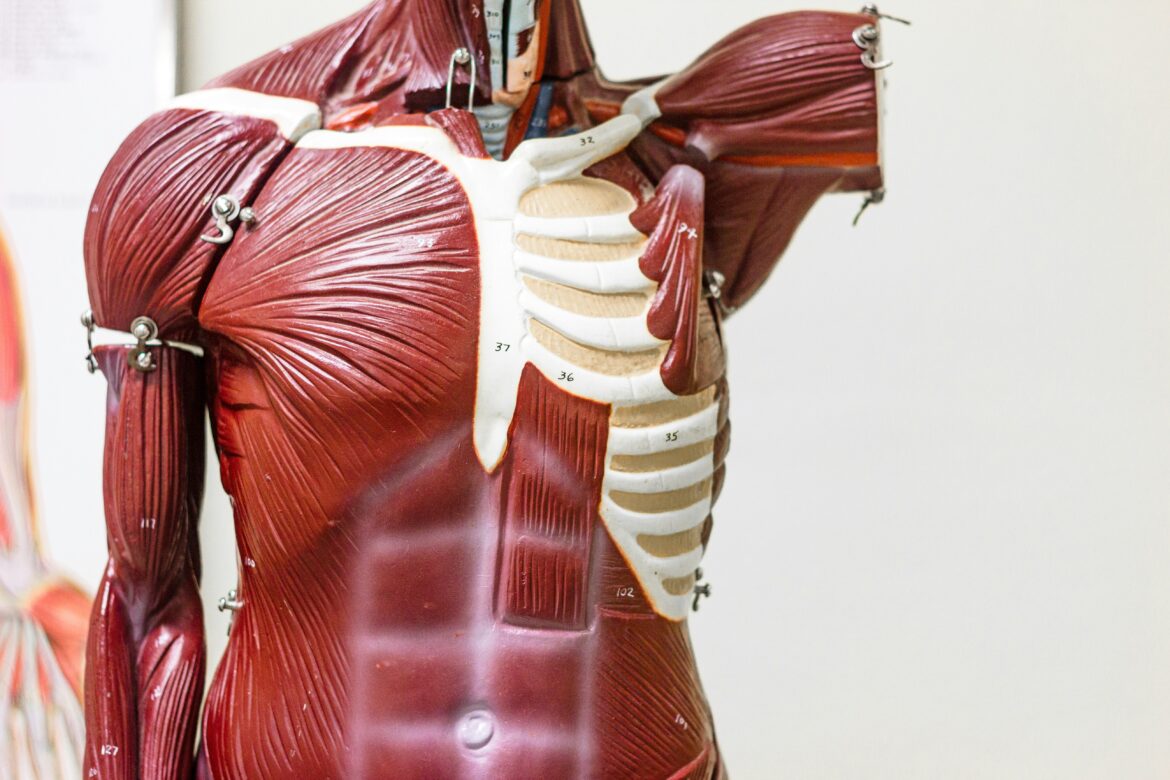
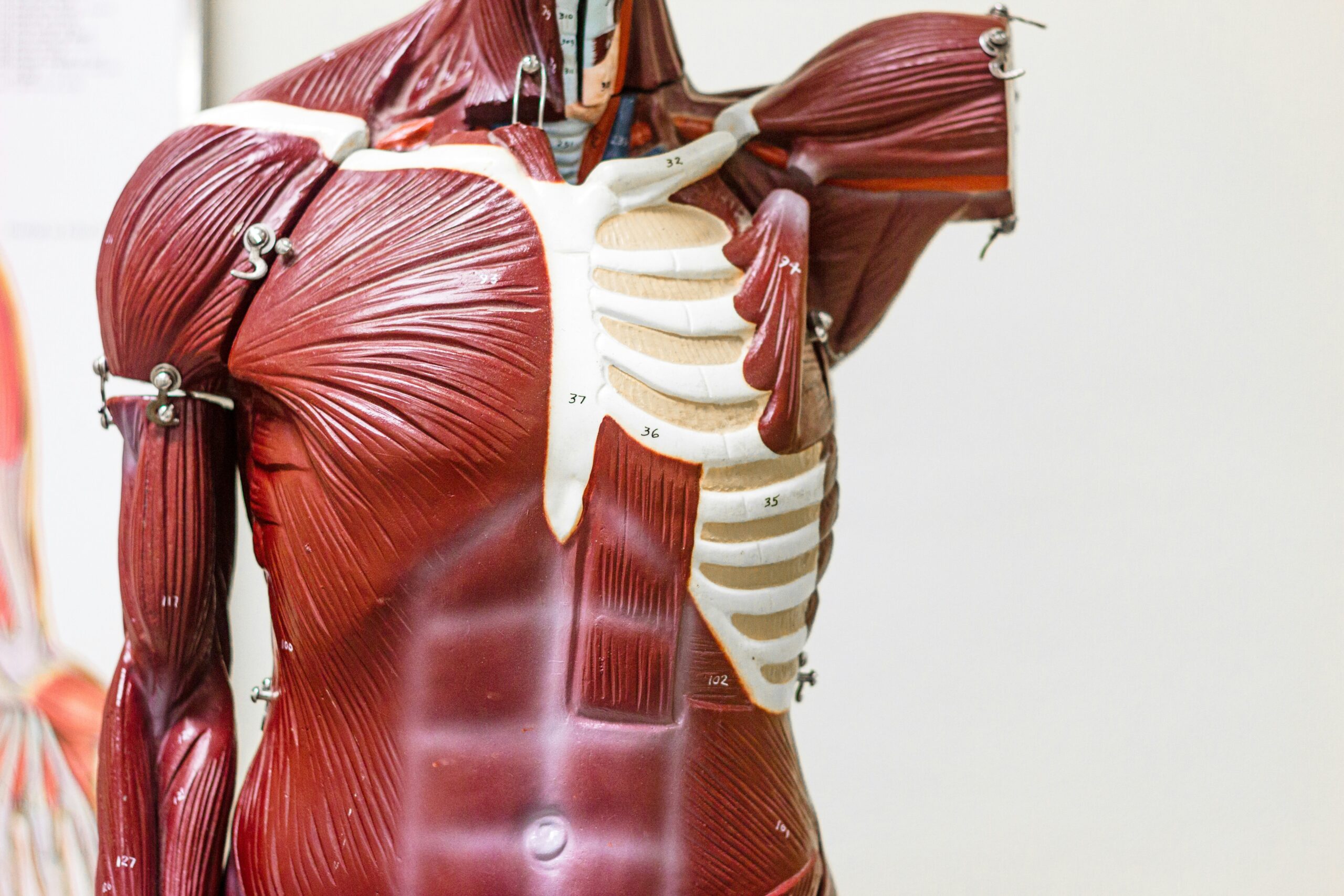
Anatomy is an essential component in the assessment and treatment of the rehabilitation patient. For the patient with injury or pain, it is crucial that they are treated by a practitioner with good knowledge of the anatomical structures of the muscles, joints, fascia and nervous system and how these structures interact to enable movement and function to complete activities of daily living.
Clinical Assessment Begins With Understanding Movement
One of the most important aspects of physiotherapy is determining why a problem exists in the first place. Pain often appears in one location while the actual source of dysfunction originates somewhere else entirely.
A shoulder issue may stem from limited thoracic mobility. Knee pain can be influenced by hip weakness. Chronic headaches may be connected to muscular tension patterns in the neck and upper back. Without a strong anatomical understanding, identifying these relationships becomes far more difficult.
This is why many rehabilitation professionals continue investing in advanced education throughout their careers. Clinics focused on comprehensive assessment often combine movement analysis with detailed anatomical knowledge to create individualized treatment strategies.
In British Columbia, Alaia Physiotherapy follows this patient-centered approach through services that include physiotherapy, sports injury rehabilitation, manual therapy, dry needling, concussion management, and wellness-focused care. By evaluating how the body functions as an integrated system rather than focusing exclusively on the area of pain, practitioners can develop treatment plans that address both symptoms and contributing factors. As physiotherapy continues evolving, this broader perspective is becoming increasingly valuable for both clinicians and patients.
Anatomy Education Supports Better Treatment Decisions
Decisions regarding which tissues are involved in a patient’s dysfunction, which movements to promote in rehabilitation, which activities in daily life to modify and in what time frame a patient can progress in a rehabilitation program all rely heavily on a good knowledge of anatomy. With an in-depth knowledge of the tissues a physical therapist can provide the best treatment using the most appropriate manual techniques and provide the most effective exercises to help a patient regain optimal function.
Knowledge of anatomy allows a therapist to know how muscles work together and how joints transfer forces across joint surfaces. This knowledge allows a physical therapist to develop the best plan of rehabilitation for a patient to help them regain optimal function in activities of daily living.
CE options such as anatomy resources, anatomy manual therapy workshops and evidence-based rehabilitation continuing education programs can help keep the rehabilitation professional up-to-date on the latest anatomy information as well as the best treatment options for treating injuries and helping people to function better. This can result in better treatment options for patients as well as better reasons for the treatment being provided.
The Growing Importance of Personalized Rehabilitation
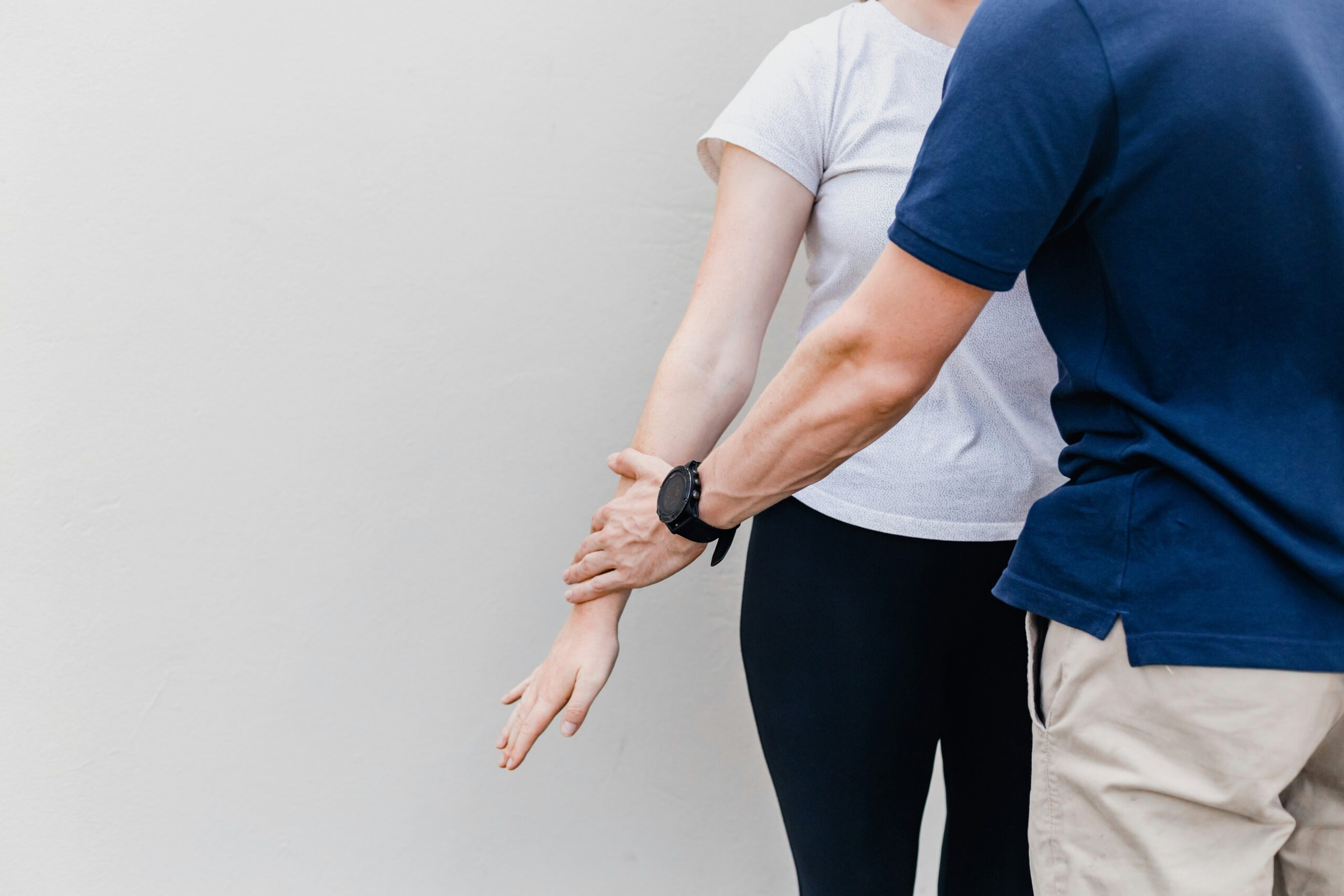
Rehabilitation is not a set of exercises to be carried out by anyone with an injury. No matter what injury a person has, there are many factors to be taken into account. Factors such as a person’s age, activity level, previous injuries, occupation, and more. An athlete rehabbing from an injury to return to competition will have very different goals than someone rehabbing from an injury with the goal of reducing pain for activities of daily living.
Personalized Rehabilitation involves a lot of the same knowledge about Anatomy and Biomechanics that typical Rehabilitation programs use, however in addition to these two components the practitioner must also have knowledge of how the patient’s anatomical structures function in that individual’s life. Therefore, two people with identical injuries could have very different rehabilitation from the same clinician. The variables that would cause a clinician to make these adaptations to typical programs would include a patient’s age, level of activity, prior injuries, and the level of demand placed on tissues from a patient’s occupation and daily activities. A great clinician is able to adapt typical programs on a case by case basis to meet the needs of their patients.
Research Continues to Expand Our Understanding
The field of musculoskeletal rehabilitation continues to benefit from ongoing scientific research. Advances in imaging technology, biomechanics, pain science, and exercise physiology have improved understanding of how the body adapts to injury and recovery.
Research highlighted by Harvard Health Publishing has frequently emphasized the role of physical activity, targeted exercise, and movement-based interventions in supporting musculoskeletal health and maintaining function throughout life.
These findings reinforce the idea that rehabilitation is rarely about a single treatment technique. Instead, successful outcomes typically result from a combination of education, movement, progressive loading, and patient engagement. As new evidence emerges, practitioners who maintain strong anatomical foundations are often better equipped to integrate evolving research into clinical practice.
Why Patients Benefit From Understanding Their Own Anatomy
A very important aspect of a patient’s Anatomy education is that of them having a good knowledge and understanding of the anatomy of their own body and how it functions. This is often the case as patients are very motivated by having an understanding of the exercises that they are being given to perform in treatment for their condition. As long as the patient can apply the treatment given to them in their daily activities they will get much better results from their rehabilitation than those who do not have an understanding of the anatomy relating to their condition.
While a number of practitioners of rehabilitation are trying to incorporate the education of anatomy into their own practice of rehabilitation there are a number of things to remember. First, as has already been stated, anatomy education supports the assessment and treatment of patients. By working with physical rehabilitation patients who have an understanding of the anatomy of their own bodies they are able to work within their own rehabilitation program in order to achieve the best results possible. This is especially important as patients who are able to understand how their own bodies work and how they can be affected by physical activity are more likely to be motivated to work towards their own goals and to participate in physical activity for overall health and wellness.
Bridging the Gap Between Theory and Practice
The most important thing is to connect anatomy education with the practical application of the anatomy knowledge that the student or health care professional has acquired. Many different resources are available that detail the anatomy of the human body and how to apply that information during manual therapy. In order to treat patients in the best way possible, physiotherapists, massage therapists, athletic therapists, chiropractors and other health care professionals need to learn how to apply their knowledge of human anatomy in the best way to treat their patients. This can be achieved through detailed anatomy resources, workshops, seminars and continued education programs.
By utilizing these resources, health care professionals can be assured that they are giving their patients the best possible rehabilitation in order to achieve the best possible results in their treatment. With detailed knowledge of anatomy and manual therapy education, physiotherapists, massage therapists, athletic therapists, and chiropractors can better understand the information and how to apply it in practice. There are a wide variety of resources available to help guide those with a rehabilitation-focused career, including in-depth anatomical information and hands-on training. These tools are ideal for both the new student and experienced clinician looking to expand their knowledge of anatomy and develop stronger manual skills.
Movement Is Ultimately the Goal
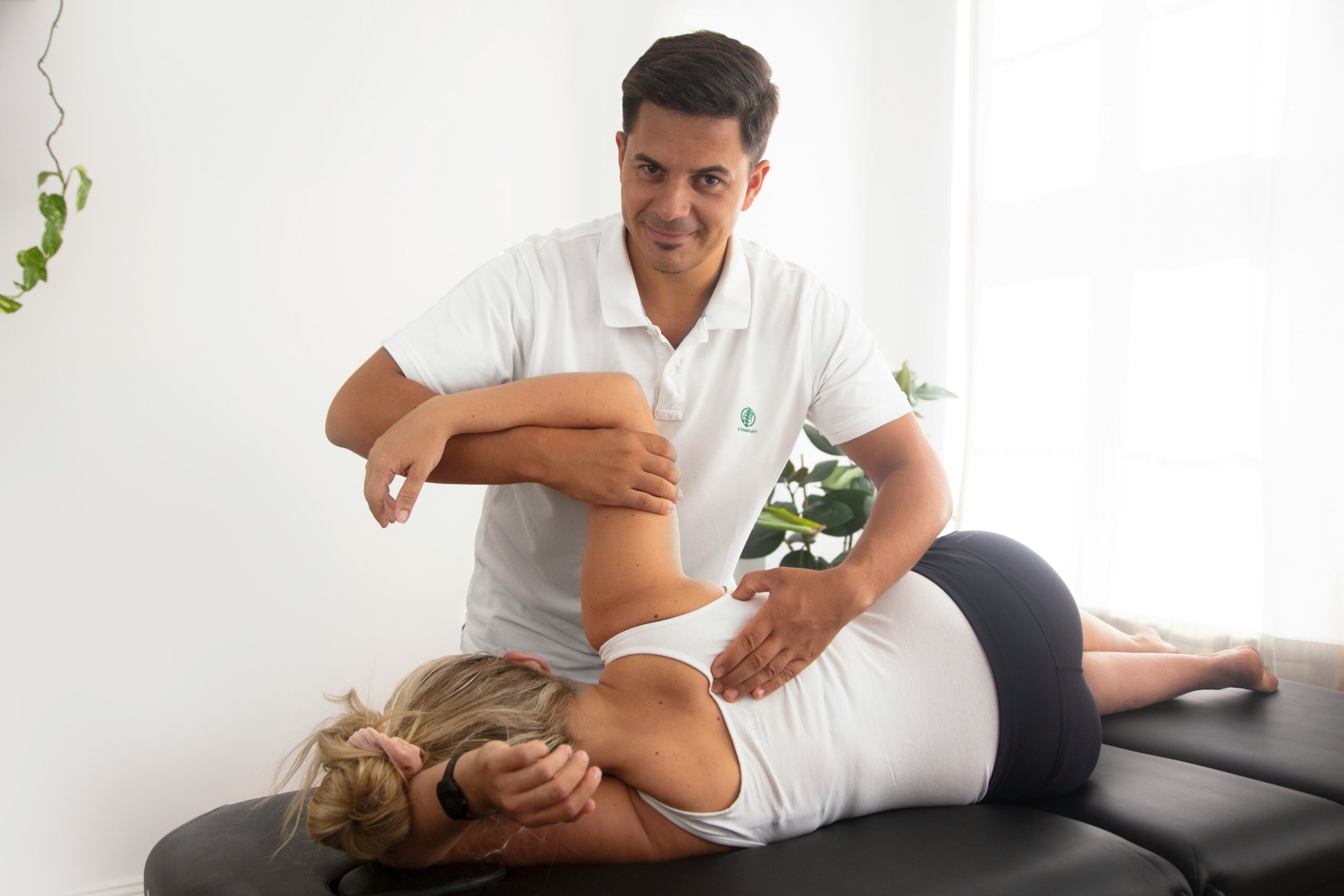
Movement is the ultimate goal of a person who has problems participating in life activities (rehabilitation). The vast majority of individuals who seek out physical rehabilitation are attempting to return to play sports or to participate in recreational activities with family and/or friends. Other individuals attempt to return to work comfortably, or to go out to shopping centers, movies, etc. and participate in typical daily life activities without discomfort or pain. Thus, effective physical rehabilitation of individuals with problems participating in life activities (rehabilitation) focuses on helping the individual to move better. Rehabilitation programs aim to maximize the function of a person.
To help patients who have suffered from injury or illness to return to their activities of daily living, work, recreation and sporting activities as optimally as possible, practitioners of all disciplines of Physical Therapy must have in-depth knowledge of the human body, specifically how the muscles move and how the structures of the body are compromised by injury. Knowledge of the nervous system and how it coordinates movement is also essential in helping a patient to reach their goals. In rehabilitation, anatomy is the foundation upon which practice is based and as the practice of Physical Therapy evolves, anatomy will continue to play an increasingly vital role.
Building Stronger Foundations for Better Outcomes
Rehabilitation programs of the highest quality have always been founded upon a strong knowledge of the anatomy of the human body. This anatomy is used by the health care of choice to assess the patient’s injury, design and apply a program of the most suitable exercises and techniques to treat the injury, and to inform the patient of the best ways in which to manage their own body in order to overcome the effects of injury, as well as to prevent further injury or pain in the future.
In conclusion, the study of the Anatomy of human movement, and how structures within the body are affected by physical disorders of injury or of chronic pain, forms the core of the skills that are required by the health care provider for the effective Rehabilitation of the athlete as well as for the physical health of people of all ages. Although, as mentioned above, the field of rehabilitation is progressing with the times and that of standardized and individualized approaches to treating physical problems is ever increasing, anatomy continues to play a very important role in assessing a patient, designing a program of physical activity for that patient, treating that patient and even in designing specific exercises for a patient who has experienced physical disability. The end result of this knowledge is that patients and clients receive effective rehabilitation from health care professionals and are able to return to their daily physical activities and go on to a healthy life of physical recreation.
Written by Lea Collins