
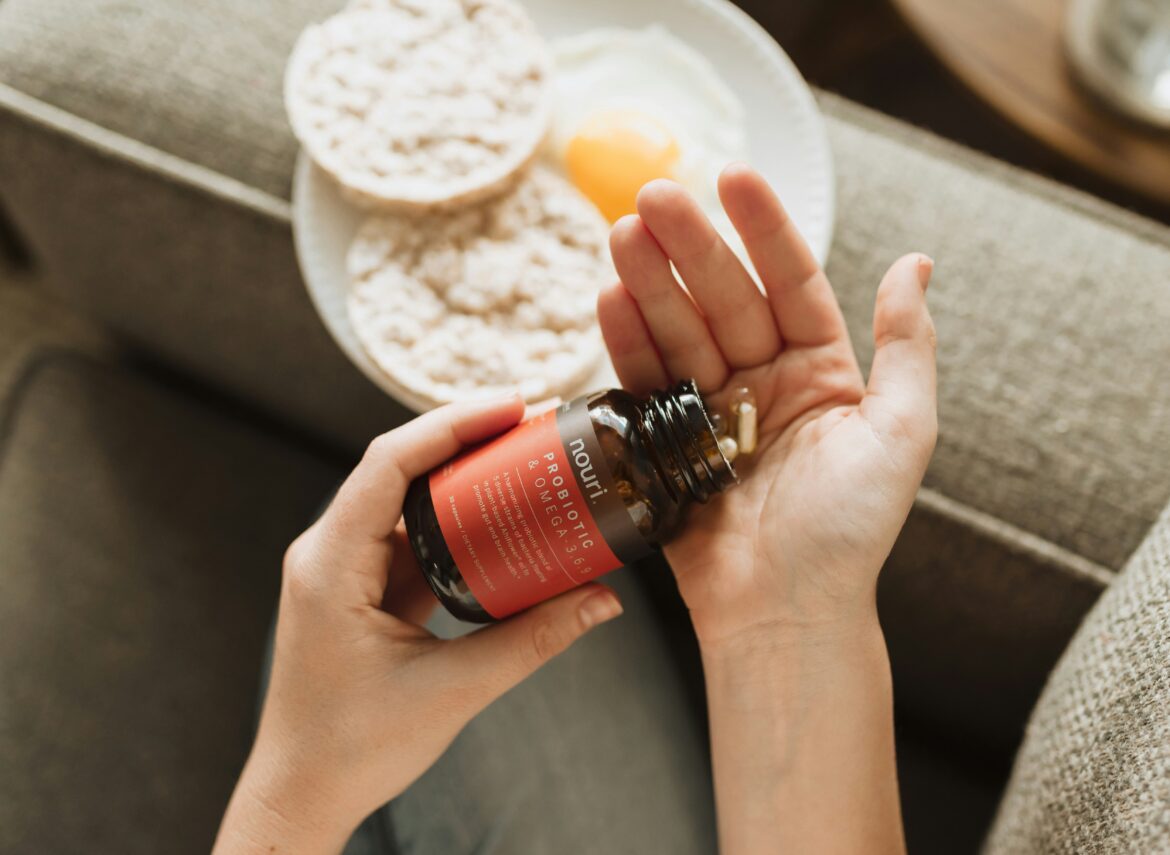
Supplements are everywhere in the recovery conversation. Clients ask about them, and shelves are crowded with promises. For anyone who works with active bodies, a clear eye helps.
 Photo by Eir Health on Unsplash
The catch is that quality varies far more than the marketing suggests. A contract manufacturer such as Sawgrass Nutra Labs makes products to detailed standards, while other supply chains cut corners. Knowing the difference protects both clients and your advice.
Why Supplements Dominate Recovery Talk
Recovery runs on the basics first. Sleep, movement, and nutrition do most of the work, and no capsule replaces them. Supplements sit on top as a support. Solid muscle recovery still starts with those fundamentals.
The demand is easy to understand. Active clients want faster repair and less soreness. That hope makes supplements an easy sell, whether or not the product earns it.
They are also very common. Among US adults, 57.6% used a dietary supplement in the past 30 days. That popularity means your clients likely take something already.
Nutrition drives much of the benefit. Good athletic performance depends on protein, carbohydrates, and hydration far more than any single pill. Supplements help fill specific gaps, not the whole plate.
Clients also bring their own products to sessions. Many arrive with a bag of capsules and a set of assumptions. A short, honest conversation about quality is often more useful than a new recommendation.
That is where your judgment helps. You do not need to endorse brands to guide people well. Teaching a few quality checks lets clients choose for themselves with more care.
How Are Recovery Supplements Actually Made?
Capsule and powder products follow a controlled process. A contract manufacturer is a company that makes supplements for other brands. A careful facility moves each batch through 6 clear stages.
- Formulation. The blend, dose, and format are set for the target need.
- Ingredient testing. Raw materials are checked for identity and purity.
- Blending. Powders are mixed evenly so every dose is consistent.
- Encapsulation or filling. Capsules are filled or powder is portioned.
- Batch testing. Weight, disintegration, and contamination are checked.
- Packaging. Products are sealed and labelled with lot numbers.
The value sits in the records. A traceable batch can be followed from the finished bottle back to its raw materials. Products for muscle repair meet the same standard.
Botanical ingredients add complexity. Herbs and plant extracts vary by harvest, region, and season. A careful maker tests each incoming lot rather than trusting the last one.
Format matters for real-world use. Powders allow larger doses of protein or amino acids, while capsules suit precise, portable dosing. The right format depends on the client and the ingredient.
What Quality Markers Should You Look For?
Manufacturing standards come first. Reputable makers run FDA-registered, cGMP-certified facilities that document every step. That status signals routine oversight rather than guesswork.
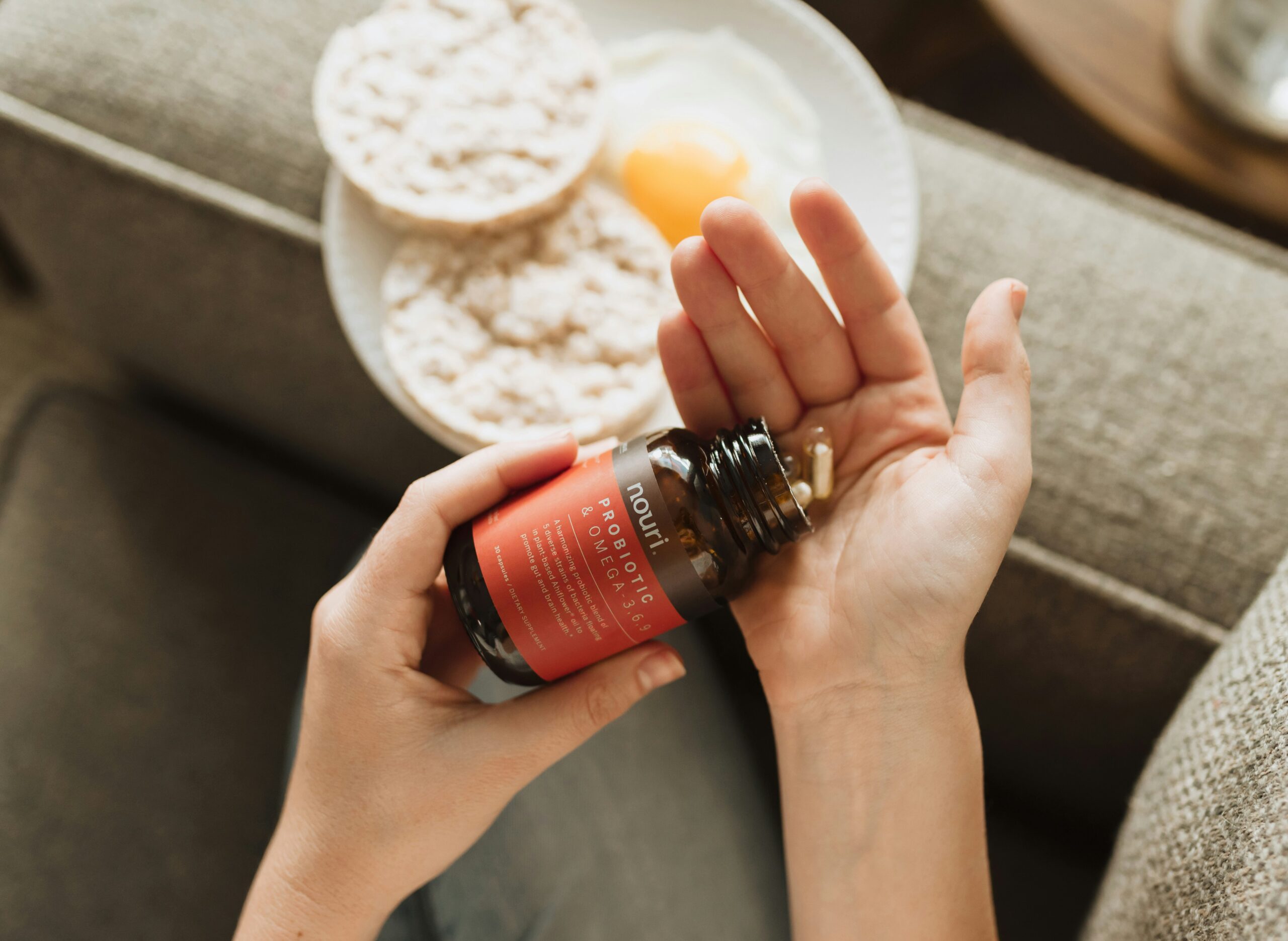 Photo by Daily Nouri on Unsplash
Independent testing is the next marker. Third-party labs confirm that the label matches the contents and screen for heavy metals and microbes. Products aimed at athletes may also carry sport-specific certification.
Transparency ties it together. A trustworthy brand names its manufacturer, shares test results, and prints clear doses. Vague “proprietary blends” and hidden sourcing are the opposite signal.
Dose honesty deserves a second look. A blend can list good ingredients at doses too small to matter. Compare the amount per serving against what research actually uses.
Shelf life is easy to overlook. Heat, light, and damp degrade active ingredients over time. A clear expiry date and sensible storage keep a product working as intended.
Experience adds quiet reassurance. A maker that has run many batches has met and fixed more problems. Years in operation and a broad product range are useful signals.
What Should You Check On a Supplement Label?
You can screen most products in under a minute. A proprietary blend is a label term that hides exact doses. Run each product past this short list.
- Clear doses: exact amounts per serving, not a blended mystery.
- Serving size: how many capsules make up one dose.
- Lot and expiry: printed for traceability and freshness.
- Testing marks: a third-party seal or an available report.
- Manufacturer named: a real facility behind the brand.
If a label hides the basics, treat that as a reason to pass. Honest products have no reason to obscure what is inside.
How Should You Guide Clients On Supplements?
Keep the advice grounded. Point clients to the foundations of recovery first, then treat supplements as a targeted add-on. That order keeps expectations realistic. Encourage one change at a time. Adding several products at once makes it hard to judge what helps. A few weeks with one product gives a fairer read. Match the product to the actual gap. A client short on protein needs food or a protein powder, not a niche capsule. Start with the gap, then choose the format that fills it.
Set a simple review point. Agree to reassess after 4 to 6 weeks and note any change. Refer out when needed. A registered dietitian or physician can check for interactions and dosing. That referral protects the client and keeps your scope clear.
Watch for red-flag marketing too. Promises of fast results or “miracle” recovery rarely hold up. Steady gains over weeks are the honest pattern, and good brands say so plainly.
Document what clients use, within your scope. A simple note of their products helps you spot patterns and interactions. It also keeps the conversation consistent across sessions.
What to Remember
- Supplements support recovery but never replace sleep, movement, and food.
- More than half of US adults already take a dietary supplement.
- Quality varies, so the manufacturer and its standards matter.
- Look for FDA-registered, cGMP facilities and third-party testing.
- Read the label for clear doses, lot numbers, and a named maker.
- Guide clients to basics first and refer out for medical questions.
A Clearer Lens On the Supplement Aisle
Recovery supplements can help, but only when the product behind the label is sound. Check how it is made, whether it is tested, and who stands behind it. That habit turns a crowded aisle into a manageable choice.
Frequently Asked Questions
Do Recovery Supplements Really Work?
Some can help fill specific gaps, but they support recovery rather than drive it. Sleep, nutrition, and training do most of the work. Judge any product on quality and realistic expectations.
How Can I Tell if a Supplement Is High Quality?
Look for an FDA-registered, cGMP-certified maker and third-party testing. Clear doses and a named manufacturer are good signs. Hidden blends and vague sourcing are not.
Are Powders or Capsules Better for Recovery?
Both can deliver the same ingredients, so the choice is practical. Powders allow larger doses and easy mixing. Capsules are convenient and simple to measure.
Should Clients Ask a Doctor Before Taking Supplements?
Yes, especially if they take medication or have a health condition. A physician or dietitian can flag interactions and correct dosing. It is a short step that prevents problems.
Written by Vic (vicheeno@hotmail.com)