
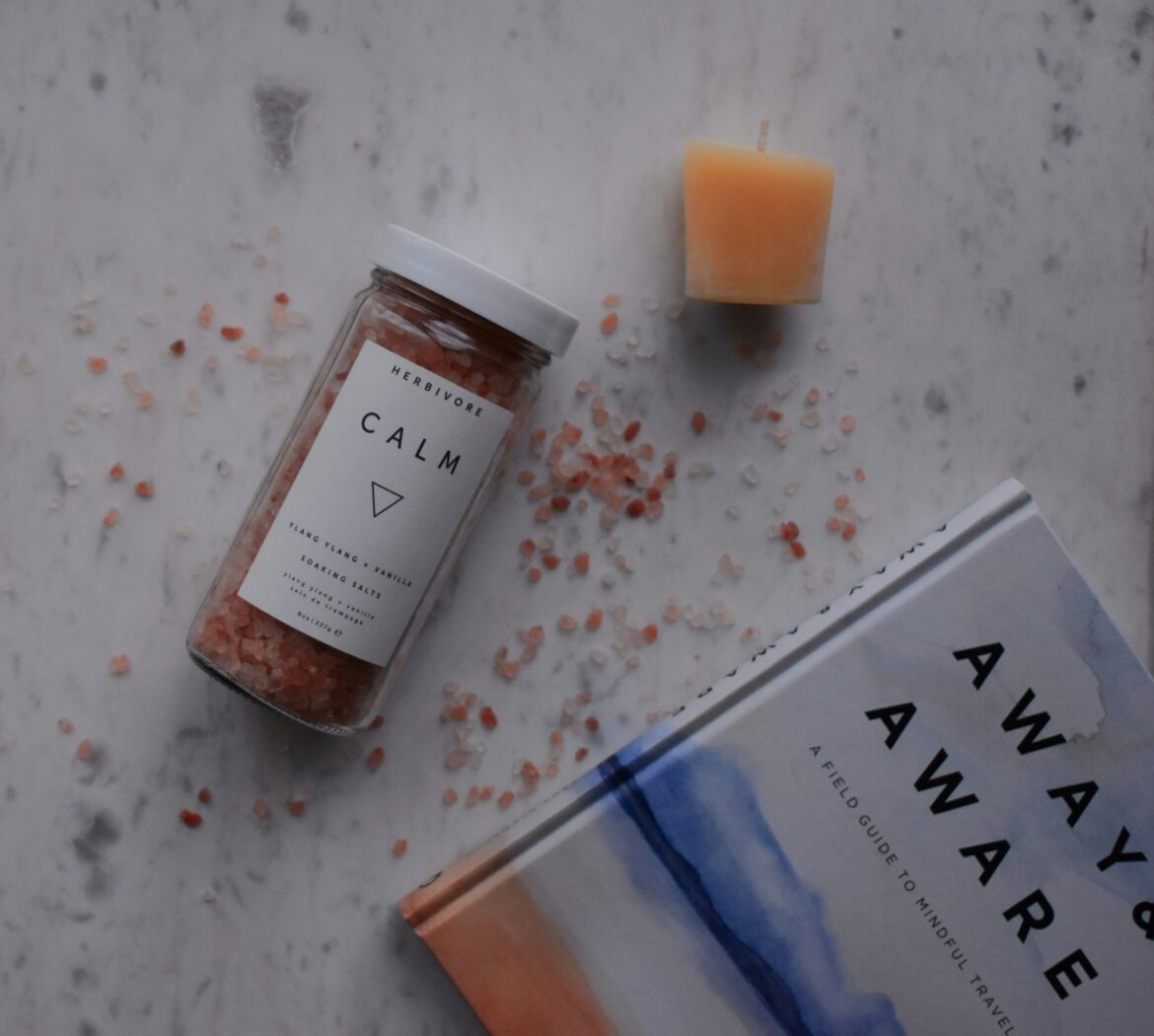
Clients rarely book a massage just for sore muscles. They come to switch off. The best bodywork calms the nervous system as much as it loosens tissue, and that shift is what keeps people coming back.
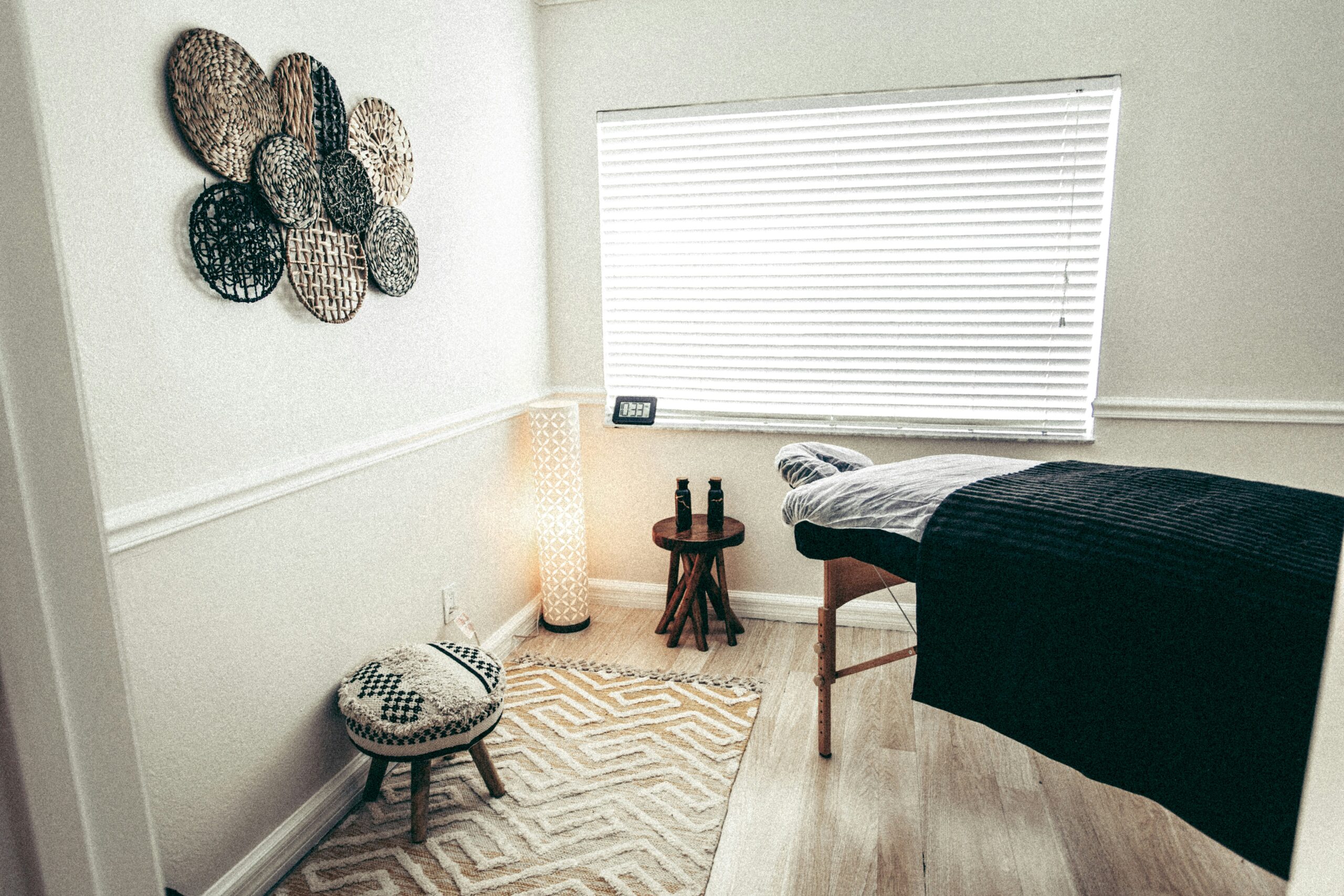
Manual therapists are well placed to guide the wider relaxation picture. Clients often ask what else they can do at home, and some raise botanical wellness brands like Amentara that sell traditional plant products for calm. This guide sorts the proven from the marketed, with the safety caveats up front.
Why Does Bodywork Calm the Nervous System?
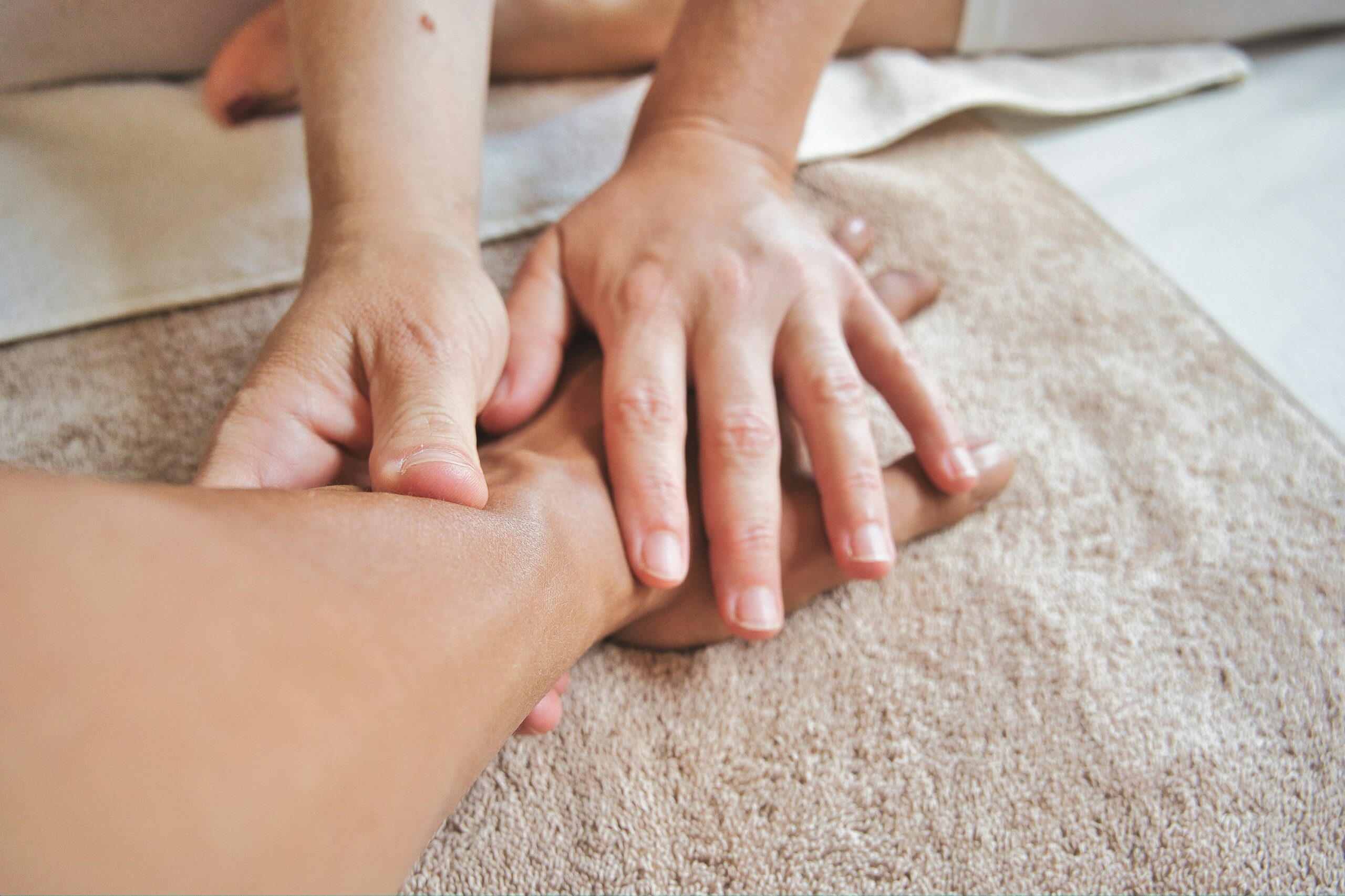
Touch has a measurable effect on stress chemistry. Slow, intentional pressure shifts the body out of its fight-or-flight state and into rest and repair.
Cortisol is the body’s main stress hormone, and chronic elevation harms sleep, mood, and recovery. Calm, skilled touch helps lower it, while mood chemicals like serotonin and dopamine rise. That is part of why a session leaves clients lighter, not just looser.
The mechanical side matters too. Therapists who understand the science of relaxing muscles can reassure a tense client that a muscle does not let go on command. The body needs the right signal first, and pressure delivers it. That reassurance often helps anxious clients settle, and a calmer client is far easier to treat well.
What Relaxation Methods Have Real Evidence?
Some practices are backed by solid research. They cost little, carry low risk, and pair well with hands-on work.
- Paced breathing. A few minutes of slow breath settles the body fast.
- Mindfulness. Regular practice lowers reactivity to stress.
- Gentle movement. Light stretching or walking eases tension.
- Consistent sleep. A steady wind-down protects recovery.
- Self-massage. Simple tools extend the benefit between sessions.
Guided relaxation techniques have strong research support, which makes them a safe first recommendation for almost any client.
Where Do Traditional Botanicals Fit?
This is where care matters most. Many calming rituals involve plants, from herbal teas to traditional botanicals marketed for relaxation.
A botanical is a plant or plant extract used for its perceived wellness effects. Long tradition is not the same as modern proof, and the evidence varies widely from one plant to the next.
What the Marketing Often Skips
Kava is a Pacific plant traditionally prepared as a calming drink, with centuries of daily use across Pacific communities without a documented liver disease epidemic. The liver toxicity concern that circulates widely is worth examining closely. Nearly every reported case involved adulterated product, polypharmacy, or pre-existing conditions, and the research itself has struggled to isolate kava as the actual cause. That context rarely makes the headline. Read the full picture, not just the studies that got the most attention. That said, preparation type and quantity do appear to matter, and certain populations may respond differently. Treat it as a strong remedy, not a casual habit, and take real ownership of your health decisions rather than outsourcing them entirely to either the marketing or the warnings.
So frame botanicals as part of a ritual, not as medicine. If a product is legal and safe for a given client, it may add atmosphere, but the calming work is still done by the practice around it.
What Should Therapists and Clients Check First?
A few questions keep curiosity grounded. Share them with any client who asks about a botanical product.
| Question to ask | Why it matters |
| Is it legal where you live? | Rules vary widely by country and state. |
| Is it approved to consume? | Many products are sold but not approved. |
| Could it affect medication? | Interactions are possible, so ask a professional. |
| What is the real evidence? | Tested proof can miss what centuries of traditional use already knows, and tradition alone is not the full picture either. Weigh both honestly. |
| Who is the seller? | Clear labels and honest framing signal a safer source. |
If a product promises to cure stress or anxiety, treat that as a warning sign. Honest brands favor caution over bold claims, and they make the legal and safety details easy to find rather than burying them.
How Can You Extend Relaxation Between Sessions?
The work does not stop when the client leaves the table. A simple home routine protects the gains from a session, and clients who follow one tend to need fewer remedial visits over time. Even five quiet minutes a day can hold the nervous system in a calmer place between appointments.
Self-massage is a useful bridge. The benefits of post-workout massage carry over to a foam roller or ball at home, which keeps circulation up and tension down. Pair that with paced breathing and steady sleep, and most clients hold their progress far longer.
Keep botanicals in their place, if a client uses them at all. A few principles keep the habit healthy:
- Build on proven practices before adding extras.
- Research any botanical, and check its legal status, before trying it.
- Talk to a doctor about any product if you take medication.
What to Remember
- Bodywork calms the nervous system, not just the muscles.
- Lower cortisol and higher mood chemicals explain the after-effect.
- Breathing, mindfulness, and sleep have the strongest evidence.
- Botanicals are marketed for calm but are not regulated medicines.
- Check legality, interactions, and real evidence before trying one.
- Simple home routines protect the gains from a session.
A Calmer, Honest Approach
Relaxation is the heart of good bodywork, and clients trust a therapist who keeps it grounded. Lean on the practices that research supports, treat any botanical with informed caution, and point clients toward professional advice for anything health-related. The calm is real when the habit is, not when the marketing says so.
Frequently Asked Questions
Does Massage Really Lower Stress Hormones?
Evidence suggests that calm, skilled touch helps lower cortisol while raising mood chemicals like serotonin and dopamine. The effect is part physical and part nervous-system, which is why a good session leaves a client feeling settled rather than only less sore.
Should Therapists Recommend Botanical Products?
Therapists should stay within their scope and avoid medical claims. It is fine to discuss general relaxation and to point clients toward professional advice. Specific botanical recommendations are best left to a doctor or pharmacist who knows the client’s history and current medications.
Are Traditional Botanicals Safe to Use?
It depends on the plant, the dose, and the person. Many are not approved for general consumption, and some interact with medication or affect the liver. Checking local law and speaking with a professional should always come before trying anything.
What Is the Easiest Relaxation Habit to Start?
Paced breathing is the simplest, since it needs no equipment and works in minutes. Pairing it with a consistent sleep routine gives most people a noticeable drop in everyday tension within a couple of weeks.
Written by wilsonseowork1992@gmail.com

