A client arrives with a familiar complaint: the neck and shoulders have felt tight for weeks. After an hour of massage, the upper trapezius softens, the client turns their head more freely, and the pressure behind the eyes eases.
Two days later, the same tension is back.
This pattern can make massage feel ineffective, but it does not necessarily mean that the treatment failed. Massage can influence local muscle tone, sensitivity, and movement. It cannot, by itself, remove the workload, poor sleep, emotional strain, or repeated posture that keeps the body prepared for effort.
To understand why muscles stay tight after massage, it helps to look beyond the treated tissue and consider the nervous system that controls it.
What Massage Can Change
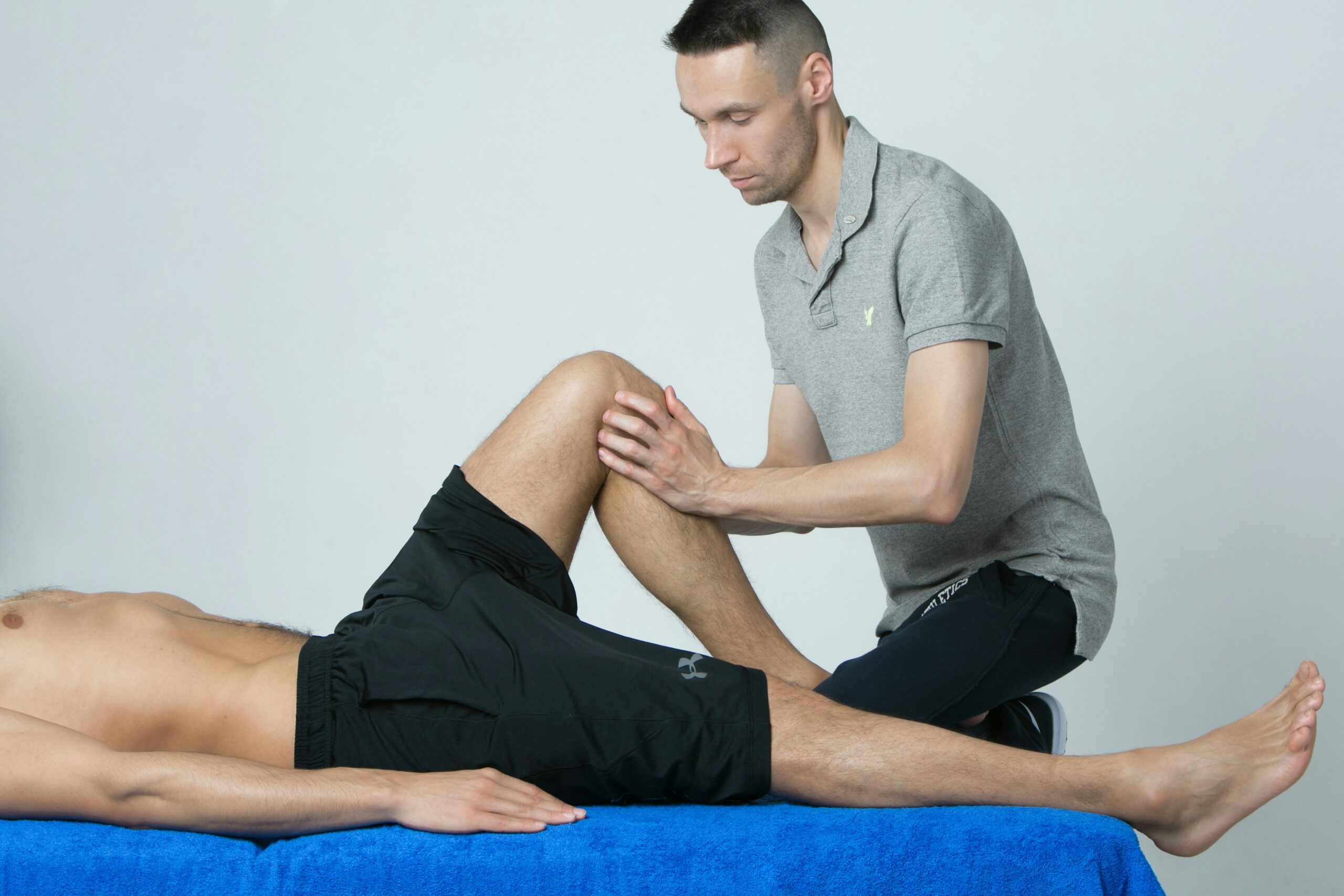
Massage affects the body through several overlapping mechanisms. Pressure and movement provide sensory input to the skin, fascia, and muscle. The treated area may become less sensitive, and a person may regain some comfortable range of motion. The experience of lying still in a quiet room can also give the body a short period with fewer demands.
That relief is valuable. It is also usually specific to the conditions of the session.
Massage does not automatically change how someone sits at a desk, holds a phone, breathes during concentration, or responds to a stressful conversation. It does not create more time for sleep or make an unreasonable schedule sustainable. When the person returns to the same demands, the same muscles may begin working in the same protective way.
This is why temporary relief should not be dismissed as “only psychological,” nor should it be presented as a permanent correction. The session may reduce the immediate expression of tension while the factors behind it remain active.
A useful question is not only, “Did the massage work?” It is also, “What happens to my body during the hours between this massage and the next one?”
How Chronic Stress and Muscle Tension Become Connected
A short stress response is not inherently harmful. When a person needs to react quickly, the body increases alertness and prepares the muscles for action. The neck, shoulders, jaw, and trunk may become more active because they help stabilize the body and orient the head.
The difficulty appears when the demand is repeated or never feels complete.
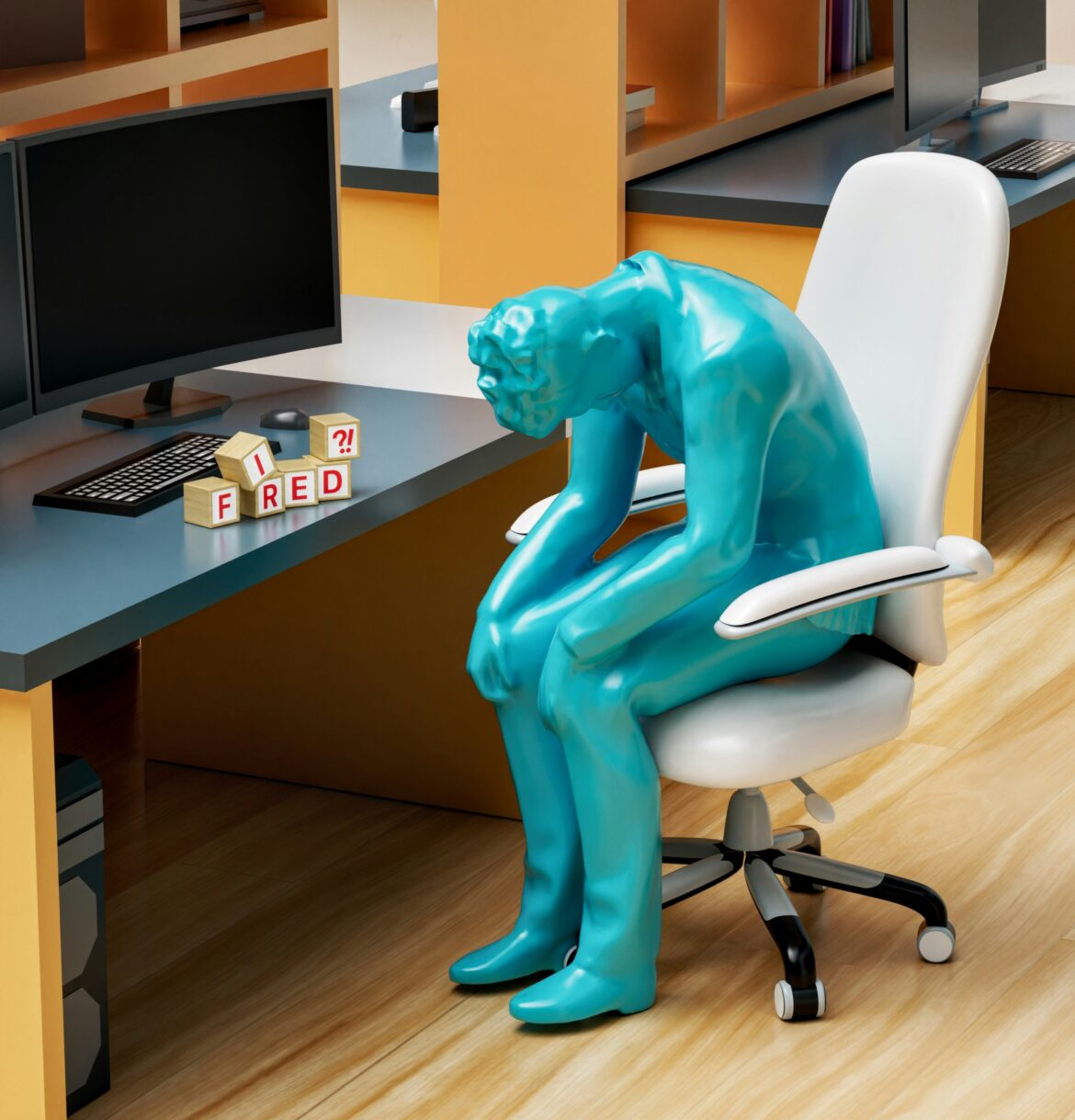
A person who spends the day monitoring emails, managing other people’s needs, or anticipating problems may never receive a clear signal that the effort is over. The muscles do not need to remain fully contracted to stay involved. A low level of bracing can be enough to create fatigue, stiffness, and tenderness by the end of the day.
Breathing can reinforce the pattern. Under pressure, some people breathe more shallowly or rely more heavily on the upper chest. The scalenes and sternocleidomastoid may contribute more than usual, while the diaphragm is used less efficiently. The person may not notice the change until a therapist places a hand on the upper chest or asks them to let the shoulders drop.
Jaw clenching is another common example. Concentration, frustration, and poor sleep can increase clenching during the day or at night. The muscles of mastication may then become painful, and the discomfort can spread toward the temples, neck, or shoulders.
Stress is not the only possible cause of tightness. Joint restriction, nerve irritation, injury, inflammation, medication effects, and other medical conditions can produce similar symptoms. Stress should be considered as part of the pattern rather than used as a complete diagnosis.
Three Patterns That Can Look Like “Tight Muscles”
The same complaint can represent different problems. A useful assessment begins by asking when the tightness appears, what changes it, and whether the symptoms improve between sessions.
|
Pattern |
What may be happening |
What to examine |
|
Local mechanical load |
A muscle is repeatedly working in a shortened or demanding position. |
Posture, workstation setup, movement habits, and daily repetition |
|
Protective bracing |
The nervous system is keeping an area ready for action or protection. |
Stress triggers, breathing, jaw activity, and the person’s sense of safety |
|
Reduced recovery |
Sleep, nutrition, or rest are insufficient for the current demands. |
Sleep opportunity, workload, training, and the time between stressful events |
|
Possible underlying condition |
The symptoms are not explained by ordinary tension alone. |
Numbness, weakness, swelling, trauma, spreading pain, or loss of function |
This framework also helps explain why a therapist may feel that a muscle is “fighting back” during treatment. The resistance may not be a sign that more pressure is needed. It may indicate that the person’s system is interpreting the contact as another demand or is trying to protect an area it considers vulnerable.
 Why Relief Can Fade So Quickly
The body learns patterns through repetition. If the same person leaves a massage session, returns to a laptop, raises one shoulder while using a mouse, and sleeps for five hours, the original pattern has several opportunities to return.
The problem is not always a single dramatic stressor. It may be the accumulation of small demands:
- A phone held between the shoulder and ear
- Long periods without changing position
- Unfinished work carried into the evening
- Frequent jaw clenching during concentration
- Late caffeine or emotionally stimulating content
- Training hard without enough sleep between sessions
Each factor may seem manageable on its own. Together, they can keep the body from spending enough time in a lower-demand state.
Pain sensitivity can also change when sleep is poor or stress remains high. A familiar amount of pressure may feel more uncomfortable than it did several months earlier. The tissue has not necessarily become damaged; the nervous system may simply be giving the signal greater importance.
That is one reason repeated massage can feel helpful during the session while failing to create lasting change. The treatment is addressing the symptom at one point in the cycle, but the cycle continues afterward.
Where Nervous System Wellness Technology Can Fit
For people who are already working on sleep, movement, and workload, nervous system wellness technology may be one optional part of a broader recovery routine.
ZenoWell is positioned within the category of non-invasive auricular vagus nerve stimulation. Auricular stimulation applies gentle stimulation to selected areas of the outer ear associated with the auricular branch of the vagus nerve. A wearable session can be included during a quiet period after work, after a demanding treatment day, or before a regular sleep routine.
The purpose should be modest. A device may provide a consistent cue to stop checking messages, lower stimulation, and give the body time to shift away from active problem-solving. It should not be described as a cure for chronic stress, anxiety, insomnia, or muscle pain.
The distinction between consumer wellness technology and implanted clinical VNS is also important. Implanted systems are used for specific medical indications. Findings from an implanted system, a laboratory protocol, or one particular taVNS study should not automatically be presented as evidence for every consumer wearable.
Comfort and repeatability are more useful criteria. If a device is difficult to use, creates more decisions, or encourages someone to judge recovery by a single score, it may add pressure rather than reduce it. If it fits naturally into an established routine, it can serve as one small part of an off-ramp from the day’s demands.
Build Recovery Around the Whole Pattern
A more durable plan usually addresses several layers at once. The aim is not to create a complicated treatment protocol, but to reduce the inputs that repeatedly bring the tension back.
|
Recovery layer |
Practical example |
What it addresses |
|
Mechanical load |
Change screen height, chair position, or phone habits. |
Repeated strain on the same tissues |
|
Movement |
Take short walks and move the neck, shoulders, and hands comfortably. |
Prolonged static posture and guarded movement |
|
Breathing |
Spend one or two minutes breathing comfortably without forcing a deep inhale. |
Upper-chest overuse and a sense of urgency |
|
Sleep |
Protect a realistic sleep window instead of relying on weekend catch-up alone. |
Reduced pain tolerance and incomplete recovery |
|
Mental closure |
Write down unfinished tasks and decide when they will be handled. |
Repetitive planning that keeps attention active |
|
Professional support |
Refer or seek assessment when symptoms persist or change. |
Problems that bodywork alone cannot address |
The timing matters. A person who receives massage at 6 p.m. and then returns to two hours of work has not had much opportunity to maintain the calmer state created by the session. Even ten minutes of lower stimulation, gentle movement, and a clear end to work may be more useful than expecting the massage to carry the entire evening.
The Parasympathetic Rest-and-Digest Response Is Gradual
The parasympathetic rest-and-digest response is often used to describe the body’s recovery-oriented activity. The phrase is useful, but it should not be treated as an on-off switch.
A person can lie still while continuing to rehearse a difficult conversation. Someone can feel mentally calm while the jaw remains clenched. Sympathetic and parasympathetic influences operate together, and recovery involves several systems rather than one single signal.
Slow breathing may help some people move toward a quieter state. Reviews of slow-breathing research have reported changes in respiratory, cardiovascular, and autonomic measures, including heart-rate-variability measures associated with cardiac regulation.[1][2] This supports slow breathing as one practical option, not as a universal treatment for chronic tension.
Try a comfortable pace for one or two minutes. Allow the exhale to be slightly longer than the inhale, but do not force the breath or continue if it causes dizziness. Gentle stretching, a short walk, or a period without notifications may be equally appropriate.
When Massage Is Not Enough
A therapist may notice that a client’s tissue is not recovering between sessions, that symptoms are spreading, or that the person is increasingly dependent on treatment simply to feel functional. These observations do not justify a diagnosis, but they do justify a broader conversation.
Persistent muscle tightness should be assessed more carefully when it is accompanied by numbness, tingling, weakness, swelling, significant loss of movement, unexplained weight change, fever, or pain following an injury. Chest pain, fainting, breathing difficulty, or sudden neurological symptoms require urgent medical attention.
It is also important to consider the person’s mental and social context. Chronic stress may be linked with burnout, severe sleep disruption, panic, substance use, or a workload that cannot be managed through relaxation techniques alone. In those situations, another massage appointment may provide temporary comfort while delaying the support that addresses the underlying problem.
The appropriate response may include a physician, physical therapist, mental health professional, dentist, sleep specialist, or another qualified provider, depending on the pattern.
Final Thoughts
Massage can change how a tight muscle feels, but it cannot always change why the muscle keeps tightening.
When chronic stress, poor sleep, repetitive posture, emotional strain, or excessive workload remain active, the body may return to the same protective pattern after the session ends. The most useful approach is layered: reduce mechanical strain, restore movement, protect sleep, create a clearer transition out of work, and investigate symptoms that do not fit ordinary tension.
A wellness technology routine may support that transition for some people, but it should remain part of the larger picture. The goal is not to force a muscle to stay relaxed forever. It is to give the nervous system fewer reasons to keep asking the muscle to brace.
References
- McEwen BS. “Protective and Damaging Effects of Stress Mediators.” New England Journal of Medicine. PubMed
- Zaccaro A, et al. “How Breath-Control Can Change Your Life: A Systematic Review on Psycho-Physiological Correlates of Slow Breathing.” Frontiers in Human Neuroscience. PubMed
- Russo MA, et al. “The Physiological Effects of Slow Breathing in the Healthy Human.” Breathe. PubMed
- Furlan AD, et al. “Massage for Low-Back Pain.” Cochrane Database of Systematic Reviews. PubMed
Written by managersharafat@gmail.com