

The pain usually shows up late in the day. It begins as a dull grip at the base of the skull. By evening, it has crept over the top of the head and settled behind one eye.
Most people blame stress, their eyes or a bad night’s sleep. They are far from alone. The World Health Organization estimates that headache disorders affect about 40 percent of the global population, or 3.1 billion people in 2021.
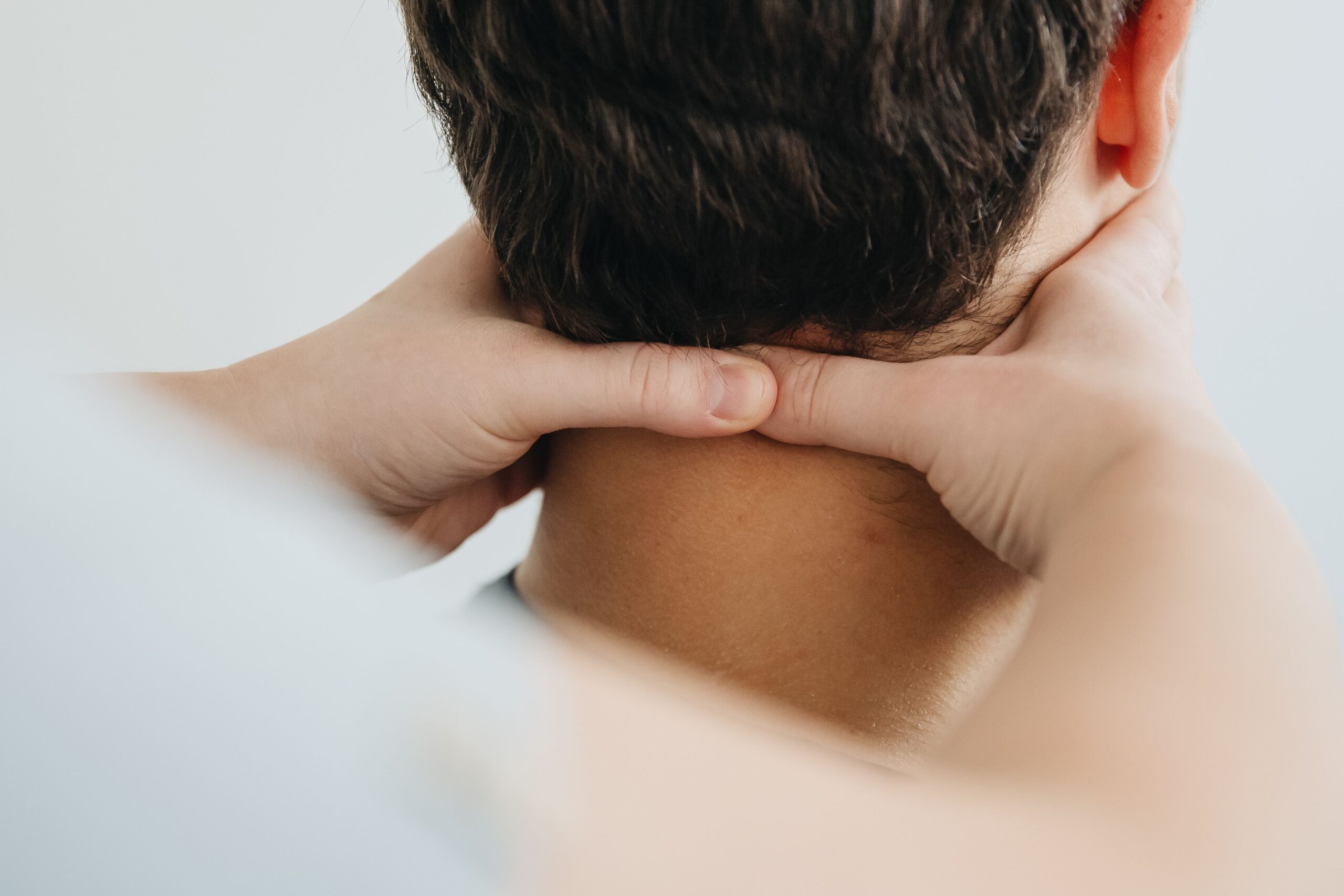
Yet many of those headaches do not start in the head at all. They start in a cluster of small, deep muscles tucked under the back of the skull. Understanding how those muscles work changes how the headache should be treated.
Small Muscles With an Outsized Job
The suboccipitals sit between the base of the skull and the very top of the spine. The group includes rectus capitis posterior major and minor, plus obliquus capitis superior and inferior. They are short and they are deep. Their job is not to swing the head through big arcs. Their job is fine-tuning: tiny nods, tilts and turns that keep the eyes level while the body moves.

That is why they are packed with sensors. A review of research in the Journal of the Canadian Chiropractic Association cites counts of 242 muscle spindles per gram in obliquus capitis inferior and 98 in rectus capitis posterior major. The trapezius has about 2.2 per gram.
So these muscles act less like movers and more like position sensors. When they tighten and stay tight, the nervous system hears about it all day long.
The same review describes soft-tissue bridges that link some suboccipital muscles to the dura mater, the tough membrane around the spinal cord. Researchers have proposed that tension on these bridges may play a part in some headaches. That link is still a theory, not a proven cause. What is well established is the wiring. Sensory nerves from the upper neck feed into the same brainstem hub that handles sensation from the face and forehead. The brain cannot always tell which source a signal came from. A problem at the base of the skull can be felt behind the eye.
Where the Benefits of Chiropractic Care Fit In
Because the source sits in the neck, treatment aimed only at the head often falls short. This is where hands-on work at the top of the cervical spine earns its place.
As Weald Chiropractic points out in its overview of the benefits of chiropractic care, headaches that begin in the neck are among the problems spinal treatment is commonly used for. A chiropractor assesses how the upper neck joints move. Then adjustments, mobilization and soft-tissue work are used to restore motion where it is restricted.
The evidence is strongest for cervicogenic headache, the type driven by joints and tissues in the upper neck. In a randomized controlled trial of 256 adults, those who received 18 sessions of spinal manipulation cut their headache days roughly in half, from about 16 to about 8 every four weeks. That was about three days fewer per month than a light massage control group.
For classic tension-type headache, the research is more mixed. Most practitioners combine joint work with soft-tissue treatment and exercise rather than relying on one tool.
The Posture Behind the Pain

The suboccipitals rarely tighten for no reason. The usual culprit is forward head posture, the habit of letting the head drift ahead of the shoulders.
When the head slides forward, the eyes naturally point toward the floor. To keep looking at a screen, the suboccipitals tilt the head back at the top of the neck. Then they hold that position for hours.
Over time, that steady load can produce trigger points. In a controlled pilot study of people with chronic tension-type headache, 65 percent had active trigger points in the suboccipital muscles. The headache group also showed more forward head posture than matched controls, and worse posture went along with more frequent headaches.
These trigger points tend to refer pain in a band along the side of the head, often toward the eye.
Signs the Headache Starts in the Neck
Certain patterns point toward the suboccipitals:
- The pain starts at the base of the skull and spreads forward.
- It tends to stay on one side.
- Long hours at a desk or on a phone make it worse.
- Turning or tilting the head feels stiff or sets off the pain.
- Pressing under the back of the skull brings on the familiar ache.
When several of these line up, the neck deserves a closer look.
For Massage Therapists: Working the Suboccipitals
 Clients often arrive asking for relief right at the base of the skull. A few practical points make the work safer and more effective.
Have the client lie face up. Curl your fingertips under the occiput and let the weight of the head sink into them. Pressure should be slow and sustained, not deep and fast. These are small muscles over sensitive structures, including the vertebral artery and the greater occipital nerve.
Ask whether the pressure recreates the usual headache. If it does, that is useful information to share with the client and with anyone else on their care team.
Retraining the Deep Neck
The muscles at the front of the neck matter as much as the ones at the back. When the deep neck flexors are weak, the suboccipitals pick up the slack.
A large Australian trial followed 200 people with cervicogenic headache for a year. Both manipulation and a specific exercise program for the deep neck and shoulder muscles reduced headache frequency and intensity. Combining the two was not significantly better overall, but 10 percent more patients gained relief with the combination.
The core exercise is simple. It is the chin nod. Lie on your back and gently nod as if saying yes, without lifting the head. Hold briefly, then relax. The goal is control, not strength.
Small daily changes help too. Raise the screen to eye level. Take breaks from looking down at the phone. Keep the ears stacked over the shoulders.
When a Headache Is Not a Neck Problem
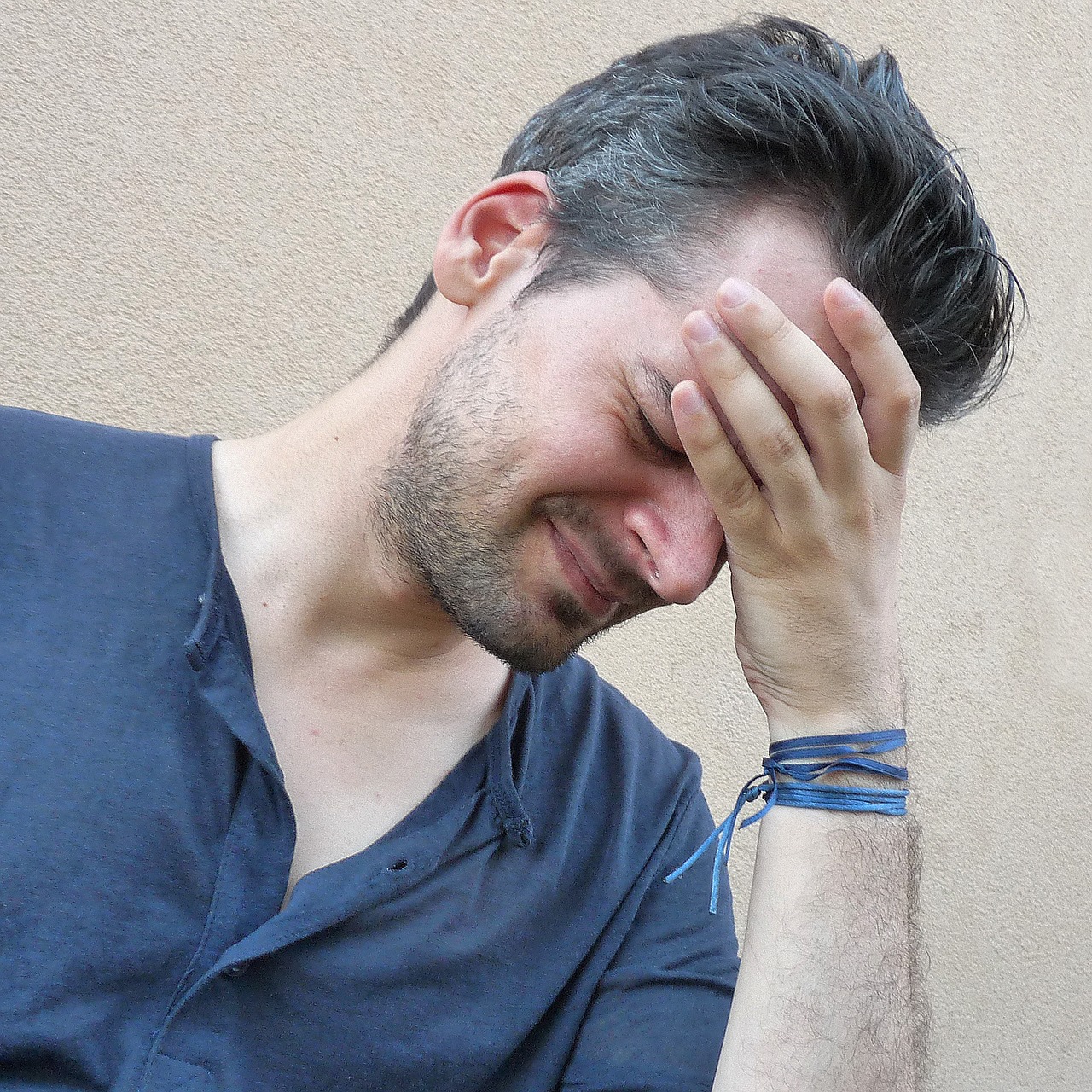 Not every headache belongs to the suboccipitals. Some need medical attention right away. A sudden, severe headache that feels like the worst ever needs emergency care. So does a headache with fever and a stiff neck, numbness, weakness, confusion, vision loss, or one that follows a head injury. A new headache pattern later in life also calls for a doctor’s evaluation.
Good practitioners screen for these warning signs before they treat the neck. If something does not fit, they refer.
Following the Pain Back to Its Source
A headache that starts at the base of the skull is telling a story about the neck. The suboccipitals are small, but they are wired into the same system the brain uses to read the face and head. Treat only the head, and the pain tends to come back. Address the neck through joint care, soft-tissue work, exercise and better posture, and the cycle often breaks.
Sometimes the most useful step is a closer look at what the neck has been doing all day.
Written by Hux Bee (outreach@huxbee.com)