

Manual therapy draws strength from precision. Every adjustment, release, or mobilization should be rooted in a clear understanding of how the body works. Osteopathic principles offer that clarity. These concepts go beyond technique. They explain how structure influences function, how healing begins internally, and how every system in the body connects.
For manual therapists, this knowledge informs better decisions and sharper assessments. It leads to treatment plans that support lasting recovery. Understanding these concepts can transform the way you think and work. Mastery of the hands begins with mastery of these foundational ideas.
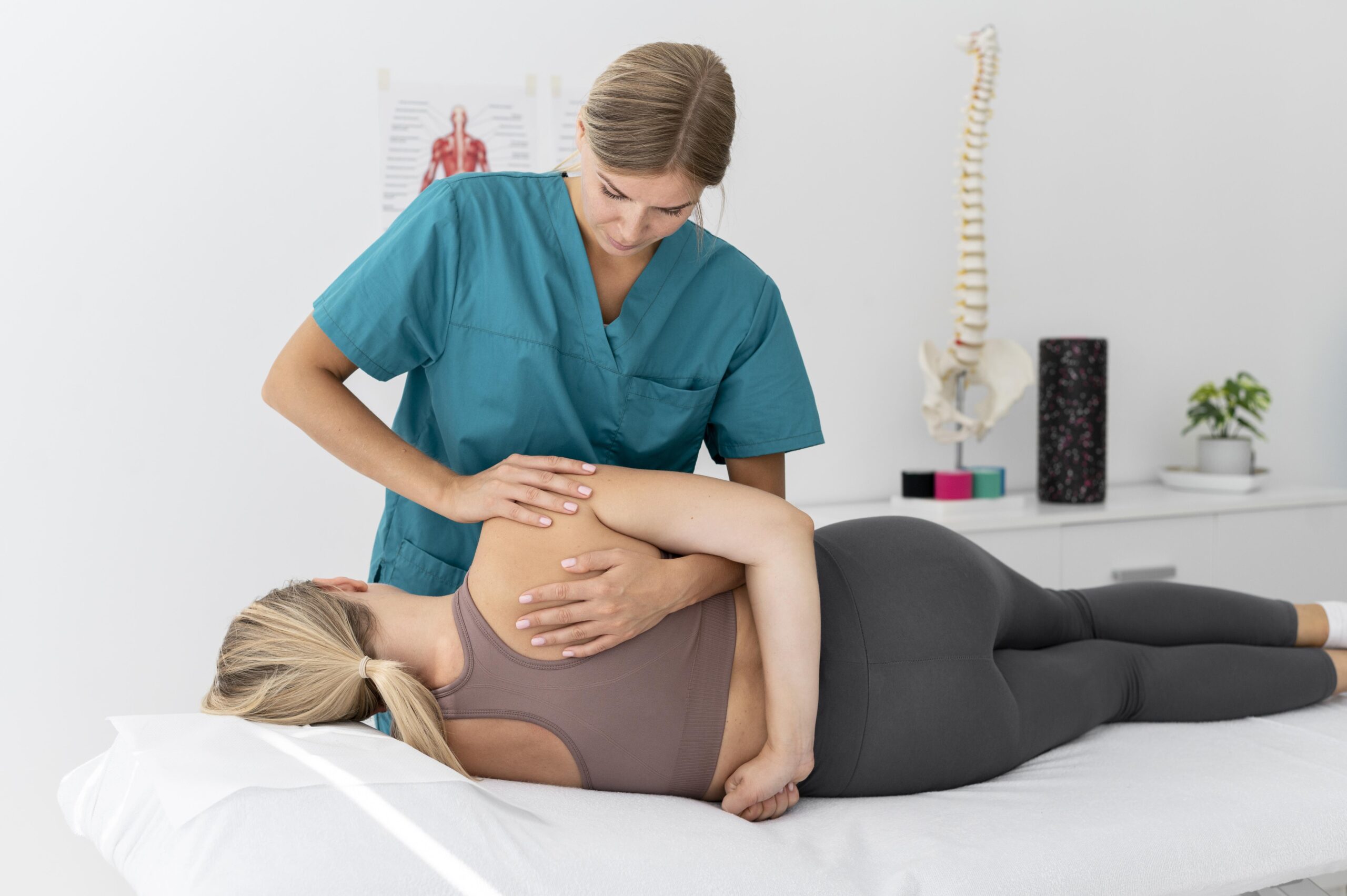 Photo from Freepik
1. The Body Is a Unit: Integration of Mind, Body, and Spirit
Osteopathy begins with unity. The body, mind, and internal systems function together. No part operates in isolation. Manual therapists must assess the whole person, not isolated symptoms.
Stress, trauma, or lifestyle habits can influence physical complaints. Tension in one area may reflect strain somewhere else. A headache may stem from postural imbalance. Low back pain might relate to emotional stress or sleep disruption.
This principle encourages broader thinking during evaluations. Therapists learn to observe movement patterns, breathing rhythm, and nervous system tone. Each reveals how the body compensates or reacts.
By treating the person as a connected whole, therapy applied by hand creates space for lasting recovery. Techniques shift from symptom relief to functional improvement. Healing becomes more complete because treatment addresses root causes, not surface pain.
2. Clinical Reasoning Grounded in Anatomical and Physiological Knowledge
Manual therapy requires more than technical skill. It demands sharp, evidence-based reasoning. Every movement, every contact, must be backed by a clear understanding of how tissues behave under stress, adapt to dysfunction, and respond to intervention.
Knowing muscle attachments, nerve pathways, and joint mechanics isn’t optional. It shapes how therapists identify root causes, not just surface symptoms. Understanding biomechanics leads to more accurate assessments and precise treatment plans.
Many reasoning strategies used in manual therapy reflect what a doctor of osteopathic medicine applies in clinical practice. Their ability to synthesize structure and function across body systems offers valuable models for therapists seeking to improve diagnostic accuracy.
Therapists who think in terms of systems—not symptoms—make better decisions. They respond to what the body presents, adapt their approach as needed, and ensure each technique serves a clear, measurable goal. This is clinical reasoning in action.
3. Structure and Function Are Reciprocally Interrelated
The body’s form shapes its performance. Joint alignment affects movement efficiency. Fascia tension can alter blood flow. Structural changes influence how the body moves, responds, and heals.
Manual therapists must assess both visible and subtle distortions. A rotated pelvis may lead to knee strain. A thoracic restriction can limit respiratory function. Recognizing these patterns supports more accurate and effective treatment.
Correcting structure often improves function, even without treating the symptomatic area directly. Releasing a restriction can improve nerve conduction, restore mobility, or reduce strain on distant tissues.
This principle requires close attention to detail. Therapists must link structure to symptom, not treat pain in isolation. With this awareness, structure becomes a clinical guide. It helps direct the hands, the reasoning, and the outcomes.
4. The Body Possesses Self-Regulatory and Self-Healing Mechanisms
The body is built to heal. It responds to injury through inflammation, immune activation, and tissue repair. These processes begin immediately and require minimal outside intervention when conditions support them.
Manual therapists play a role in creating those conditions. Gentle mobilization can improve circulation. Decompression may ease nerve interference. These adjustments remove obstacles, allowing the body to restore function more efficiently.
Skilled practitioners watch for signs that healing has already begun. Shifts in posture, changes in tone, or improved range of motion suggest progress. Rather than override the system, therapy should reinforce what the body is trying to achieve.
This concept changes the therapist’s mindset. The goal is not control, but cooperation. The most effective techniques respect the body’s timing, rhythm, and priorities. When treatment aligns with the body’s efforts, results tend to last longer and require less intervention.
5. The Rule of the Artery Is Absolute
Healthy circulation supports every function in the body. Blood carries oxygen, nutrients, hormones, and immune cells. When flow is blocked or restricted, tissues struggle to heal, regulate, and defend themselves.
Manual therapists must evaluate vascular mobility and pressure. Compressed vessels can lead to swelling, fatigue, or delayed recovery. Techniques that improve arterial and venous movement often enhance the effectiveness of other treatments.
Fascial restrictions, poor posture, or chronic tension can impair circulation. Releasing these barriers helps restore perfusion. As blood flow improves, so does cellular repair and metabolic efficiency.
This principle underscores the value of indirect work. Sometimes, improving circulation in one region affects another. A restriction in the thoracic outlet might influence hand pain. A stiff diaphragm may disrupt abdominal function. Understanding these links helps therapists plan interventions that promote healing throughout the entire system.
6. The Nervous System Controls and Coordinates All Body Functions
The nervous system directs movement, perception, and internal regulation. Every signal that tells a muscle to contract, a gland to secrete, or an organ to adjust originates here. When this system is disrupted, symptoms often appear far from the source.
Manual therapists must assess how nerves interact with structure. A compressed nerve root can cause weakness in a limb. A restricted segment in the spine may alter reflexes or pain perception. Restoring normal mechanics often improves nervous system efficiency.
Treatment should support clear communication between the brain and body. Techniques that reduce irritation, improve spinal mobility, or release soft tissue can normalize input and output.
This principle encourages therapists to look beyond isolated complaints. Tingling in the fingers may relate to a cervical issue. Digestive discomfort might involve the thoracic spine. By understanding neural pathways, therapists can trace dysfunction to its origin and treat it with precision.
7. Palpation as a Foundational Diagnostic and Therapeutic Tool
 Photo from Freepik
Palpation is both an art and a science. It allows the therapist to detect variations in tissue tone, temperature, texture, and movement. Each layer offers clues about the body’s current state.
Effective palpation begins with clarity of intent. The therapist must know what they are evaluating and why. Gentle pressure reveals resistance or ease, guiding further exploration without forcing change.
This skill improves with practice. Through repetition and focused feedback, the hands begin to recognize patterns that indicate dysfunction. A slight drag under the skin or an unexpected barrier to movement can hold clinical meaning.
Palpation also informs treatment. It helps gauge response in real time, allowing subtle adjustments to technique. When refined, it becomes more than a method of contact. It becomes a continuous dialogue between therapist and tissue, revealing what needs to change and when.
Wrapping Up
Osteopathic concepts give manual therapy its depth. They turn observation into insight and technique into intention. These principles ask more of the therapist: closer attention, sharper reasoning, and better care. They reward that effort with clearer direction and stronger outcomes. A therapist guided by these ideas moves with confidence, not by habit, but by understanding. This is how thoughtful practice becomes effective care. This is how knowledge becomes skill.
Written by amy@amybartlett.com

