
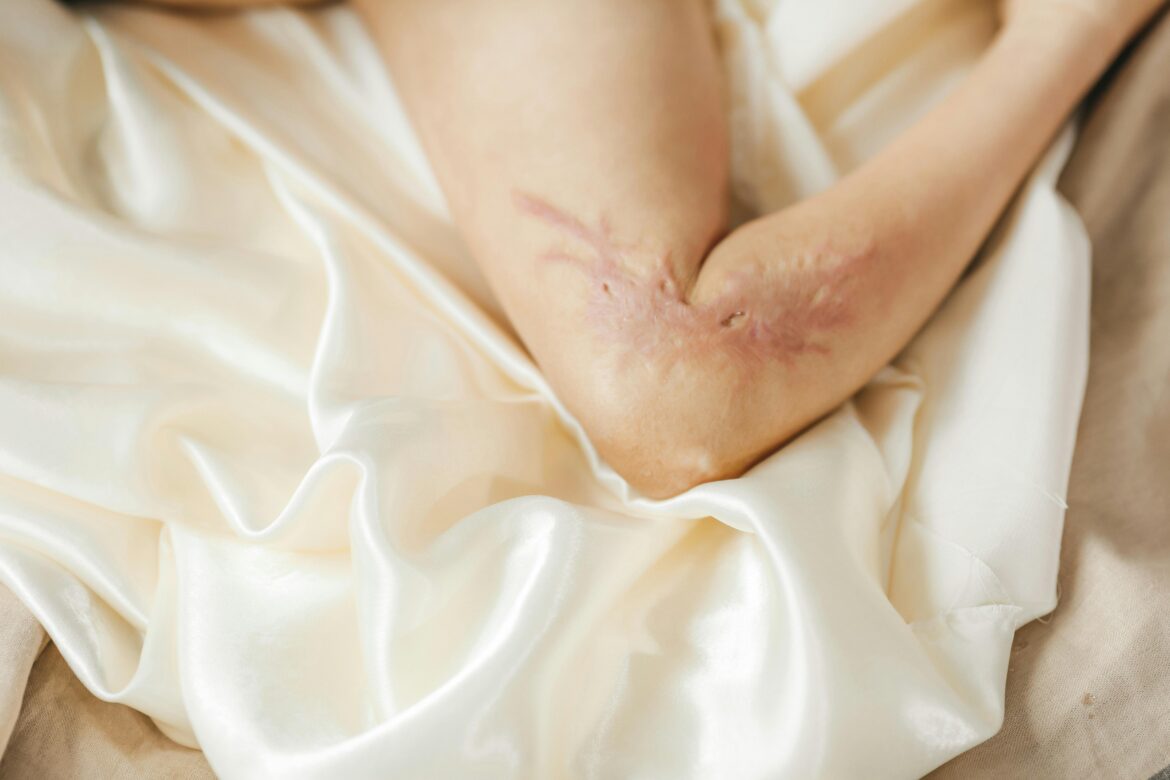
Healing is often conceptualized as an end point, where any injuries or illnesses have finally mended and the body has entered a state of complete restoration. But some losses can’t be restored this way, and recovery from injury or illness through movement is not the same as healing. There is no moment at which all of your losses are restored.
After any injury, the body will create new scar tissue in an attempt to make you stronger and more stable. The body’s goal in scar tissue formation is to help you heal. After you have healed from your injury, you will notice that your tissues will feel tight, sore or restricted when you perform activities like bending, reaching, walking, twisting or getting back to other things you like to do.
For manual therapists and movement professionals it is important to understand that there is a distinction between how a linear white scar looks and how it functions in soft tissues. While the surface appearance of a healed scar may seem peaceful and calm it does not translate to it having no effect on movement of joints, comfort and movement confidence.
How Scar Tissue Forms After Injury
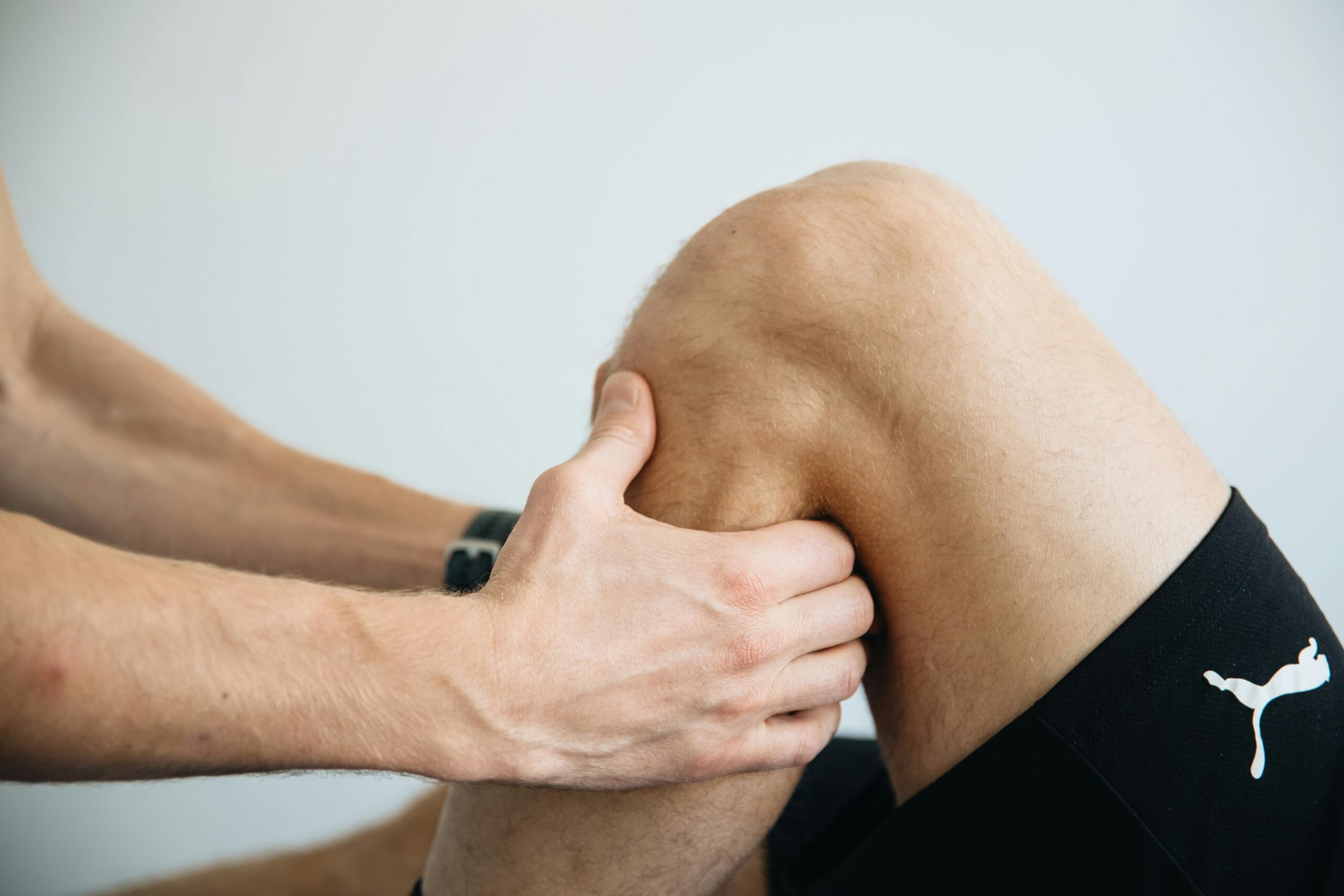
Scar tissue is part of the body’s normal repair process. When tissue is injured, the body responds by protecting the area, limiting bleeding, and beginning the inflammatory phase. This early phase brings immune cells and chemical signals to the injured site, helping clear damaged tissue so rebuilding can begin.
Collagen soon becomes a major part of that repair. As scar tissue forms as part of the healing process, the body lays down collagen to close and strengthen the injured tissue. Early collagen is not organized in the same way as the original tissue. It is often denser, less elastic, and less adaptable to movement.
Over time, scar tissue remodels. Collagen fibers may become more organized as the area is exposed to appropriate movement, load, and time. Even then, repaired tissue may not behave exactly like the tissue it replaced. Depending on the injury, the scar may feel firm, tight, sensitive, or less mobile than the surrounding tissue.
Why Scar Tissue Can Affect Mobility
Tissues in the body need to have the ability to move, lengthen, shorten, fold and glide. Skin needs to glide smoothly over fascia, fascia over muscles and then muscles, tendons and joints all need to move in a coordinated fashion. When tissues change because of the development of scar tissue, other structures nearby must adjust to compensate for those changes.
Not every scar results in restriction of movement, some scars may be stiff, sensitive, thickened or difficult to move for some time although the deep tissue has healed well. A very noticeable scar is often in a highly mobile area such as the shoulder, the hips or knees, the abdomen or neck. These parts of the body move in many different planes of movement.
In addition to having an emotional response to the original surgery, the tissue from the prior surgery can become as sensitive as the scar tissue itself to things like touch, stretch or pressure. Keloid and hypertrophic scars often cause the surrounding tissue to be stiff and limit movement. People often avoid certain positions or movements that cause them discomfort and, over time, can develop a pattern of movement that becomes a habit.
When Scarring Affects More Than Mobility
Scarring can become part of a larger recovery picture when it affects appearance, movement, work, daily comfort, and self-image. In those cases, healing may involve medical care, rehabilitation, workplace concerns, documentation of long-term changes, insurance questions, and other practical issues outside the treatment room.
In Illinois, a serious injury that leaves visible scarring or disfigurement can affect daily movement, comfort, work routines, and self-image in ways that extend beyond the tissue itself. Alongside medical care and rehabilitation, some injured people may also speak with a Chicago scarring and disfigurement lawyer to better understand the broader non-clinical consequences of the injury.
Location can shape how those effects appear in daily life. In Wisconsin, colder seasons can make scar sensitivity more noticeable when heavier clothing rubs against the skin or when stiffness feels more pronounced during cold-weather activity. In California, outdoor work, warmer weather, and more frequent sun exposure may make visible scarring harder to ignore and skin comfort more relevant to daily routines.
In Arizona, heat and dry conditions can make hydration, skin awareness, and protective clothing more practical concerns for someone with sensitive or healing tissue. In New York, stairs, commuting, crowded sidewalks, and public transit may make restricted mobility more noticeable because daily movement often requires frequent starts, stops, turns, and changes in pace.
For manual therapists and movement professionals, the point is straightforward: visible and functional changes can influence how someone moves, feels, and participates in ordinary life.
How Movement Patterns Can Change After Injury
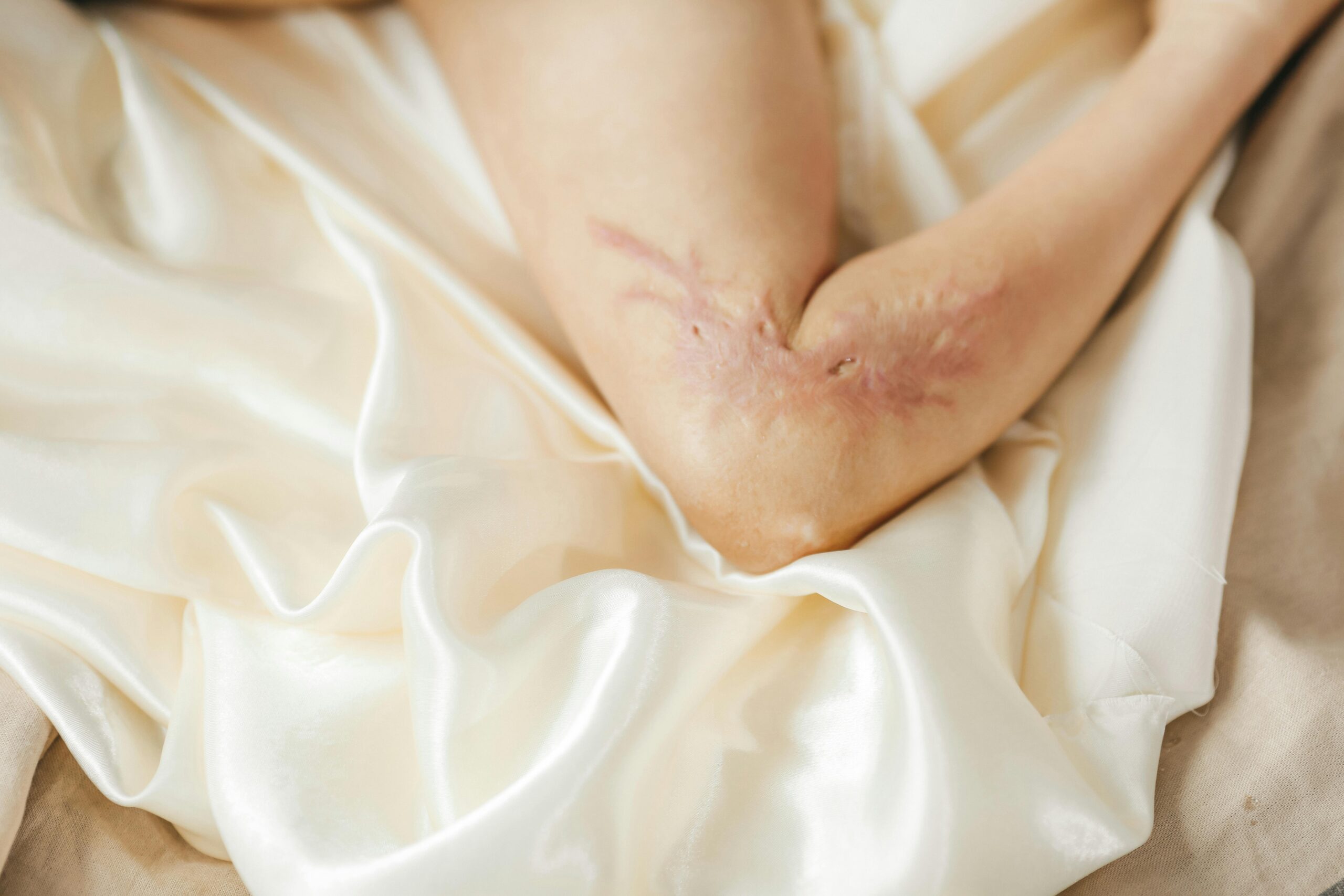
Connective tissue that has started to transition into scar tissue can physically limit a person’s range of motion in a particular direction. As a person tries to compensate for these physical limitations in movement, different changes occur in how a person moves. Early on, these adaptations were designed to guard fragile, healing tissue from further injury. Examples of these changes include shortening gait to avoid placing extra stress on a heel, not fully abducting and flexing arms to keep arms away from painful shoulders, substituting trunk rotation for hip rotation when kicking or bringing legs up to a standing position, and transferring body weight to the opposite side of the ankle to avoid stressing an injured ankle.
Getting familiar with the protective patterns that your nervous system holds onto can be really useful. The tissue may have adapted in the past to compensate for injury or stress, but your nervous system still sees you doing the same movements in the same way as when you were more injured than you are now. This can result in a reduced range of motion, decreased mobility, stiffness and abnormal movement patterns where other muscles or joints do more work to help make up for it.
Look at how a person’s scars affect how they move. A scar to the abdomen might prevent them from extending or rotating their trunk. A knee scar could affect how they walk or how they do stairs. A vertical scar across the shoulder or chest might limit their ability to reach or could affect their breathing. The way that a person compensates for the restriction caused by a localised area of scarring often results in a pattern of movement that involves more than just that area.
Manual Therapy Considerations
Manual therapy around scar tissue calls for patience and careful clinical judgment. The goal is not to force change into the tissue. The goal is to assess how the area feels, how it moves, and how the person responds during and after contact. Pressure, pace, direction, and duration all matter.
Scar tissue can be physically sensitive, protective, or emotionally sensitive for some people. Clear communication helps establish what feels tolerable and what feels threatening. Gentle work around the surrounding tissues may be more useful at first than direct pressure over the scar itself, especially when the area is tender, newly healed, or associated with a difficult injury.
For a deeper look at how adhesions can restrict soft-tissue mobility, this discussion of fascial adhesions of the neck offers helpful clinical context.
Movement should guide the work. If mobility improves, sensitivity decreases, or the person feels more confident using the area, the approach is moving in a useful direction. If symptoms increase sharply, the tissue feels unusually irritated, or the presentation falls outside the practitioner’s scope of practice, referral to an appropriate healthcare provider is the better choice.
The Goal Is Better Function
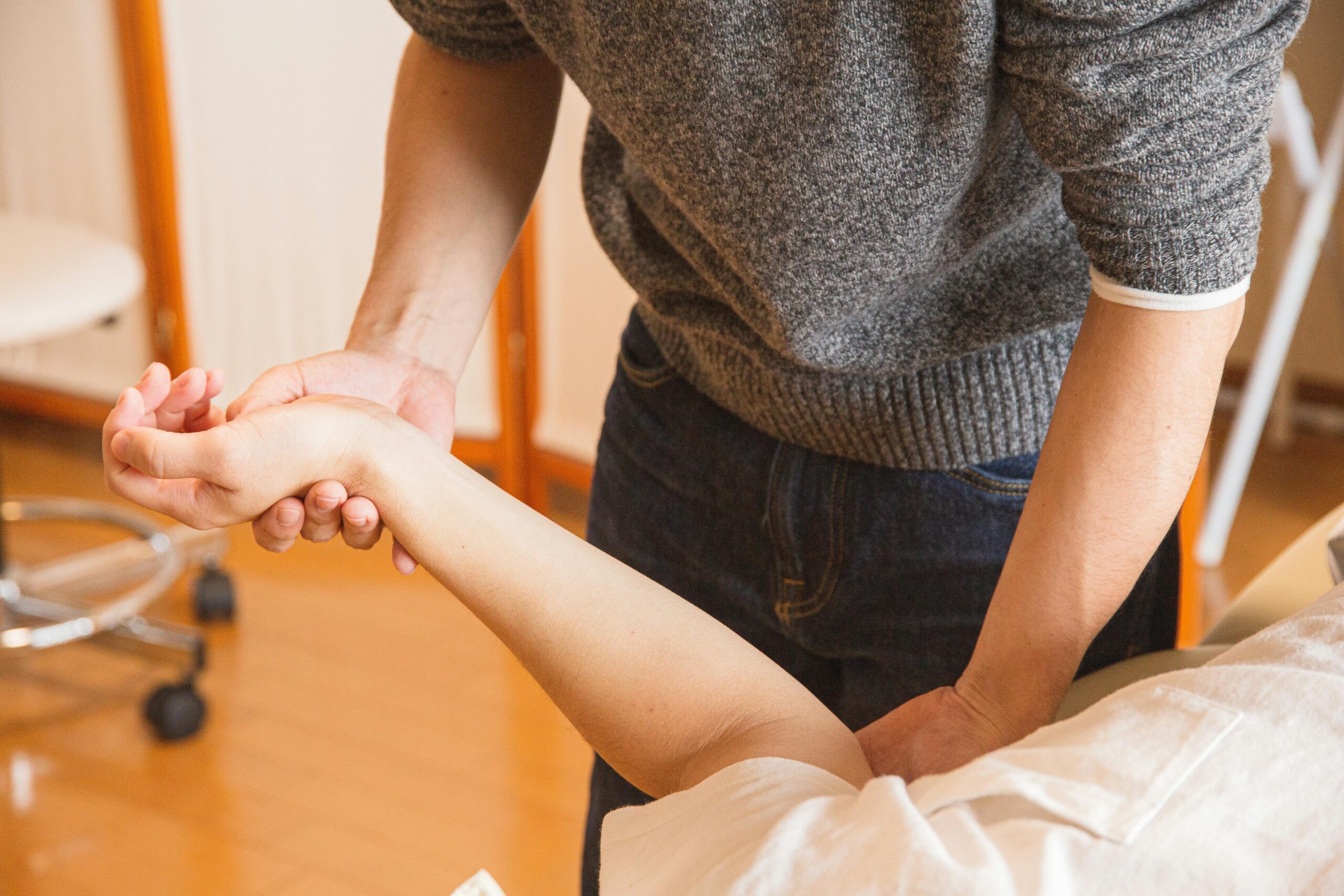
When working with scar tissue, it is important to look at the progress from a functional standpoint. Tissues feel and look “normal” does not necessarily mean that there is no more room for progress. The individual can still function more comfortably after a scar injury. Does the person move more freely after being restricted? Does he or she walk more smoothly or quickly after having slowed down due to a scar injury? Does the individual rotate, bend, lift, or breathe more comfortably?
In addition to these considerations, one must also remember the tissues that surround the scar tissue that is being released. Every tissue in the body affects movement, and the skin, fascia, muscle, tendons and the way that joints move all contribute to a person’s range of motion. So when using mechanical release techniques, one must remember how a tissue affects movement in a particular pattern as well as the local tissue itself.
Approaching tissues and cases at an increased level of function means considering how to slightly improve aspects of better function such as tolerance to touch, active range of motion, release of muscle guarding, co-ordinated movement and even confidence in using certain body parts. Exploring these directions can help manual therapists and movement professionals keep approaches relevant, respectful and meaningful.
Conclusion
While scar tissue is a natural byproduct of the healing process, healing and mobility are not the same. Even after you have fully healed from an injury, the areas where the body repaired the tissue can continue to affect comfort, mobility, tissue glide, confidence and even how you move in your world.
For manual therapists and movement professionals, the value lies in looking beyond the scar itself. Careful observation, clear communication, appropriate pressure, and a function-focused approach can help support more comfortable movement while respecting the tissue’s limits and the practitioner’s scope of practice.
Written by Jason Lee

