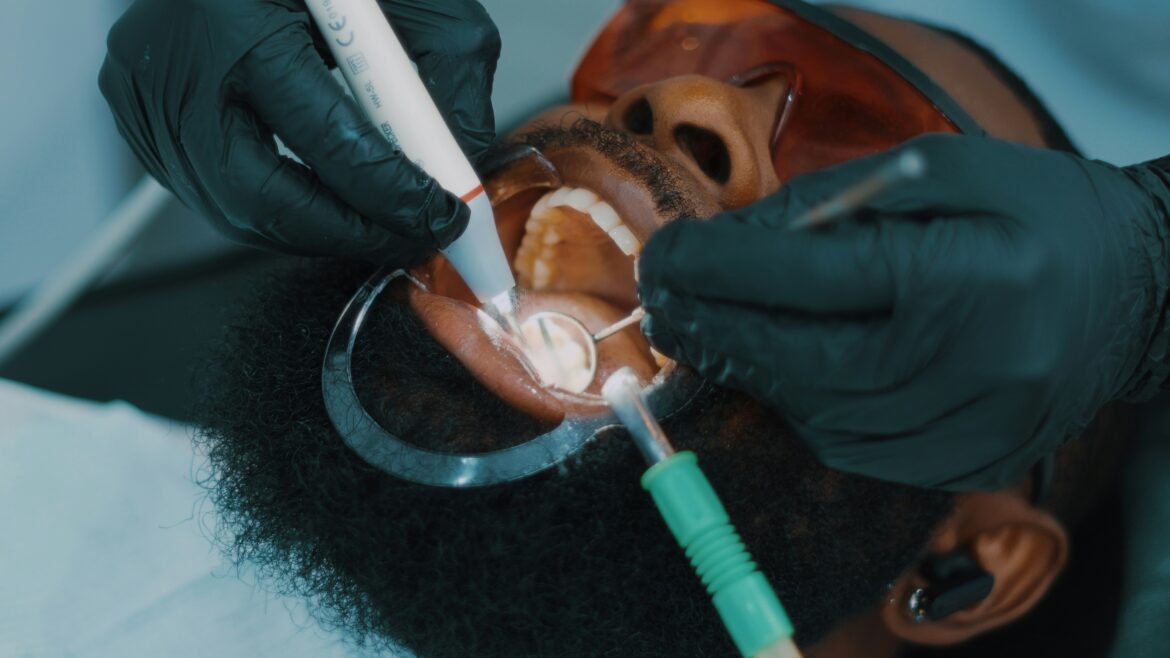
In addition to aesthetics, the anatomical structures in the oral cavity are directly related to the functional mechanics of the jaw, neck and craniomandibular musculature. When searching for a practitioner or a dentist near you in Fort Lauderdale, evaluating how clinical treatments impact neuromuscular balance is essential for long-term health. Dental restorative, orthodontics and preventive treatments have two purposes: to maintain the structural integrity of the teeth and to maintain the precise biomechanical balance for comfortable mastication, swallowing and postural control.
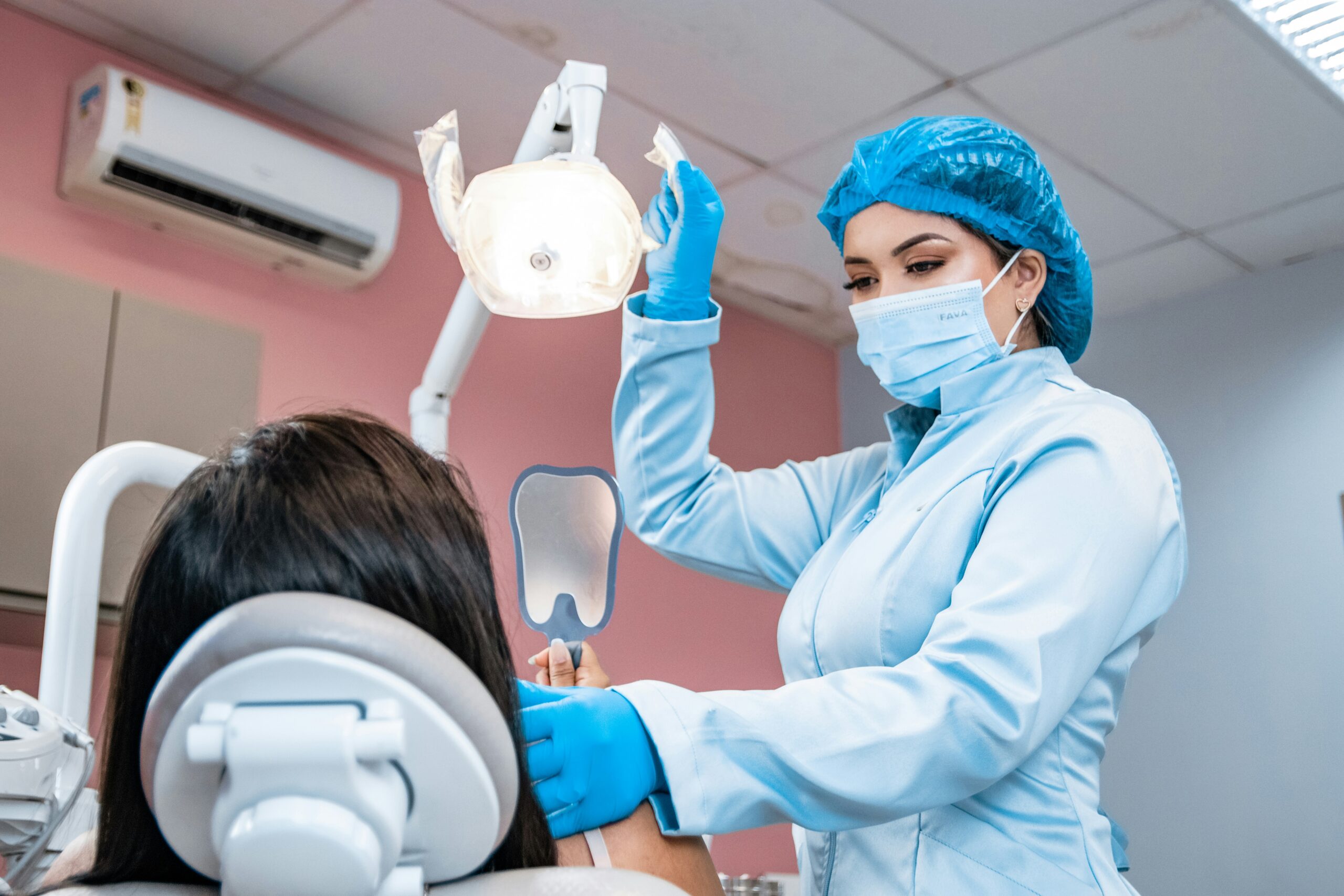
The masticatory system depends on a complex system of muscles, such as the masseter, temporalis, medial pterygoid, and lateral pterygoid. These muscle groups work together to regulate mandibular motion with respect to the temporal bone. This delicate balance is disrupted when tooth loss, dental wear, or misaligned bite surfaces occur. The brain compensates for uneven tooth contacts with the muscle firing pattern, leading to localized muscle fatigue, hypertonicity and secondary myofascial pain that can radiate into the cervical spine.
Occlusal Stability and Neuromuscular Function
When you close your jaw, the upper and lower teeth touch. This contact point is called occlusion and it is the structural stopping point for muscle contraction. When the bite is stable and balanced, the masseter and temporalis muscles contract evenly and symmetrically on both sides of the jaw. This balanced activation prevents the excessive mechanical stress from being concentrated in any one area of the temporomandibular joint capsule.
The altered feedback signals are sent to the central nervous system through the sensory receptors in the periodontal ligament by occlusal interference (high restoration, drifted tooth, uneven dental wear). In response, the brain orders specific muscle groups to contract irregularly, to prevent painful or unnatural contact between the teeth. This adaptive compensation over time causes the muscles of the jaw to develop active myofascial trigger points, which usually results in tension headaches, facial tightness and referred pain in the neck and shoulders.
Kinematics of the Joints and the Lateral Pterygoid Complex
The articular disc, the mandibular condyle and the glenoid fossa of the temporomandibular joint develop a smooth gliding relationship. The lateral pterygoid muscle is the key to proper disc position and has two different heads with specific functions. The superior head of the lateral pterygoid assists in stabilizing the articular disc during jaw closure and during forceful clenching . The inferior head is responsible for forward and lateral movements of the jaw .
If the structural support of the teeth is compromised, then the lateral pterygoid has to work overtime to stabilize the joint disc. Continued contraction of this muscle can pull the disc forward from its normal position and cause the joint to click or pop or have painful internal derangement. Comprehensive dental evaluations examine these structural relationships to determine that restorative care supports stable joint alignment and does not increase joint strain.
Restorative Techniques for Muscle Relaxation
Modern restorative dentistry is the recreation of natural tooth contours to accommodate the resting postures of the jaw muscles. Restoration of proper tooth height and balanced bite contacts relieves the chronic strain on hypertonic muscle fibers and allows the lower jaw to settle in a comfortable resting position.
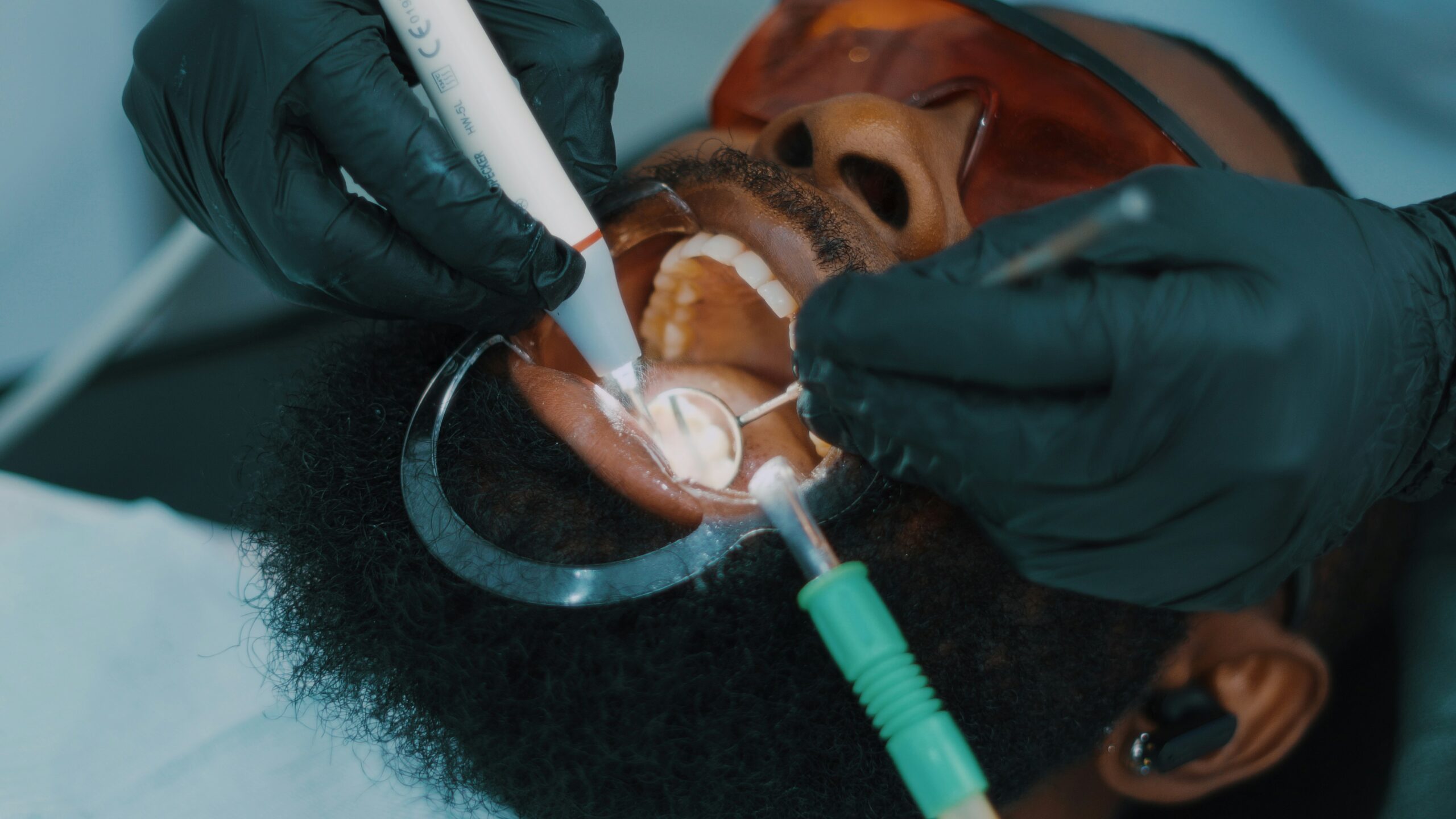 Some of the key strategies to restore the neuromuscular balance are:
Correct Occlusal Adjustment: Symmetrical biting forces result from the removal of high spots, reducing the uneven strain on the masseter muscles.
Prosthetic reconstruction: Replacing missing teeth with crowns, bridges or implants prevents neighboring teeth from shifting and maintains stable joint mechanics.
Stabilization Appliance Therapy: Custom splints or nightguards provide a neutral contact surface allowing the hyperactive jaw muscles to relax during sleep.
Postural Re-education: The correction of the forward-head posture reduces the secondary tension of the suprahyoid and infrahyoid muscles, thus improving the overall craniomandibular balance.
By working with a knowledgeable dental care provider, structural treatments are in concert with the body’s muscular architecture. Our goal is to protect the jaw joints, avoid chronic myofascial pain, and promote long-term oral health by prioritizing occlusal health and muscle function.
Written by Milos Radakovic