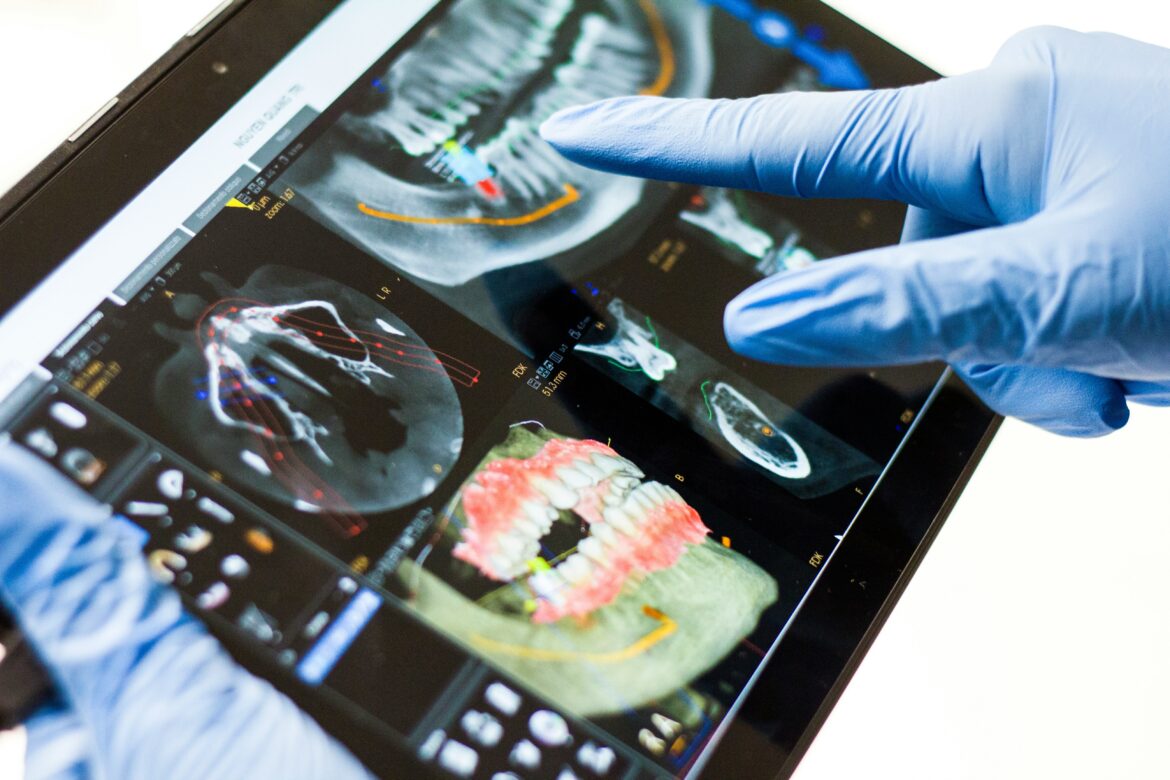
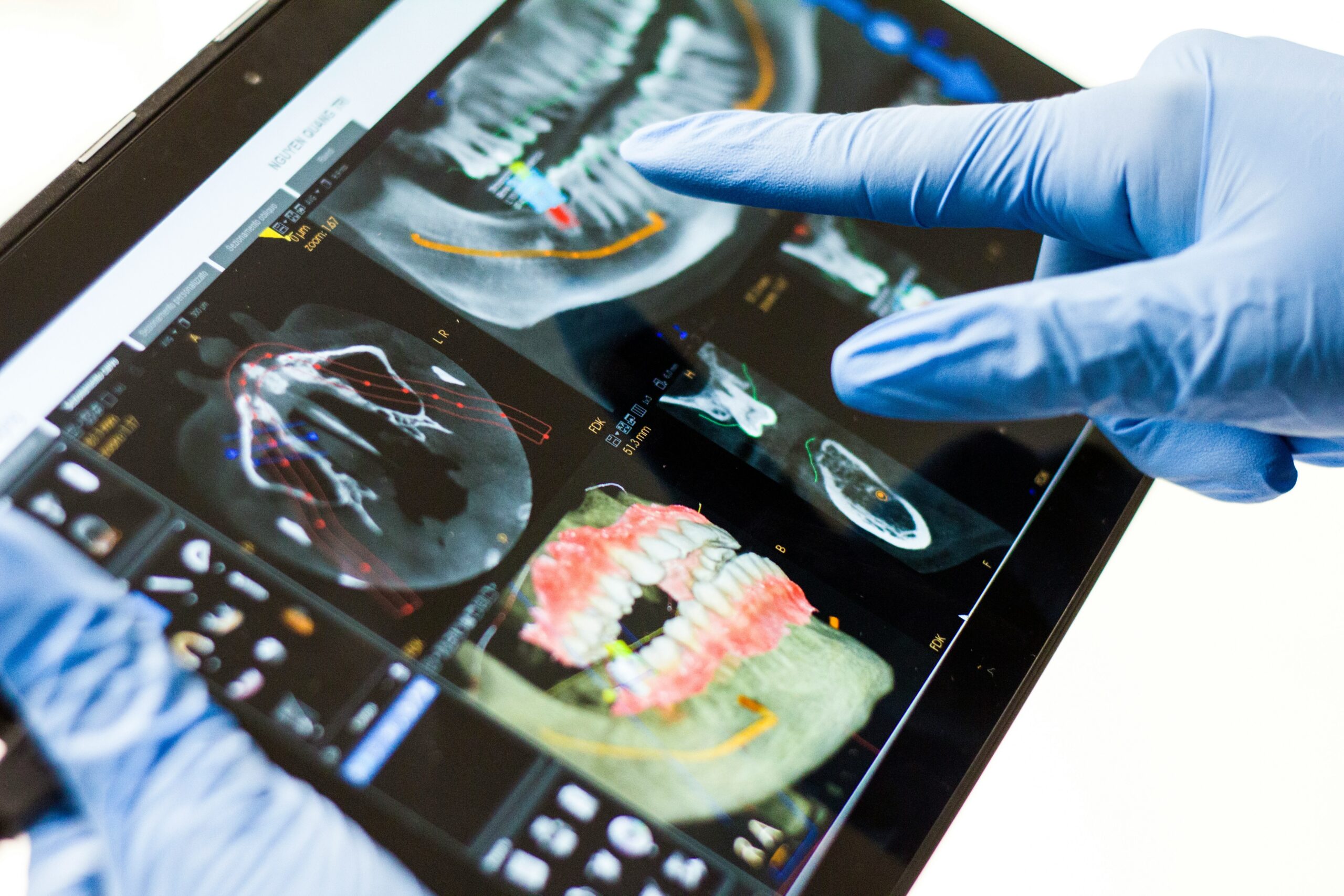
Severe pulpitis, acute oral injury and sudden dental emergencies provoke extensive physiologic reactions that go far beyond localized tooth pain. Dental emergencies can happen at any given time and when they do, you need to seek immediate dental care from an emergency dentist who will be able to treat the root of the problem. Places like the Markham Smile Centre can help you intervene quickly when you have an acute dental problem and preserve not only the structure of your teeth but also the delicate neuromuscular balance in the craniofacial area.
If not controlled, dental pain stimulates the trigeminal nerve pathway rapidly, inducing immediate protective reflexes in the head and neck. The jaw changes its natural movement patterns in response to sudden structural damage such as a fractured molar or an acute abscess to avoid painful tooth contact. This antalgic posture changes the normal chewing mechanics and exerts severe asymmetrical stress on the masseter, temporalis and pterygoid muscles.
Trigeminal Nociception and Muscle Protective Splinting
The trigeminal nerve supplies sensation to the teeth, the jaw joint and the soft tissues around it. It also has motor fibres that innervate the major muscles of mastication. Severe pain signals traveling along these nerve pathways activate a reflex mechanism known as protective muscle splinting. The brainstem sends signals to the masticatory muscles to contract continuously. The jaw becomes effectively immobilized to prevent further damage to the tissue.
Protective splinting is a temporary protective mechanism, but prolonged isometric muscle contractions obstruct blood flow to a great extent, resulting in local hypoxia and accumulation of metabolic waste products. In masseter and temporalis muscles, muscle fibers develop hyperirritable trigger points. These active trigger points often refer deep throbbing pain to the forehead, ears and cervical spine which adds to the clinical picture and increases the distress of the patient.
Occlusal trauma and temporomandibular joint dislocations
The high spots on the chewing surface or premature loss of the tooth are often caused by accidental dental trauma or sudden tooth fractures. When teeth do not bite evenly together the temporomandibular joint condyles move from their centered position in the glenoid fossa during closure. This joint displacement elongates the delicate capsular ligaments and creates a continuous spasm of the lateral pterygoid muscle in its attempt to stabilize the articular disc.
Emergency dental treatment quickly restores correct tooth contours and stabilizes the occlusal contact points before the establishment of permanent joint dysfunction. Follow-up occlusal adjustment usually falls to a general practice — an Alpharetta dentist, or whoever is local to the patient — since bite refinement often needs several visits after the emergency has been settled.
If the changed bite is not timely corrected, an acute joint strain from trauma can transform into a chronic temporomandibular joint dysfunction with constant joint clicking, limited mouth opening, and chronic myofascial pain.
Myofascial Rehabilitation and Neuromuscular Recovery
After an emergency dentist has eliminated acute infection or structural tooth damage, the hyperactive masticatory muscles require targeted care to return to their normal resting tone. Even after the initial tooth pain has subsided, residual muscle tightness, joint stiffness and secondary cervical tension often remain.
Effective practices for rehabilitation after an emergency include:
Targeted Trigger Point Compression: Gentle, static finger pressure on hypertonic spots in the masseter deactivates painful trigger points and restores normal tissue elasticity.
Controlled Openings: Slow, straight line jaw opening while maintaining tongue contact with the roof of the mouth, retrains the symmetrical condylar tracking.
Warm Hydrotherapy: Use moist, warm compresses on the cheek and temple areas to increase local circulation, flushing metabolic waste from the area and relaxing tight muscle fibers.
Ergonomic Head Alignment: Preventing forward-head postures prevents constant tension on suboccipital and hyoid muscles, allowing the lower jaw to relax into its true resting position.
Urgent dental stabilization and mindful neuromuscular recovery allow for complete healing. Prompt intervention protects the hard tooth structures, eliminates severe pain and prevents the progression of acute dental trauma to long-term myofascial pain syndromes.
Written by Milos Radakovic