 Your shoulders creep toward your ears. Your neck? Stiff as rock. And your back? It aches. Just like every day at your desk. Poor posture strains your neck and shoulder muscles. Especially when you’re hunched for hours.
Stress makes that soreness worse. When you’re anxious, your body tightens its muscles. That’s a natural fight-or-flight response. That tension sticks around. Even after a stressful moment. It could even trigger tension headaches.
The best way to ease the discomfort? Care for both your body and your mental health. Here’s how to start.
Stretch Neck Muscles Gently
Gentle stretching eases stiffness. It lets muscles move comfortably. Start with a side stretch. Sit upright. Tilt your ear toward your shoulder. Hold for about 20 seconds. Then, switch sides. Keep your shoulders relaxed. Don’t yank your head or force the stretch. A gentle pull is enough.
You can also slowly turn your head to look over each shoulder. Move only as far as it’s comfortable. Repeat this throughout the day. Especially on stressful ones. Regular stretching lets you maintain comfortable neck movement. It eases that stiff, wound-up feeling. You know, the one you always feel when things get hectic at work.
Breathe with Your Diaphragm
 Stress makes your breathing shallow. That means more movement in the upper chest and neck. The muscles there work harder. Just to help you breathe. It adds to existing tension.
Diaphragmatic breathing draws air deeper into your lungs. It helps you relax. It also reduces unnecessary effort from the muscles around your neck and shoulders.
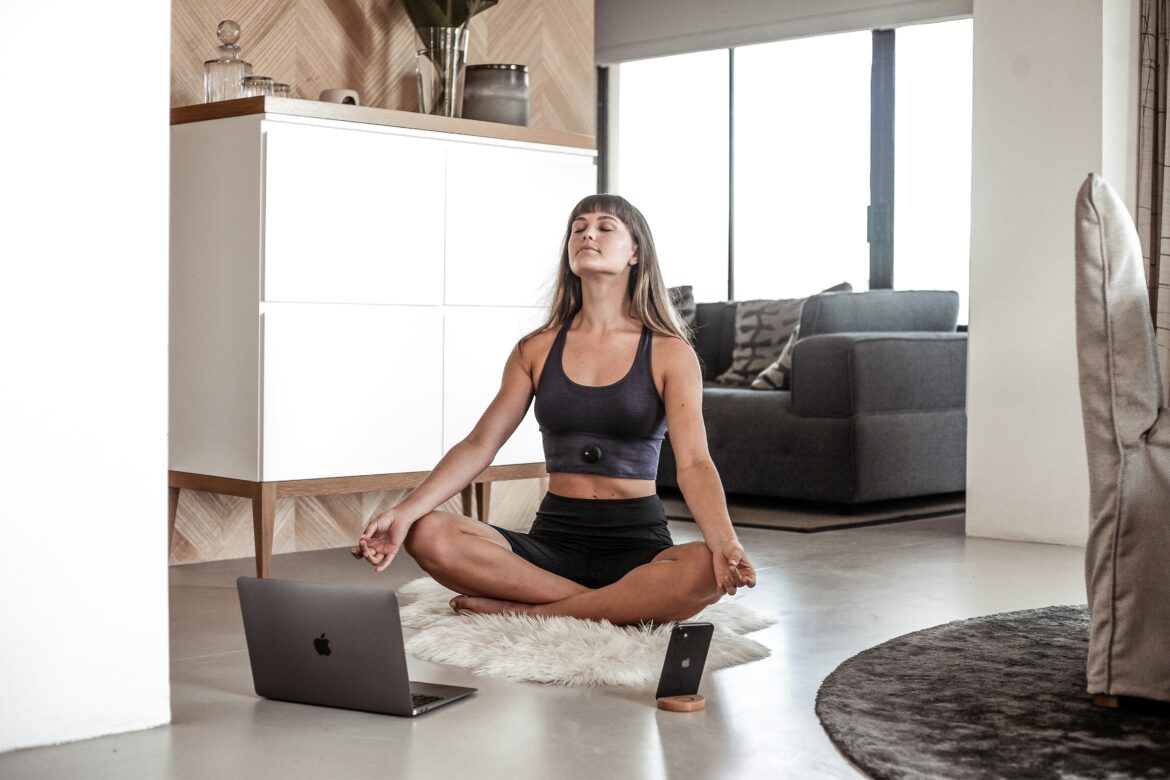
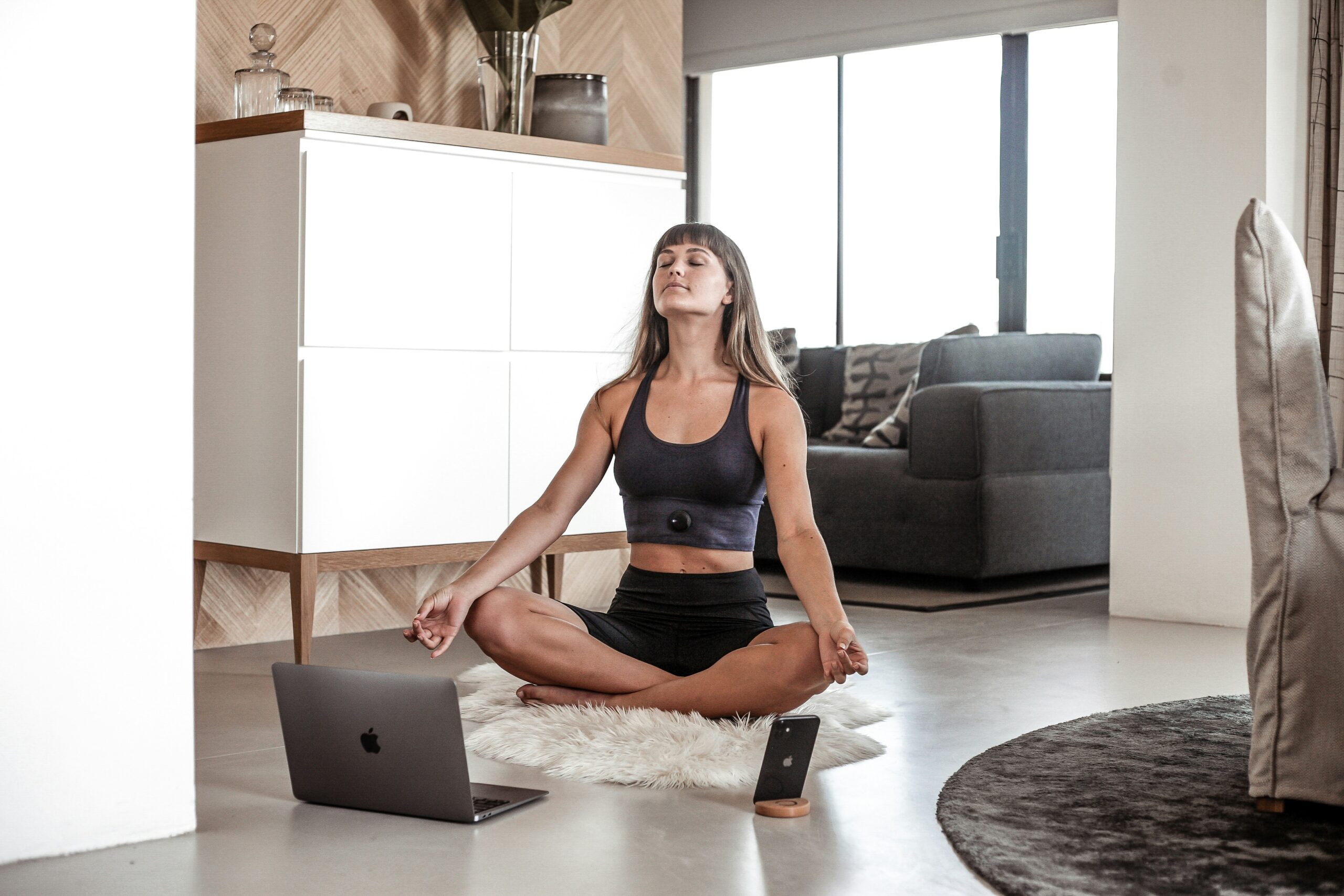
Try it while sitting comfortably. Or while lying on your back. Place one hand on your chest. Put the other on your belly. Breathe in gently through your nose. Let your belly rise. Then, exhale slowly. Allow your tummy to fall. This technique helps you feel calmer while easing the urge to brace your upper body.
Take Movement Breaks
Staying in one position for too long fatigues your muscles. It leaves your shoulders stiff. Movement breaks give those muscles a chance to change positions. You get to recover from sustained loading.
Set a reminder to stand up every half-hour. Walk around your office for a minute. Roll your shoulders gently. Then, turn your head from side to side. Choose comfortable movements. These breaks help interrupt long periods of static posture. It also gives your body and mind a welcome reset. That’s a must when you’re extra stressed.
Improve Your Desk Setup
You don’t have to dramatically stretch your neck just to read a screen. A monitor that’s too low forces you to bend your head down. A chair that doesn’t support your back? That leaves you slouching. Adjusting your workspace can improve your posture. It also makes the usually stressful work area more relaxing and comfy.
Place your monitor directly in front of you. Make sure the top is near eye level. Keep your elbows close. Put your feet flat on the floor. Adjust your chair so your shoulders can relax while you type. Consider a keyboard and laptop stand. Your neck will appreciate having fewer reasons to crane forward.
Strengthen Your Upper Back

Do your shoulders round forward after a hectic day? If so, your upper-back muscles may need more support. These muscles help control your shoulder blades. They guide your arms during everyday movements. Building their strength can improve your ability to maintain comfortable positions. Even on stressful days. Strength training doesn’t erase stress-related tension. But it helps the body cope.
Add back exercises to your gym routine. Resistance-band rows are good. Pull the band toward your ribs while keeping your elbows at your sides. You can also try wall angels. Stand against a wall. Then, slowly slide your arms upward. Gradually add resistance as the moves become easier. Stronger upper-back muscles support shoulder control. With a strong back, you’ll feel more relaxed. Even on the longest workdays.
Lower Stress and Anxiety with Professional Support
Chronic stress and anxiety leave muscles tense for a long time. They keep your body on high alert. Your muscles stay tight. Stretching eases the soreness. But addressing the emotional strain is crucial. It’s the only way you can release pent-up emotional tension that manifests in your physical health. A mental health professional can help you understand your triggers.
Struggling with anxiety? Look for outpatient programs near you. If you live in central Delaware, consider anxiety treatment in Milford, Delaware. Look for a provider with an approach that works for you. Cognitive behavioral therapy might help you work on anxious thoughts and stress responses. The right support lets you manage anxiety effectively. When your thoughts relax, your tense muscles can calm down, too.
Conclusion
Your neck and shoulders deserve a break. They carry the weight of stressful days. Release tension with the tips above. See how your body responds. Regular movement can ease discomfort. So does better stress management. Let your shoulders come down from your ears. They’ve had a busy enough day already.
Written treshasmith.innovativelinks@gmail.com