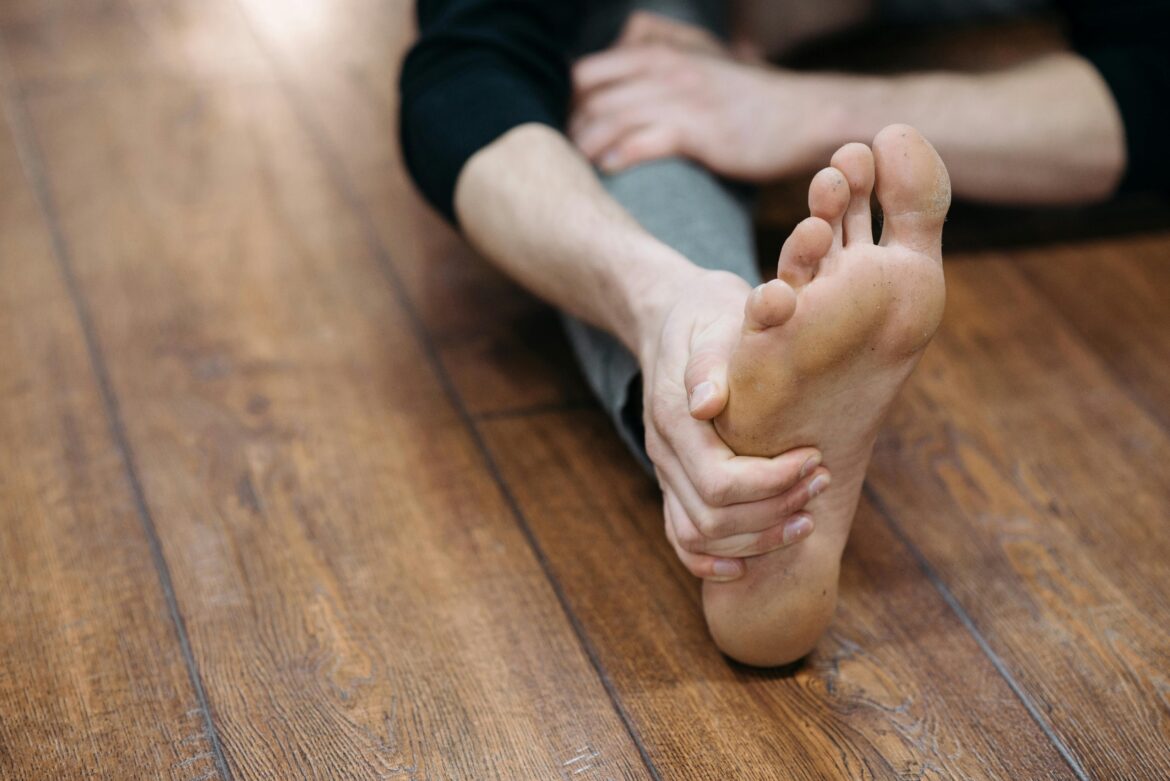
An active pain-free life? Sounds impossible until the problems with joints or foot occur. Diseases such as plantar fasciitis and osteoarthritis can seriously interfere in your everyday activities and workouts. However, today medicine offers some quite effective measures to prevent and overcome these conditions. So, below you will find out what musculoskeletal issues exist nowadays and how to cope with them properly.
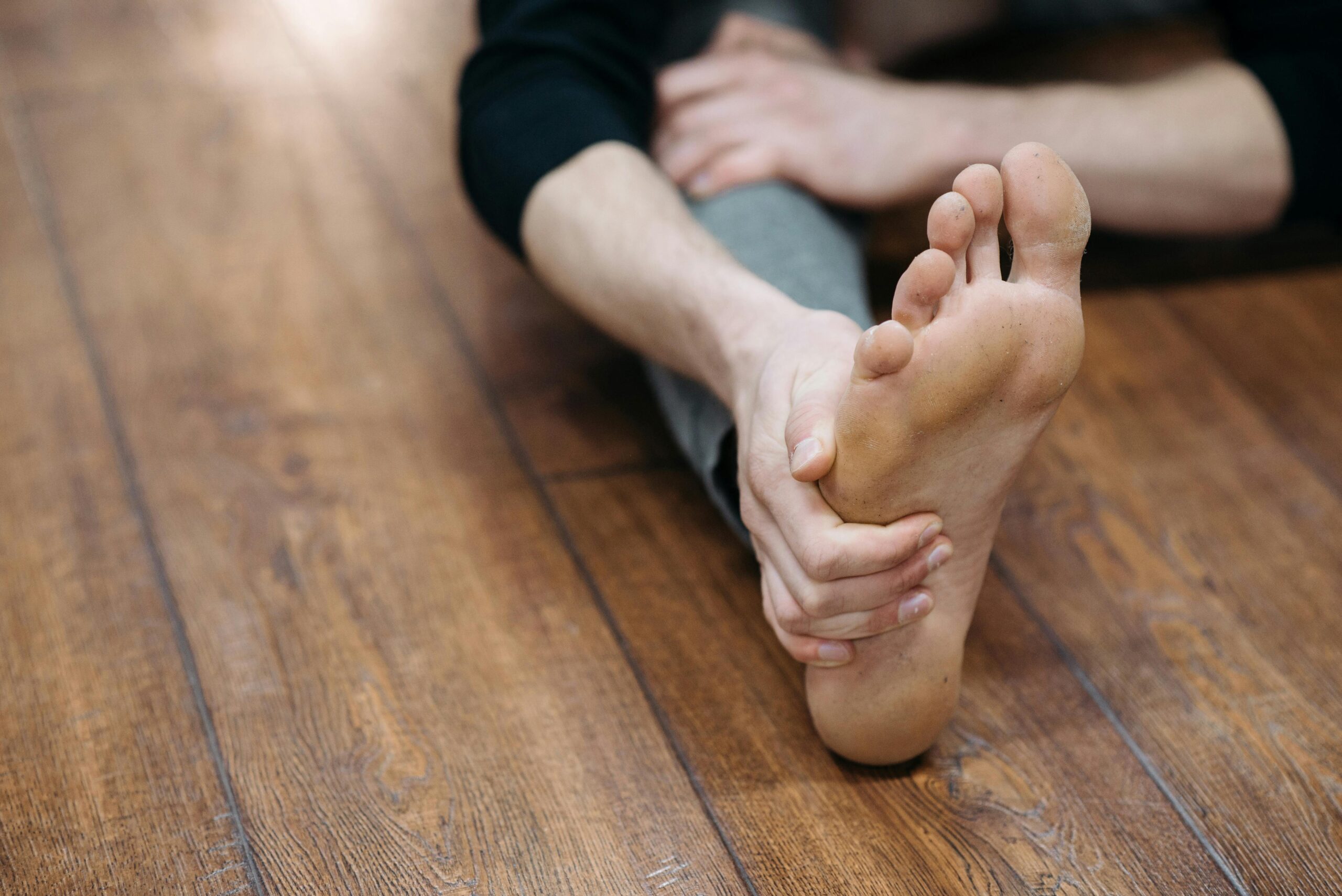 Understanding Plantar Fasciitis: What Causes Heel Pain?
Among the main causes of heel pain, there is one condition known as plantar fasciitis. This condition affects many patients who run regularly or spend the whole day standing on their feet and people suffering from biomechanical problems. The plantar fascia is a band of tissue stretched from your heel bone to the toes. The irritation or inflammation of this structure causes sharp pains mostly in the morning or after sitting for a while..
Treatment Options for Plantar Fasciitis
In case of appearing the symptoms of plantar fasciitis, applying the right strategies may help you to overcome this problem successfully. Below, you will find useful recommendations of physiotherapists and foot health specialists.
- 1. Stretching and Strengthening Exercises: Tight calves and foot muscles can place additional strain on the plantar fascia. A tailored exercise plan, such as those provided by specialists at treatment options for plantar fasciitis, focuses on gentle stretches and strength work to support the foot’s arch and reduce tension.
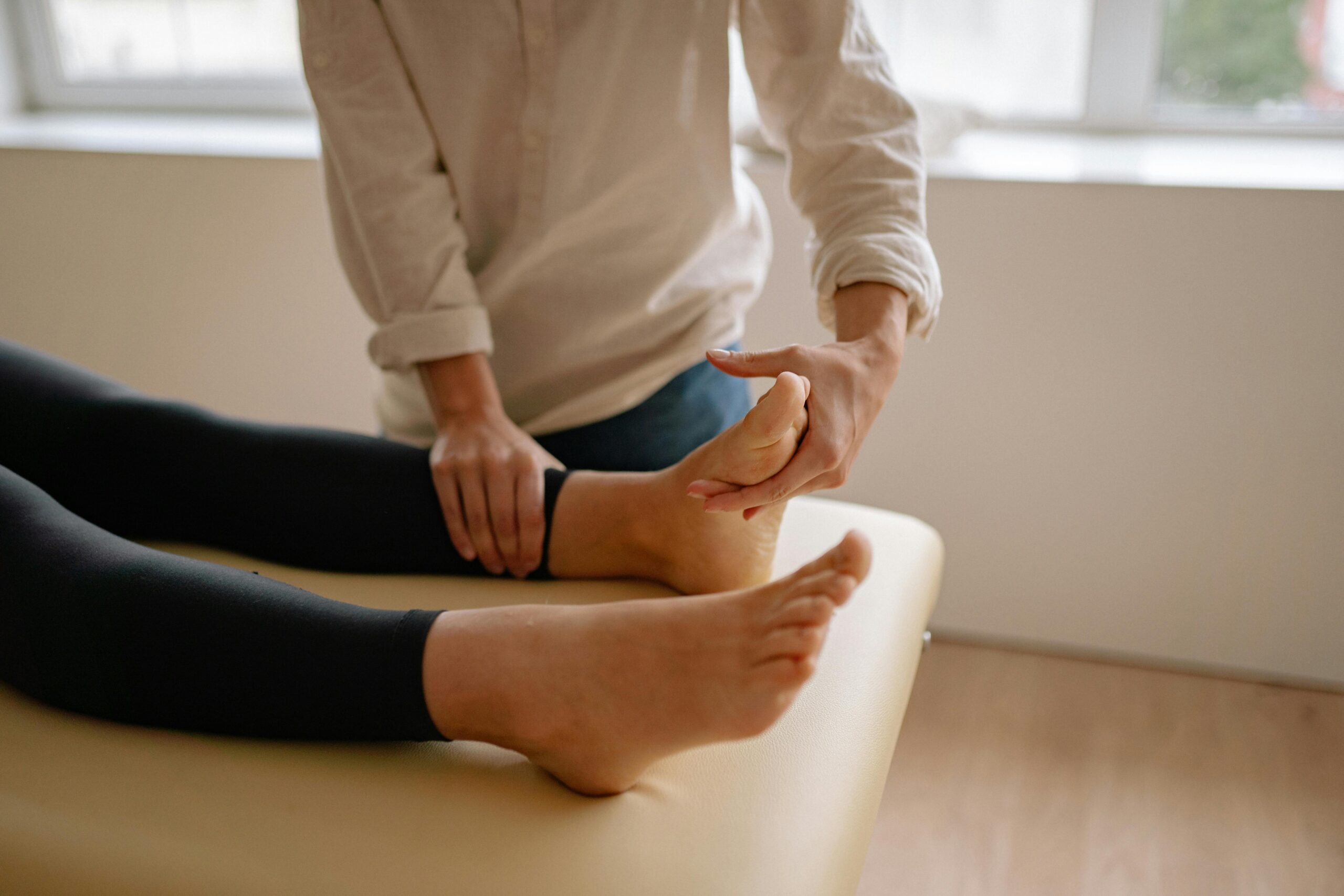
- 2. Manual Therapy: Myofascial massage and joint mobilization will increase circulation, decrease stiffness, and alleviate pain in your heels and arches.
- 3. Orthotic Support: Orthotic inserts are used to reinforce the arch of your foot and ensure the even weight distribution across the arch of your feet.
- 4. Night Splints: Applying this tool at night will help you to maintain the stretch during sleep and reduce morning pain.
- 5. Activity Modification: You should temporarily avoid any activities that overload joints. In order to stay physically fit, try using low-impact exercises such as walking, cycling, and swimming.
- 6. Education and Footwear Advice: Learning the role of proper footwear in foot mechanics is extremely important. The right shoes will guarantee additional support and cushioning necessary to minimize pain in your feet.
When to Seek Professional Help
In case your heel pain persists despite all your efforts to relieve it, it is time to turn to a professional. A physiotherapist can identify the factors that lead to plantar fasciitis development such as biomechanical imbalance or excessive joint loading. For patients whose symptoms have not responded to self-management, dedicated plantar fasciitis treatment from a specialist podiatry practice offers a structured clinical pathway that addresses the root biomechanical cause rather than managing symptoms alone. Prompt treatment will not only eliminate pain but also prevent developing a chronic condition.
Osteoarthritis: A Common Joint Challenge
Although plantar fasciitis affects mainly foot structures, osteoarthritis develops primarily in joints bearing the body weight including knees, hips, and spine. Osteoarthritis (OA) is a degenerative condition in which the degradation of cartilage takes place, causing pain, stiffness, swelling, and restriction of motion. Unlike inflammatory diseases, OA develops slowly because of joint wear-and-tear, genetic predisposition, previous injury, and biomechanical problems.
Joint‑Friendly Therapy for Arthritis Care
Managing osteoarthritis involves protecting joint integrity while improving function. Physical therapy and lifestyle modifications are cornerstones of long‑term OA care. Many patients find relief and improved quality of life through joint‑friendly therapy for arthritis care, such as programs offered at joint-friendly therapy for arthritis care.
Here’s a closer look at why these therapies are effective:
- 1. Low‑Impact Exercise: Swimming, walking, and stationary cycling are examples of low-impact physical activities that do not overload your joints. Besides, regular training will help to stimulate the blood flow and supply of nutrients into the cartilage to minimize stiffness.
- 2. Strength and Stability Training: By applying exercises aimed at reinforcing muscles surrounding your affected joints, you will increase your stability and balance. Physiotherapists will develop an exercise program designed specifically for your hips, knees, and lower back with minimum discomfort.
- 3. Range‑of‑Motion Work: Myofascial releases, deep-tissue massages, and joint mobilizations are used to relax the tightened structures and improve circulation in your lower extremities. As a result, pain, stiffness, and inflammation are significantly decreased.
- 4. Pain Reduction Techniques: Therapists may use modalities such as heat therapy, cold packs, ultrasound, and electrical stimulation to reduce pain and inflammation around arthritic joints.
- 5. Education and Adaptive Strategies: Learning how to modify daily tasks and use assistive devices when needed empowers individuals to remain active and independent despite joint challenges.
When to Consider Medical or Surgical Options
When conservative treatment does not bring sufficient results, the patient may be advised to undergo an examination by a specialist to identify other potential treatments. In cases of plantar fasciitis, injections of corticosteroids or even shockwave therapy may be considered. In case of advanced osteoarthritis, joint injections or even arthroscopy can become an option.
Nevertheless, most patients find their pain subsiding thanks to therapy and lifestyle modification. If applied correctly, this approach yields excellent results, which explains why many people opt for it.
Conclusion: Empowering Movement and Wellness
Pain does not have to limit your activities. Both conditions under discussion are very manageable as long as one knows how to deal with them. While plantar fasciitis usually occurs after long-distance walking or running, osteoarthritis appears with advancing age, resulting in joint stiffness. No matter which disorder you suffer from, starting your treatment plan, which should include exercise, flexibility training, and proper education, will make your life easier and healthier.
Do not hesitate to contact clinics that specialize in treating your conditions and find the right professionals to help you achieve your objectives. Stronger movement and healthy joints mean a healthier and more active life.
Written by Abdullah Adenwala