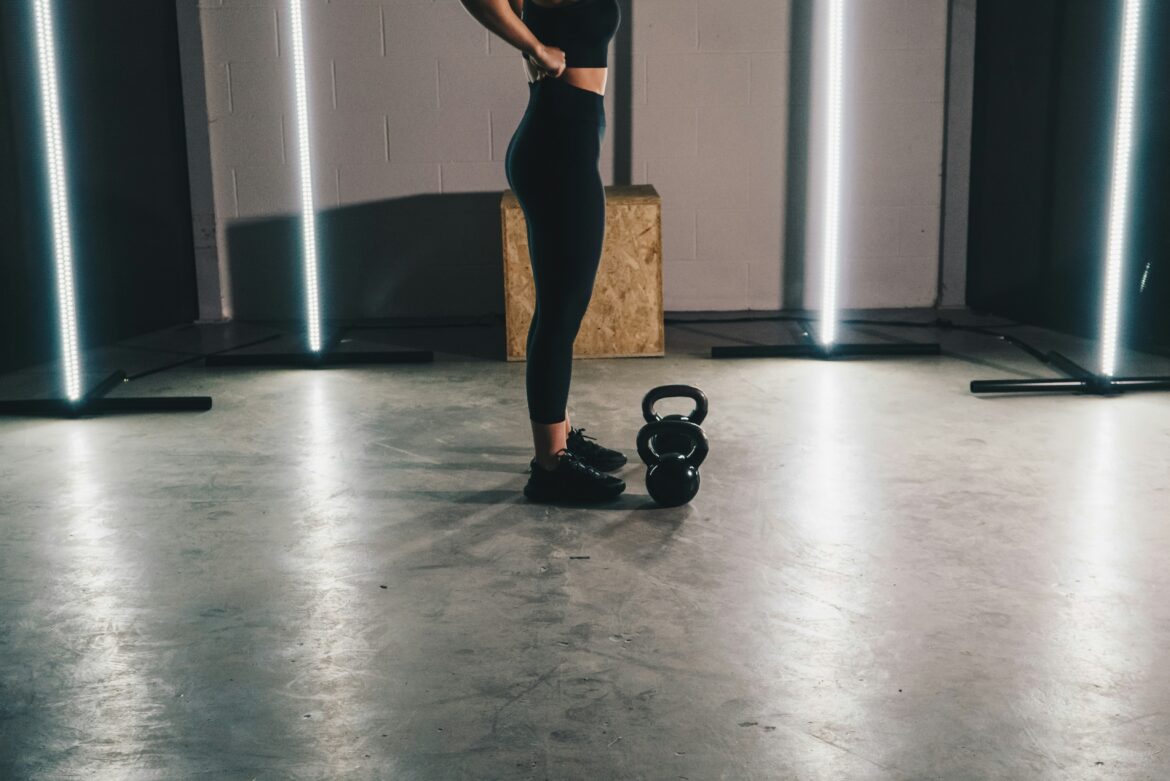
The shape and appearance of the glutes are influenced by several factors that go far beyond exercise alone. Many people researching body contouring and enhancement options often consult a BBL doctor in fort lauderdale to better understand how muscle anatomy, fat placement, and inherited traits affect the overall look of the lower body and what cosmetic procedures may realistically achieve. While fitness routines can strengthen and tone the gluteal muscles, natural body structure still plays a major role in determining shape, symmetry, and proportions.

The Role of Glute Muscle Structure
The gluteal region is composed of three primary muscles: the gluteus maximus, gluteus medius, and gluteus minimus. Each muscle contributes differently to the shape, projection, and movement of the hips and lower body. The gluteus maximus is the largest muscle and is largely responsible for overall fullness and contour.
Muscle insertions and pelvic structure vary from person to person, which means glute shape naturally differs even among individuals with similar fitness levels. Some people develop a rounder appearance with training, while others may notice more width or a flatter contour. These differences are often connected to anatomy rather than workout intensity alone.
Exercise can increase muscle size and improve firmness, but it cannot completely change skeletal structure or natural proportions. Squats, lunges, and resistance training can strengthen the muscles, yet the final appearance still depends on how the body is naturally built. This is why two people following the same fitness plan may achieve very different visual results.
The length of the hip bones and the positioning of the pelvis also influence how the glutes sit on the body. A wider pelvis may create a fuller silhouette, while a narrower frame can produce a more athletic shape. These structural characteristics are typically inherited and remain consistent throughout adulthood.
How Fat Distribution Changes Glute Appearance
The Influence of Genetics on Body Shape
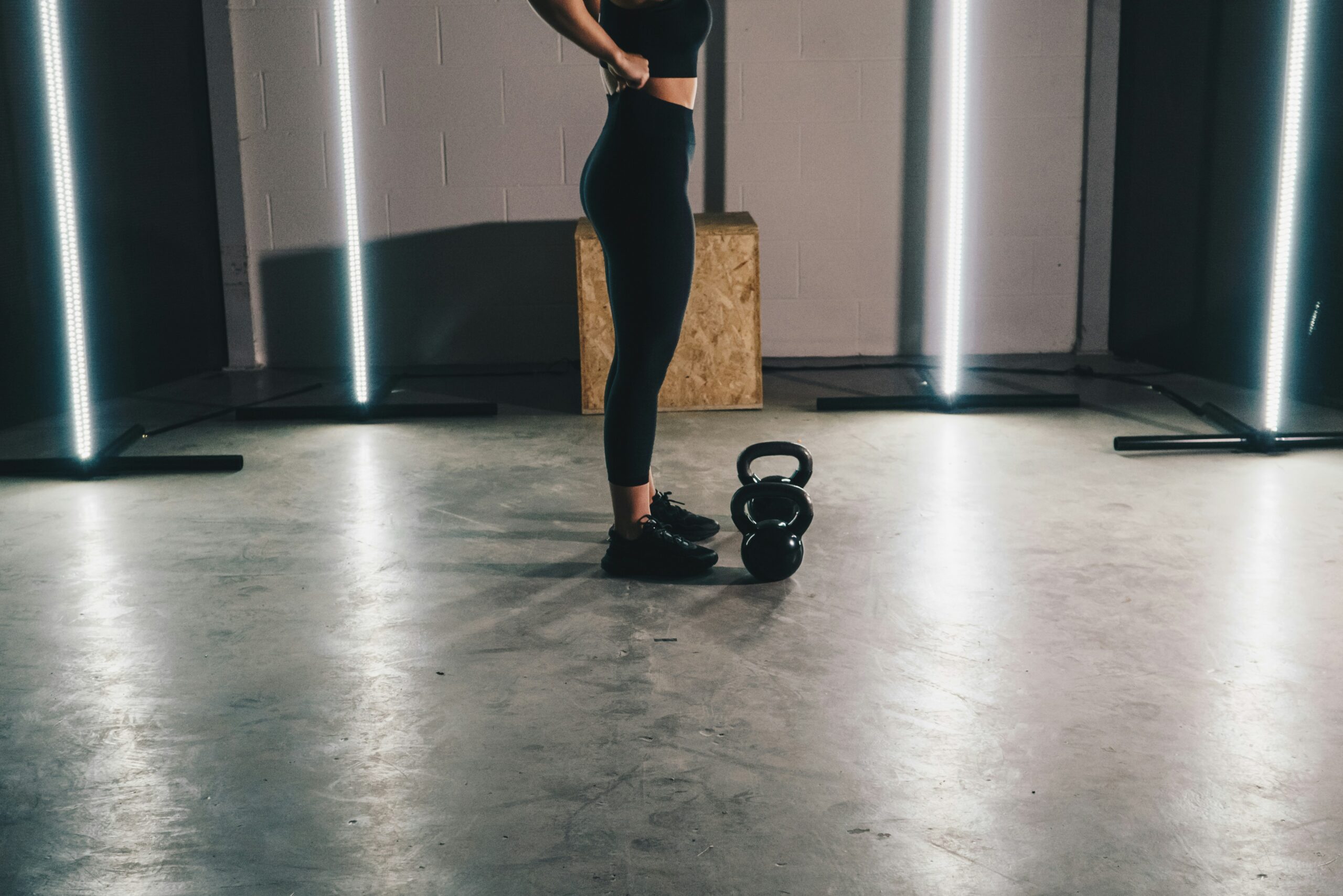
Genetics can also affect a person’s physical characteristics, including the shape of their bones, muscle growth, fat storage and overall body shape. This means that people are naturally born with different physical traits that cannot be changed. For example, some people are naturally more rounded in the lower body than others, while others may have a more lean or rectangular silhouette. This is all based off of the person’s genes and can be seen in many families.
A person’s ability to build muscle is also influenced by genetics. Some people will add muscle in a short amount of time when participating in a resistance training program, while others may not see as much of an increase in muscle in their body even when following the same workout routine. The reasons for these differences include the type of muscle fibers a person has, their hormone levels, and their metabolism. Additionally, genetics can determine the extent to which which the fat in your buttocks appears as outlines on your skin, the elasticity of your skin, and the density of your tissues. This means that two people could have the same body fat percentage and muscle mass in their buttocks, but one could have firmer glutes than the other, and the other could have looser skin that sags and appears to have fewer contours.
Genetics play a large role in the shape and form of a person’s body, and one must recognize this when searching for ways to enhance one’s appearance. The appearance of a person’s body is determined by a multitude of factors including, but not limited to, fat distribution, skin elasticity, muscle development, and more. All individuals have different muscle fiber makeups, which greatly affects how the body will look when developed. Some individuals will have more muscle mass in the glutes, hips, and/or thighs than others, regardless of their training or body composition. While there are various treatments and training methods available to help enhance the glutes and improve their appearance, none can change a person’s overall body shape. These treatments and training methods can improve the muscles in the glutes and help the glutes look better with more fat, but in the end, they cannot change a person’s natural body shape. Therefore, it is extremely important to recognize the role of genetics in a person’s body and to have realistic expectations when searching for ways to improve the appearance of one’s body.
Why Personal Goals and Anatomy Matter
One must remember that there is no typical or ideal glute shape. What one may perceive as a perfect or great glute, others may see differently. People have different goals when trying to enhance their natural physical attributes. These goals can be to look more athletic, to have more volume, greater definition, more shapeliness to the lower body, etc. These goals are typically dependent on several factors that consist of one’s lifestyle, current trends in the media, and how one currently perceives themselves.
In terms of the shape of the lower body, when considering the best approach between a Fitness Program and/or Cosmetic Treatments, it is essential to have a clear understanding of what to expect. In order to achieve the very best results, it is vital that a healthy and balanced way of life is adopted. This includes a sound diet and regular exercise under the guidance of an experienced personal trainer/Fitness Professional and/or Doctor. However, it is also extremely important not to attempt to attain the body of another individual as everyone’s body is unique and has its very own characteristics and limitations. With this in mind, it is recommended that an individual seeks the advice of an experienced Doctor or Plastic Surgeon who will be able to recommend the most suitable and realistic treatments available to achieve their desired results.
For individuals of larger body frames, there is typically more fat to remove from the areas that have been contouring. Therefore, more procedures may be required to achieve the optimal results that a patient is desiring. It is best to understand what can be done with your body and what kind of results a patient can expect prior to undergoing a procedure. Each body is unique and body contouring is intended to enhance the results of natural anatomy, not to create an entirely new body. It is wise to speak with a qualified and experienced surgeon to discuss your body type and the results that can be achieved based off of your desired results.

Lastly, there is a lot of conversation around body image today, and for good reason. The awareness of the many different body types that exist and what is healthy for any given body is very important. Hopefully this will lead to more realistic expectations for what one can look like, and lead to a more confident and healthy body image, as opposed to striving to meet the standards of an unrealistic “perfect” body that is portrayed on social media. The shape and form of the glutes can be greatly affected by many different factors including the muscles, fat and other anatomy of the individual. In general, physical activity and a healthy diet can cause the muscles and fat to change in shape and form but the end result is generally determined by the individual’s anatomy. Understand the factors that determine your natural physical attributes in order to make healthy, informed decisions in regards to your body.
Written by lisa@blogoutreach.co.uk