General orthopedic assessment testing includes three assessment techniques, two types of range of motion (ROM) assessment and manual resistance assessment.
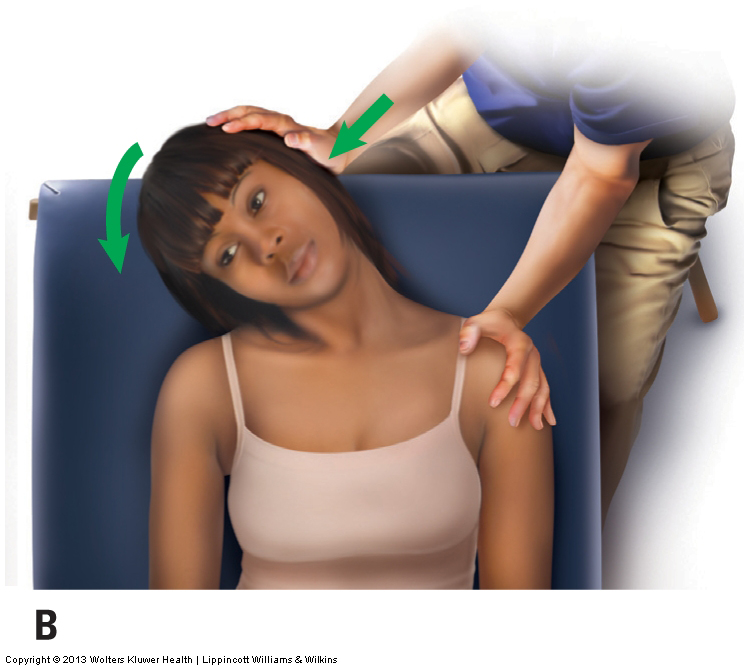

General orthopedic assessment testing includes three assessment techniques, two types of range of motion (ROM) assessment and manual resistance assessment.
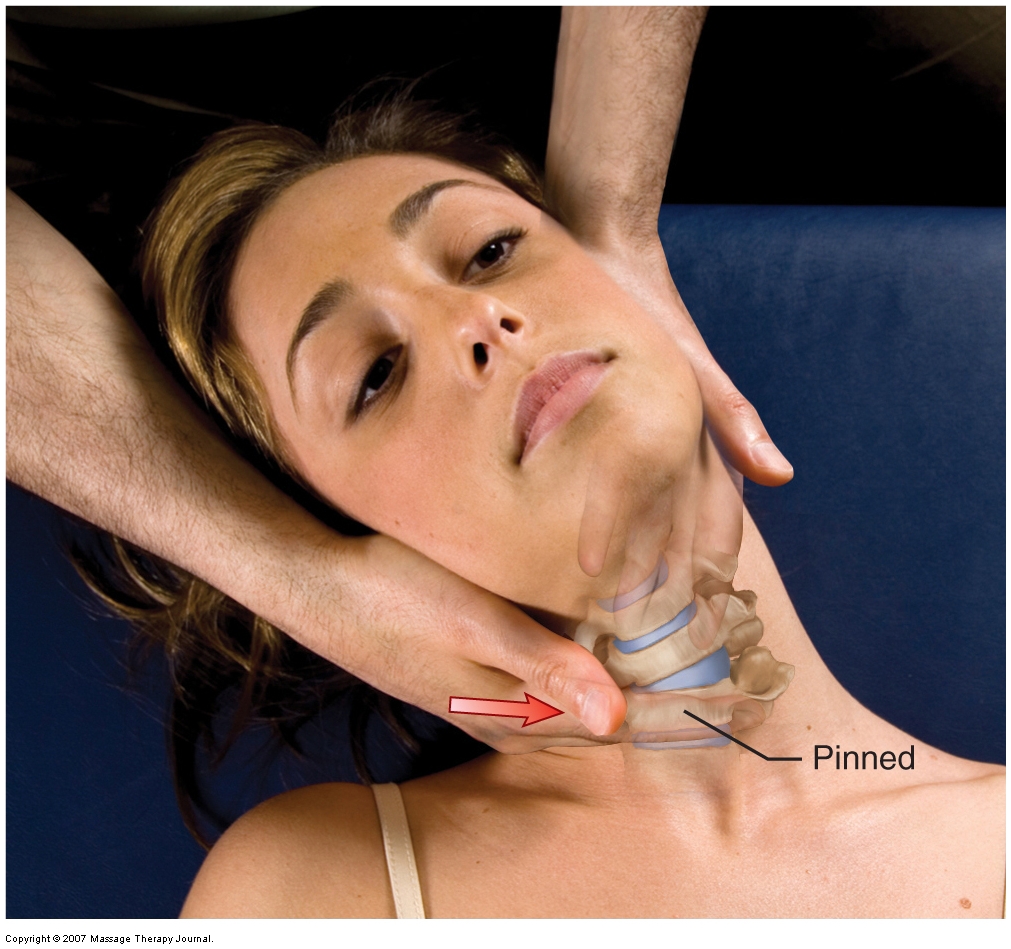
If a physical examination assessment test creates signs/symptoms of the condition, it is positive and the therapist knows that tissue is unhealthy.
The health history should be done before the physical assessment exam because it helps reveal the regions that need to be assessed during the physical exam.
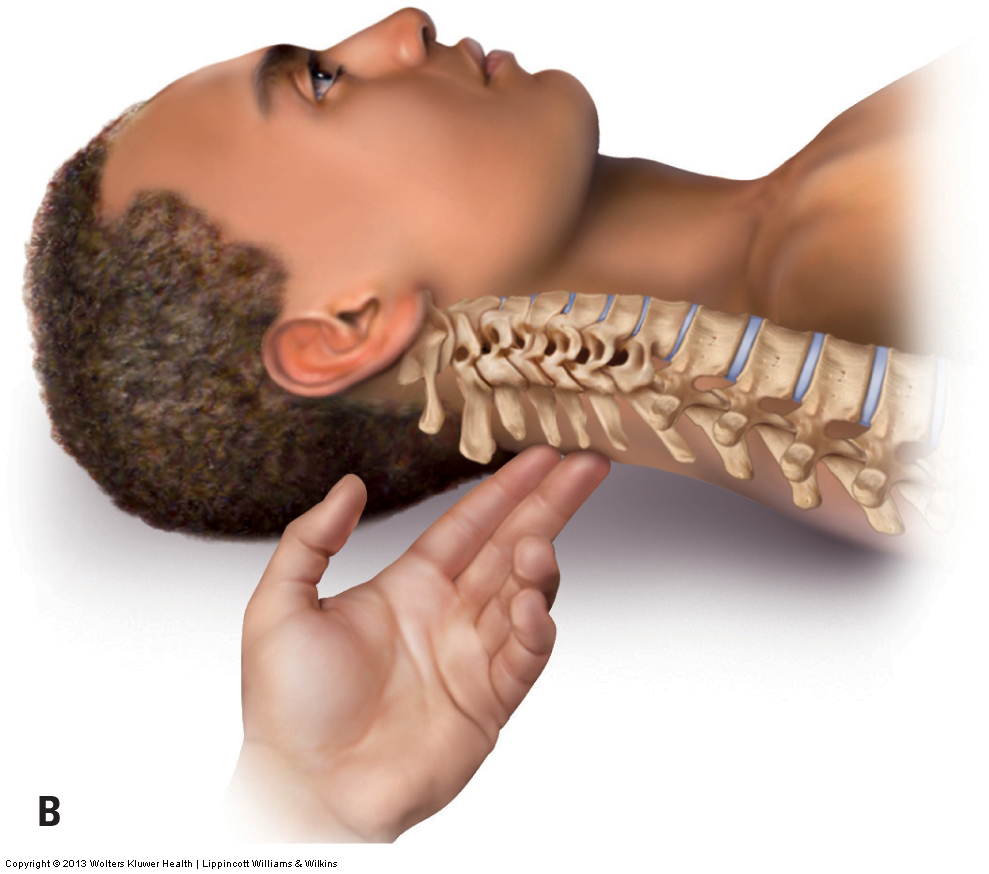
Before treatment can be given, it is necessary to have a clear understanding of the mechanism behind the musculoskeletal pathologic condition.
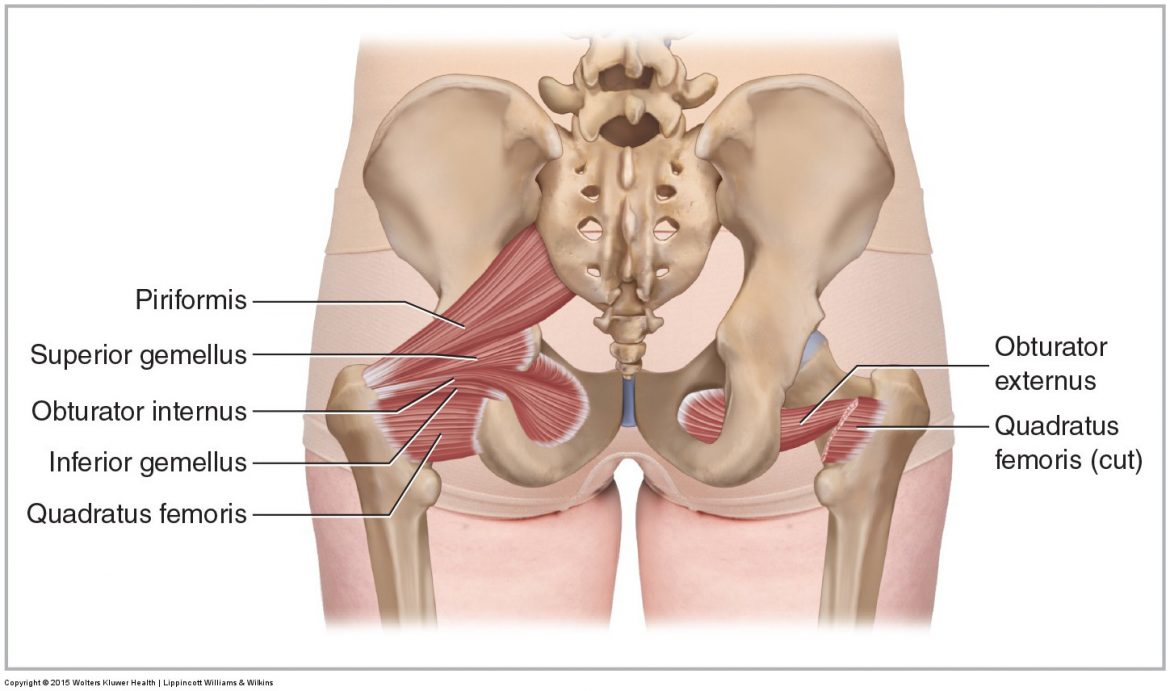
Sometimes it is an unusual suspect, a less well-known muscle, that is the underlying cause of our client’s pain and dysfunction pattern.
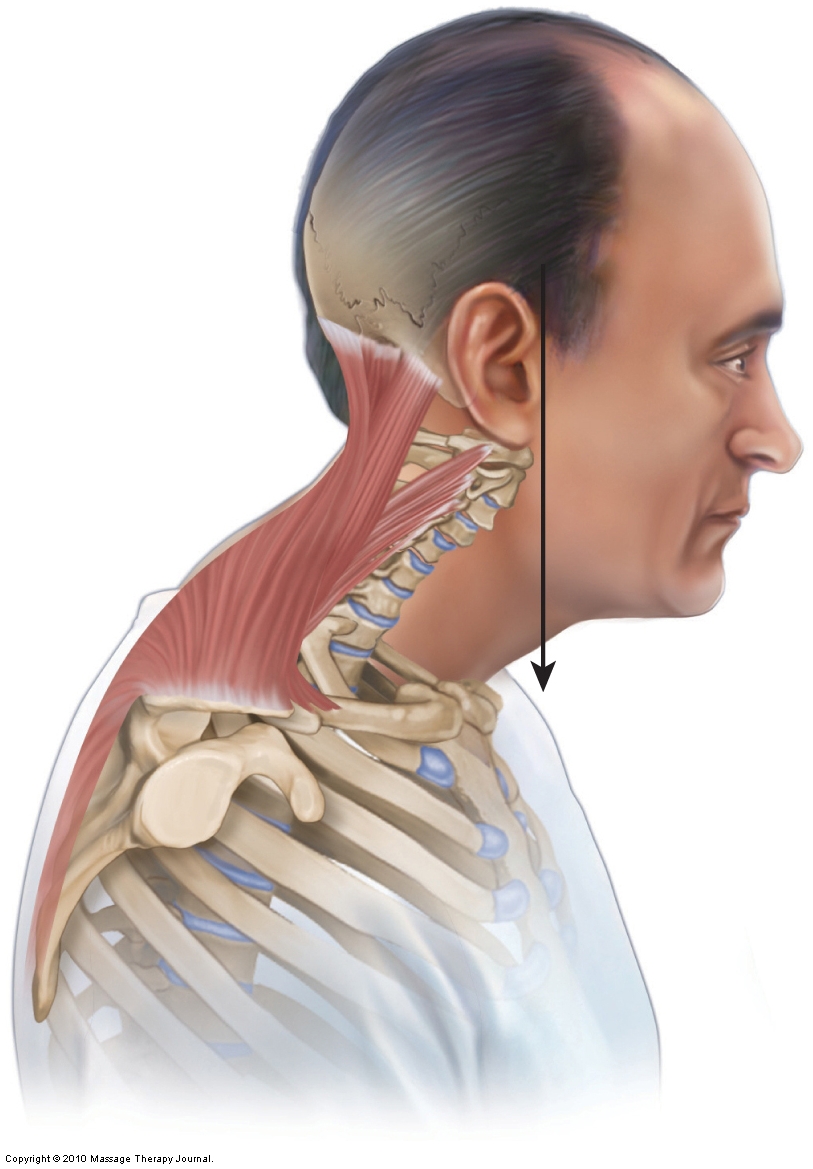
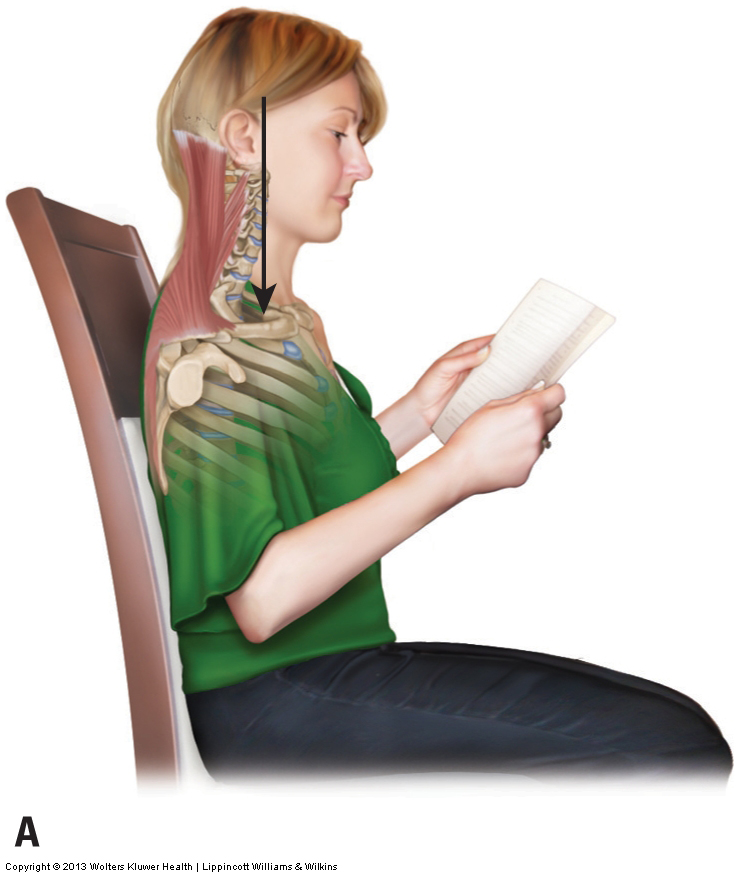
Forward head posture is extremely common, especially as we age. It is part of a larger posture dysfunctional pattern known as upper crossed syndrome.
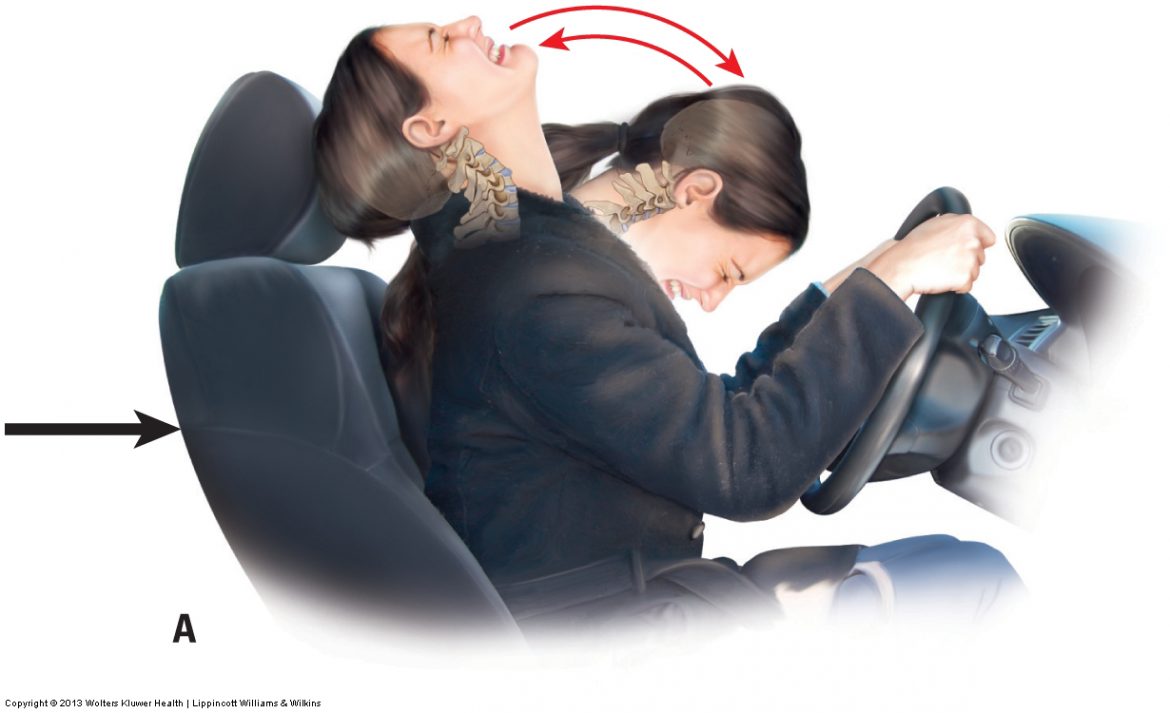
A whiplash is named for the characteristic whiplike motion of the person’s head/neck during a car accident, usually resulting in strain/sprain of the neck.
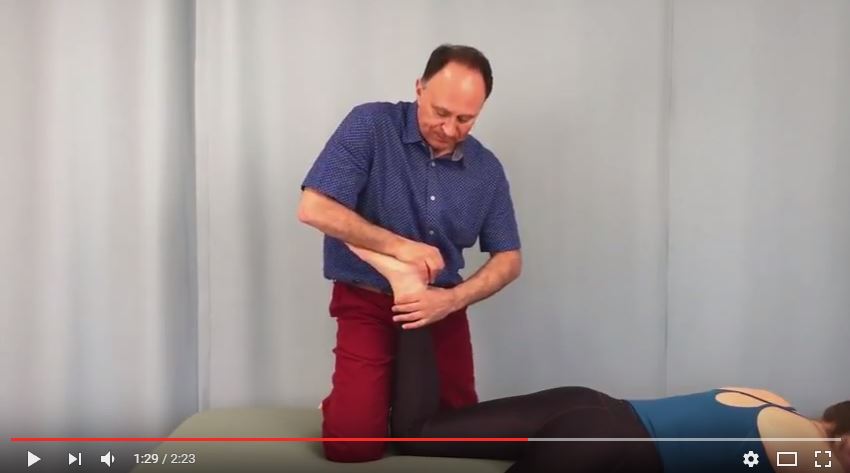
When palpating a muscle and adding resistance to its contraction, never cross a joint that does not need to be crossed or other muscles will also contract.
For manual therapy care to be successful, client communication is extremely important. This video explores who to effectively communicate with the client.

Proper posture isn’t just about standing up straight. You also need to monitor your posture while sitting and lying down.
