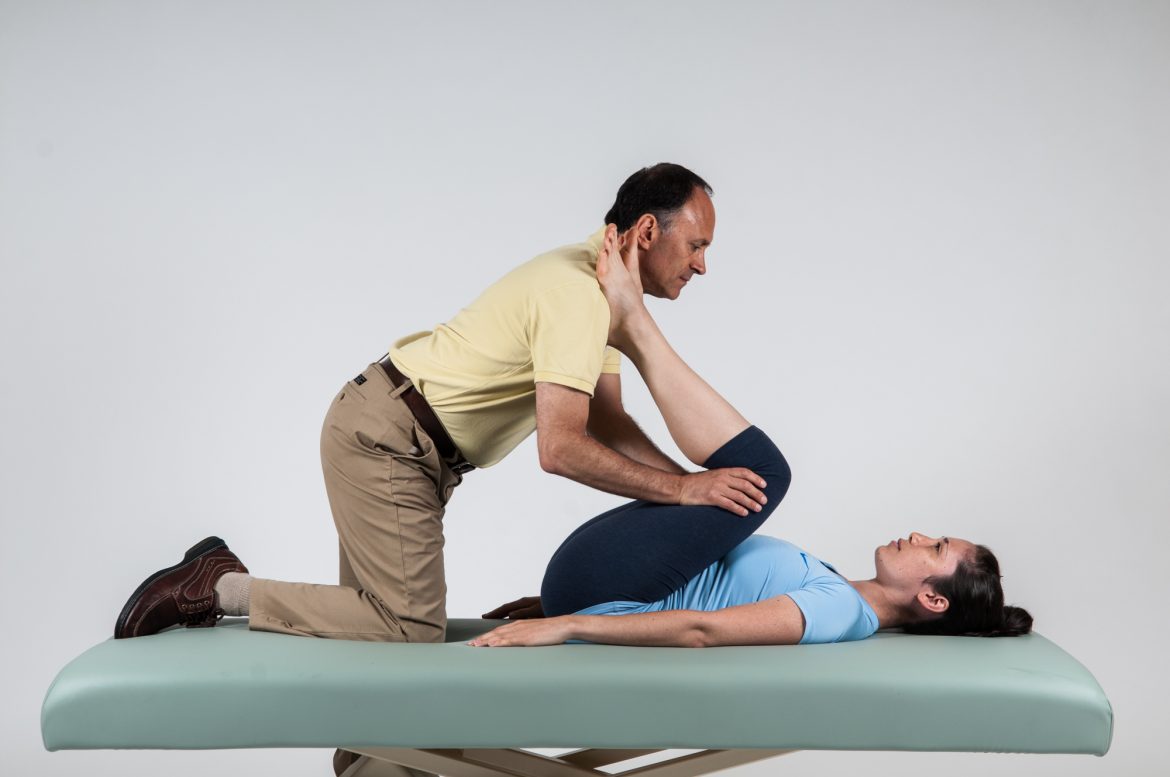
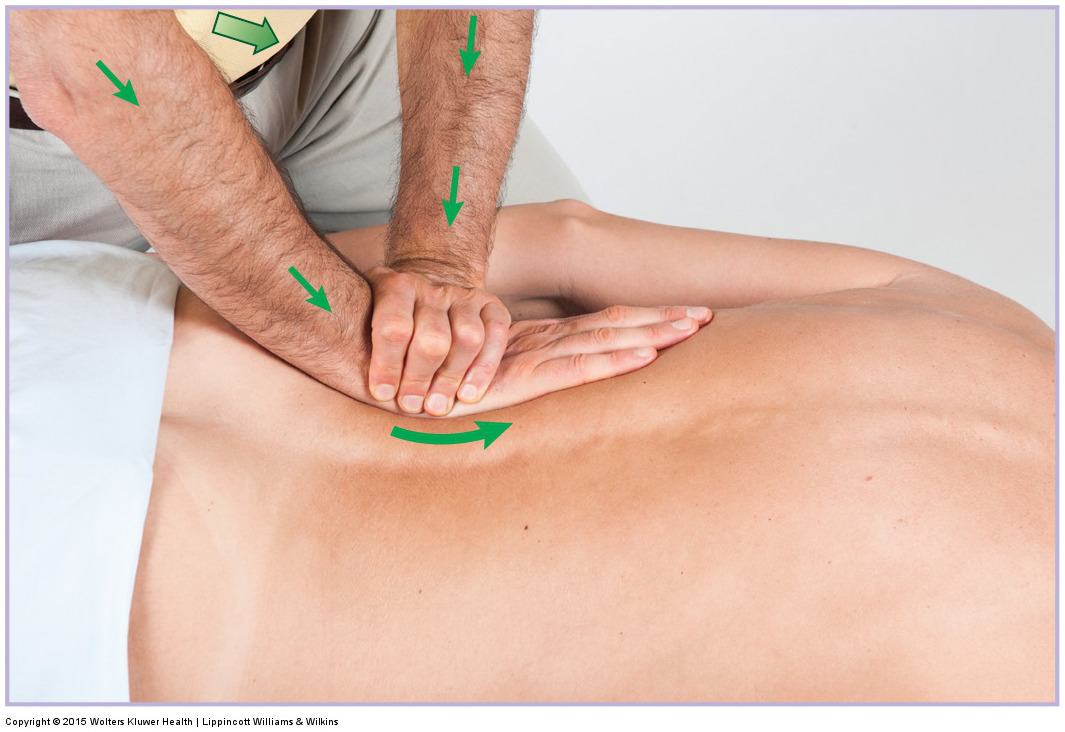
If consistent manual therapy care is given, including heat, massage, and stretching, lower crossed syndrome responds very well to treatment.

Below you'll find a list of all posts that have been tagged as “facet syndrome”
If consistent manual therapy care is given, including heat, massage, and stretching, lower crossed syndrome responds very well to treatment.
Case Study: Kori is a 30-year-old store clerk. Her low back has been tight for as long as she can remember, but she never had any pain until recently.
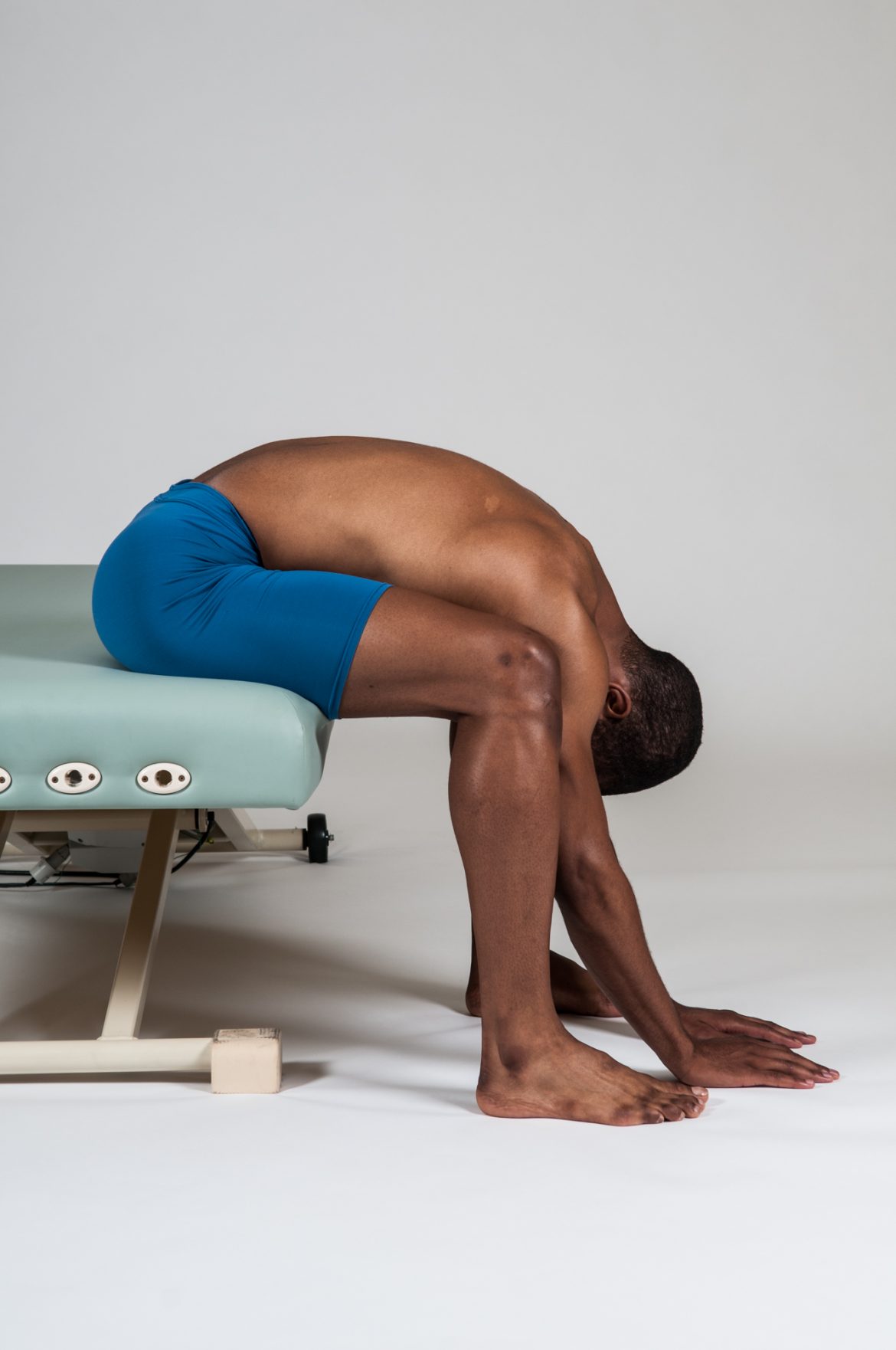
For the client with lower crossed syndrome, it is also important to recommend moist heat followed by stretching of the low back and hip flexor musculature.
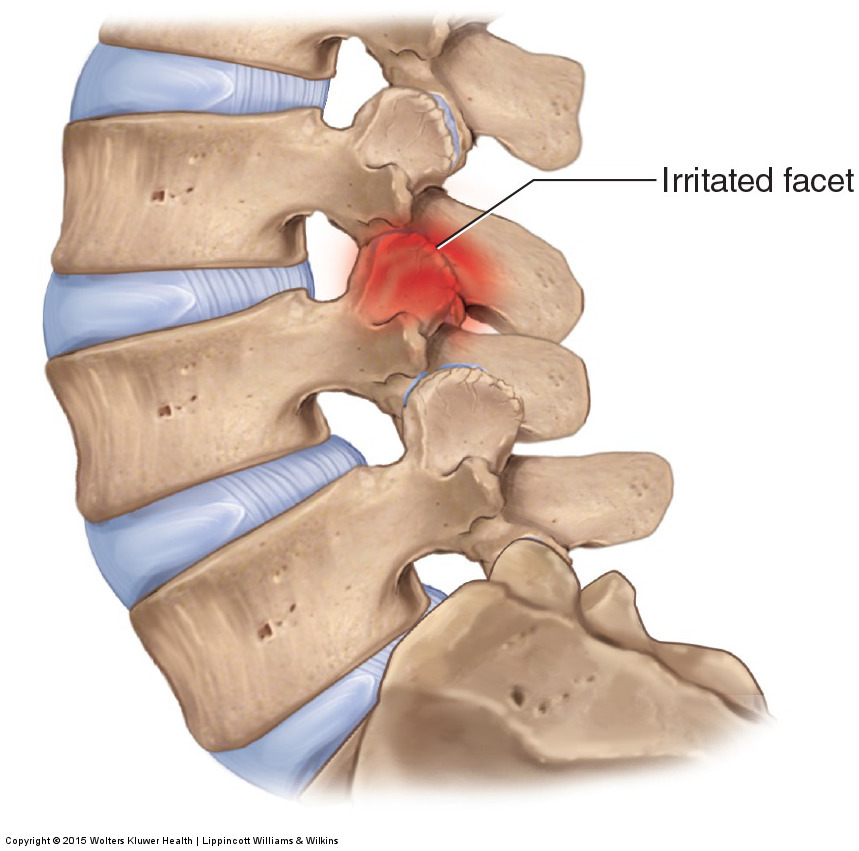
Facet syndrome is a condition in which the facet joints of the spine (usually lumbar spine) are overloaded and become irritated, inflamed, and painful.
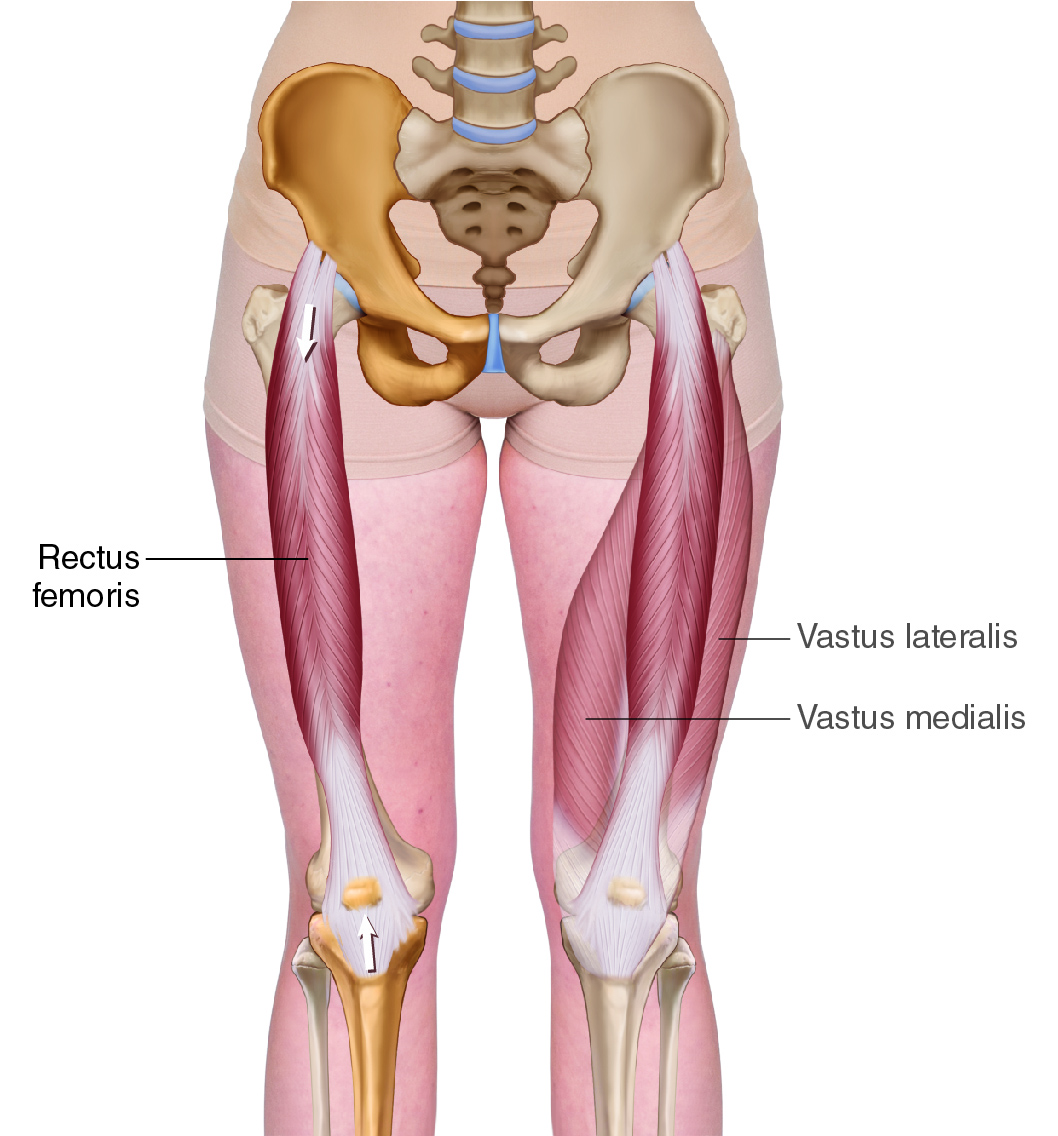
As a hip flexor, it is an extremely important muscle, both functionally and dysfunctionally. When tight, its pull is exerted in closed-chain function with anterior tilt of the pelvis; excessive anterior tilt can then create excessive lumbar lordosis (a postural distortion pattern known as lower crossed syndrome), which often predisposes toward low back pain.
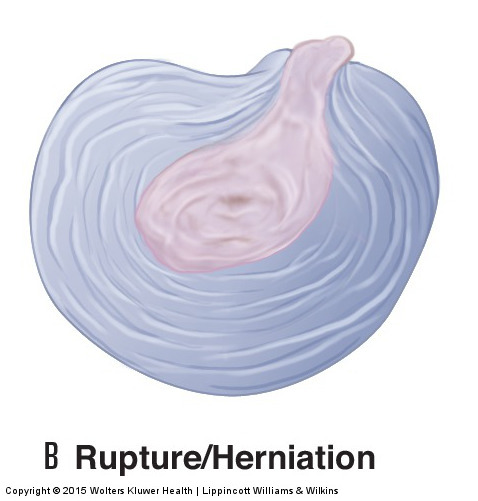
The following is a brief overview that links the low back condition with its corresponding assessment procedure and its corresponding treatment.
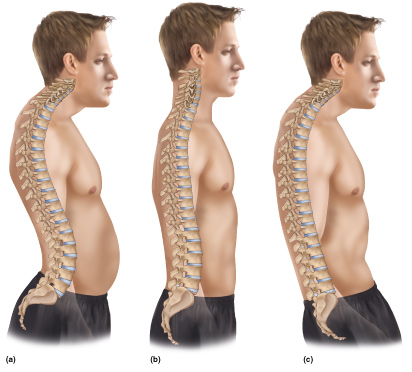
Assessment of lower crossed syndrome is made by the characteristic postural dysfunction of increased anterior pelvic tilt with hyperlordotic lumbar spine.
