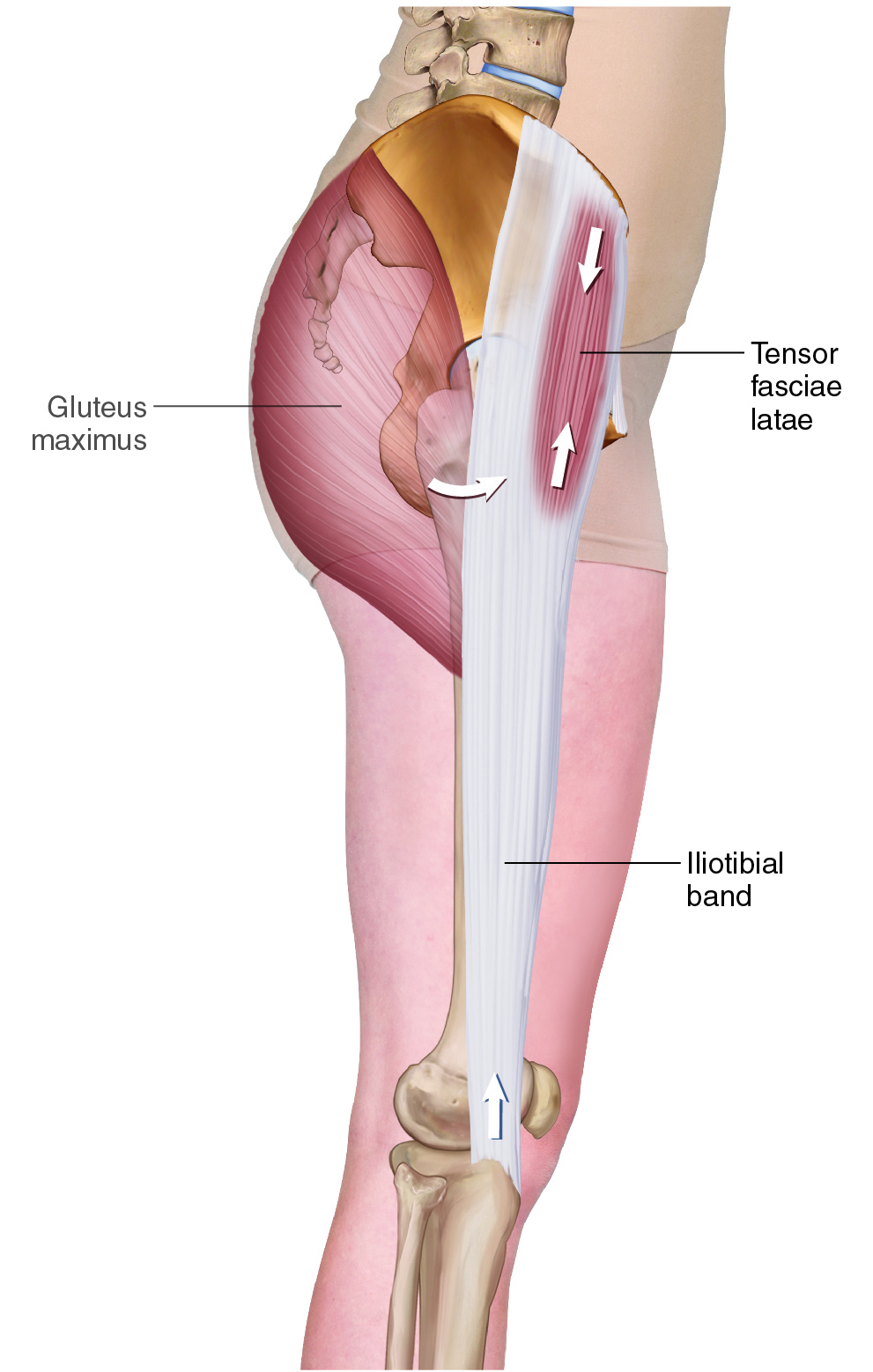
The tensor fasciae latae (TFL) is a hip flexor that is commonly tight, and strongly linked to lower crossed syndrome, and is a key target for massage and stretching.

Below you'll find a list of all posts that have been tagged as “Muscolino”
The tensor fasciae latae (TFL) is a hip flexor that is commonly tight, and strongly linked to lower crossed syndrome, and is a key target for massage and stretching.
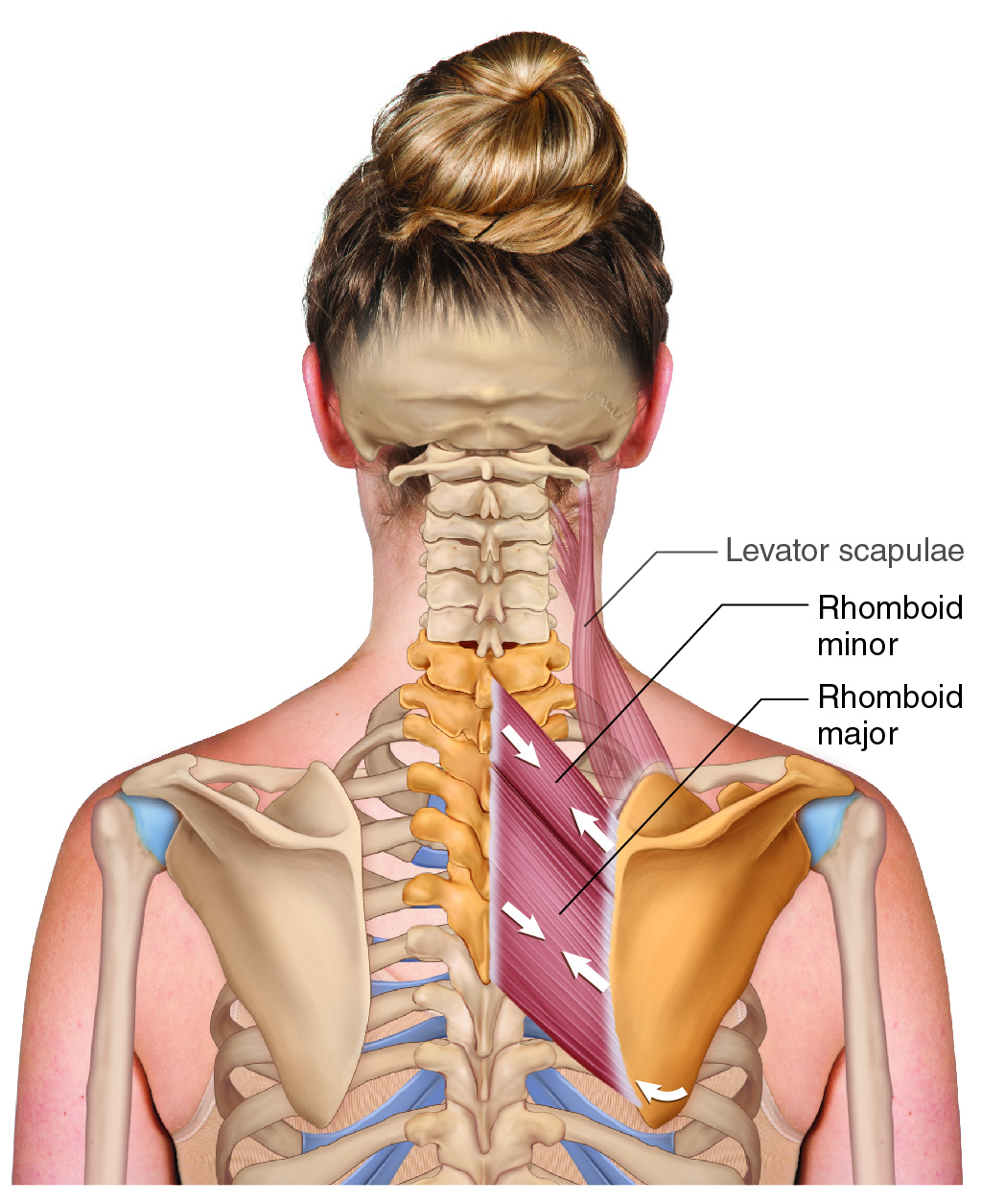
The rhomboids are unusually important to be assessed and appropriately treated because of their involvement in what is likely the most common postural distortion pattern in the human body, upper crossed syndrome.
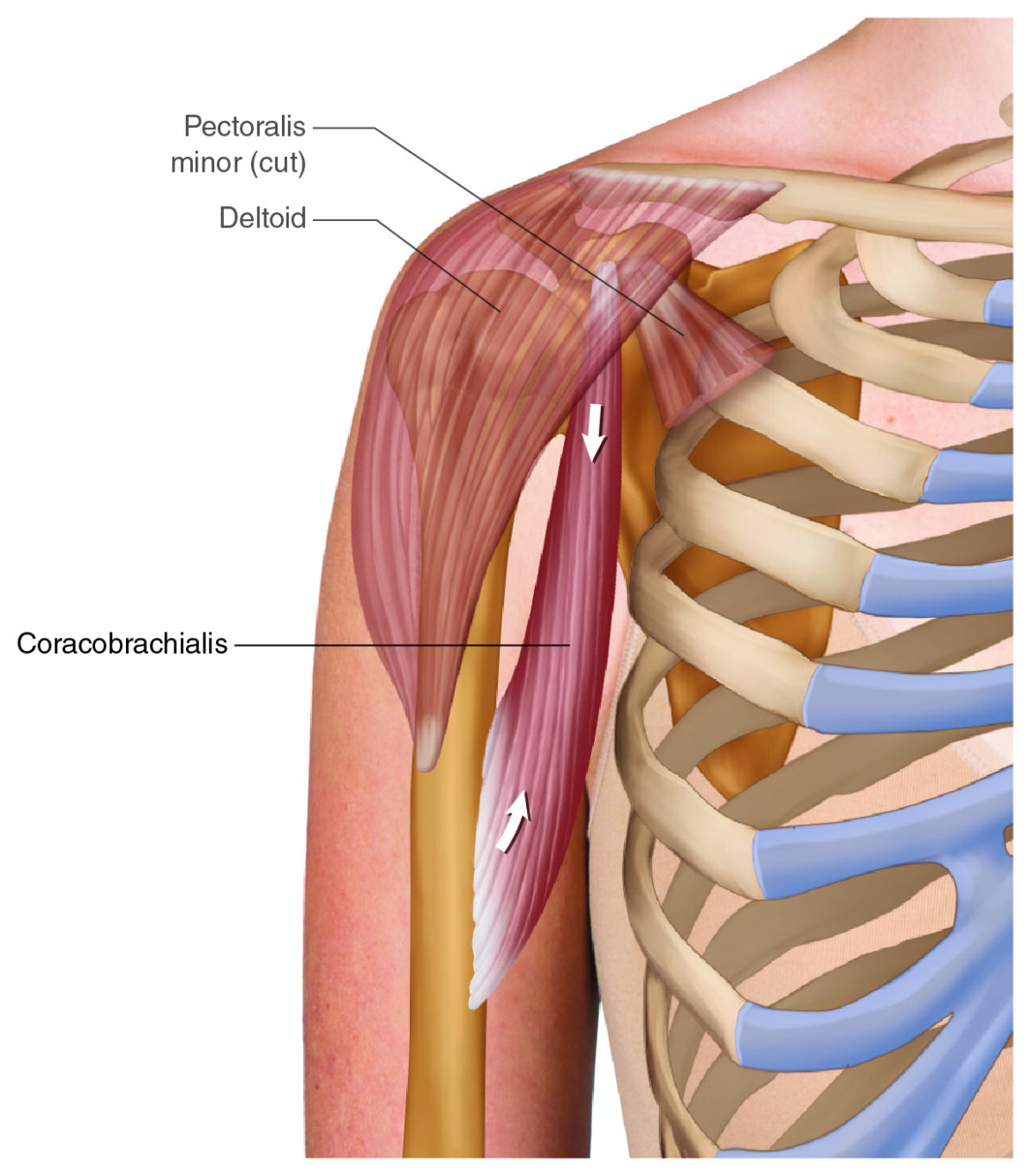
The coracobrachialis is a muscle in the anterior compartment of the upper arm. It originates on the coracoid process of the scapula and inserts on the medial shaft of the humerus. It performs flexion and adduction at the glenohumeral joint and serves as a key teaching muscle for core kinesiology concepts including open-chain vs. closed-chain movement, cardinal-plane vs. oblique-plane motion, and anatomic vs. non-anatomic actions.
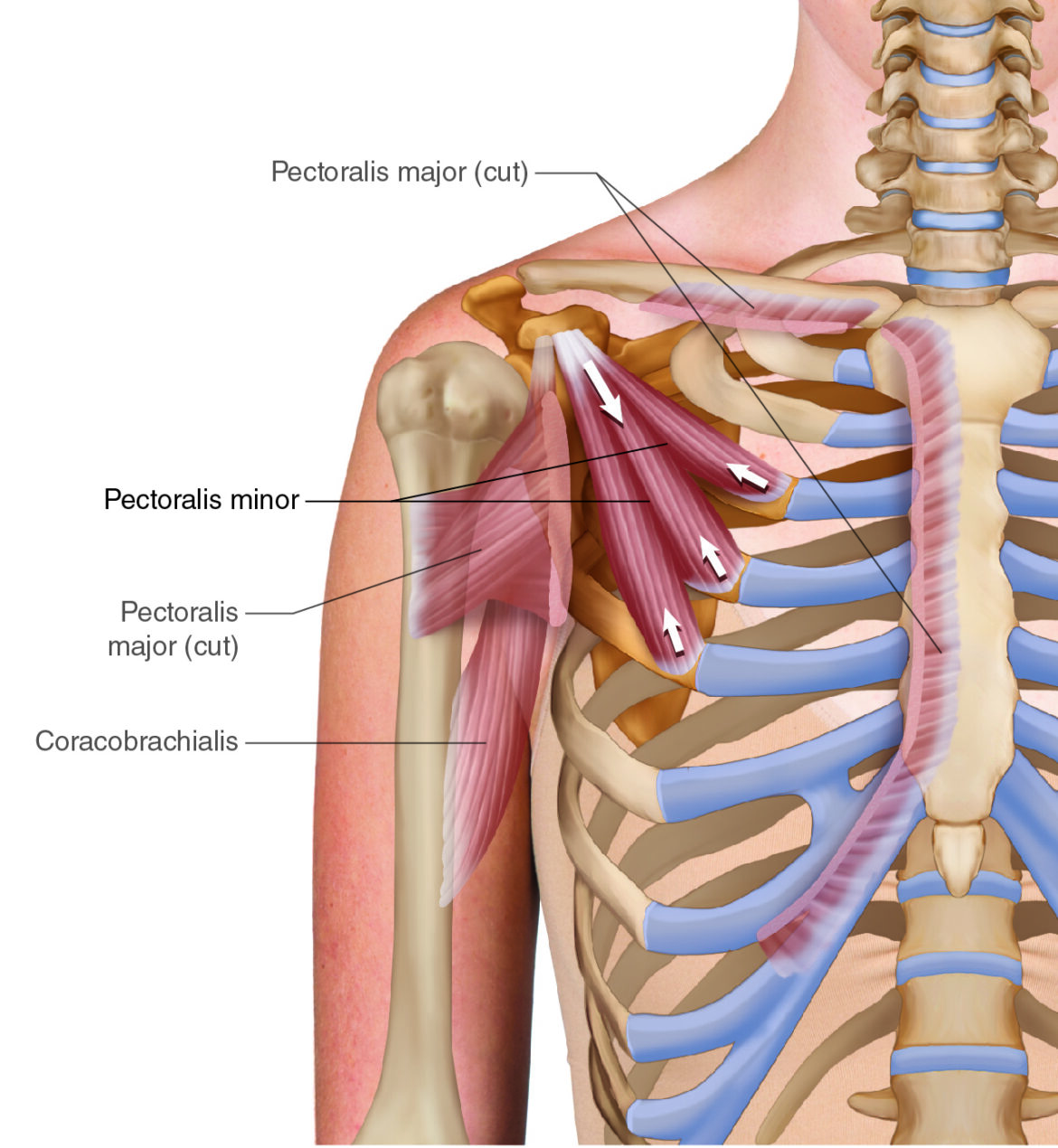
Learn everything about the pectoralis minor muscle — its anatomy, attachments, scapular functions, role in upper crossed syndrome, pectoralis minor syndrome (thoracic outlet syndrome), palpation technique, and stretching. Essential for massage therapists and manual therapy clinicians.
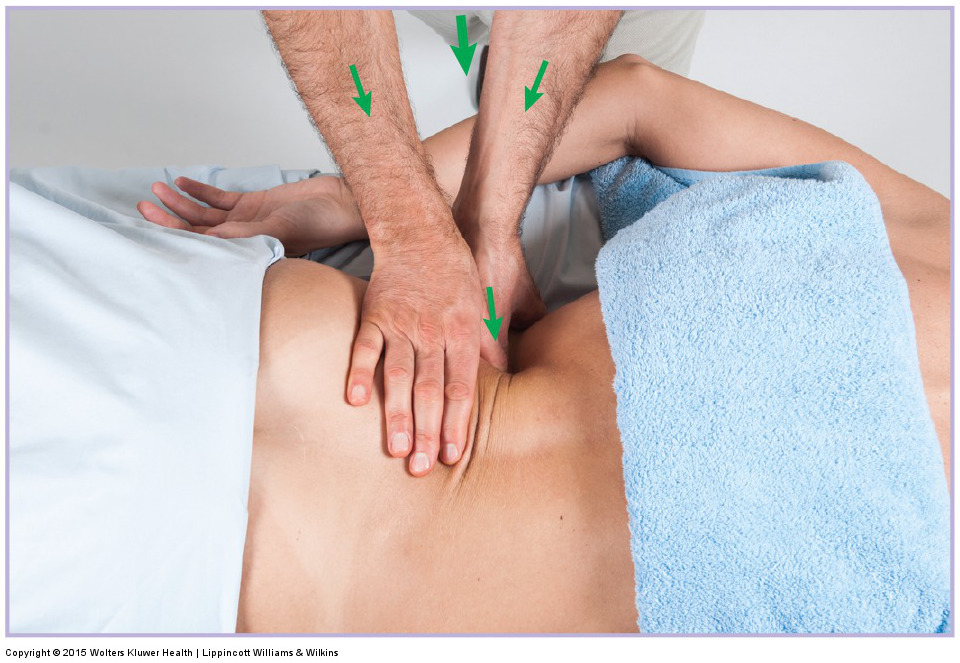
The authors concluded that single and multiple massage treatment applications can decrease a client’s pain at myofascial trigger points.
Muscle Anatomy Master Class (MAMC) is the most comprehensive and detailed muscle anatomy online video class in the world!
