Manual therapy treatment for meralgia paresthetica involves massage and client counseling to remove physical stressors that contribute to the condition.
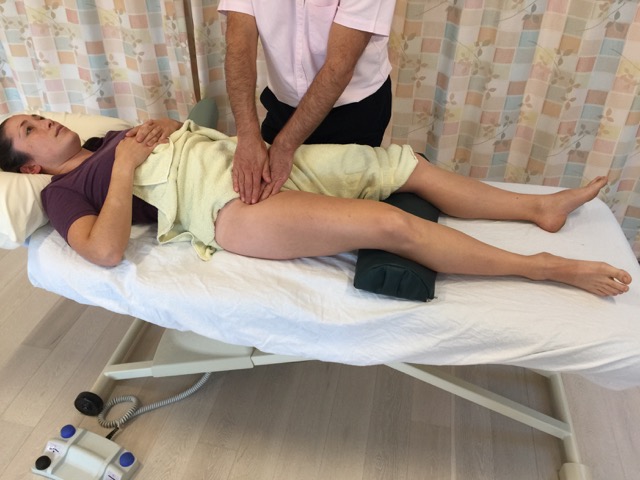
Manual therapy treatment for meralgia paresthetica involves massage and client counseling to remove physical stressors that contribute to the condition.

Learn how cocaine use can affect mental health, the nervous system, sleep, stress, and physical health, and why professional support matters.
Having some understanding of how this process works can be very valuable for training others as well as for perfecting one’s own skills.
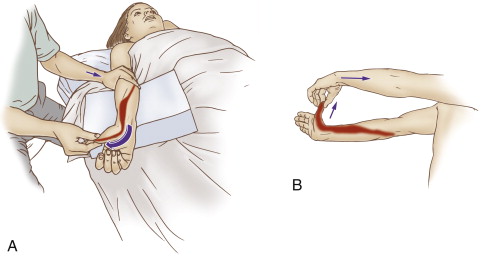
Perhaps the most important self-care advice for De Quervain’s syndrome is to avoid as much as possible offending postures and activities of the thumb.
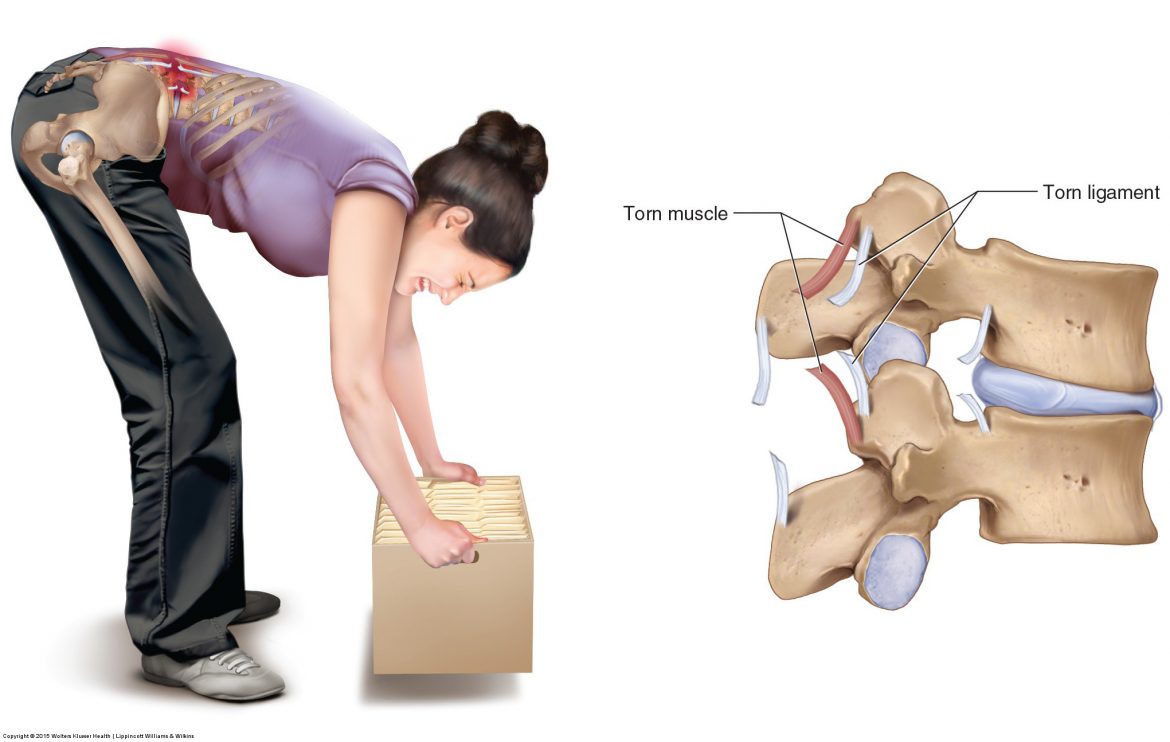
The two most common causes for a low back sprain / strain are macrotrauma and repetitive microtraumas, often involving bending and lifting.
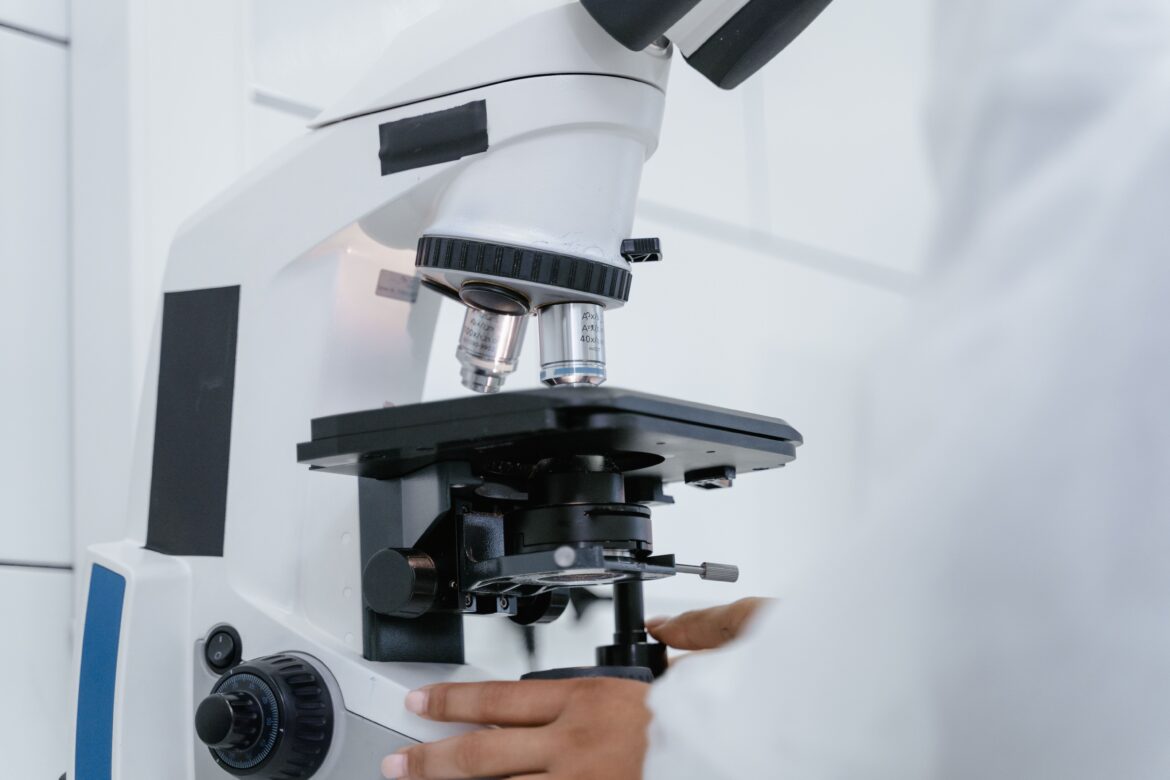
Comprehending the science behind muscle repair can perfectly explain why peptides are ultra-useful.
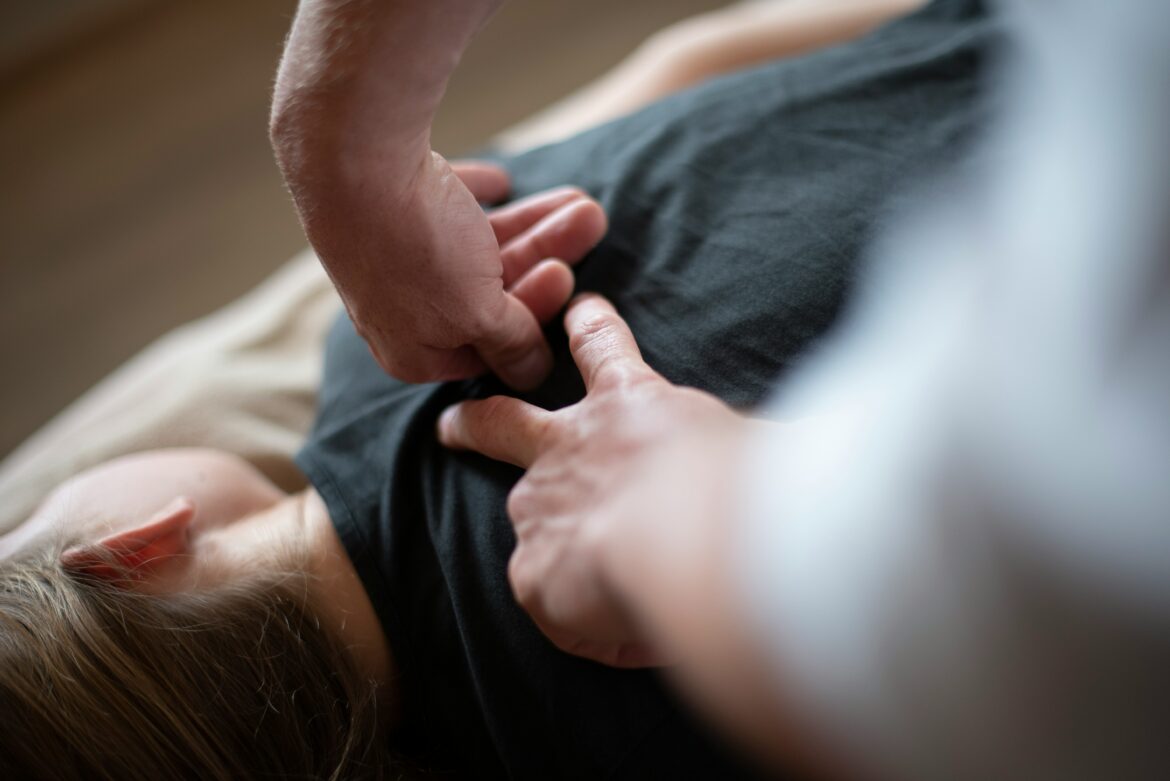
For massage therapists, movement professionals and other clinicians working within their scope of practice, a short occupational history can provide useful context.
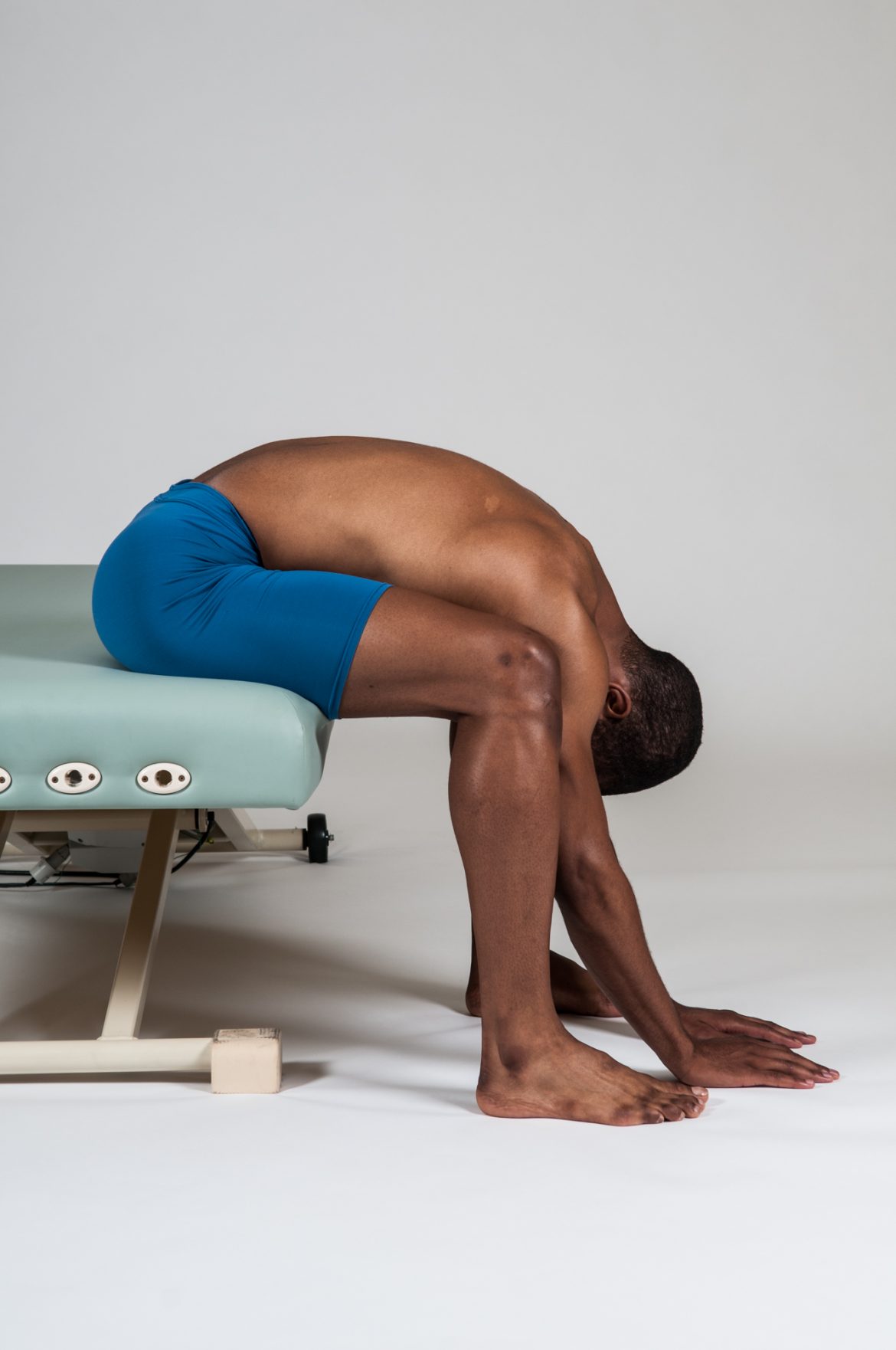
For the client with lower crossed syndrome, it is also important to recommend moist heat followed by stretching of the low back and hip flexor musculature.
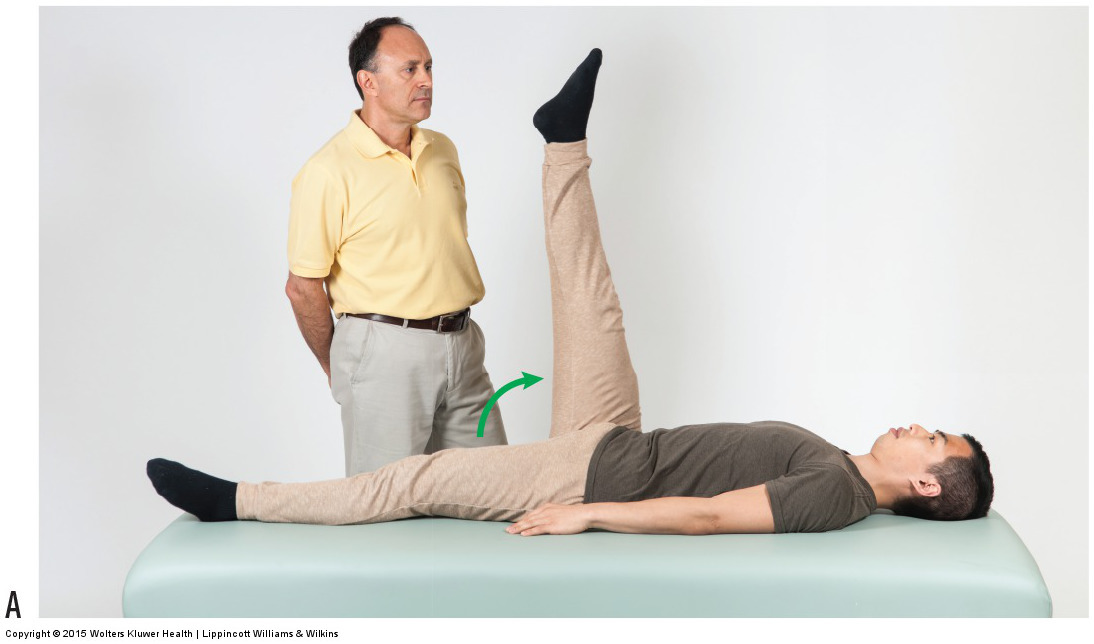
The assessment/diagnosis for low back muscle spasming begins with the verbal history and ROM and orthopedic assessment, and is confirmed with palpation.

Knowing what your practice is worth is smart business, not just exit planning. Here is a clear guide to practice valuation and why it matters to owners.
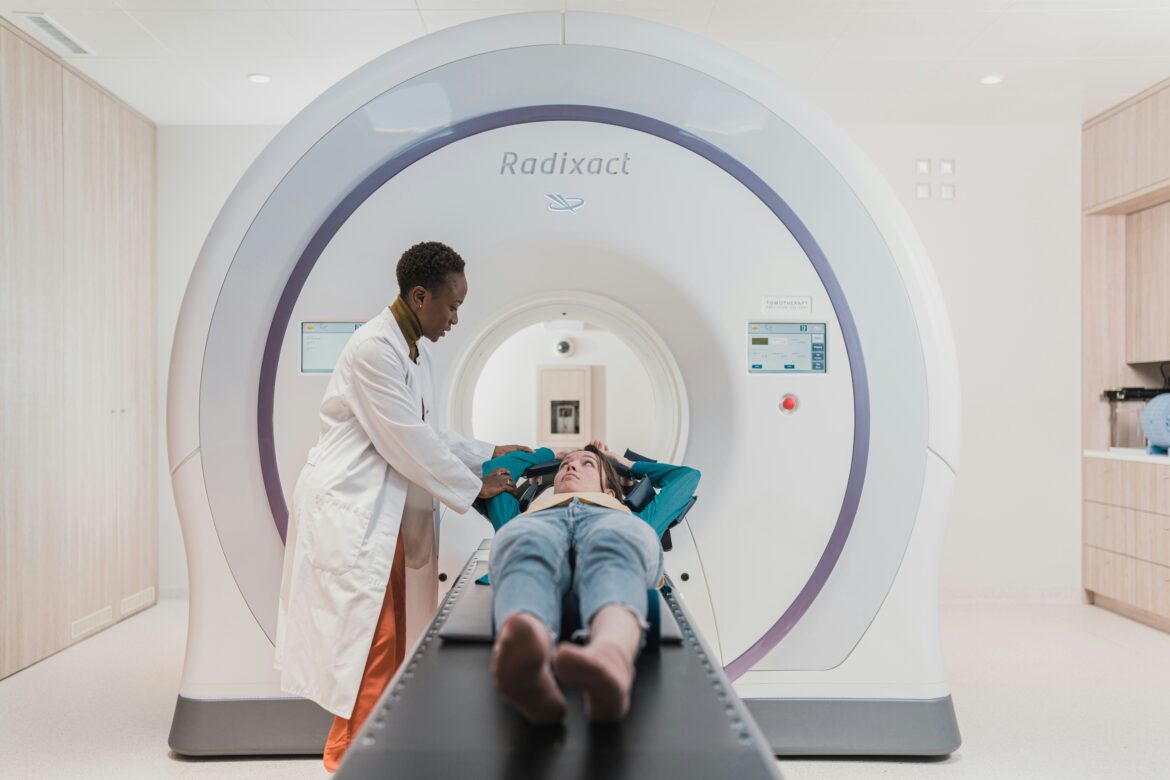
Hyperbaric oxygen therapy is a legitimate, well-studied medical tool with a genuinely expanding role in injury recovery, even as some of its newer applications are still building out their evidence base.
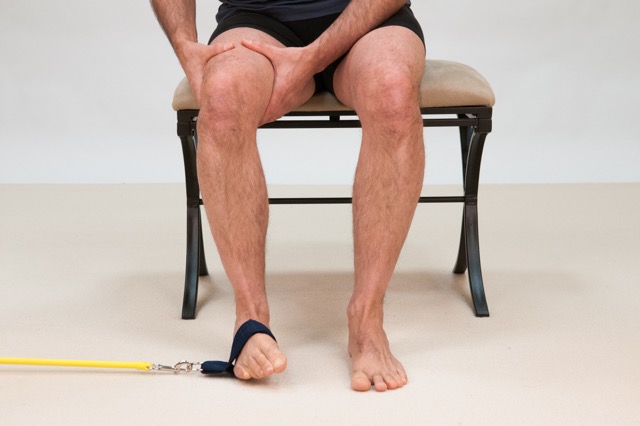
Evertor muscles of the foot should be strengthened in a client who has the postural dysfunction pattern of overpronation (dropped arch).
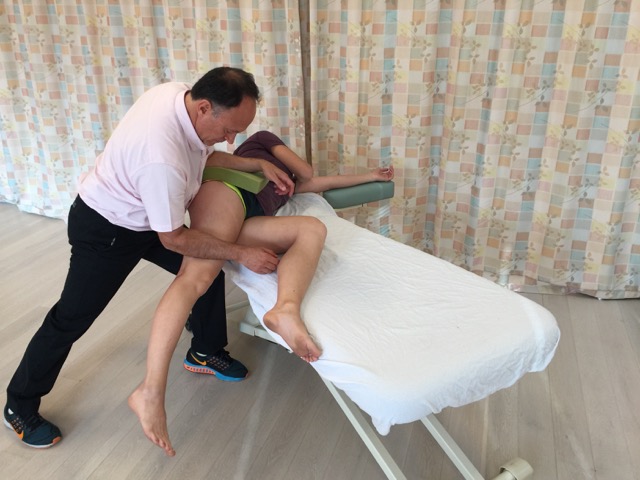
Manual therapy for iliotibial band friction syndrome is directed toward reducing the inflammation of the condition and correcting its underlying cause.

Life is unpredictable and much can happen from one day to the next. The daily routine audit reveals to us which routines are negative for our energy and, what can be done to change this.

Physical therapy notes eat your evenings. Stop that. These five workflow shifts cut documentation time without cutting quality, accuracy, or defensibility.
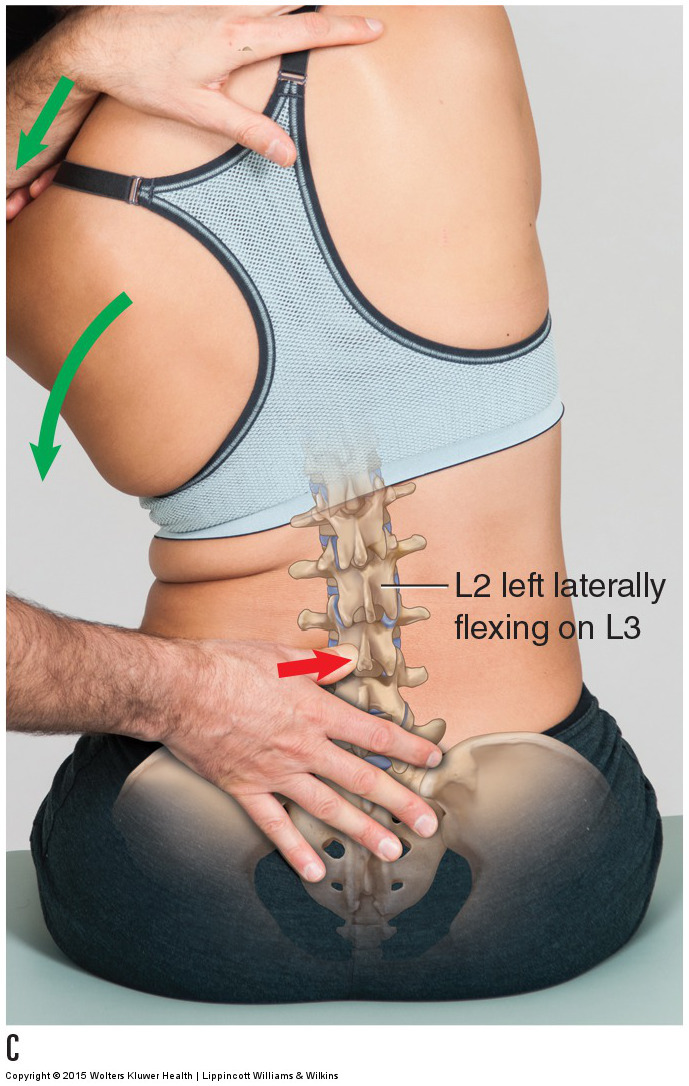
Assessment/diagnosis of spinal joint dysfunction, whether it is a hypomobility or a hypermobility, is done via motion palpation.
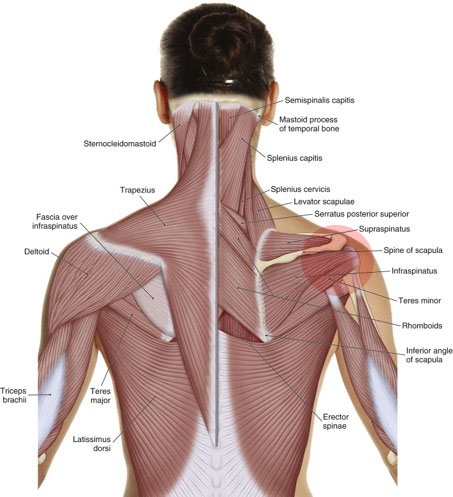
Frozen shoulder is a condition in which the glenohumeral joint loses mobility. The two stages are neurogenic frozen shoulder and adhesive capsulitis.
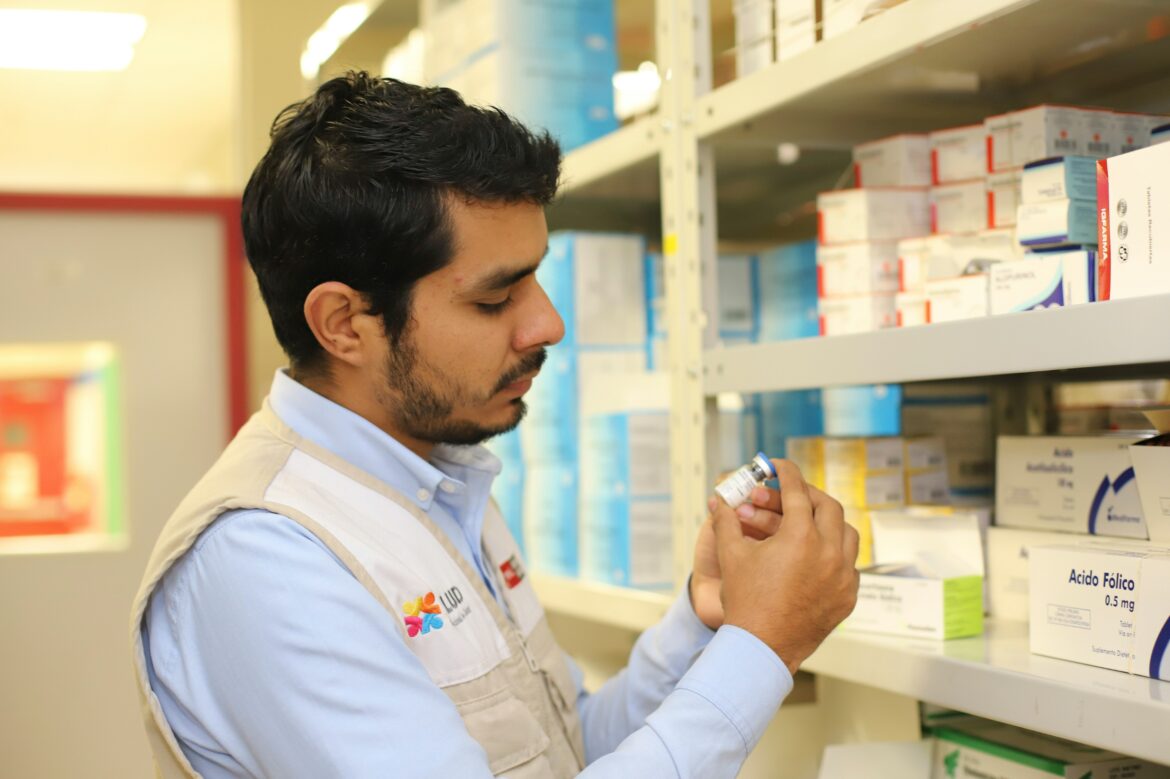
Convenience is valuable—but in healthcare, trust is earned through safeguards.

Helping to keep health and wellness on track while on the road, supplements have never been so convenient.
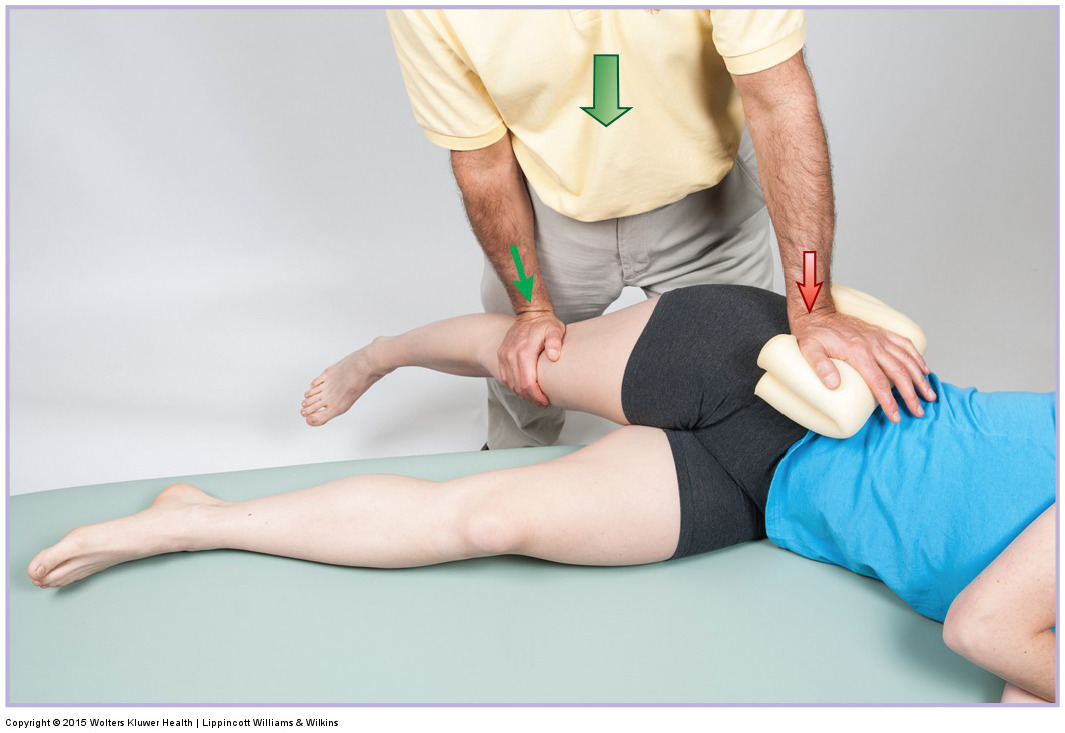
The most common symptom of iliotibial band friction syndrome is pain in the distal lateral thigh over the lateral epicondyle of the femur.
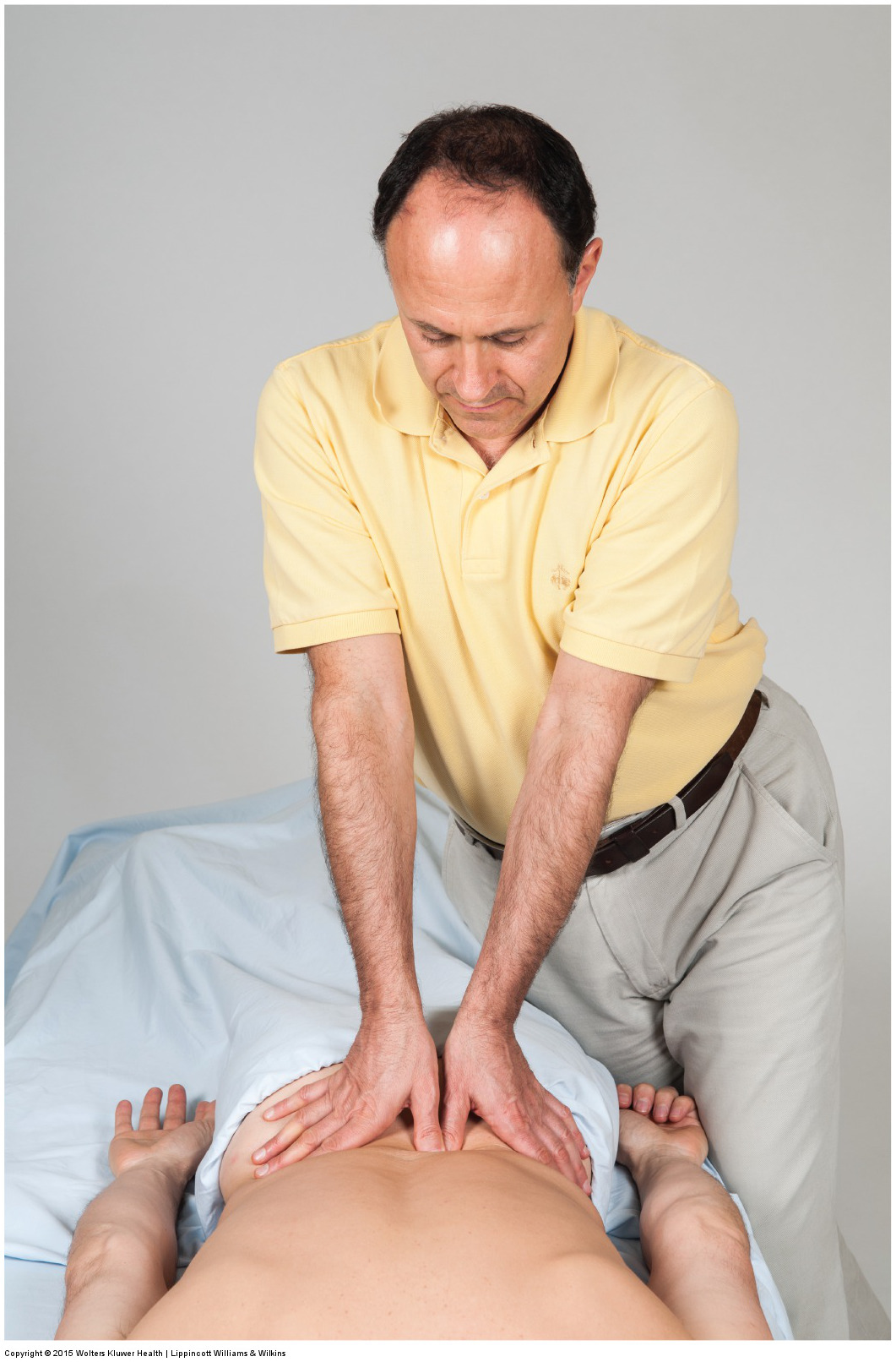
Manual therapy treatment for low back muscle tightness involves hot and cold hydrotherapy, soft tissue manipulation, stretching, and joint mobilization.
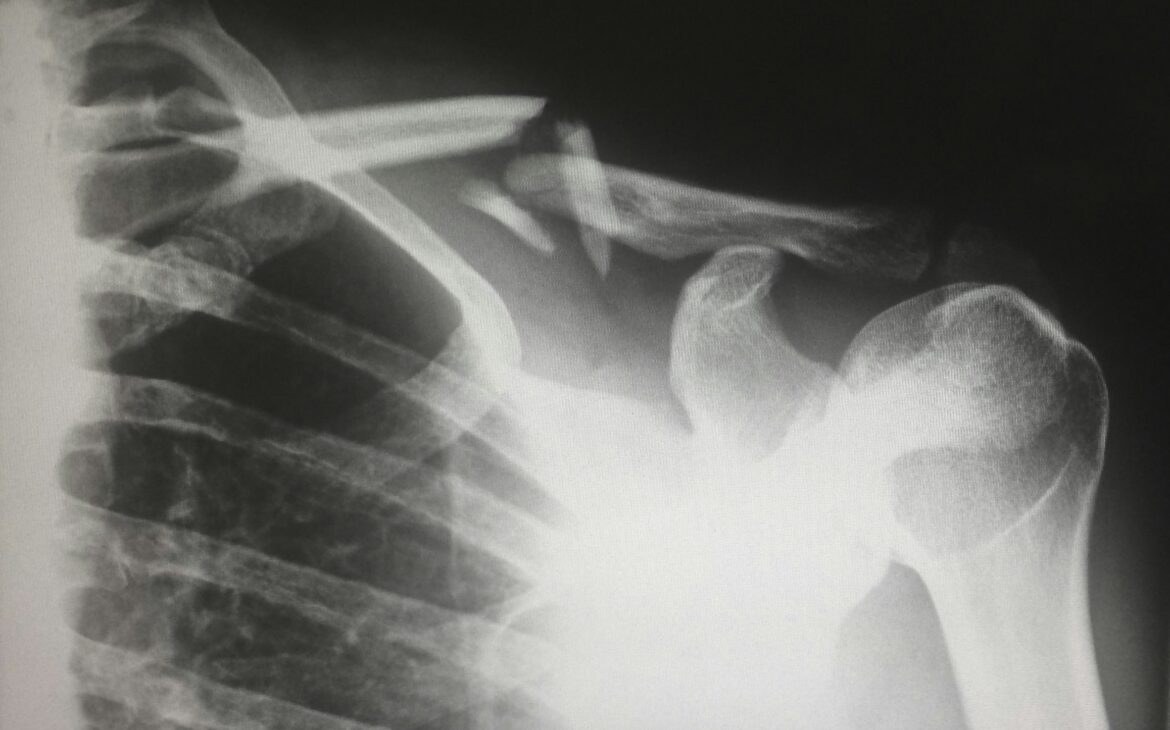
Pain, emotional effects, loss of normal life, disfigurement, and physical impairment may all matter, but each must be supported by evidence and considered alongside fault.
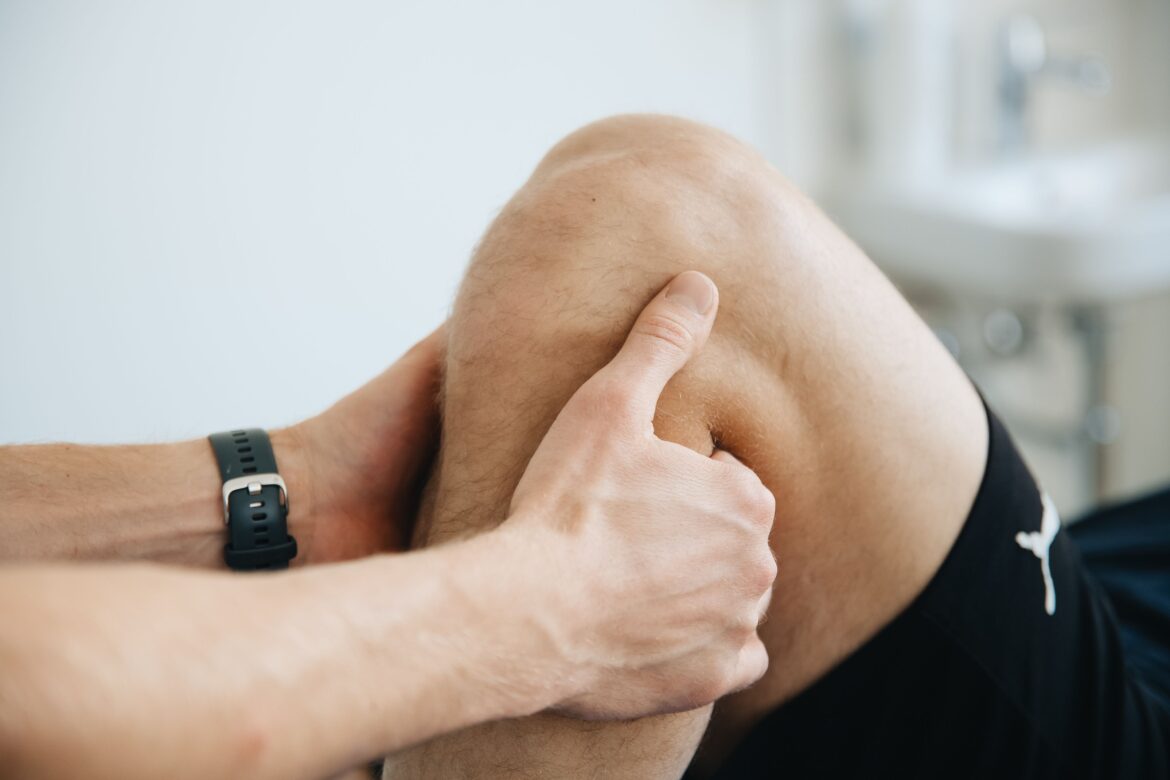
The science of GHK-Cu links to how the body makes collagen, how cells send signals, and how tissues change.
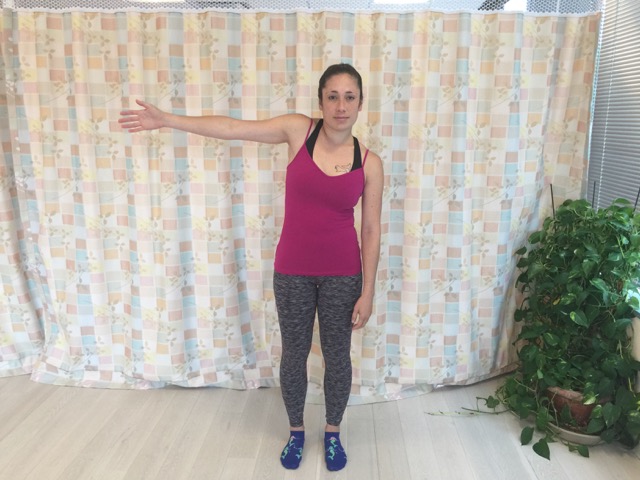
The most common sign of frozen shoulder is decreased GH joint range of motion. Most commonly affected motions are abduction, flexion, and lateral rotation.
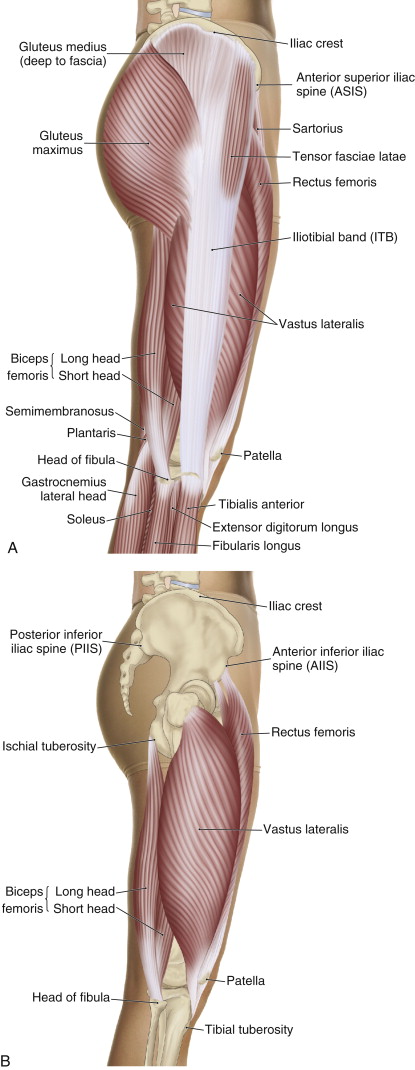
Iliotibial band friction syndrome is a condition in which the iliotibial band rubs against the lateral epicondyle of the femur.
How it works, what it does to your body, and whether it’s the right fit for your goals all deserve a clear explanation.

A month without alcohol improves sleep within a week, skin and mood within two, and blood pressure, liver fat and insulin sensitivity within four.
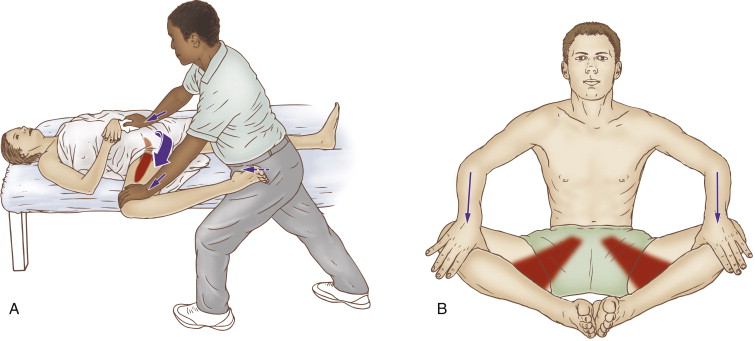
Self-care for the client/patient during the acute stage of an adductor strain (groin pull) is RICE: rest, ice, compression, and elevation.
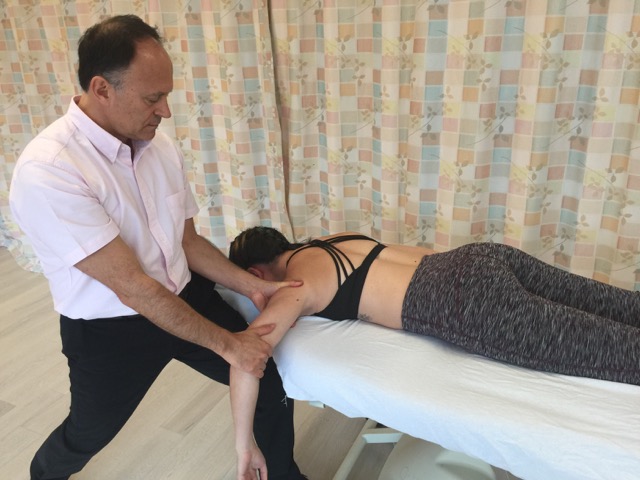
Manual therapy stretching and joint mobilization are two essential treatment modalities when working on a client with frozen shoulder.

This comparison looks at four peptide companies that sell peptides for lab research use only. They are ranked on analytical documentation available, where known to manufacture in the U.S., availability of COA’s, size of catalogue, and fulfillment.
