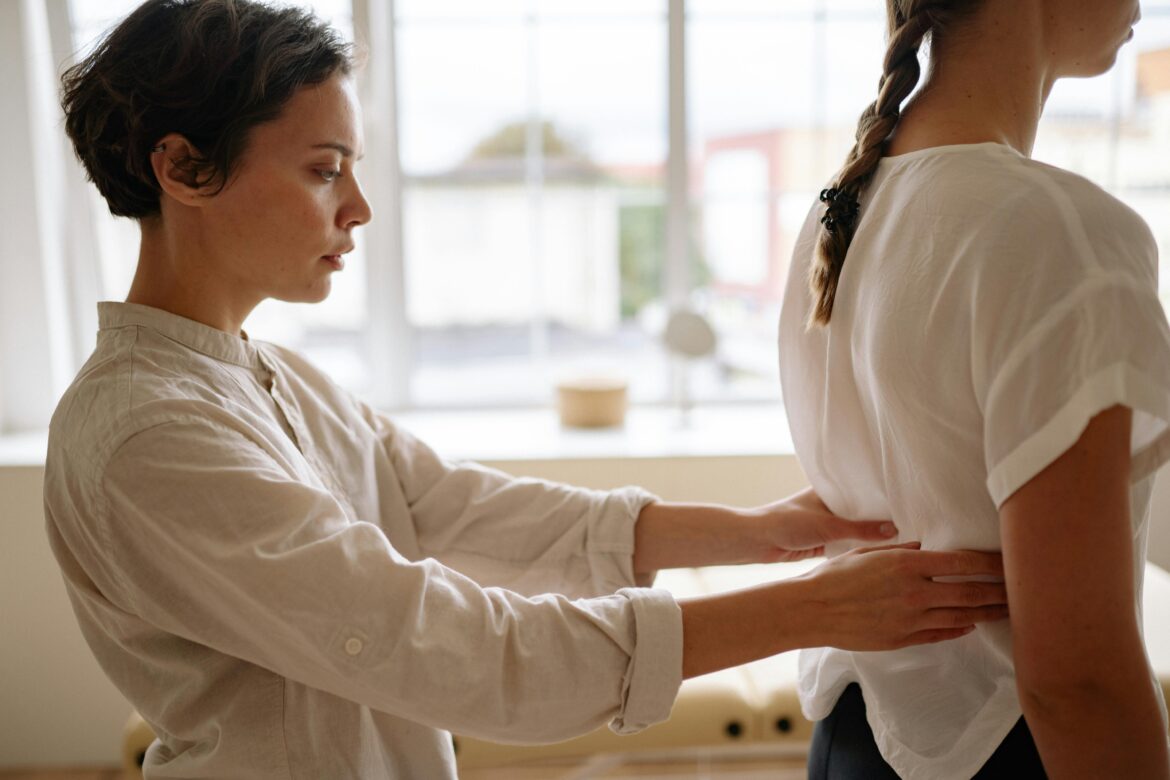
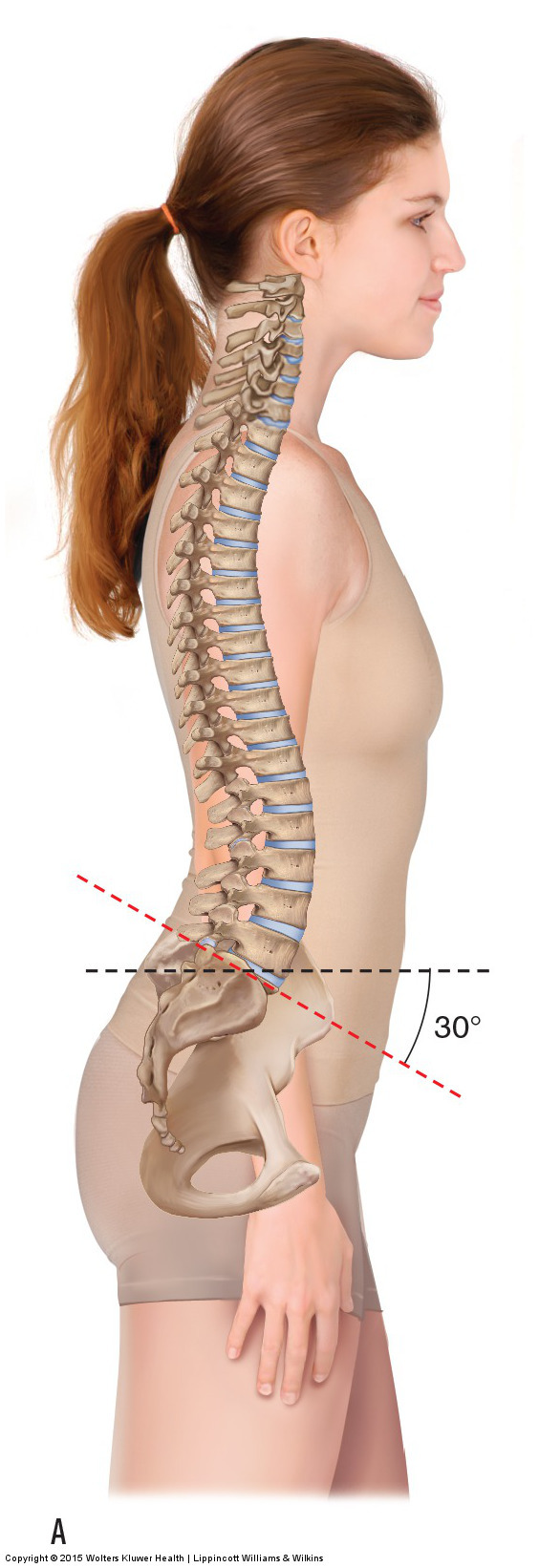
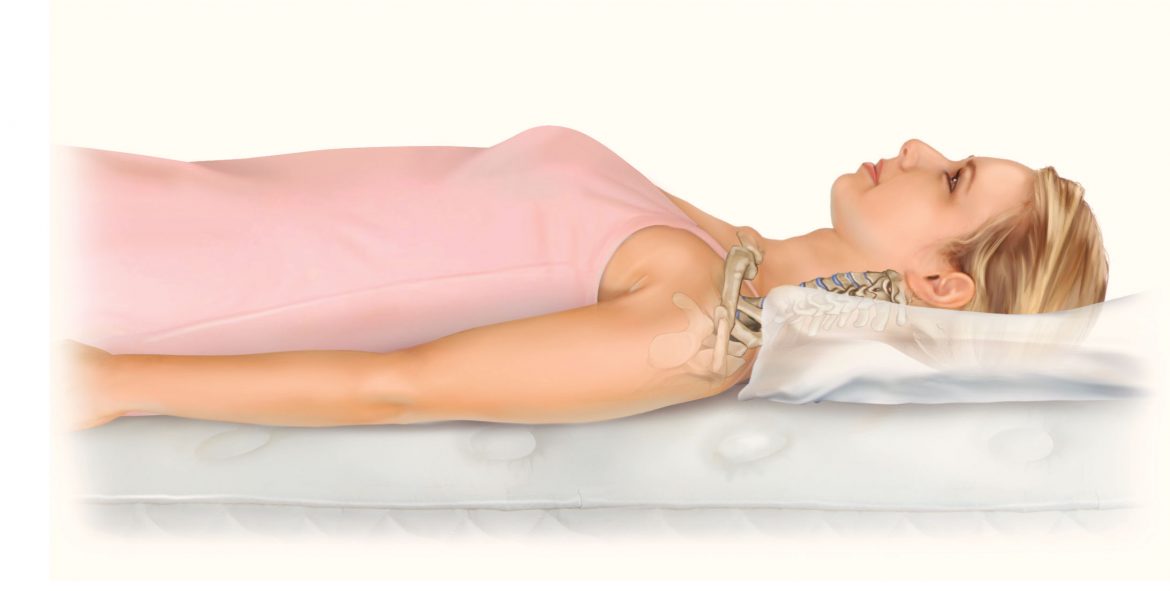
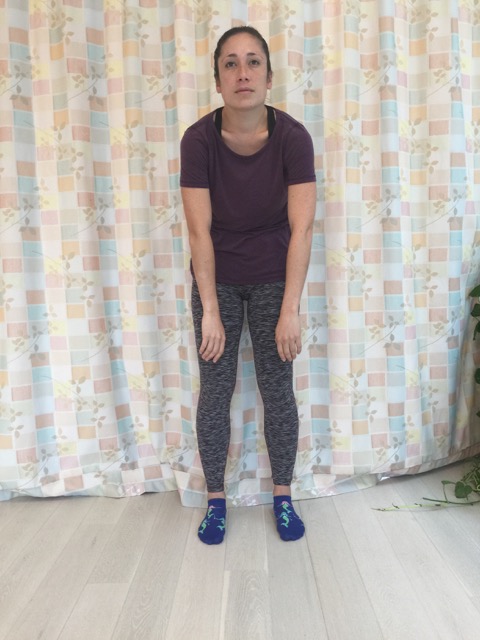
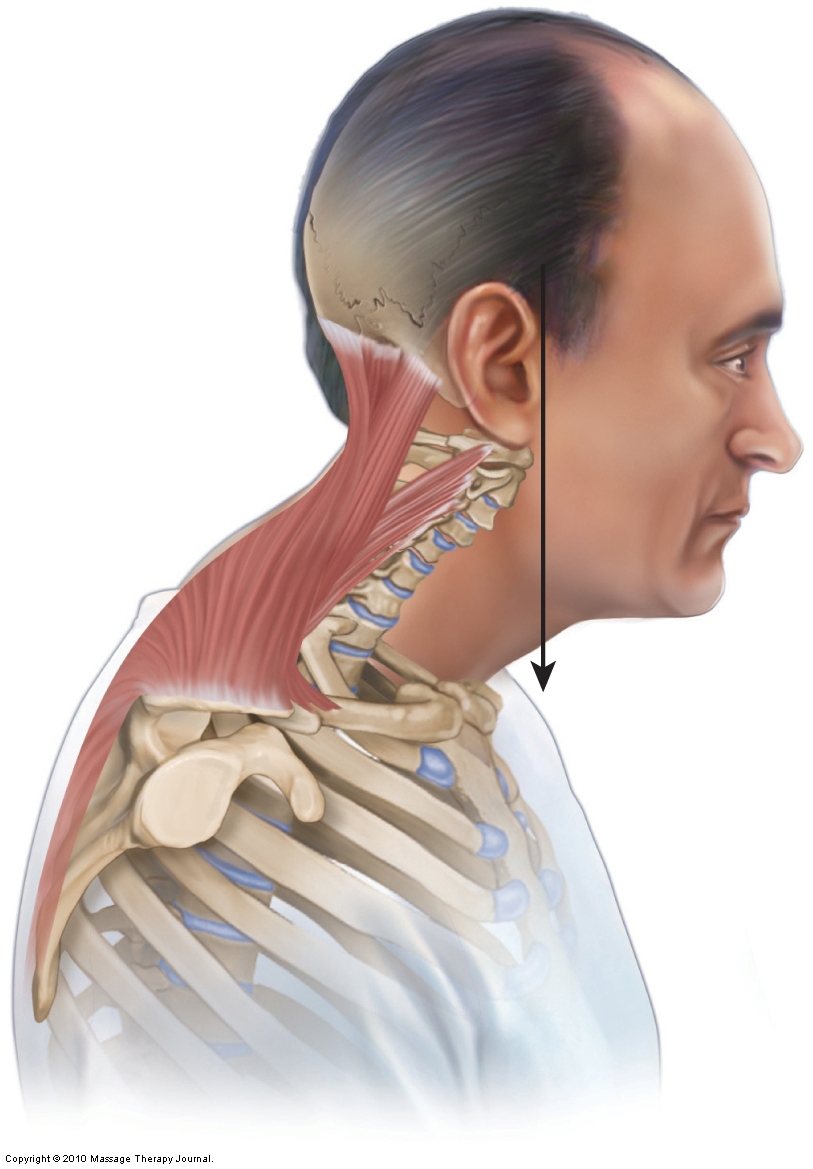
The therapist performed a static assessment of the client’s posture and noted the typical upper crossed syndrome with a hyperkyphotic thoracic spine, a hypolordotic lower cervical spine, a hyperlordotic upper cervical spine, protracted head, protracted scapulae, and medially (internally) rotated arms.
Self-Care and Medical Approaches to Upper Crossed Syndrome
When stretching the pectoralis musculature in a doorway, it is helpful to place the hand/forearm against the doorframe at various heights so that different aspects of the pectoralis musculature are preferentially stretched.
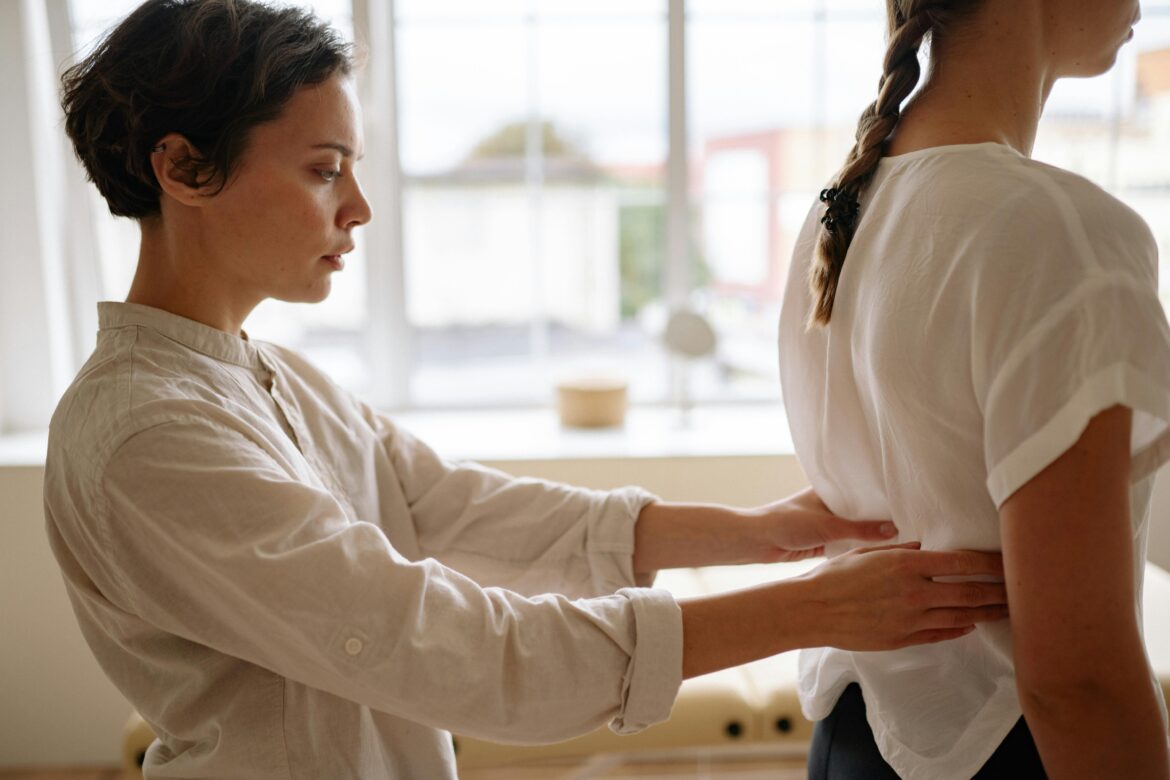
How do we Treat Upper Crossed Syndrome with Manual Therapy?
Especially effective for the pectoralis musculature is to use pin and stretch technique. With the client/patient supine and positioned toward the side of the table, pin the musculature with your finger pads as you bring the client/patient’s abducted arm off the side of the table and down into horizontal extension.
The Price of Smart Phones – Ten Conditions Caused by Smart Phone Use
Following are ten of the most common dysfunctional postural patterns and injuries that may occur with smart phone (cell/mobile phone) use.
What is Muscle Memory?
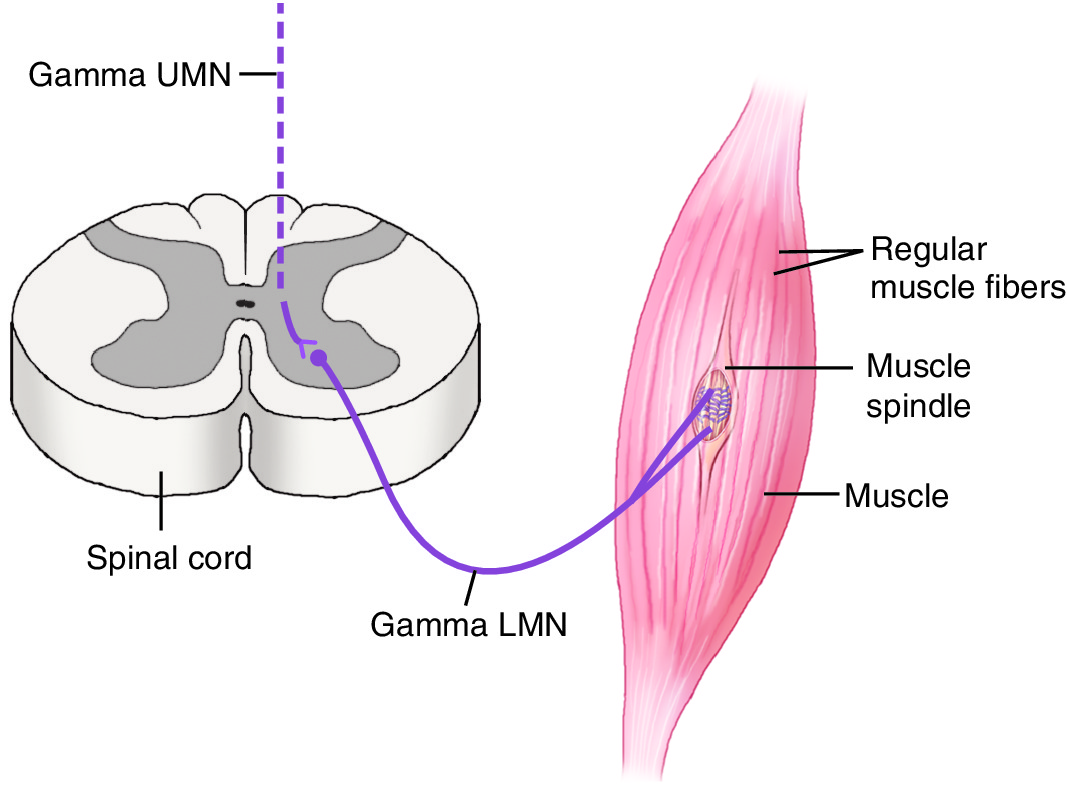
Muscle memory describes the concept that musculature contracts in patterns for both posture and motion, and these patterns reside in the nervous system.
Postural Assessment of the Neck
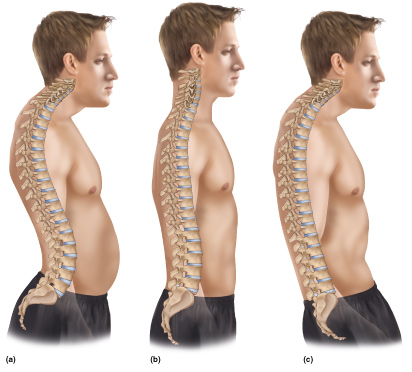
Postural assessment: Good posture is balanced and symmetrical & does not place excessive stress on the body. Bad posture is asymmetrical and/or imbalanced.
Tension Headaches
A tension headache is caused by excessive pulling force of tight muscles in the back of the neck that exert tension on their attachments on the head.
Forward Head Posture
Forward head posture is extremely common, especially as we age. It is part of a larger posture dysfunctional pattern known as upper crossed syndrome.
What are the self-care and medical approaches to treating a pathologic disc?
Self care for a herniated disc: avoid postures/activities that increase stress upon the disc and stretching/strengthening the musculature around the disc.
- Page 2 of 2
- 1
- 2